Hepper is reader-supported. When you buy via links on our site, we may earn an affiliate commission at no cost to you. Learn more.
Cat Dementia: Signs & Treatment Tips (Vet Answer)

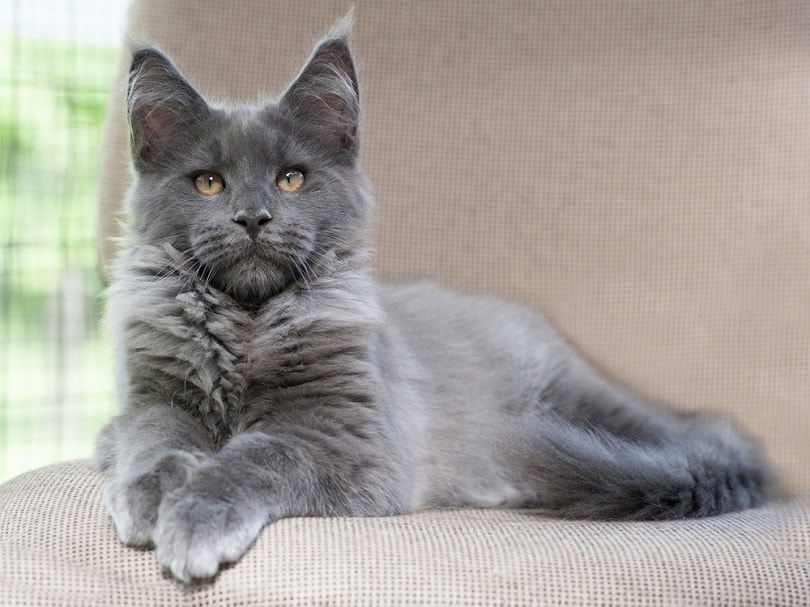
As we get older, it's not just our bodies that age; our organs do too. One of the organs that undergoes this age-related change is the brain. Its deterioration can cause dementia, also known as Cognitive Dysfunction. Unfortunately, our furry friends are no different, and older cats can also get dementia. But what is dementia in cats? What symptoms might you see if your cat has dementia, and are there any treatment options?

What Is Dementia in Cats?
Dementia in cats is also known as Cognitive Dysfunction or Cognitive Decline. Just like in humans, cats with dementia will have reduced brain function due to their advancing age, and this is because as they get older, their brain cells start to die. Of course, other conditions can cause brain function to deteriorate, too, including strokes and seizures. However, in the case of dementia, no other reason is found for the brain's lack of capability.
What Are the Symptoms of Cat Dementia?
If your cat is suffering from dementia, there are a few signs that you might notice, including:
1. Vocalization
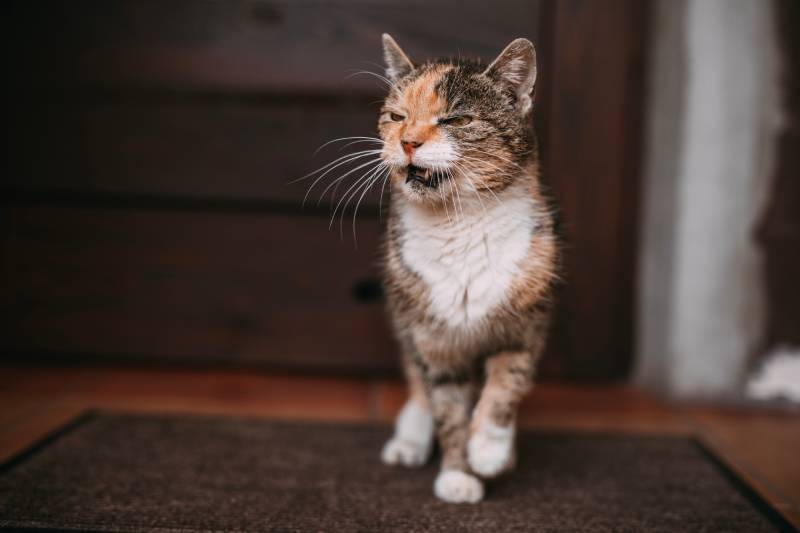
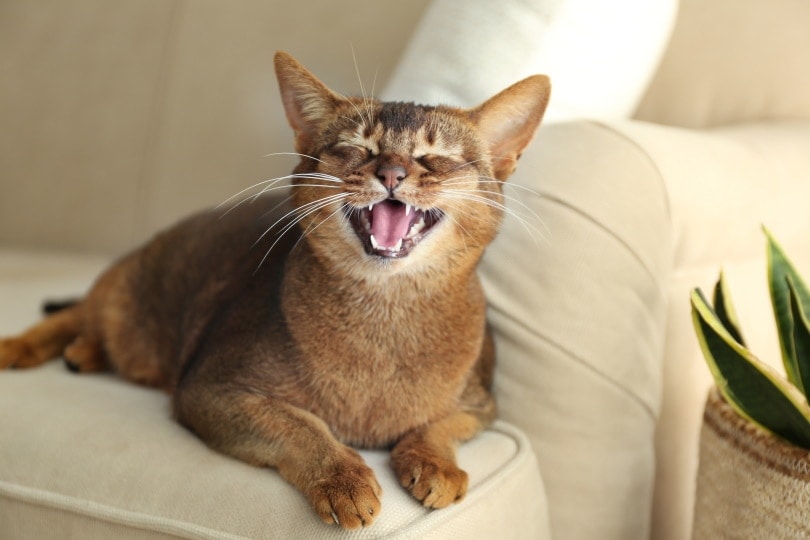
It's pretty common for cats with dementia to meow or yowl loudly and more frequently than before. They will often do this at unusual times, like at night when they would usually be sleeping or at feeding time even though they have already been fed.
2. Lack of routine
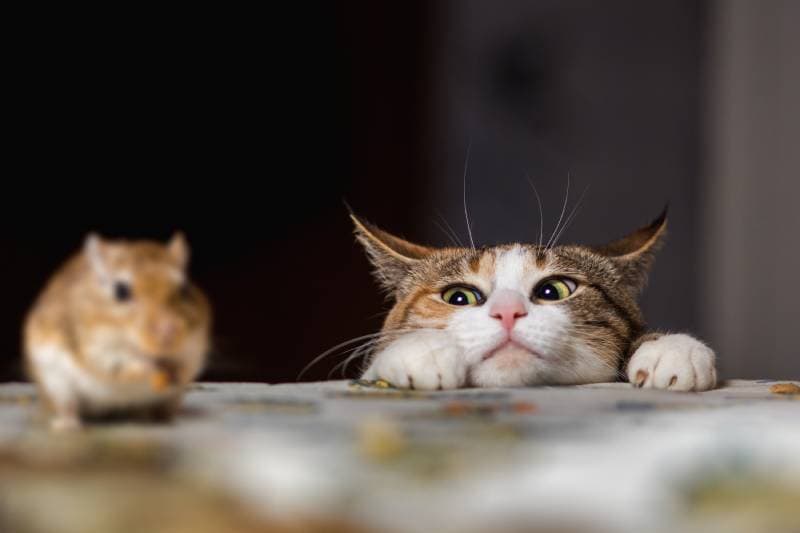
It's not just excessive vocalization that happens during the night; you might find your cat keeps strange hours if they have dementia. They may fail to distinguish day from night, being more active at night and seeming to forget their previous eating and sleeping routine.
3. Staring and confusion
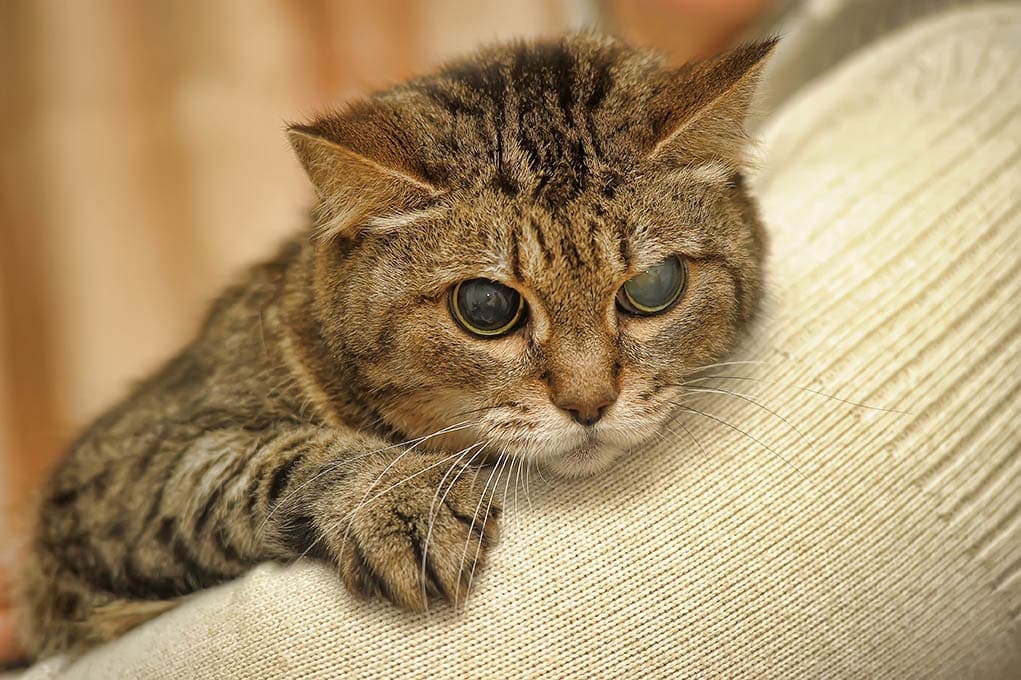
If your cat has reduced brain function, you may find them staring vacantly sometimes. They might even struggle to recognize members of the family or their surroundings. This can mean that they seem to get lost around the house or forget where their food, water, litter box, or bed is.
4. Anxiety
Dementia might make your previously confident cat more anxious. You might notice that they hide away more frequently, or they might pace around as if they can’t relax. If you have a pet webcam or close neighbors, you might find that they show signs of separation anxiety when you’re not around.
5. Clinginess
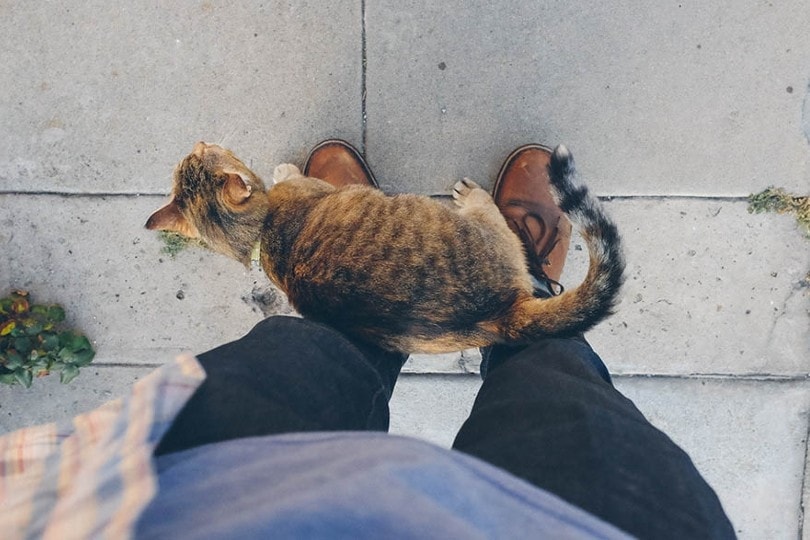
One of the most noticeable consequences of dementia is a change in your cat's character. So, you might find that suddenly your cat is very needy, craving your attention and following you around, where they used to be quite independent or aloof.
6. Lack of interest
Another character change that you might notice is a lack of interest in activities they used to enjoy. This might include social interactions with other cats or humans but could also mean a lack of interest in playtime or going outdoors.
7. Lack of grooming
Cats with dementia often end up looking a little bedraggled. Again, this is due to a change in behavior, causing them to neglect their grooming habits. As they groom less and less, they can develop mats in their fur.
8. Toileting outside of the litter box
You might find that your cat develops poor aim when using the litter box or that you find poop around the house. Although this can be frustrating and unpleasant, it could be due to dementia and a result of their brain aging, so try to be patient if you can.
9. Sight or hearing loss
Because the brain receives the messages from sound receptors in the ear and light receptors in the eyes, if your cat has Cognitive Decline, you might notice these senses start to deteriorate. They might bump into things or jump when you approach them as if they've only just noticed you.
What Other Conditions Can Cause Similar Symptoms?
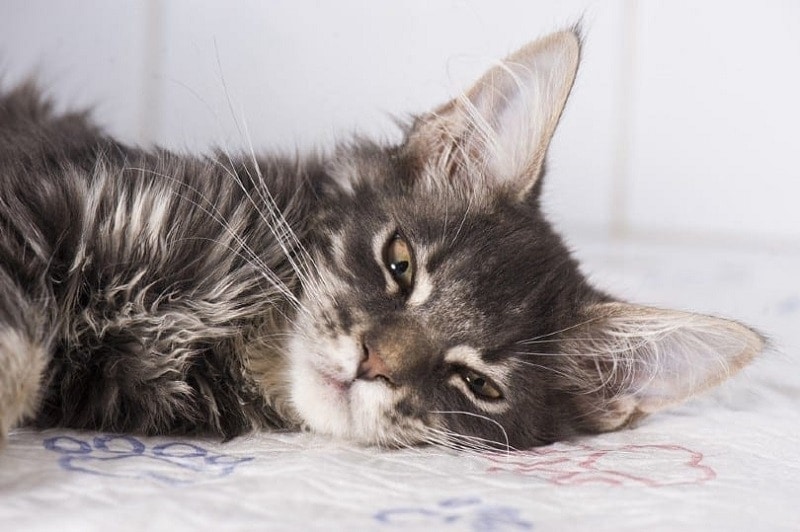
Dementia can cause a long list of symptoms in cats, so if your cat is showing some of the signs, they may have dementia. However, many of the symptoms are not only caused by dementia — they can also be caused by other health conditions. So, it's important not to assume that the signs are related to dementia due to your cat's age because some other conditions will need prompt treatment. For example, arthritis could cause your cat to be less active, groom less, and have some bathroom accidents. However, arthritis can be very painful and can be treated with anti-inflammatories to keep your cat comfortable. Similarly, hyperthyroidism could cause your cat to vocalize excessively or lose their routine, so it's worth speaking to your veterinarian before assuming that your cat has dementia.
When Should You See a Vet?
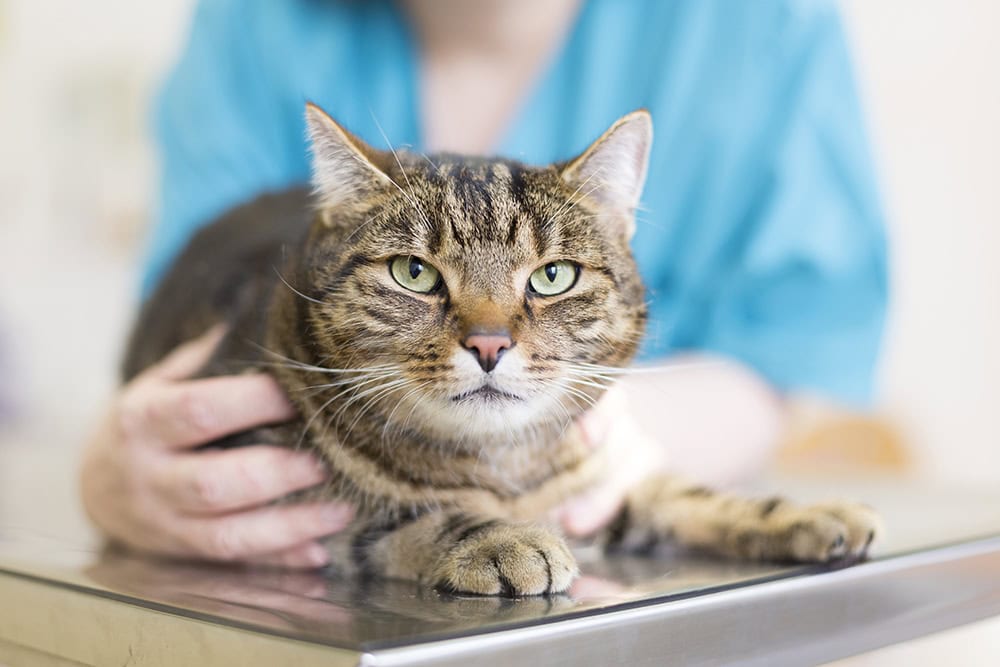
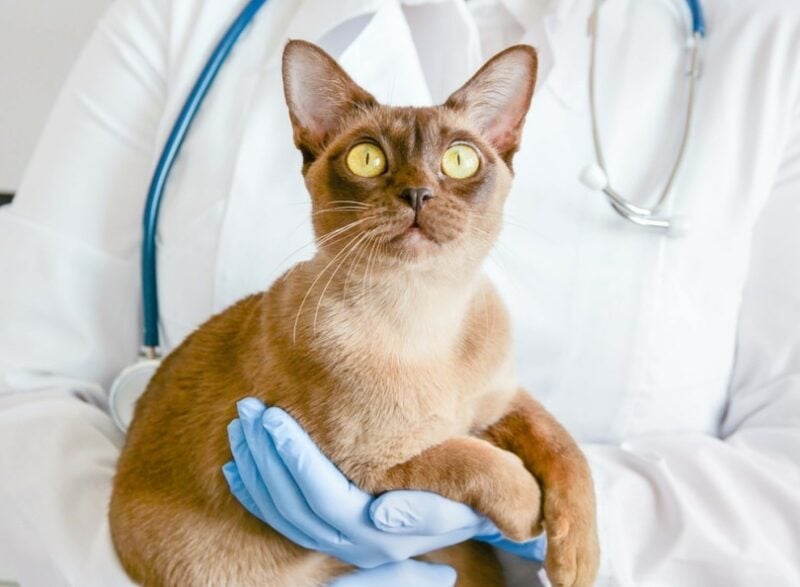
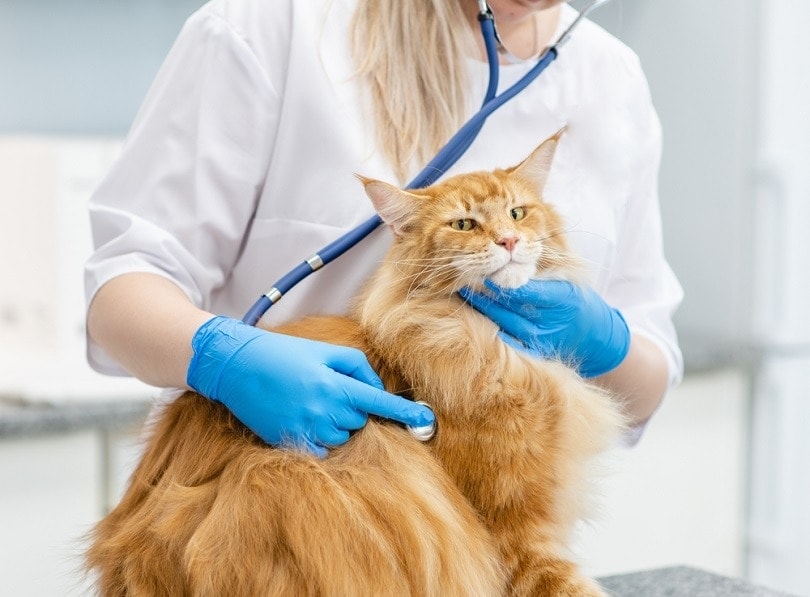
It goes without saying that if you think your puss is poorly in any way, you should take them to see a veterinarian. This is important if you think they have dementia, not just because it could be another health condition but because dementia can affect a cat's quality of life. So, if you notice any changes in your cat's behavior as they get older, it is worth booking a health examination at your local veterinary clinic for peace of mind.
Is There Any Treatment for Cat Dementia?
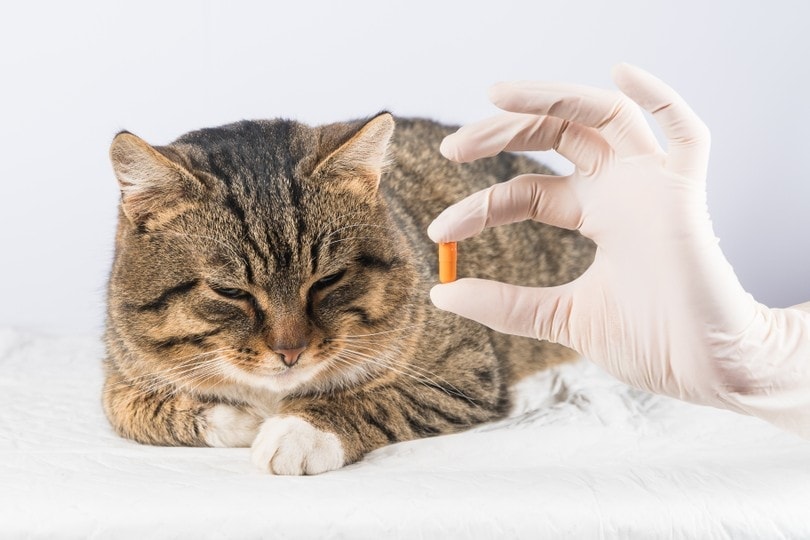
If your cat is diagnosed with dementia, the most important thing you can do to help is adapt their surroundings and routine. However, although any damage to their brain tissue is irreversible, medication and supplements can help to an extent. One of the most commonly used medications for dementia in pets is Selegiline, which is a medication that is used in humans to treat Parkinson's. Selegiline is only licensed for use in dogs, but veterinarians do use it in cats and have found it effective. Another medication that can be useful is Propentofylline, which is a drug that increases the amount of oxygen that reaches the brain tissue by improving blood flow.
In addition to these medications, a diet high in vitamins C and E, antioxidants, and Essential Fatty Acids like omega-3 can also be beneficial. You can speak to your veterinarian about which supplements they would recommend to provide your cat with these brain-friendly nutrients.
How Can I Help My Cat With Dementia?
If your cat suffers from dementia, they might struggle with daily tasks like getting to their food and water bowls or using their litter box. Keeping everything within easy reach, without them needing to jump or walk too far, will help a lot. If your cat would normally enjoy playtime or a cuddle, try to devote extra time to engaging with them. However, keep an eye out for signs that your cat isn't enjoying the attention or wants to be left alone. Puzzle feeders or other activity toys that your cat can use without your presence will help even anti-social cats to do some brain training! Finally, providing them with a few comfortable spots around the house to relax and feel safe will help them feel more confident.
FAQ
How long does a cat live with dementia?
Although dementia causes a decline in your cat's health and behavior, cats rarely die from dementia. More often, their quality of life deteriorates to a point where it is kinder to put them to sleep. However, every cat is different. Many cats will continue to have a reasonable quality of life with medication and some adaptations around the house.
How does a cat with dementia act?
Dementia signs in cats can vary a lot. Some cats may show just one or two symptoms, whereas others could show the whole list. Similarly, some cats may show mild symptoms, but others can be severely affected. Generally speaking, dementia tends to change a cat's behavior. This could mean your cat becomes aggressive, clingy, or anxious, or it could mean that they become very vocal, affectionate, or confused. With so many different symptoms, you should speak to a veterinarian if you are concerned that your cat has dementia.
So, Can Cats Live With Dementia?
If a veterinarian diagnoses your cat with dementia, it can sadly feel like their life is coming to an end. However, this is not always the case. Depending on the severity of their symptoms, you might find that they cope well with the right support and medication. So, as long as you keep monitoring their quality of life, you can continue to enjoy their company through their golden years.
Featured Image Credit: Okeanas, Shutterstock
Get Hepper In Your Inbox


Pet care tips from our vets and experts, straight to your inbox.
You may opt-out at any time. View our Privacy Policy for more information.
Joanna is an experienced vet working in the UK. She has written about pets and pet health for many websites, blogs, and pet magazines and loves to help owners understand their pets through her writing.
Joanna is an experienced vet working in the UK who has always loved both writing and science. So, after following her passion for science and graduating as a veterinarian, she was able to begin writing and join her two passions together.
She has written about pets and pet health for many websites, blogs, and pet magazines. She loves to help owners understand their pets better through her writing, and loves to teach and educate her clients. She owns her own freelance company to help even more clients than just the one standing in front of her in a consultation room.
Education
In 2016, Joanna graduated from the University of Nottingham, with a degree in Veterinary Science (BVMedSci) and a degree in Veterinary Medicine and Surgery (BVM BVS).
Experience
Joanna practiced as a clinical vet from 2016 - 2019 and left full-time practice after that to work as a locum/relief vet in the Channel Islands, alongside her freelance writing work.
Join the conversation
Ask a question, share your story, or send private feedback.