Hepper is reader-supported. When you buy via links on our site, we may earn an affiliate commission at no cost to you. Learn more.
Can a Cat Have ADHD or ADD? What Science Has to Say


In this article
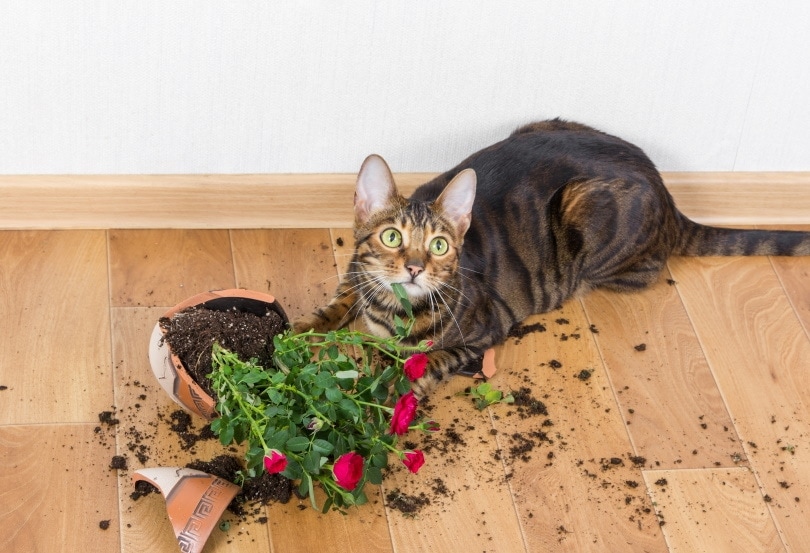
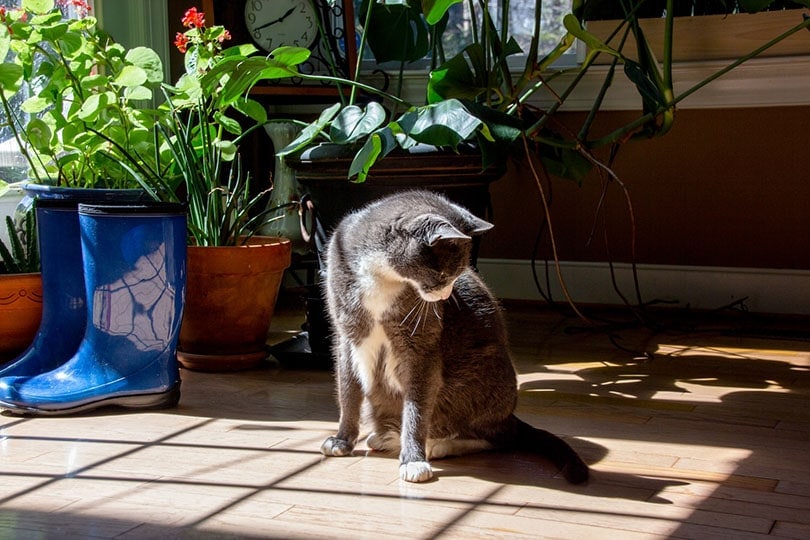
There’s growing evidence that companion animals like cats can struggle with mental health disorders, just like humans. While it’s accepted that cats suffer from several behavioral issues, experts don’t agree on whether cats can specifically have attention deficit hyperactivity disorder (ADHD) or attention deficit disorder (ADD). Some vets and behaviorists recognize this as a condition that can affect cats, but more research is needed.

Can Cats Have ADHD or ADD?
ADHD and ADD aren’t officially recognized in cats, though cats can exhibit behavioral traits that are linked to these disorders in humans—particularly children. These conditions are difficult to diagnose in humans, however, and given the differences in the way cats communicate, identifying them is even more challenging.
In addition, there are medical conditions that can cause behavioral changes in cats. For example, painful conditions like arthritis can cause irritability or aggression, and an overactive thyroid can cause personality changes and hyperactivity.
Diagnosing Mental Health Conditions in Cats
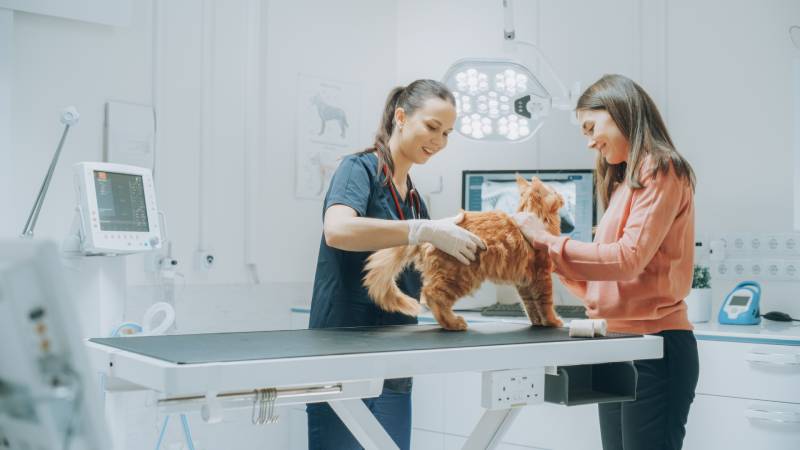
The first step in investigating mental health conditions in cats is ruling out medical causes. A veterinary behaviorist is the ideal choice since these professionals have an in-depth understanding of both medical conditions and behavioral conditions.
The signs of a possible mental health disorder like ADHD or ADD may present signs like:
If you’ve spent any time around a cat, you can see how these signs could apply to most cats in some situations. That’s why it’s so challenging to not only get universal recognition for ADD or ADHD but also diagnose it.
Other Mental Health Conditions in Cats
Cats can suffer from similar mental health conditions 1 as humans, including depression, anxiety, and stress. Though these conditions can also be difficult to identify, cats share some signs with humans.
Depression in Cats
Cats can be solitary, so the signs of depression may not be immediately obvious. Some signs may include the following:
- Lack of appetite
- Excessive sleep
- Avoiding affection
- Decreased grooming
- Loss of interest in activities they once enjoyed
Anxiety in Cats
Cats are sensitive animals that may struggle with big changes in their routine or environment. Like people, they can experience anxiety, particularly surrounding traumatic experiences like conflicts with other animals.
Some of the signs of anxiety in cats may include:
Compulsive Disorders in Cats
Cats can experience compulsive behaviors, either on their own or as a sign of depression or anxiety. Negative emotions can trigger compulsive behaviors, such as frustration, fear, or boredom.
Some of the signs of compulsive disorders may include any of the following:
- Repetitive vocalization
- Self-mutilation
- Chasing their tails
- Excessive grooming
- Constant pacing
- Sucking on objects
- Chasing imaginary prey
Final Thoughts
When it comes to ADHD or ADD in cats, the jury is still out. But cats can experience mental health conditions that affect their quality of life, including depression, compulsive disorders, and anxiety. If you suspect your cat is suffering from a psychological condition, it’s important to consult with a veterinary behaviorist to determine the underlying cause and develop a treatment plan.
Sources
Featured Image Credit: Sergey Zaykov, Shutterstock
Get Hepper In Your Inbox


Pet care tips from our vets and experts, straight to your inbox.
You may opt-out at any time. View our Privacy Policy for more information.
Nicole is a lover of animals of all sizes but is especially fascinated with the feline variety. She’s the proud mom of Baby, a Burmese, and works every day so he can relax in the sunshine or by the fire. She’s always had a cat in her home and has spent countless days with others, observing behaviors and softening up even the grouchiest of the lot. Nicole wants to share her kitty expertise with you so you and your cat can live happy, healthy, and care-free.
Join the conversation
Ask a question, share your story, or send private feedback.