Hepper blog

Search our database of over 9,984 posts with up-to-date information from our experts and veterinarians.

Hepper is reader-supported. When you buy via links on our site, we may earn an affiliate commission at no cost to you. Learn more.

Can Dogs Get Dementia? Vet-Approved Signs & Stages

By Nicole Cosgrove · Reviewed & fact-checked by Dr. Nia PerkinsVet Approved
Dr. Nia Perkins
Reviewed & Fact-Checked byDr. Nia PerkinsDVM (Veterinarian)
A graduate of Tuskegee University College of Veterinary Medicine, Nia dreamed of becoming a veterinarian since she was a child growing up in Chicago. She's been a veterinarian for almost 20 years, and has practiced in various settings including private practice, emergency, shelter medicine, and telehealth. She also owned a mobile vet service and a brick and mortar small animal and exotics hospital, in Alexandria Virginia.View authorThe information is current and up-to-date in accordance with the latest veterinarian research. Read about our vets
Share
Ask us a question in the comments
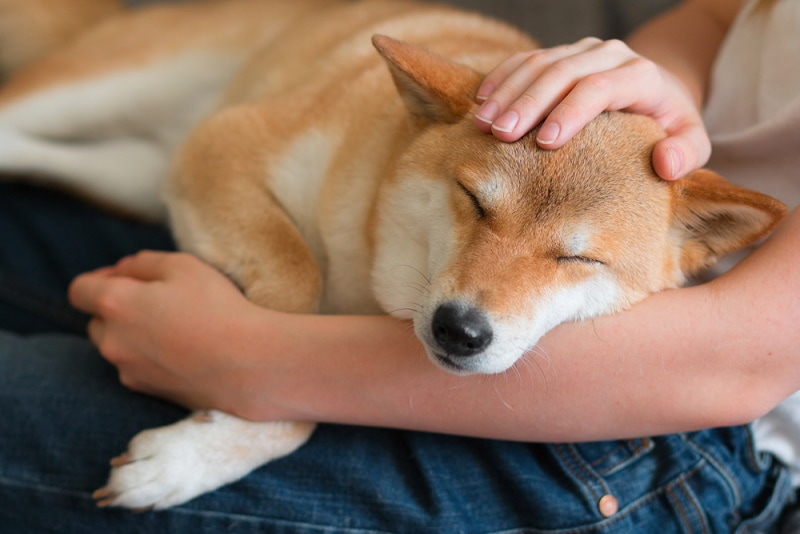
shiba inu dog sleeping in his owners lap

Most people are familiar with dementia in humans, but did you know it can also affect your dog? Canine cognitive decline (CCD), or cognitive dysfunction syndrome, is the veterinary term for dog dementia, and it exhibits similar signs as the condition in humans.

As our canine companions start to live longer lives, we are seeing more signs of dog dementia. Studies indicate that as much as 68% of dogs between the ages of 11 and 16 demonstrate signs of dementia.1

Read on to learn more about dog dementia, the signs to look out for, and when to seek veterinary care.

Clinical Signs of Dementia in Dogs

Veterinarians check for the following signs to diagnose CCD, after ruling out other medical causes.

  • Disorientation: Disorientation is one of the most obvious signs of dementia. Dogs with CCD may look confused in their home environments and struggle to find their food bowl or the door to go outside. They may also find themselves in a corner or empty room, staring aimlessly. They may show signs of confusion around familiar people or struggle to move around objects in your home.
  • Interaction Changes: Dogs with dementia may show less interest in interacting with familiar people or other household pets. Some dogs withdraw, while others become clingier. In some cases, dogs with dementia prefer to be by themselves longer and may become scared or overstimulated easily.
  • Sleep/Wake Cycle Disruptions: Dementia causes changes to the sleep/wake cycle in dogs, which can be uncomfortable for them and their human companions. Dogs may struggle to sleep through the night and may bark or pace while the rest of the household is sleeping. When this happens, they may experience fear or agitation. As a result of poor nighttime sleep, they may sleep more during the day.
  • Housebreaking Problems/Learning Problems: Many owners notice that their dogs have a lapse in housebreaking as a sign of dementia. These dogs may stop letting their owners know they need to go out or go out and seemingly “forget” what they’re supposed to do. Consequently, they may soil in the house more often, which may cause anxiety. The lapse in training can extend to other behaviors, such as performing tricks, sitting or staying, recalling, and more.
  • Changes in Activity Levels: Dogs with dementia may experience a rapid decline in activity levels and less interest in playing or exploring. They may ignore ambient noises like dogs barking, loud noises, or people around them.
close up of veterinarian examining dog with stethoscope
Image By: areetham, Shutterstock

Some other indicators of dementia may include difficulty eating or drinking and repetitive or restless movements. Dogs with dementia may struggle to find food or the water bowl. They may also drop food as they eat it, or struggle to find treats when they’re offered.

Restless or repetitive movements are less likely to be mistaken for underlying conditions. Dogs with dementia may pace or show restless behaviors like head bobbing, walking in circles, or leg shaking, which is a direct result of brain degeneration.

Other health conditions can cause similar signs, such as:

  • Diabetes
  • High blood pressure
  • Cushing’s disease
  • Vision or hearing loss
  • Urinary tract infection
  • Kidney problems
  • Arthritis
  • Skin disorders

While CCD doesn’t have recognized stages like dementia in humans, it is a progressive condition. Early veterinary intervention can help you support your dog and treat side effects and clinical signs, such as anxiety, poor sleep, and physical discomfort.

Vet specialist examination sick dog
Image By: Ruth Black, Shutterstock

The 6 Tips for Supporting a Dog With Dementia

There’s no cure for dementia, but you can improve your dog’s quality of life and make them as comfortable as possible for their remaining years. Here are tips for helping your dog with dementia.

1. Be Patient

Dogs with dementia may exhibit strange behaviors and need help with basic needs like eating and going outside. They may forget training, struggle to navigate the house, and display unpleasant behaviors like excessive barking and pacing. It’s important to remember that none of this is your dog’s fault. Dogs with dementia can be frustrating, especially if you’re dealing with indoor accidents and sleep disruptions from nighttime barking. But scolding them won’t help. Interventions like diapers can help with housetraining issues, and your vet may be able to provide medication to relieve anxiety and curb excessive barking. If your dog’s restlessness or pacing puts them at risk, like with stairs or other obstacles, consider confining them to a room or playpen.


2. Keep Your Dog’s Supplies in the Same Place

Dogs with dementia are prone to confusion, especially if they have accompanying vision or hearing loss. Avoid moving common items like your dog’s food and water bowls or bed, and try not to put furniture or other décor near them, which can cause anxiety. Along with cognitive decline, your dog may be struggling with joint discomfort from arthritis. If you suspect this is the case, speak with your vet about arthritis medication and consider providing them with a supportive orthopedic bed to ease pressure points. If possible, put a few beds in your dog’s preferred space to give them options for where to lie down.


3. Provide Physical and Mental Stimulation

Some exercise routines may be too much for your older dog, but you can still take gentle walks to give them some activity and bonding time. If a walk in the park or in your neighborhood is too stimulating or the weather isn’t ideal, try taking short walks around the yard or inside the house. Mental stimulation is also important for dogs with dementia. This keeps the brain active and may slow the progression of the condition. Depending on your dog’s cognitive level, you can try basic tricks or simple puzzle toys, such as a Kong toy with treats inside.

labrador dog licking kong treat dispensing toy
Image By: Michar Peppenster, Shutterstock

4. Keep the Routine Consistent

Dogs of all ages appreciate routine and consistency, but it’s even more important for a dog with dementia. Disorientation, anxiety, and confusion are common signs, which can be exacerbated by a chaotic environment. Try to keep your dog’s routine as consistent as possible. From the moment you wake up and take your dog outside, to feeding time to bedtime. Keeping this routine may also help with sleep and wake cycle disturbances, as well as nighttime barking.


5. Always Supervise Your Dog

Dogs with dementia are at a higher risk for wandering and injury, so they should never be left unattended. Even if they were reliable off-leash before, it’s not safe to let them wander now. Be sure to provide current contact information on your dog’s collar, or have them microchipped in case they get lost. If your yard has a deck, pool, or other obstacles that can be hazardous, be sure to stay with your dog to avoid injury. It only takes a split second for your dog to find themselves in a dangerous situation.


6. Stay Adaptable

CCD is a progressive condition—what works today may not work tomorrow or next week or a month from now. You can’t predict how your dog’s signs may change, but you can address new developments as they arise. Other health conditions can occur with dementia, such as vision loss, diabetes, or arthritis. Work with your veterinarian to address changes in your dog’s attitude, behavior, or habits, and treat these as best as possible.
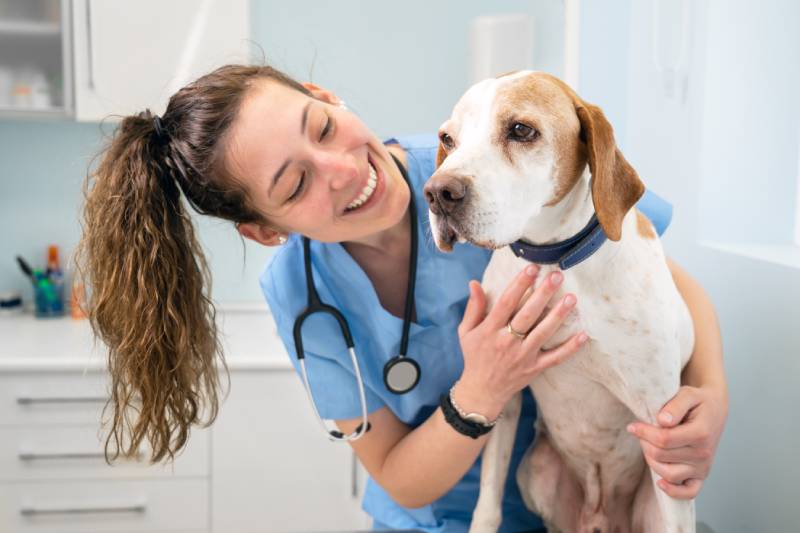
Young happy veterinary nurse smiling while playing with a dog
Image By: David Herraez Calzada, Shutterstock

Conclusion

Dog dementia can be challenging. The signs can change over time, and other conditions may arise, but there are numerous ways to improve your pet's quality of life and make their “golden years” as enjoyable as possible. Be sure to work closely with your vet to address your dog’s clinical signs and show them patience, kindness, and tons of love.

See Also: 


Featured Image Credit: Elena Shvetsova, Shutterstock

Get Hepper In Your Inbox

Pet care tips from our vets and experts, straight to your inbox.

List

Select all that apply.

You may opt-out at any time. View our Privacy Policy for more information.

Nicole Cosgrove
Authored by

Nicole Cosgrove

Join the conversation

Ask a question, share your story, or send private feedback.

Rate this post
Required to post. Only our editors see your rating.
Who should see this?

A human reviews every comment before it appears. Your email is never published.

Picked to go with this article

Living With a Dog with Dementia: Vet-Reviewed Care Guide & FAQ

Living With a Dog with Dementia: Vet-Reviewed Care Guide & FAQ

As our dogs age, we expect them to slow down, sleep more, and maybe get some gray hairs around their muzzle. It can come as a surprise to some owners that thei…

Nicole Cosgrove
By Nicole Cosgrove ·
Dog Dementia Treatment: 8 Supplements & Practices That Can Help

Dog Dementia Treatment: 8 Supplements & Practices That Can Help

Just like humans, dogs can show cognitive decline with age. Senior dogs may experience canine cognitive dysfunction (CCD), a condition similar to dementia in h…

Chris Dinesen Rogers
By Chris Dinesen Rogers ·
Are Some Dog Breeds Prone to Dementia? Vet-Reviewed Facts to Consider

Are Some Dog Breeds Prone to Dementia? Vet-Reviewed Facts to Consider

Pets are living longer than ever before. In the past four decades, dog life expectancy has doubled, and housecats live twice as long as their feral counterpart…

Nicole Cosgrove
By Nicole Cosgrove ·
Cat Dementia: Signs & Treatment Tips (Vet Answer)

Cat Dementia: Signs & Treatment Tips (Vet Answer)

As we get older, it's not just our bodies that age; our organs do too. One of the organs that undergoes this age-related change is the brain. Its deterioration…

Dr. Joanna Woodnutt
By Dr. Joanna Woodnutt ·

Keep reading

More stories you might like

When to Switch My Dog to Senior Dog Food? Vet-Approved Signs & Tips

As your dog gradually ages, you’ll start to notice a few changes, particularly ones that indicate that they are slowing down. With this new era in your dog’s l…

Kathryn Copeland
By Kathryn Copeland ·
When to Switch My Dog to Senior Dog Food? Vet-Approved Signs & Tips

What Age Do Dogs Get Arthritis? 6 Vet-Approved Signs to Look For

Arthritis is a prevailing condition in dogs that usually becomes visible from age 8.1 However, there are some dogs that show signs of arthritis from as early a…

Jeff Weishaupt
By Jeff Weishaupt ·
What Age Do Dogs Get Arthritis? 6 Vet-Approved Signs to Look For

Why Does My Dog Bark at the Wall? 5 Vet Reviewed Reasons & What to Do

If you have a dog, chances are you’ve seen them bark at a wall without reason. You might have been concerned the first time it happened, but by now, you’re pro…

Lorre Luther
By Lorre Luther ·
Why Does My Dog Bark at the Wall? 5 Vet Reviewed Reasons & What to Do

Do Dogs Have a Good Memory? Vet-Verified Facts & FAQ

It’s evident that dogs have the capability to remember some things. Take, for example, coming to you when you call their name. Or, how they get excited when yo…

Cassandra Kyser
By Cassandra Kyser ·
Do Dogs Have a Good Memory? Vet-Verified Facts & FAQ

My Dog Is Pacing at Night: Vet Reviewed Causes & Risks

Like humans, dogs are diurnal and get most of their sleep at night. But what if your dog doesn’t sleep and paces the floor incessantly? Besides keeping you awa…

Gregory Iacono
By Gregory Iacono ·
My Dog Is Pacing at Night: Vet Reviewed Causes & Risks

How to Help a Dog's Arthritis In Cold Weather (7 Vet-Approved Tips)

Any human being who is aware of what arthritis is knows how miserable it can be. Inclement weather, particularly the cold, can make arthritis flare up and be p…

Ashley Bates
By Ashley Bates ·
How to Help a Dog's Arthritis In Cold Weather (7 Vet-Approved Tips)

Do Dogs Feel Sad? Canine Emotions & Depression Explained

Dogs are exceptionally intelligent, social, and intuitive animals. Many people inappropriately attribute human emotions to their dogs, though. It can be diffic…

Brooke Billingsley
By Brooke Billingsley ·
Do Dogs Feel Sad? Canine Emotions & Depression Explained

Why Mental Stimulation Is Crucial for Dogs: 10 Vet-Reviewed Reasons

Most dog owners understand the importance of providing physical exercise for their pets, but it can be easy to forget that mental exercise is equally important…

Jordyn Alger
By Jordyn Alger ·
Why Mental Stimulation Is Crucial for Dogs: 10 Vet-Reviewed Reasons