Hepper blog

Search our database of over 9,984 posts with up-to-date information from our experts and veterinarians.

Hepper is reader-supported. When you buy via links on our site, we may earn an affiliate commission at no cost to you. Learn more.

My Cat Lost His Voice: 6 Vet-Approved Causes & Remedies

By Nicole Cosgrove · Reviewed & fact-checked by Dr. Tabitha HensonVet Approved
Dr. Tabitha Henson
Reviewed & Fact-Checked byDr. Tabitha HensonDVM (Veterinarian)
Dr. Tabitha Henson graduated from Midwestern University in 2021. She practices small and occasionally exotic animal medicine. Her clinical interests include internal medicine, dentistry and rehabilitation. She is working on becoming a certified canine rehabilitation practitioner (CCRP). In her free time she enjoys being in nature and spending time with her golden retriever.View authorThe information is current and up-to-date in accordance with the latest veterinarian research. Read about our vets
Share
Ask us a question in the comments
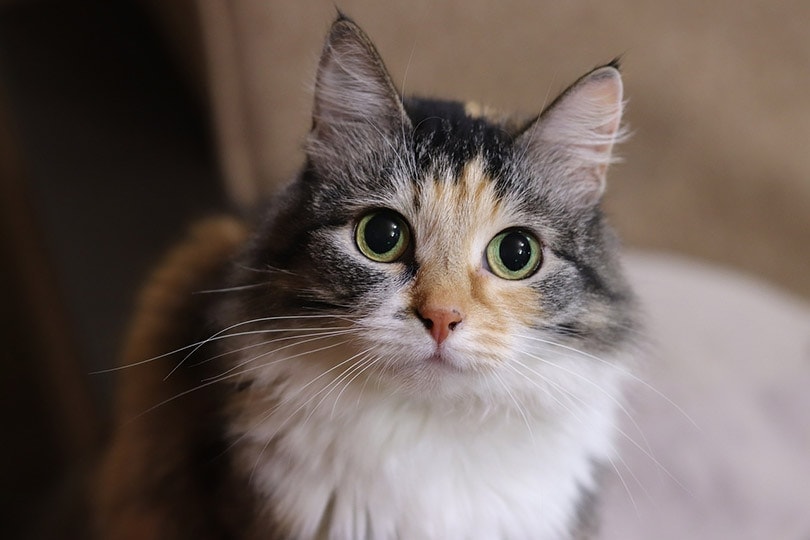
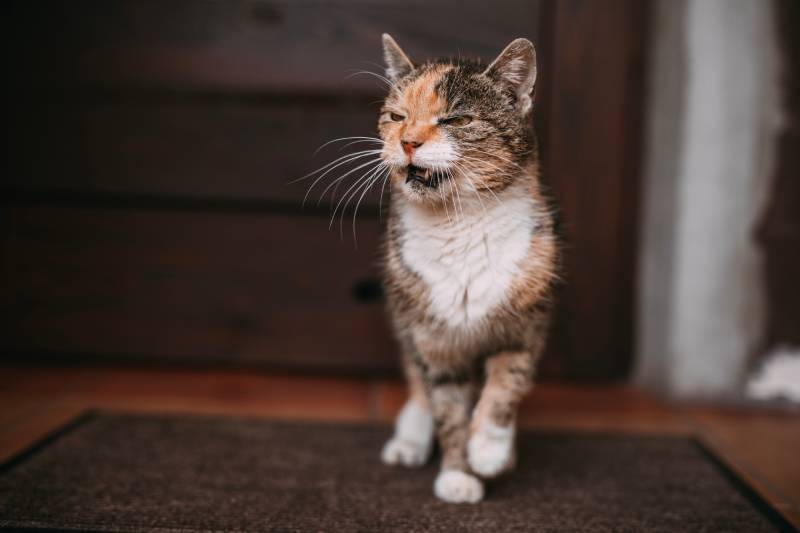
close up of calico cat

Cats can make all sorts of sounds to communicate, such as meowing, purring, and yowling. As a cat owner, it is important to be aware of how vocal your cat can be. When your cat becomes uncharacteristically quiet or has a hoarse meow, it’s important to pay close attention. It might have developed a health condition that needs examining.

Here are some causes and remedies for why your cat is not vocalizing as much as usual.

The 6 Reasons Cats Lose Their Voices

1. Overuse

Sometimes, your cat may have simply overused its voice. Similar to how humans can lose their voice from excessive use or yelling, cats can also get a hoarse voice. The best way to determine if your cat lost its voice due to overuse is if you can recall any recent occurrences of them yowling loudly.

Remedy

Time is the best remedy for overuse. Try not to encourage your cat to meow and let them have time to recover their voice. The voice should return within a couple of days. It may be a little hoarse at first, but it’ll eventually transition back to its normal sound.


2. Rabies

One of the symptoms of rabies is a hoarse voice. So, if your cat recently escaped the house or is an outdoor cat and returns with any wounds, there’s a possibility that it encountered a rabid animal. If your cat has rabies, they’ll also exhibit other symptoms:

  • Changes in usual behavior
  • Aggression
  • Drooling or foaming at the mouth
  • Muscle control loss

Remedy

If you suspect that your cat was exposed to a rabid animal, contact your veterinarian right away. If you react quickly, a booster may prevent your cat from getting infected. There’s no treatment for rabies once a cat starts exhibiting symptoms, so it’s vital to stay on top of getting your cat their annual rabies vaccines.


3. Hyperthyroidism

Older cats can develop hyperthyroidism. When the thyroid glands become overactive, they can cause your cat to have a hoarse meow. Here are other symptoms of hyperthyroidism:

  • Weight loss
  • Increased appetite
  • Increased thirst
  • Increase urination
  • Vomiting
  • Diarrhea
  • Unkempt coat

Remedy

If you suspect hyperthyroidism, schedule a visit to your veterinarian. Your veterinarian will do a physical exam and run blood tests. Treatments for hyperthyroidism include medication, radioactive iodine therapy, dietary changes, and surgery.

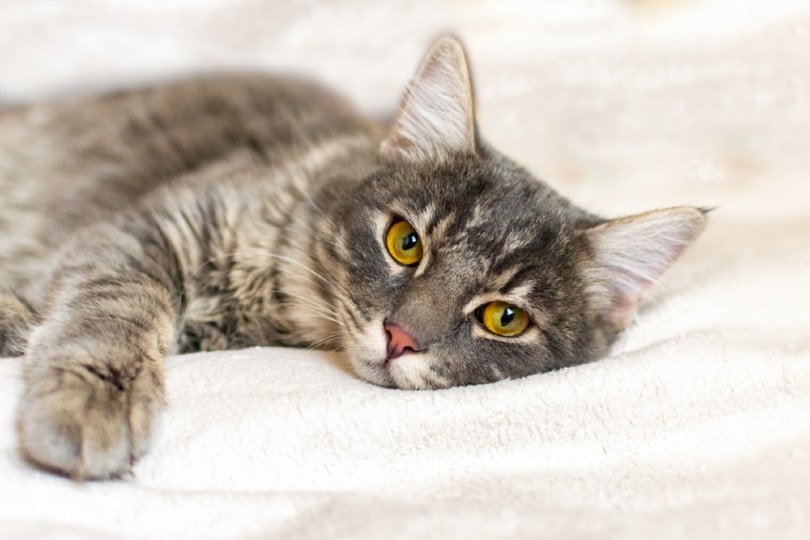
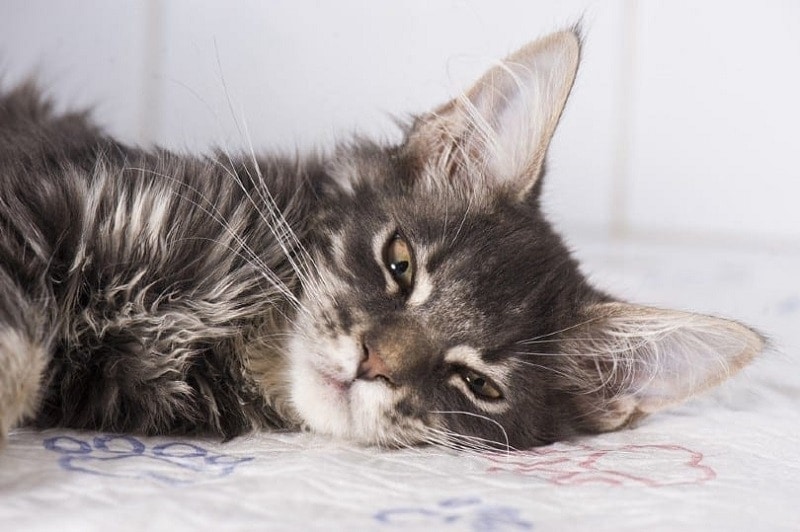
sick cat
Image by: Ro_ksy, Shutterstock

4. Laryngitis in Cats

Upper respiratory infections (URI) can often lead to laryngitis. Laryngitis in cats occurs when the larynx gets inflamed, making it painful for your cat to make a vocal sound. Along with a muted meow, cats with laryngitis can experience other symptoms:

  • Wheezing
  • Dry cough
  • Runny nose
  • Noisy breathing
  • Bad breath
  • Difficulty swallowing
  • Panting
  • Lethargy

Remedy

Your veterinarian can conduct a physical exam to determine the cause of laryngitis and treatment will depend on the cause. Sometimes your cats will receive a prescription of antibiotics or steroids.


5. Laryngeal Paralysis

Sometimes, nerve damage can occur in your cat’s larynx. Laryngeal paralysis can occur when the cartilage of the larynx doesn’t function normally while breathing. Along with losing their voice, your cat can also show these symptoms:

  • Dry cough
  • Voice change
  • Noisy breathing
  • Difficulty breathing
  • Vomiting

Remedy

Laryngeal paralysis can become very serious, so it’s important to get your cat to your veterinarian. Treatment will depend on how much the condition has progressed. Usually, the condition requires surgery, which is often very successful and leads to a good outcome.


6. Growths Near Vocal Cords

Sometimes, polyps or tumors can grow in the throat and cause cats to have a difficult time using their voices. Many symptoms that cats will show are caused by obstructions in their throats:

  • Difficulty breathing
  • Noisy breathing
  • Bluish mucous membranes
  • Difficulty swallowing
  • Difficulty ingesting food
  • Lethargy
  • Sudden collapse

Remedy

The best thing to do in this situation is to take your cat to the veterinarian. Your veterinarian will conduct blood tests and look through the cat’s medical history. MRIs and CT scans can also help detect the presence of growths in the throat.

Surgery is sometimes a possible course of treatment. However, throat cancer tends to be aggressive, so treatment will most likely revolve around maintaining a cat’s quality of life and pain management.

How to Soothe a Cat’s Throat

Laryngitis in cats can be painful for cats. Fortunately, there are some things that you can do at home to make your cat feel more comfortable. First, you can use a humidifier to increase the moisture levels in a room. The humidity will help soothe a cat’s dry and itchy throat.

You can also temporarily feed your cat wet food so that it has an easier time eating. If your cat refuses to eat, you can try warming up the food. You can also try feeding your cat chicken broth or beef broth made specifically for pets.
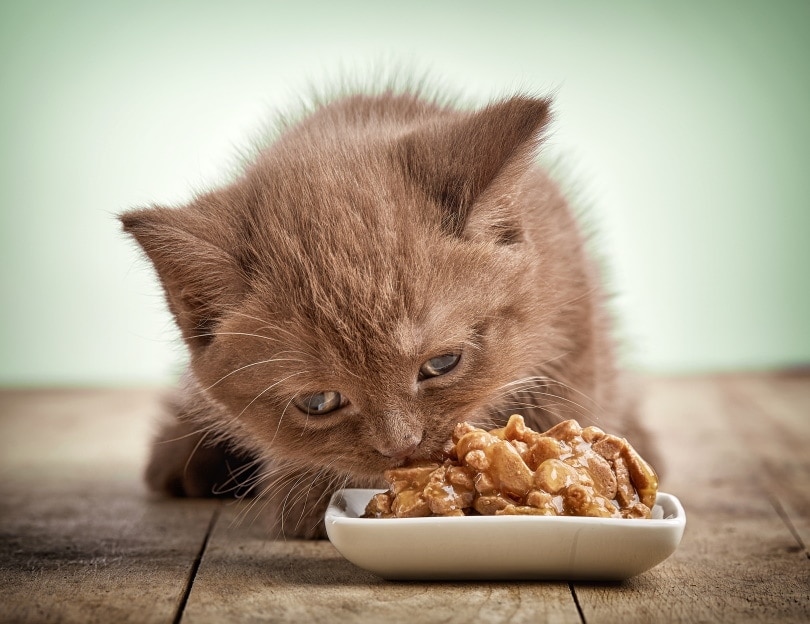
kitten eating wet cat food
Image by: MaraZe, Shutterstock

Do Cats Become Quiet When They’re Depressed?

Cats can become depressed if they experience a loss or aren’t having their needs met. However, rather than becoming quieter, they tend to become more vocal. So, if your cat’s more chatty than usual, see if they're also showing other signs of depression:

  • Decreased appetite
  • Loss of interest in playing
  • Less frequent self-grooming
  • Increased sleeping
  • Increased urination

Overall, if your cat has become quiet, it is not very likely that it is because they're depressed.

Final Thoughts

Cats can lose their voice for several reasons, and it is often because of an underlying condition. Therefore, if your cat loses its voice, make sure to closely monitor how they're doing for the next several days. If their voice slowly returns, you have nothing to worry about.

However, if you notice any additional symptoms or behavioral changes, make sure to work with your veterinarian to diagnose the cause and give helpful treatment to your cat as soon as possible.

Related Reads:


Featured Image Credit: Svetlbel, Pixabay

Get Hepper In Your Inbox

Pet care tips from our vets and experts, straight to your inbox.

List

Select all that apply.

You may opt-out at any time. View our Privacy Policy for more information.

Nicole Cosgrove
Authored by

Nicole Cosgrove

Join the conversation

Ask a question, share your story, or send private feedback.
Rate this post
Required to post. Only our editors see your rating.
Who should see this?

A human reviews every comment before it appears. Your email is never published.

Picked to go with this article

My Cat Is Quiet All of a Sudden: 6 Possible Reasons Why

My Cat Is Quiet All of a Sudden: 6 Possible Reasons Why

Changes to your cat’s behavior can be worrying, especially if your cat is generally a chatterbox and has suddenly fallen into silence. Reasons for silence can…

Kerry-Ann Kerr
By Kerry-Ann Kerr ·
My Cat’s Meow Is Weak & Raspy, Are They Alright? Vet-Approved Causes & Symptoms

My Cat’s Meow Is Weak & Raspy, Are They Alright? Vet-Approved Causes & Symptoms

Cats meow for all sorts of reasons: to indicate they’re hungry, to go outside, or for attention. If your cat’s vocalization has suddenly become weak, you might…

Lorre Luther
By Lorre Luther ·
Why Does My Cat Not Meow? 7 Vet-Verified Reasons

Why Does My Cat Not Meow? 7 Vet-Verified Reasons

Everyone is familiar with that adorable cat meow. However, cats often meow less than most people think. It's not odd for some cats to go several days without m…

Kristin Hitchcock
By Kristin Hitchcock ·
Why Do Cats Yowl? 12 Vet-Reviewed Reasons for This Behavior

Why Do Cats Yowl? 12 Vet-Reviewed Reasons for This Behavior

We’ve all experienced it. You’re sleeping peacefully only to be awoken by your cat, Princess, who has decided to sing you the song of her people at 3:30 AM (or…

Luxifa Le
By Luxifa Le ·

Keep reading

More stories you might like

Do All Cats Meow? Is It Typical? Vet-Approved Answers

Cats rely on meowing as their main form of communication—usually with humans and for kittens with their mother. Cats start meowing a few days after they are bo…

Sarah Psaradelis
By Sarah Psaradelis ·
Do All Cats Meow? Is It Typical? Vet-Approved Answers

How Does a Cat Ask for Help? 6 Vet-Reviewed Behaviors to Look For

Cats can be very vocal, but they can’t communicate with people in clear terms. That is one of the reasons that diagnosing animals can be such a challenge. They…

Grant Piper
By Grant Piper ·
How Does a Cat Ask for Help? 6 Vet-Reviewed Behaviors to Look For

Why Doesn't My Cat Meow and Only Squeaks? Feline Behavior Explained

When it comes to cat vocalizations, it’s impossible to condense them down into a simple “meow”! Cats express themselves in so many ways with their body languag…

Kit Copson
By Kit Copson ·
Why Doesn't My Cat Meow and Only Squeaks? Feline Behavior Explained

How to Stop a Cat From Meowing: 7 Vet-Approved Tips

Practically every cat meows. But some do it more than others. Many cats may only meow occasionally, like when they are hungry. Other cats may meow nearly const…

Kristin Hitchcock
By Kristin Hitchcock ·
How to Stop a Cat From Meowing: 7 Vet-Approved Tips

How to Tell if a Cat Is Sick: 10 Vet-Reviewed Signs to Watch For

Cats are stoic creatures who do not readily show their physical distress. Additionally, cats tend to isolate themselves when they feel bad, making it even more…

Genevieve Dugal
By Genevieve Dugal ·
How to Tell if a Cat Is Sick: 10 Vet-Reviewed Signs to Watch For

Can Cats Get Depressed? Vet-Verified Causes, Signs & Treatment

While cats are known for their different temperaments and personalities, most of them are active and outgoing. However, just like humans, cats can exhibit sign…

Nicole Cosgrove
By Nicole Cosgrove ·
Can Cats Get Depressed? Vet-Verified Causes, Signs & Treatment

Cat Communication 101: Cat Body Language & Meowing

Have you ever wished your cat could talk? While cats can be mysterious creatures, they have some very effective ways of communicating with humans. From those p…

Nicole Cosgrove
By Nicole Cosgrove ·
Cat Communication 101: Cat Body Language & Meowing

8 Vet-Reviewed Reasons Why Your Old Cat Is Meowing So Much: Feline Behavior Explained

As your cat ages, it’s common for you to notice behavioral changes. But if one of the behavioral changes you are noticing in an older cat is excessive meowing,…

Nicole Cosgrove
By Nicole Cosgrove ·
8 Vet-Reviewed Reasons Why Your Old Cat Is Meowing So Much: Feline Behavior Explained