Hepper is reader-supported. When you buy via links on our site, we may earn an affiliate commission at no cost to you. Learn more.
Do All Cats Meow? Is It Typical? Vet-Approved Answers


In this article
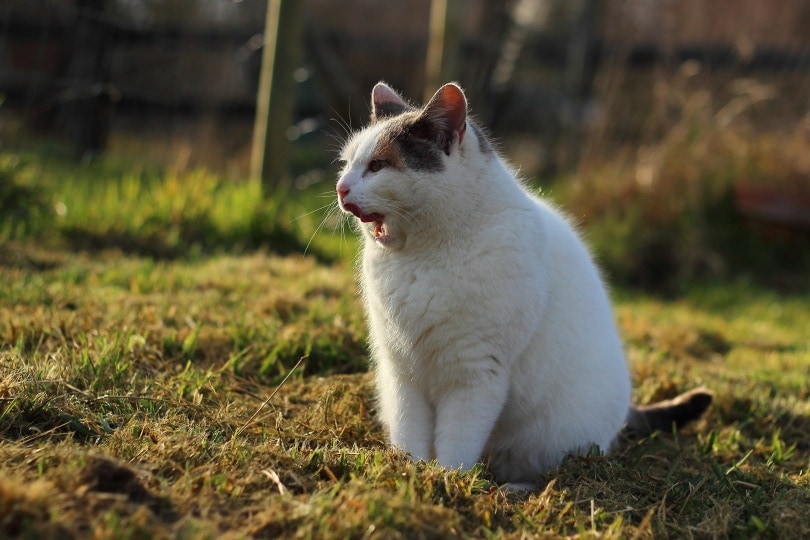
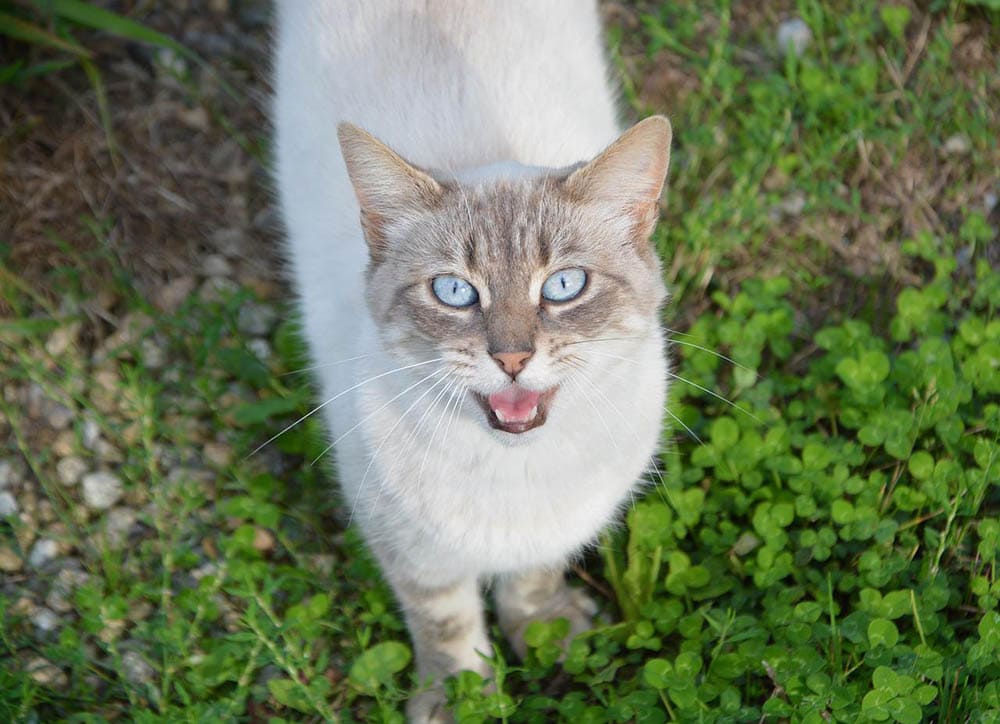
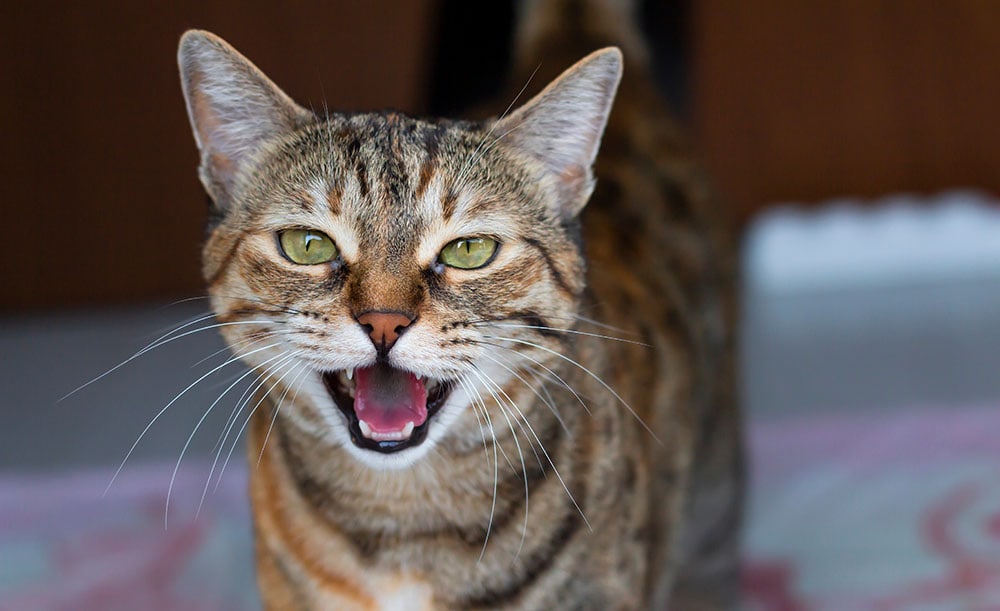
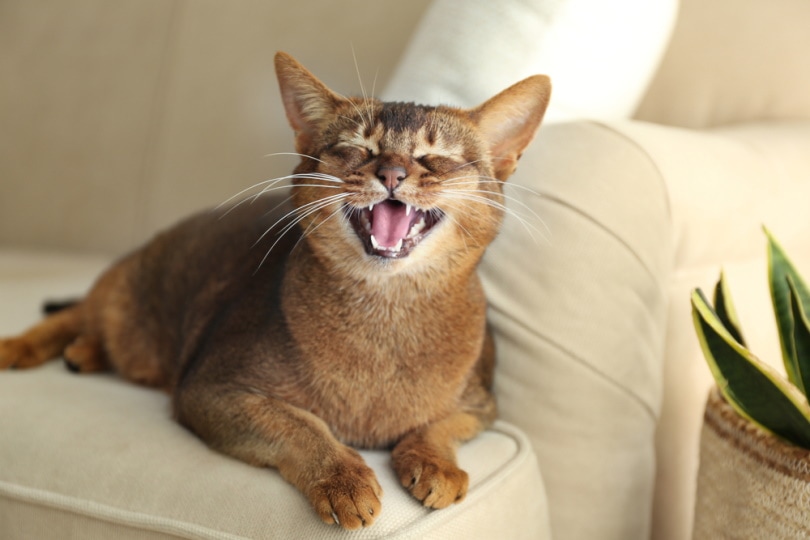
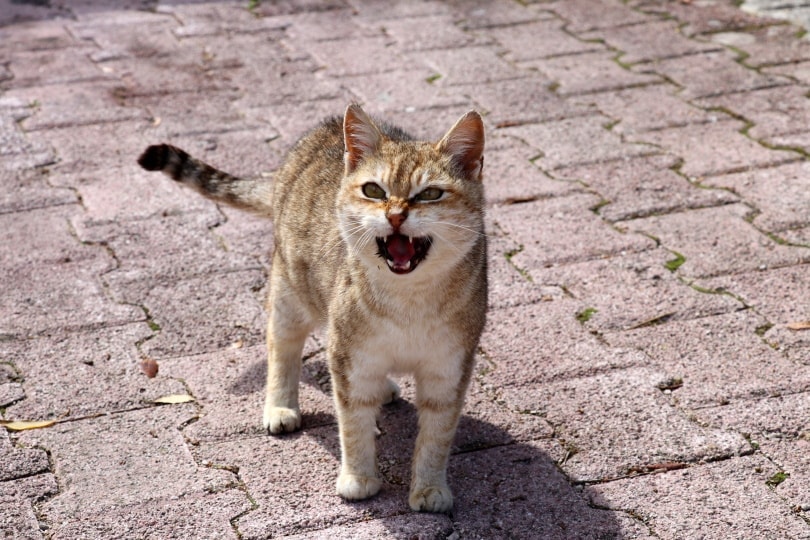
Cats rely on meowing as their main form of communication—usually with humans and for kittens with their mother. Cats start meowing a few days after they are born, and this may reduce as they reach 2 to 3 months of age when it then becomes a regular way to speak to people.
Some cat breeds meow or vocalize more than others, and some cats will rarely make any noise. Meowing is a normal behavior that cats have for communication with their human, whether it is to show they're hungry, anxious, or want your attention.

Can All Cats Meow?
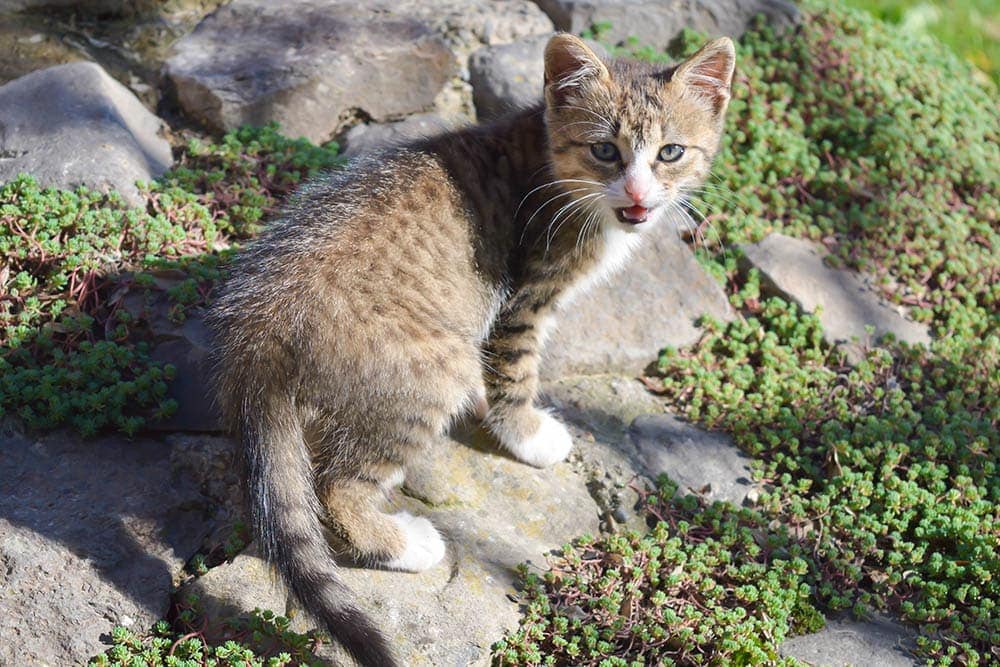
All cats can meow, but they do not all meow the same. All cats can meow from a very early age of just a few days, and their primary form of communication with their mother is by meowing.
Grown-up cats can meow for a variety of different reasons, such as:
- To greet their owners
- To express they are hungry
- Seeking attention from their owners
- Excited or interested
- Requesting to be let out or in
- Feeling stressed or anxious
- As a response to pain, illness, and discomfort
- To attract mates during the breeding season
- Confusion or disorientation
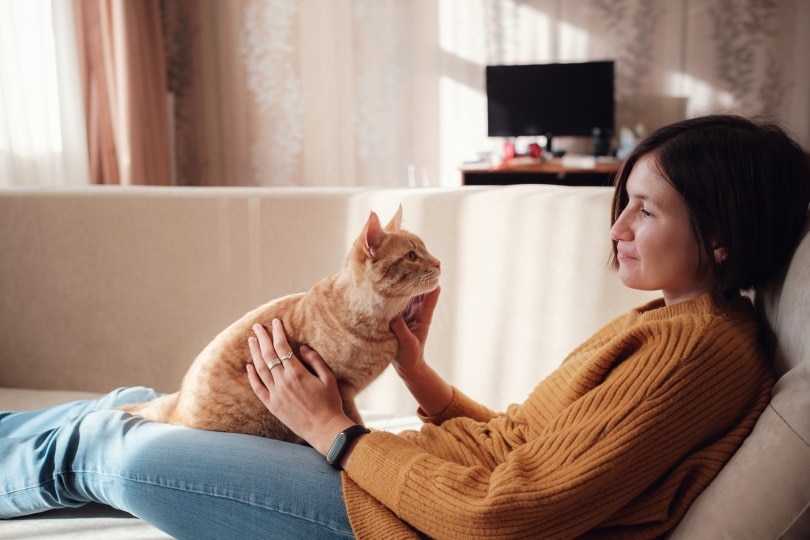
Cats can meow in many different pitches and frequencies, depending on the reason for their vocalization. A cat meowing in pain or anxiety will sound different than a cat meowing as a form of greeting or excitement. Some cats may also produce short meows to ask their owners for food or treats, especially if they have grown accustomed to being fed at a certain time once they start meowing. This is your cat’s way of asking you to give them food because their “biological clock” has picked up that it is feeding time.
Cats rarely meow at each other, and they mostly meow at humans, as they communicate with each other through body language cues, physical contact, and chemical signs, although they may also trill, growl, or hiss at each other. This doesn't make it unusual for cats to meow at each other, but it isn't their main form of communication with one another.
Cats may meow at humans because they associate it with getting something they want, such as food, attention, or help, and they have probably learned that it is the only way we understand them aside from body language and give them what they expect from us. We are rewarding their behavior of meowing by giving them our attention and everything that goes with it.
Meowing vs. Yowling
There are different types of meowing that cats use to express how they are feeling, but they are all forms of communication. Some meows are intentional, especially if they are hungry or seeking attention. However, some meows may be unintentional to show discomfort or pain. If a cat is producing loud screeching sounds that are drawn out, they are most likely yowling.
This is also common during breeding seasons when female or male cats want to attract a mate. This is also a reason why you may hear yowling in the neighborhood during the night. Yowling is common for cats who are in severe pain due to underlying illness or injury, have experienced psychological stress from a situation that scared them, or they are fighting with another cat.
Is It Normal for Cats to Meow?
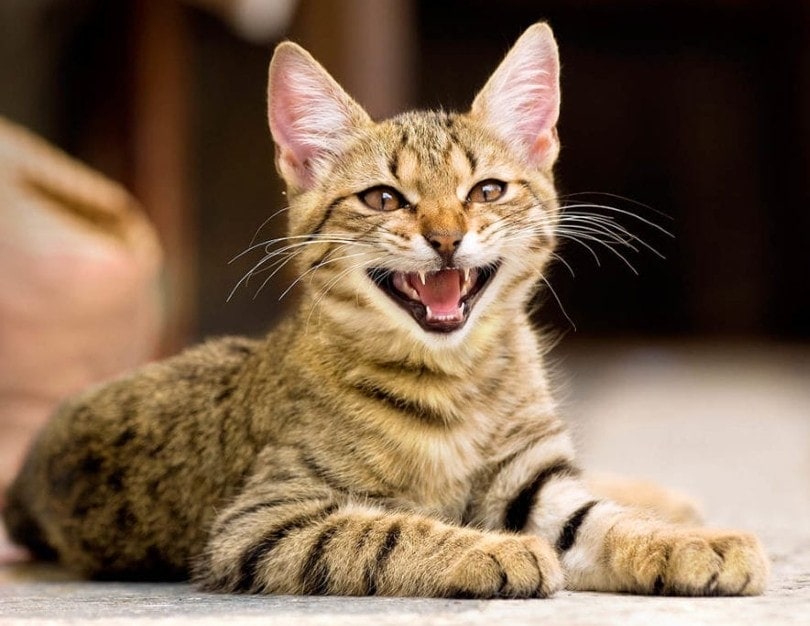
It is normal for cats to meow, but the amount of meowing they do depends on the cat itself. Some cats, such as the Birman, are known to be quieter and less vocal than oriental cat breeds, such as the Siamese. Aside from body language, chirping, and purring, cats will meow as a form of communication.
However, it can be an issue if your cat is excessively meowing and disrupting the household, or seeming like they are in pain. Excessive meowing may be a sign of an underlying health condition that is causing them pain, or perhaps a behavioral issue. Attention seeking can also cause a cat to meow excessively, because they believe it will get your attention, and that you will either pet them or feed them.
Stress can also cause a cat to meow often, especially if their environment or another pet is causing them constant distress. Their constant meowing can be an indication that something is not right. So, it is important to take your cat for a vet check-up to rule out any unusual or excessive meowing that could be a health issue.
Otherwise, it is perfectly normal for a cat to meow to express how they feel and communicate with us.
Reasons Your Cats Isn’t Meowing
If your cat is not meowing as much or has a change in their usual communication, they could have damaged vocal cords, laryngeal disorder, an upper respiratory infection, inflammation, foreign objects at the back of the throat, abscesses, polyps, or other issues. Even if a cat can't meow properly, they may still make noises that sound like they are trying to meow.
Interestingly, cats do not usually meow at other adult cats, as they mainly meow to their mother when they are still kittens as a form of communication. They will usually stop meowing to indicate they are hungry for their mother’s warmth or milk by the time they are fully weaned.
If two cats are having a disagreement, breeding, or in a fight, they will likely yowl at each other, which is a louder and more spread-out screeching sound than their typical meow.
If you are worried that your cat is not meowing or being vocal at all, or that their voice has changed, you will need to get them checked out by a veterinarian for an injury to their vocal cords, upper respiratory infection, foreign bodies, swelling, polyps and more. Even if a cat has damage to their vocal cords or another underlying illness, they may still produce a raspy sound to meow.
Once a cat has been spayed or neutered, you may notice that they meow or yowl less at night. This is because both male and female cats vocalize to attract mates—as a female will become more vocal while in heat, while males will become more vocal when they smell a female cat in heat—all of which should stop after their neutering or spaying procedure.
Conclusion
It is normal for cats to meow and be vocal to communicate with humans and sometimes with each other. Understanding the different reasons and pitches of your cat’s meows is also important to detect when they are in pain, ill, or stressed, as their meows will not sound like they usually do. It's normal for a cat to meow for various reasons, from greeting you, to expressing their pain and discomfort.
Some cats will meow more than others, but excessive meowing can also be the result of learned behavior to get your attention, or it could be somewhat dependent on their breed.
Sources
Featured Image Credit: Marvin Otto, Pixabay
Get Hepper In Your Inbox


Pet care tips from our vets and experts, straight to your inbox.
You may opt-out at any time. View our Privacy Policy for more information.
Sarah is residing in South Africa with her partner and pets. She currently is interested in veterinary science and ichthyology, which she wants to study alongside her main passion: pet content writing. Sarah has over 60 fish including goldfish, tropicals, shrimp, and snails. She also keeps hamsters and a tarantula and wishes to provide quality content for readers and allow others to learn from her knowledge and experience. Sarah has much experience in all aspects of pet care, and providing the world with knowledge on ethical pet ownership is her lifelong dream.
Join the conversation
Ask a question, share your story, or send private feedback.