Hepper is reader-supported. When you buy via links on our site, we may earn an affiliate commission at no cost to you. Learn more.
Cheetoh Cat: Facts, Care & More (With Pictures)
In this article
Breed Overview
Height:
Weight:
Lifespan:
Colors:
Suitable for:
Temperament:
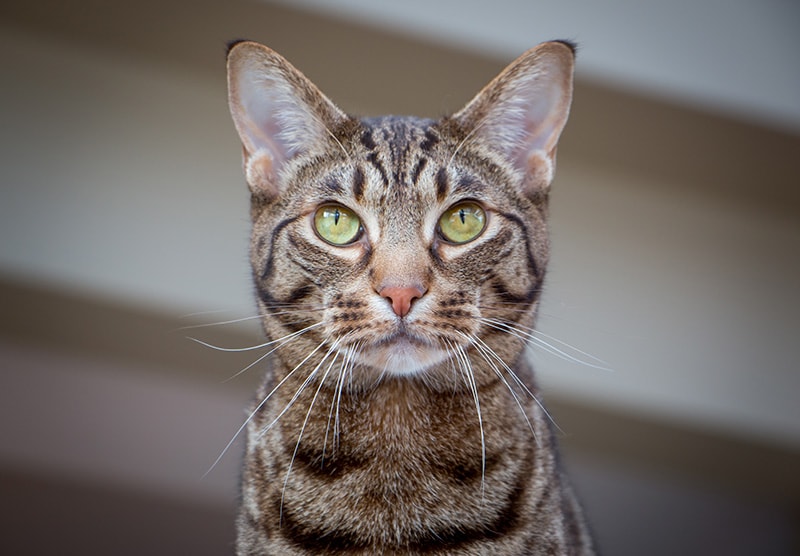
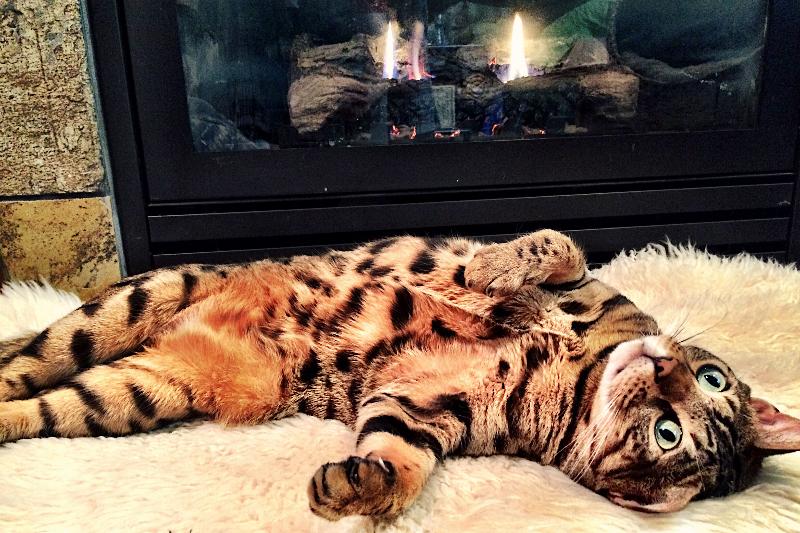
While trying to take care of a wild cat is never recommended due to the danger that they pose, domesticated cats that share their rosette-spotted coat are among the most well-loved breeds today. The Cheetoh cat was introduced in 2003 by Carol Drymon, who wanted a friendly, loyal, and fully domesticated pet with wild cat markings.
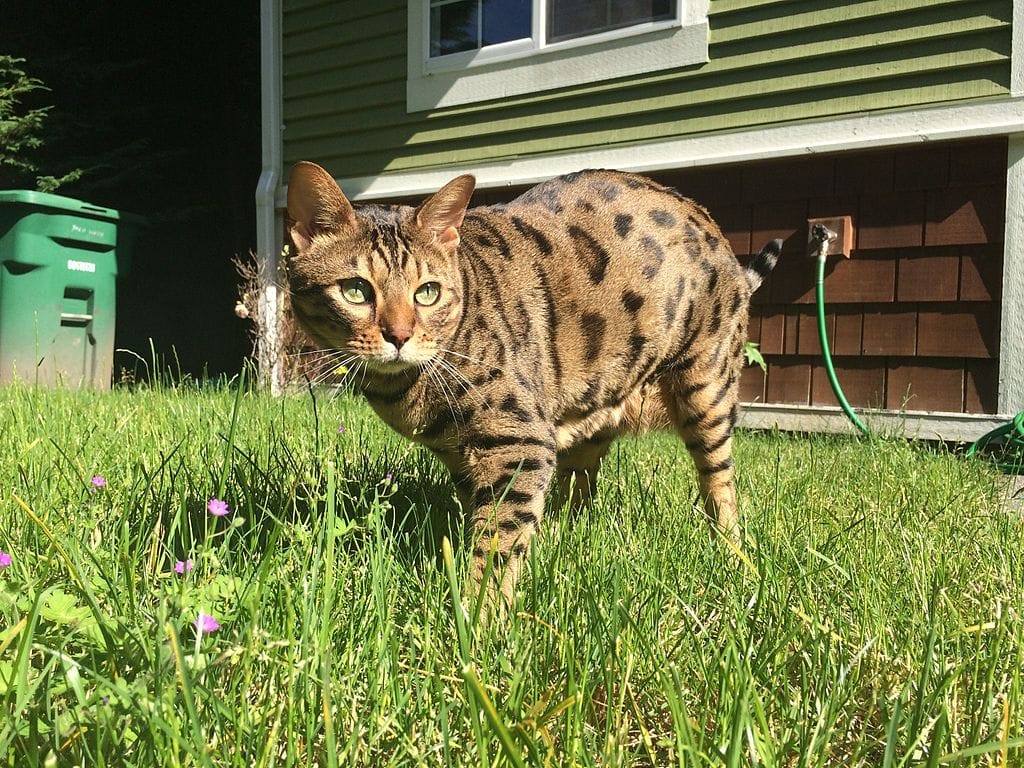
Her efforts resulted in the Cheetoh cat, a domestic breed with the appearance, but none of the danger, of a wild jungle cat. Although they’re not recognized as a pedigree breed yet, their appearance, intelligence, sociability, and lineage are quickly making them a popular breed for cat lovers around the world.
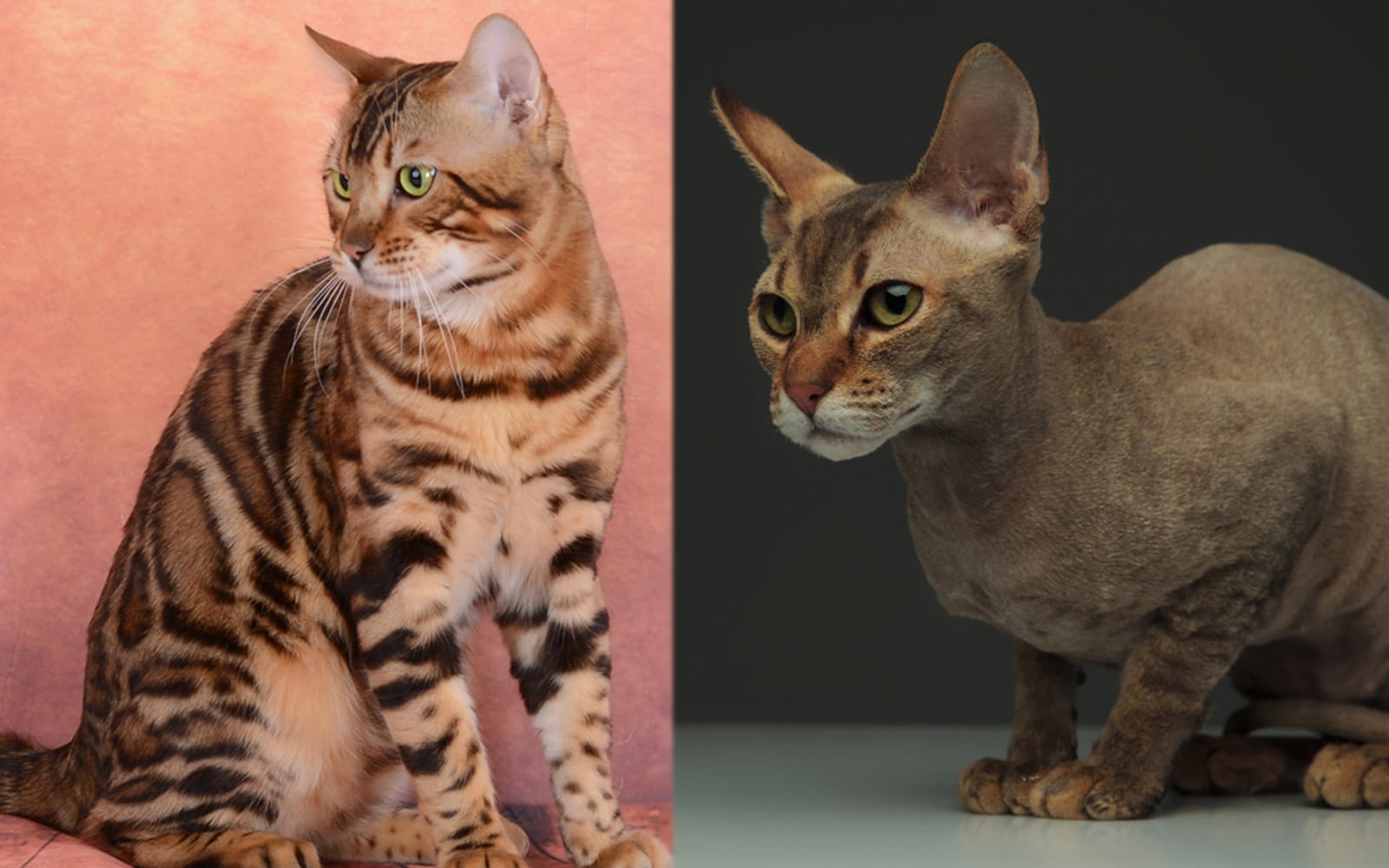
Despite their exotic appearance, the Cheetoh originated in the U.S.A. and is descended from two domestic breeds, the Bengal and the Ocicat. Their intelligence makes them keen learners with a knack for picking up tricks, and they love taking leashed walks with their owners. They're docile and sociable, and they love big families and other pets.

Cheetoh Kittens

Temperament & Intelligence of the Cheetoh Cat
Highly intelligent due to their Bengal blood and docile due to the Ocicat parent, the Cheetoh is one of the most affectionate breeds you can get. They’re also incredibly vocal, a trait they inherit from the Bengal and Ocicat.
Don’t be surprised if your Cheetoh makes a habit of waking you up to play before breakfast; they love to be active just as much as they adore their family members. They might even use their keen intelligence to get into mischief around the house, like opening the cupboard to steal snacks.
Are These Cats Good for Families? 👪
The Bengal and the Ocicat love being around people, and the Cheetoh is no different. They’ll develop strong ties with everyone in the family and are happiest when surrounded by their favorite people. They're also renowned for getting along with everyone, including children.
But make sure young kids know how to treat them to avoid injuries to themselves or the cat. Cheetoh cats can be demanding when they want attention, and due to their energy levels, the breed suits active families best. They might be too energetic for quieter and more sedate households.
Does This Breed Get Along With Other Pets?
The Cheetoh gets along with other pets, especially when they've been properly socialized as a kitten. They do well with other cats and dogs, but their energetic nature and playfulness can easily make less active animals wary of them. If you can’t afford to purchase two Cheetohs, try another high-energy, friendly breed that will be able to keep up with them.
You should also make sure the dogs you introduce to the family are used to being around cats to help ensure that both animals get along.
Things to Know When Owning a Cheetoh
Owning a cat requires more than just feeding them and leaving them to their own devices. You have to consider their diet requirements, grooming needs, training, and the health issues the breed is prone to developing. In this section, we'll cover all that you need to know about the care needs of the Cheetoh.
Food & Diet Requirements
As with all pets, the higher the quality of your Cheetoh cat’s food is, the healthier they’ll be. The Cheetoh doesn’t have any special dietary needs and will do well on wet and dry commercial food as long as it’s a healthy, nutritional, balanced, and high-quality brand.
A high-protein diet can also help support your Cheetoh’s endless energy requirements and activity levels.
Exercise 🐈
With their high energy levels, the Cheetoh benefits from plenty of activity. They’re constantly on the go and willing to play, which can be an issue if you prefer quiet evenings at home. Due to their intelligence and energy, the Cheetoh can be prone to boredom if they don’t have enough to do.
Make sure to supply your Cheetoh with enough toys and activities for independent play and for you to join in. Cat trees and scratching posts, along with seats in sunny spots near windows with views of the yard, will all give your Cheetoh plenty of things to keep their mind active.
Training 🧶
The Cheetoh is one of many breeds that is more like a dog than a cat. This includes their ability to learn tricks like coming when they’re called and playing fetch. Training your cat takes more patience and determination than it would if you were training a dog, but it is possible, especially with a Cheetoh.
Keep training sessions short, light-hearted, and fun. You also need to remember that Cheetoh cats can be incredibly sensitive. They do best with positive reinforcement and may become timid if you scold or yell at them. Use treats, playtime, and plenty of praise when you’re teaching your Cheetoh tricks.
You can also take your Cheetoh for walks around the neighborhood or through your yard if you teach them to walk on a leash.
Grooming ✂️
The shorthaired Cheetoh doesn’t need much grooming. They tend to most of their grooming needs themselves, but you can help them by brushing their coat a few times a week. It's also a good chance to bond with your cat.
Brushing your Cheetoh with a bristle brush will help spread the natural oils through their coat and remove loose fur. Since they don’t shed much and their coat doesn’t get matted often, you don’t have to groom them daily.
Health and Conditions 🏥
Overall, the Cheetoh is a healthy breed that benefits from the Bengal and the Ocicat genes. They are still a new breed, and it’s difficult to say whether the Cheetoh has any common health issues besides a few common concerns, such as heart disease, eye problems, and luxating patella.
Male vs. Female
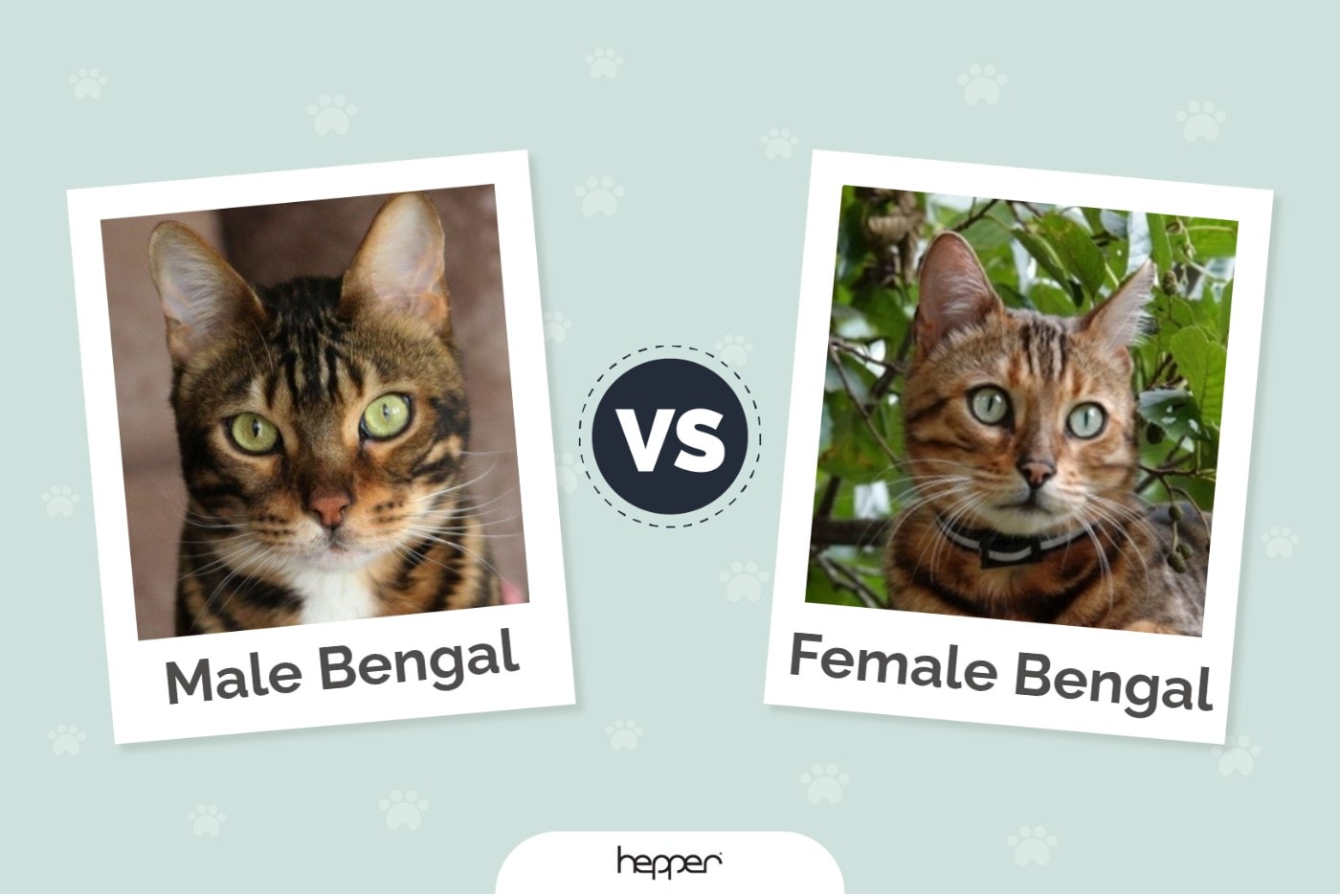
Male and female Cheetohs are surprisingly similar. Although the males are usually larger than the females, they share the same docile, friendly nature and aren’t aggressive. You’re just as likely to see a male Cheetoh taking care of and teaching kittens as a female. Spaying and neutering male and female Cheetohs can help control undesirable, hormone-driven behavior.
3 Little-Known Facts About Cheetoh Cats
Although the breed is only around 20 years old, Cheetoh cats are quickly growing in number and popularity. They also have several secrets that few people know, so here are a few facts about the breed.
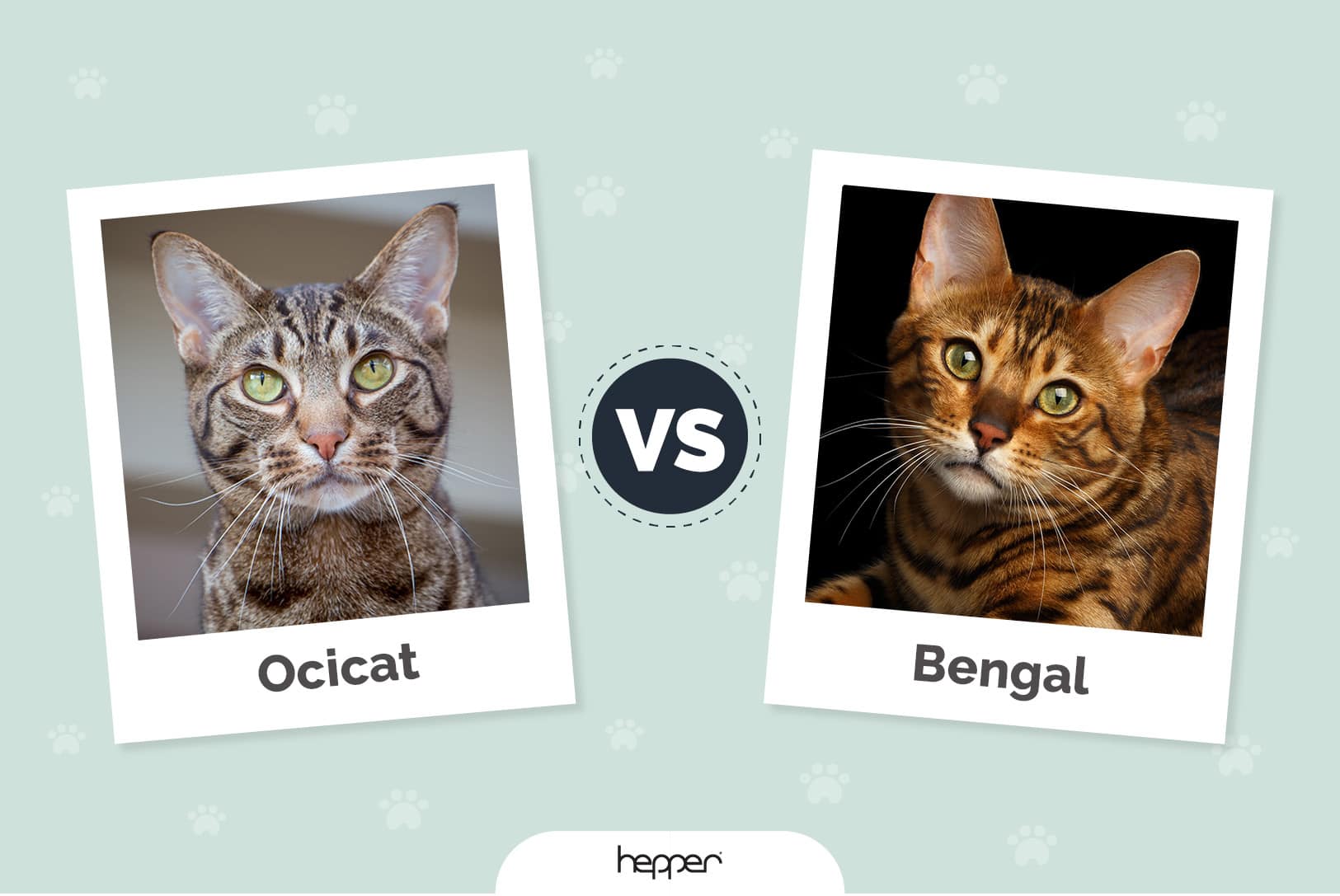
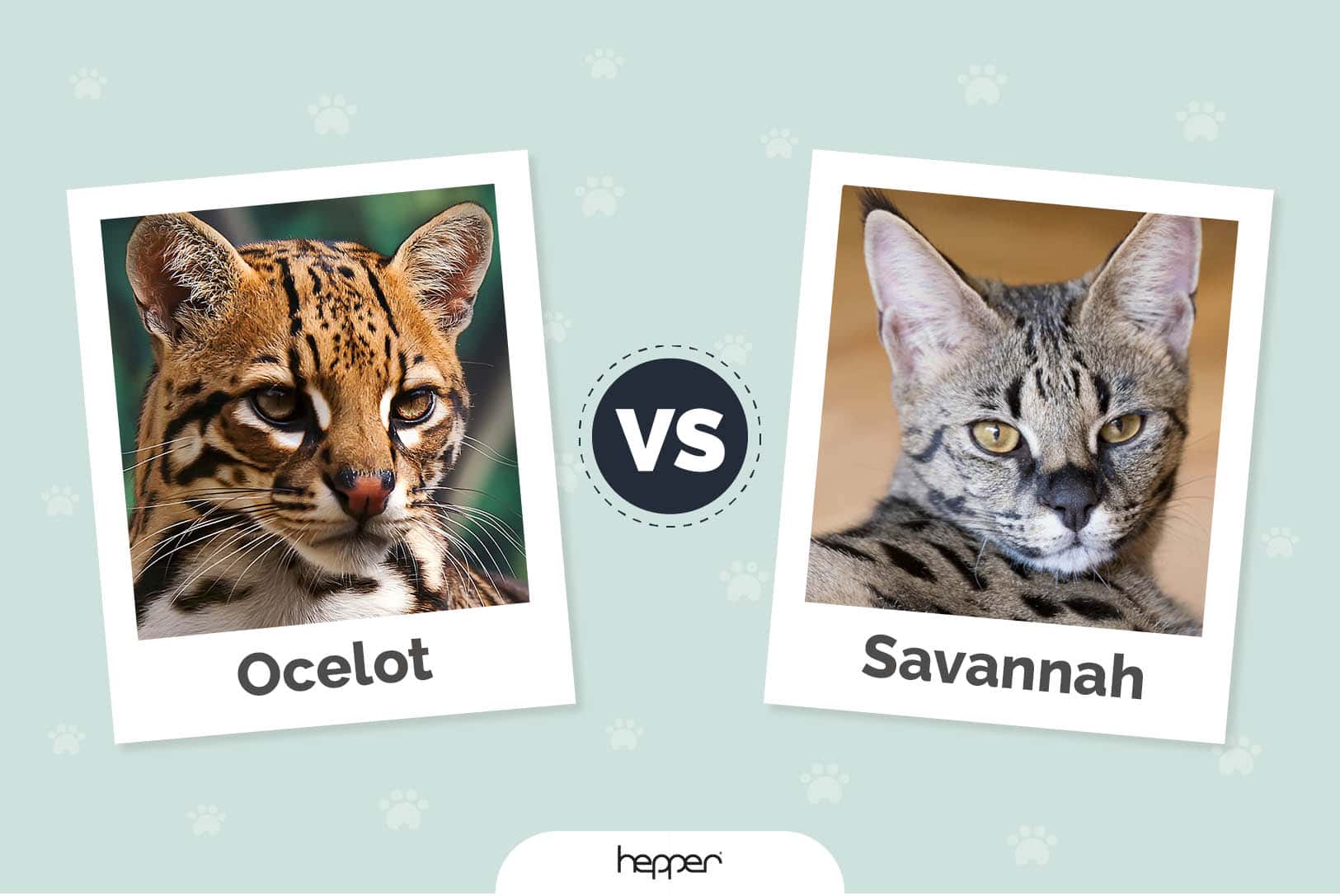
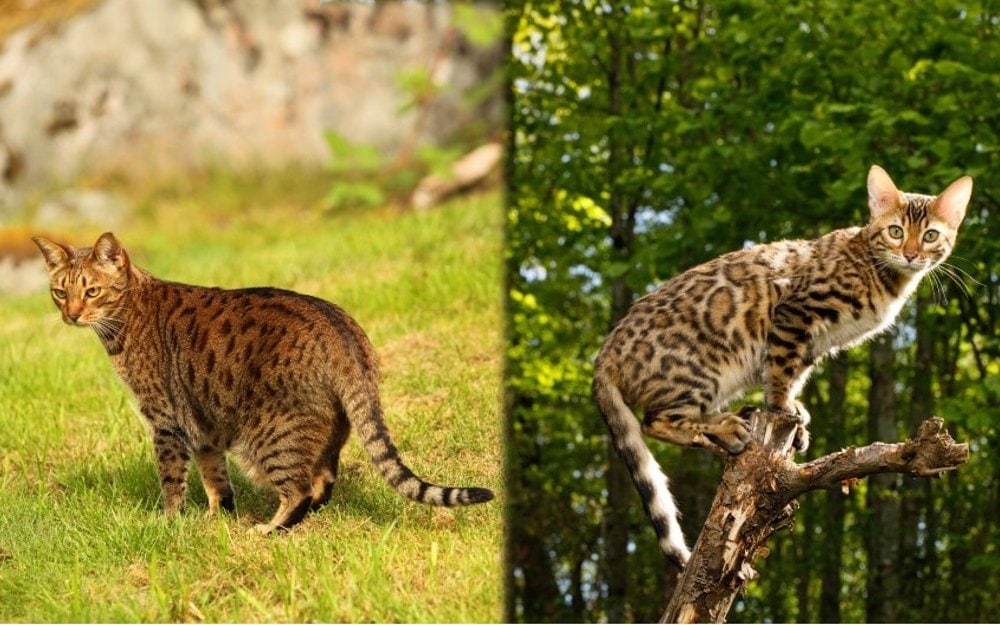
Descended from the Bengal and Ocicat, the Cheetoh has inherited many of their most loved personality traits, not to mention their exotic fur patterning.
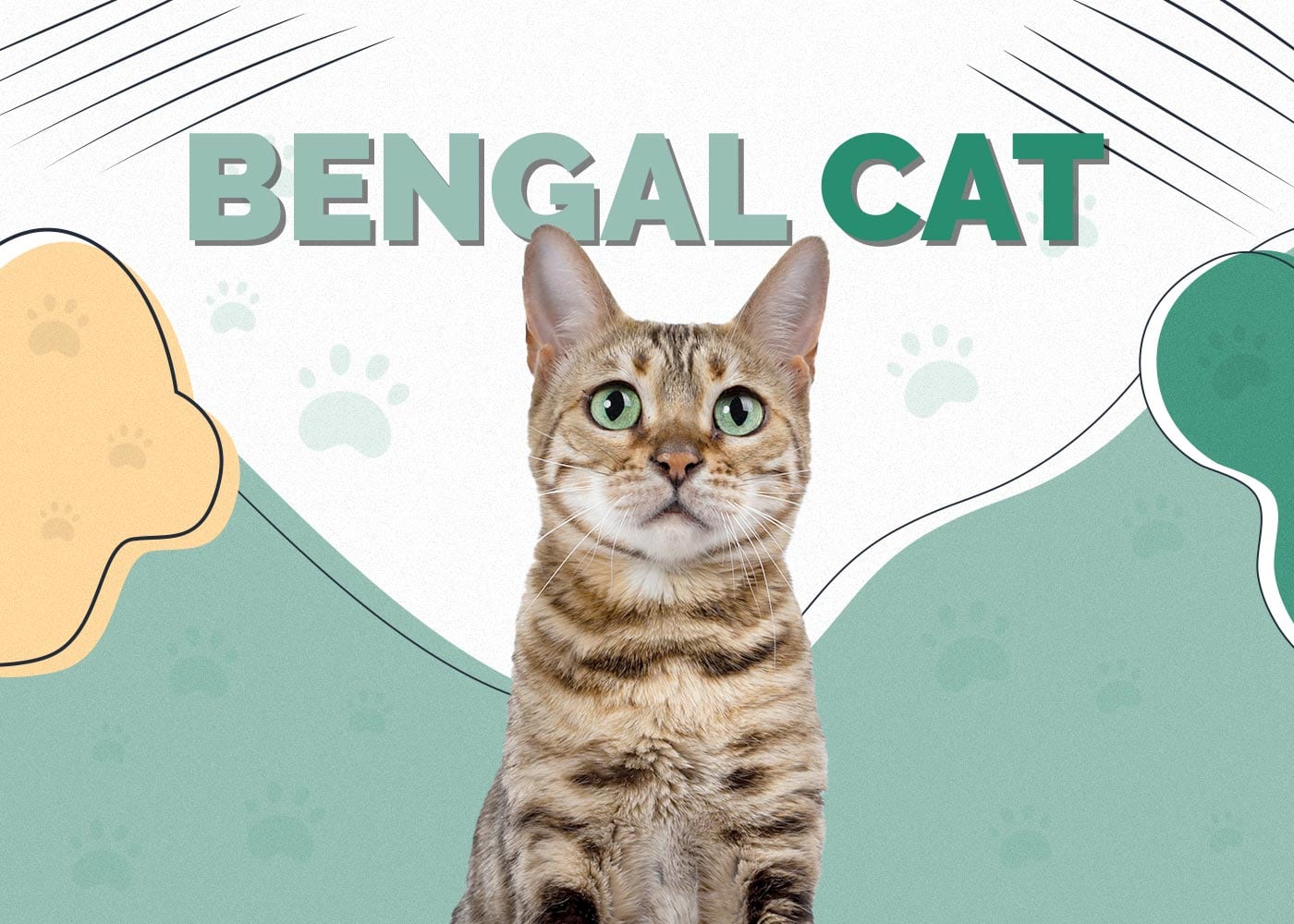
Bengal
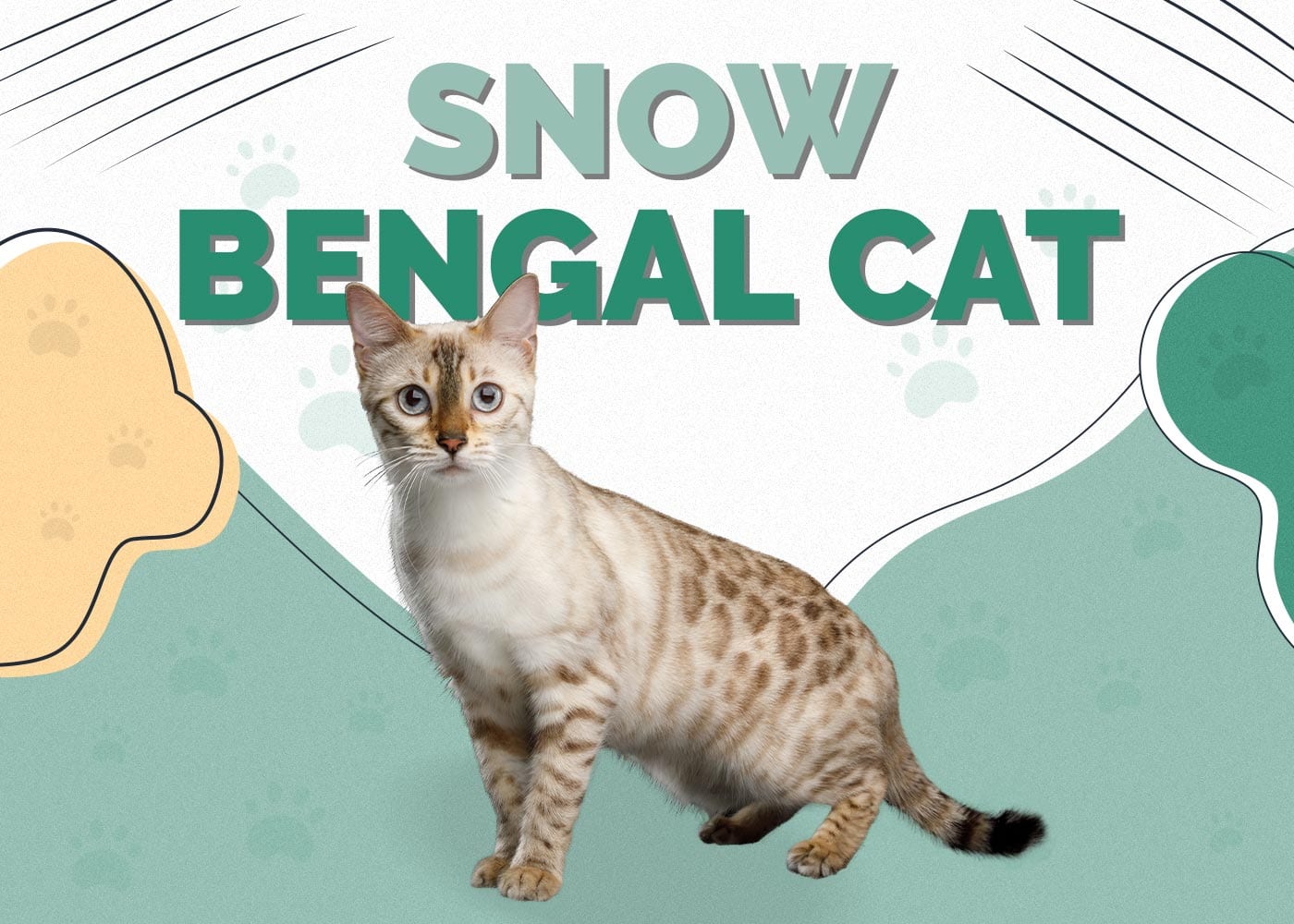
Bengals are well-known for their energy, inquisitiveness, and loyalty, and they're friendly despite their wild looks. They first started as a cross between a domestic cat and the wild Asian Leopard in 1963. Since then, the Bengals have lost their “wild” nature and are bred only from fully domesticated Bengals.
Cheetoh cats share the same energy, loyalty, curiosity, and friendliness. Their intelligence and fondness for learning tricks and walking on a leash also come from their Bengal ancestors.
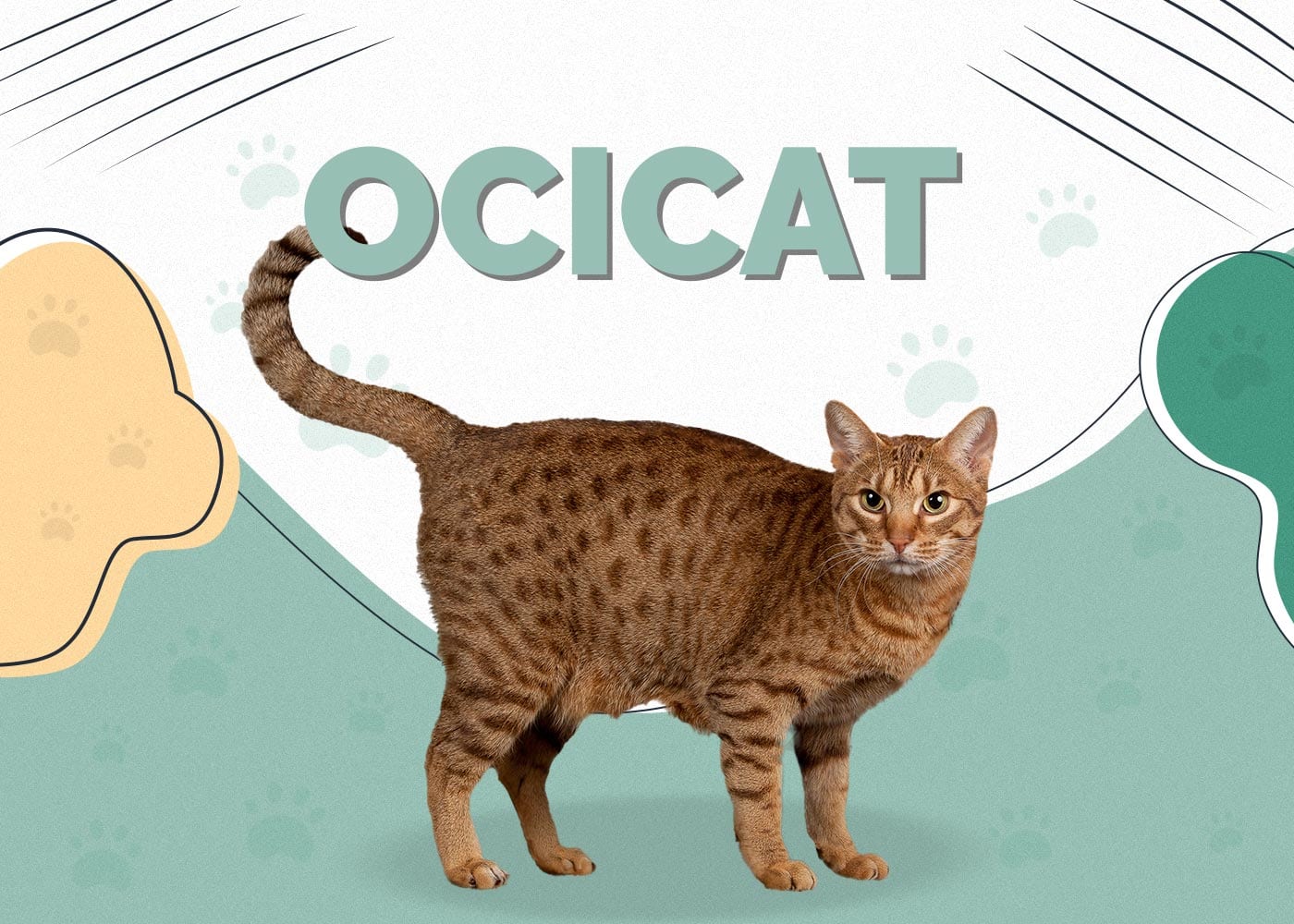
Ocicat
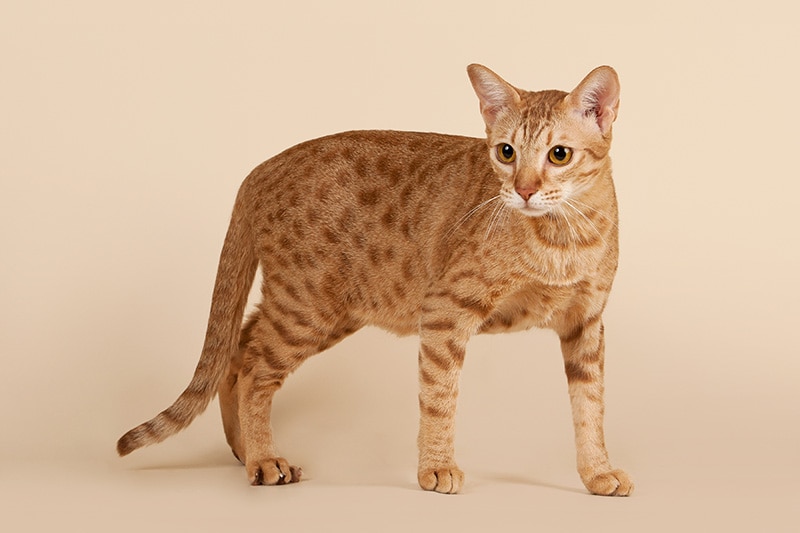
Unlike the Bengal and their Cheetoh descendants, the Ocicat was originally an unexpected result of a match between a Siamese and an Abyssinian. The kitten, Tonga, had a spotted, wildcat-like coat. While the Ocicat's appearance makes it seem like they were descended from wild cats, the Ocicat is one of the few breeds that is 100% domestic.
They’re docile, respond well to praise, and love to be around people and other pets. The Cheetoh shares the same gregarious personality and dislikes being alone.
2. They’re Considered an Experimental Breed
The Cheetoh isn’t considered an official pedigree breed by many organizations, but they were recognized by the United Feline Organization and The International Cat Association. However, you won't find them in any official cat breed registries. The Cheetoh is still considered experimental due to how new the breed is.
Since the breed was introduced in 2003, they’ve been under development by trusted breeders and will likely soon have a pedigree standard of their own.
3. They’re Often Bigger Than Their Parent Breeds
Unlike many other hybrids, the Cheetoh is generally larger than the parents. Both the Bengal and the Ocicat are smaller than the Cheetoh.
Final Thoughts
As a mix of the Bengal and the Ocicat, the Cheetoh is a growing favorite in the cat world. They’re friendly and unique, with a loving personality that endears them to all sorts of families. While they might resemble miniature versions of terrifying jungle cats, Cheetohs are descended from fully domesticated breeds.
They’re docile, loyal, and hate being alone, so they will do well in big families, around children, and with other pets, including dogs. The breed can also get into a great deal of mischief due to their energy levels and needs a family that can keep up with their playful nature.
If you want a cat that joins you on adventures, plays fetch, and sports an exotic-looking coat, the Cheetoh might be the perfect companion.
Sources
Featured Image Credit: Cheetoh Cat Stomach Markings (Image Credit: ChrisRue, Wikimedia Commons CC BY-SA 4.0 International)
Get Hepper In Your Inbox


Pet care tips from our vets and experts, straight to your inbox.
You may opt-out at any time. View our Privacy Policy for more information.

Nicole is a lover of animals of all sizes but is especially fascinated with the feline variety. She’s the proud mom of Baby, a Burmese, and works every day so he can relax in the sunshine or by the fire. She’s always had a cat in her home and has spent countless days with others, observing behaviors and softening up even the grouchiest of the lot. Nicole wants to share her kitty expertise with you so you and your cat can live happy, healthy, and care-free.
Join the conversation
Ask a question, share your story, or send private feedback.