Hepper is reader-supported. When you buy via links on our site, we may earn an affiliate commission at no cost to you. Learn more.
11 Interesting & Fun Ocicat Facts

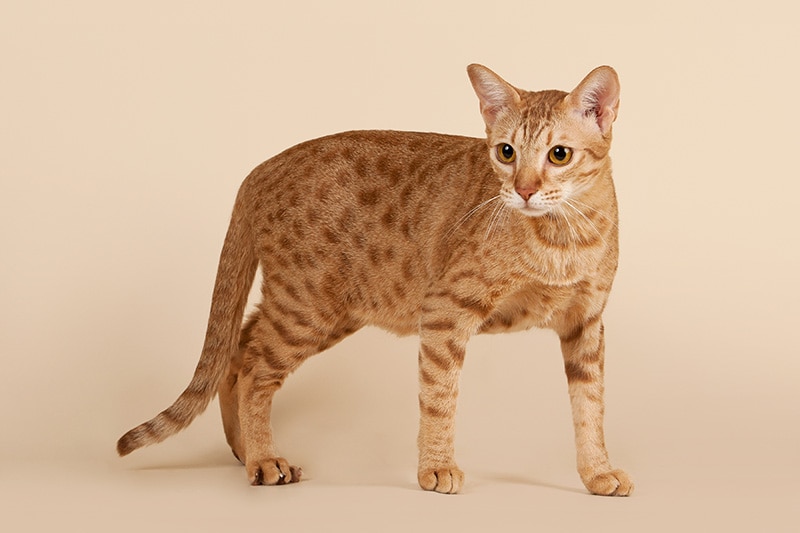
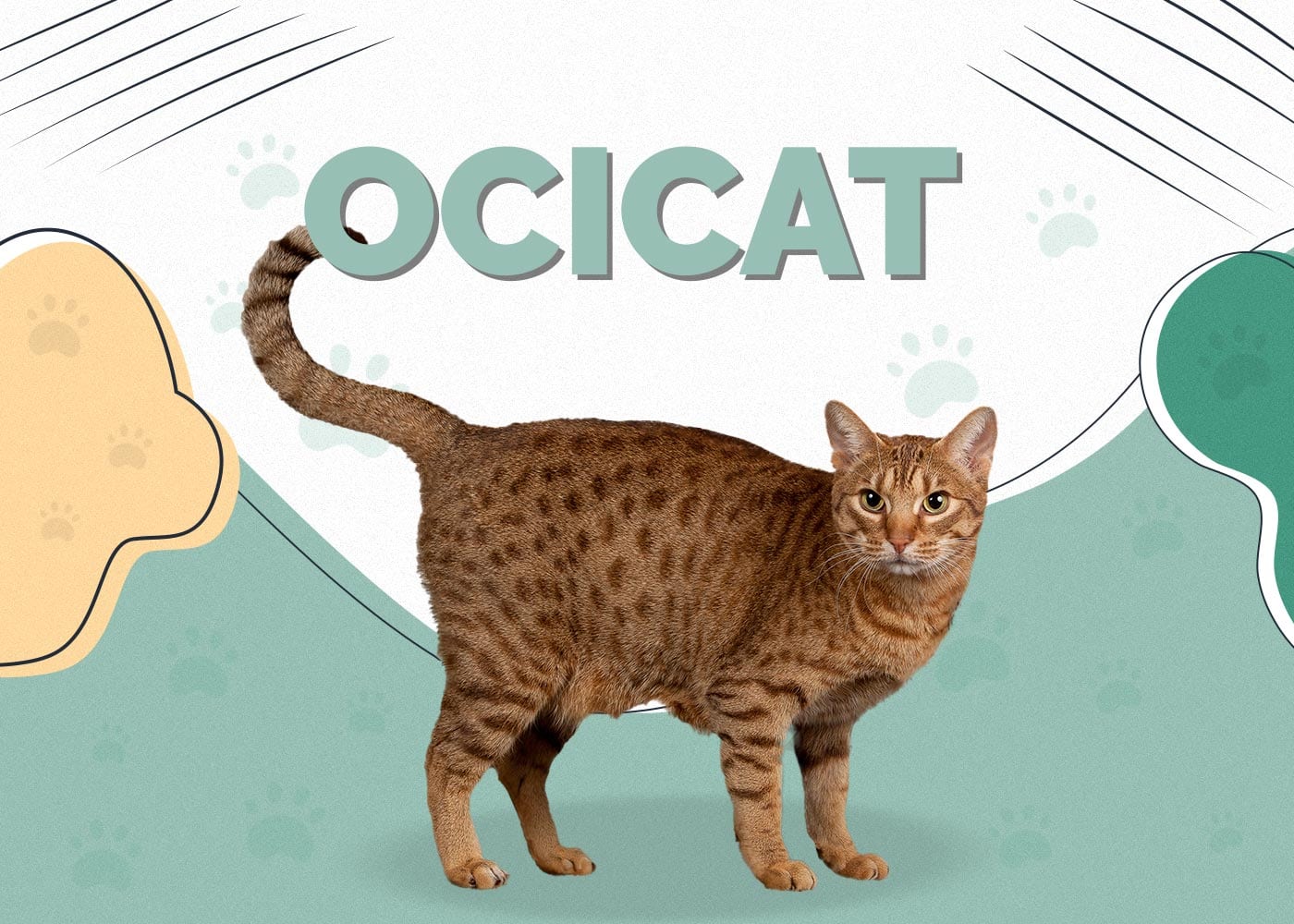
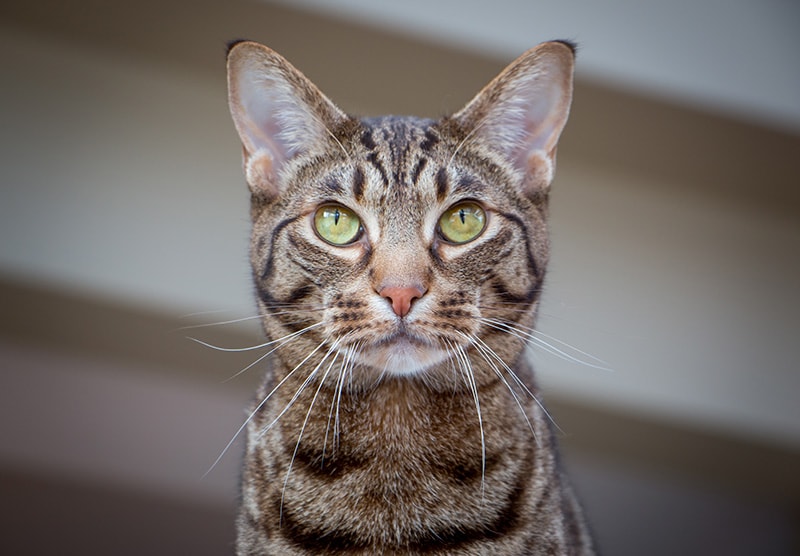
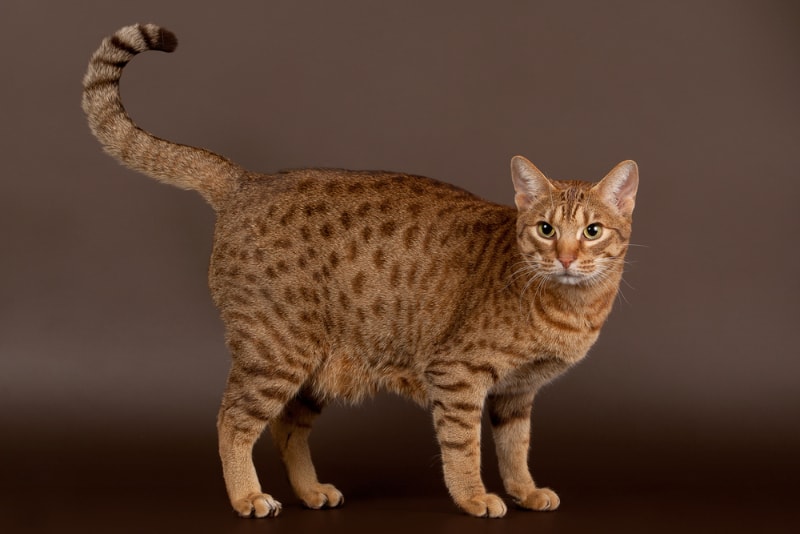
Ocicats are a type of cat that immediately attracts attention. They have a unique look that resembles an Ocelot. But there is a lot more to the Ocicat than first meets the eye. From the history and the origins to the behavior and physical characteristics, there is a lot to learn and a lot to love about the Ocicat. Ocicats have a unique appearance and a unique background that make them different from other pet cats.
Here are 11 interesting facts about the Ocicat that everyone should know.

Ocicat Overview
Height:
Weight:
Lifespan:
Color:
Breed Group:
The 11 Interesting Facts About Ocicats
1. The Ocicat Is Not a Wild Cat
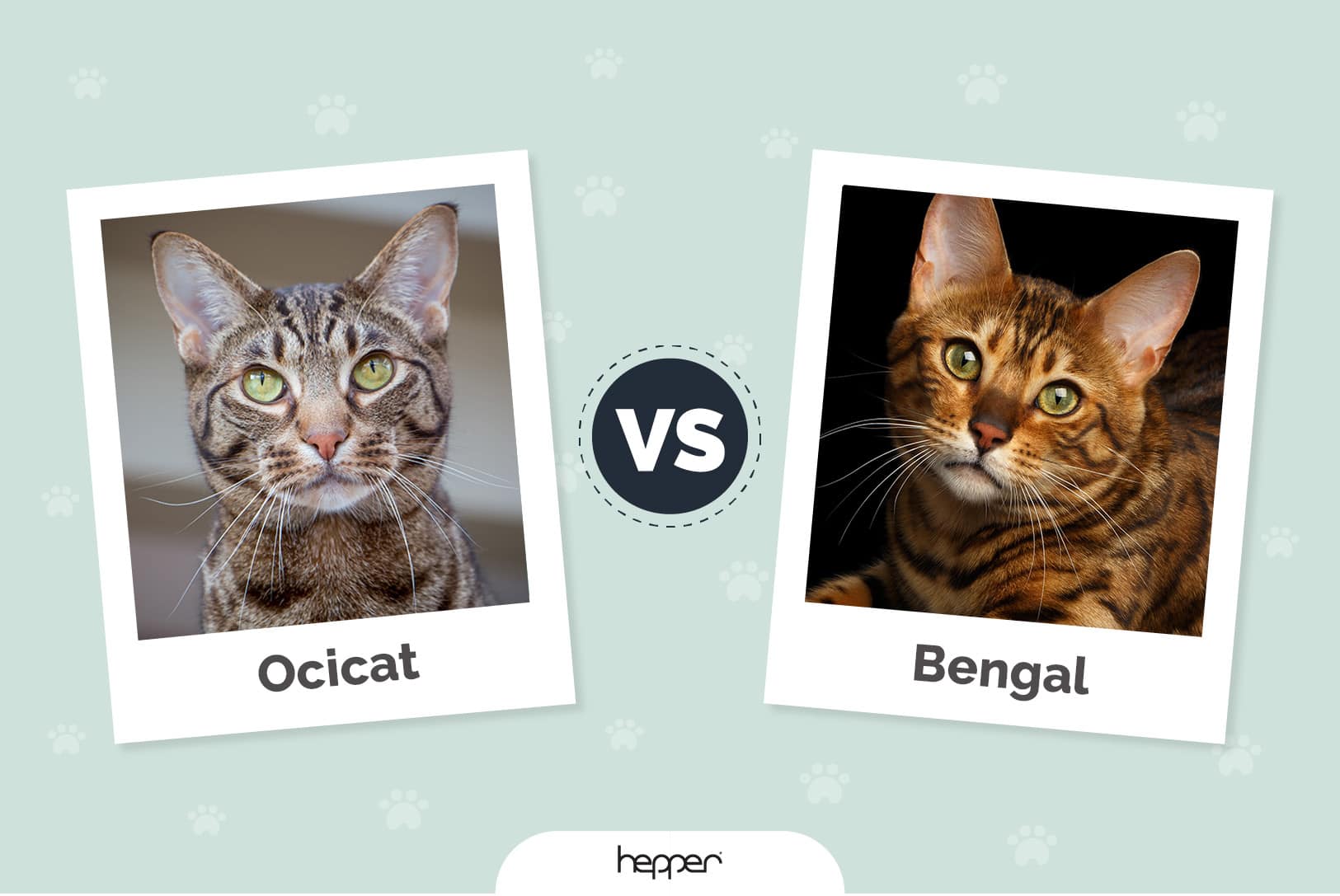
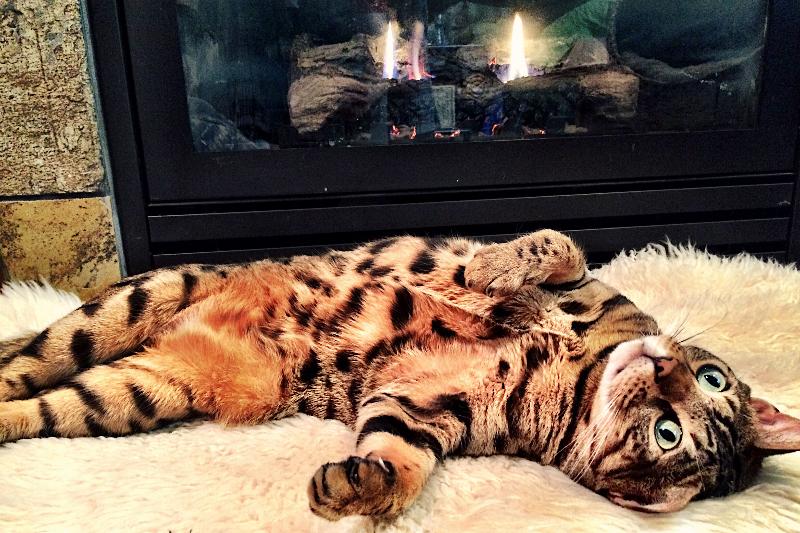
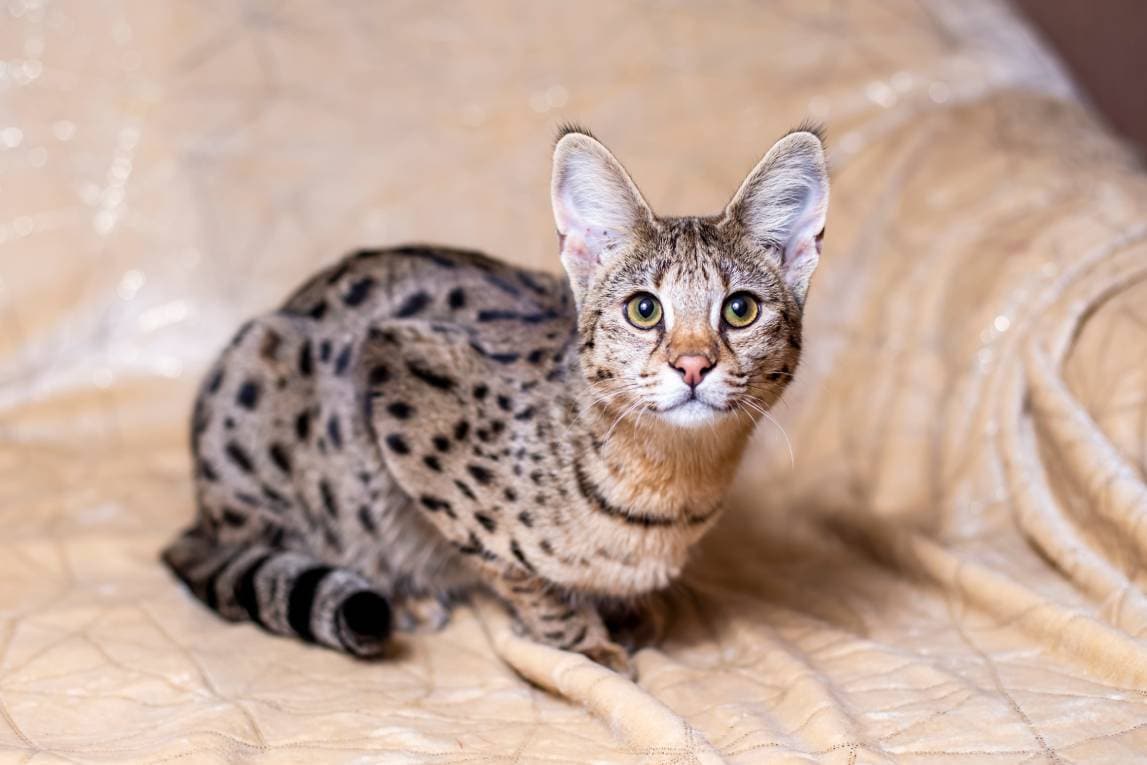
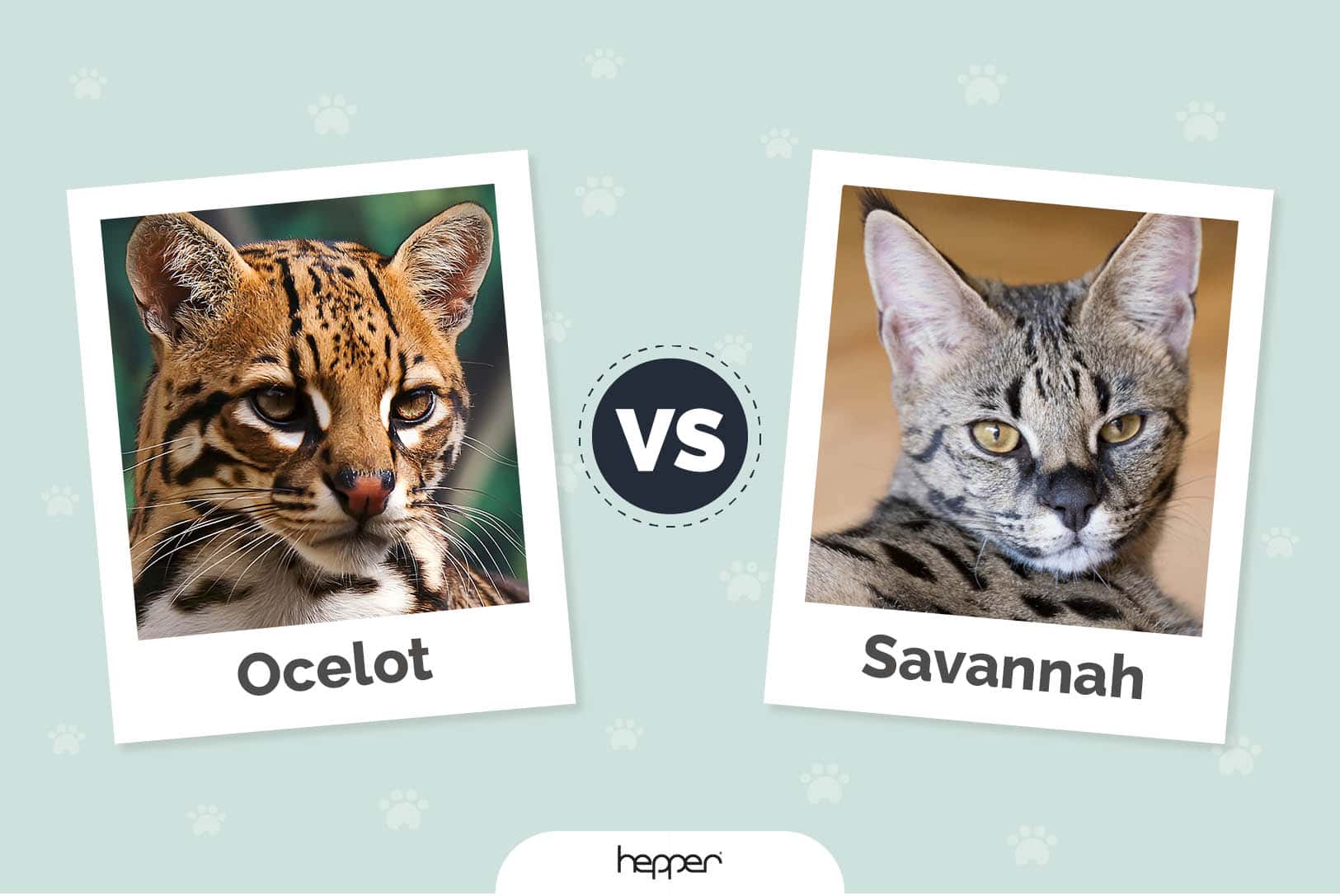
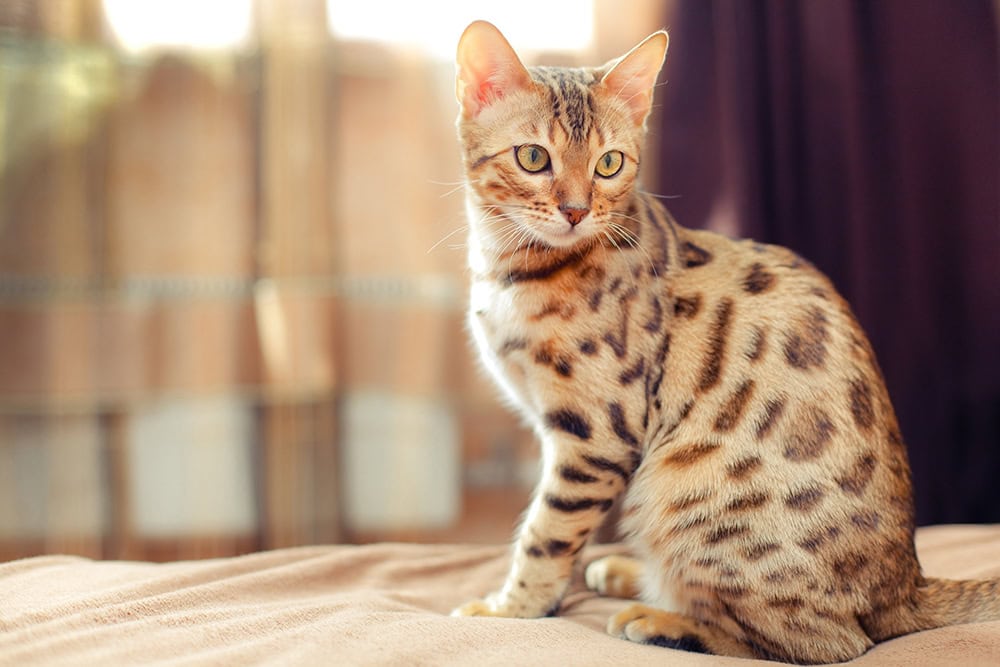
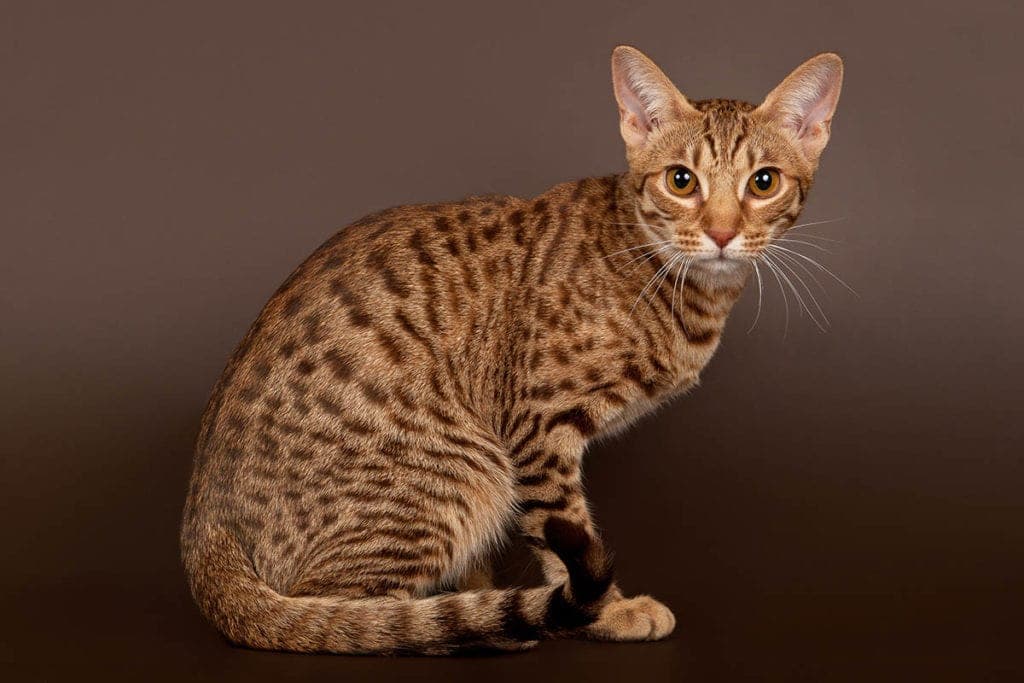
The Ocicat was named after the ocelot, a type of small wild cat, due to its size and appearance. But despite its name and appearance, the Ocicat is not a wild cat. In fact, the Ocicat has no wild cat lineage at all. The genetics of the Ocicat are completely domestic. Other cats, like the Bengal Cat, have some wild cat genetics and parents, but that is not the case for the Ocicat. This can be confusing, and many people buy Ocicats thinking that they are some sort of wild pet, especially because the Ocicat also acts like a wild cat with its high energy levels and hunting instincts.
2. The Ocicat Was First Bred in 1964
The Ocicat was created by Virginia Daly in 1964. That means the Ocicat is a relatively new breed of cat. Other cats can trace their lineages back decades or even centuries. The Ocicat is a relative newcomer to the stage. It took many years and a lot of good publicity to garner the recognition that the Ocicat has today. The Ocicat did not gain official recognition until 1987. Once that happened, breeders began popping up, and the cat gained fame around the world. It took over 20 years for the Ocicat to gain traction.
3. The First Ocicat Was Named Tonga
The very first Ocicat was named Tonga. The first unique kitten of this new breed was named by Virginia Daly’s daughter. At the time, no one expected little Tonga to be the progenitor of a whole new line of cats. Today, Tonga is recognized as the first cat in the Ocicat line and was the foundation of a whole new breed of cats. The name is both cute and speaks to the exotic look of the original Ocicat kittens.
4. The Ocicat Is a Mixture of Two Common Breeds
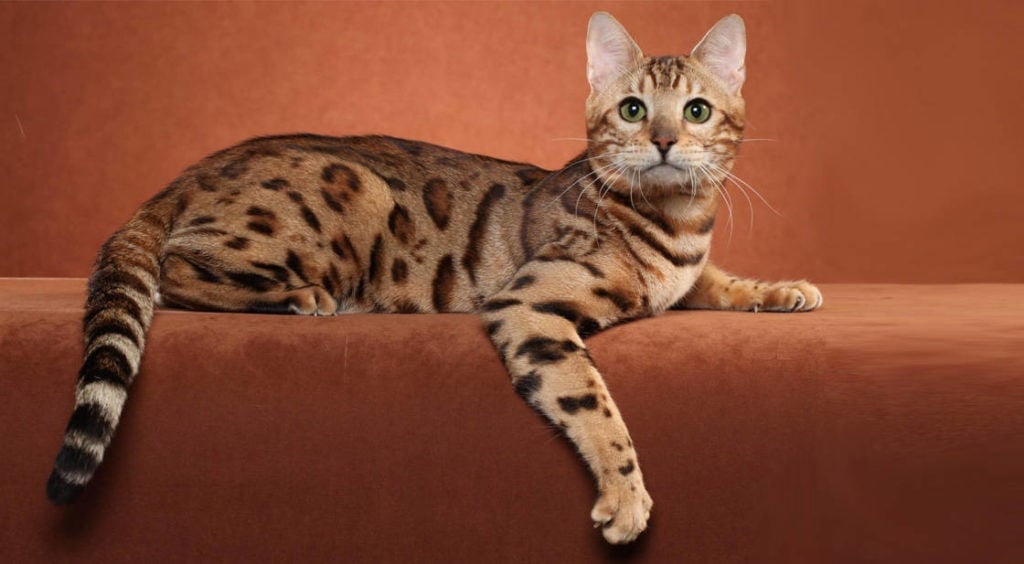
The Ocicat is a hybrid breed created from mixing standard Siamese and Abyssinian cats. Somehow, this mixture produced the distinctive spotted tabby phenotype that the cat is prized for. This mixture is very common, but the genetic mashup created the spotted look that makes the Ocicat look like the ocelot. The existence of the Ocicat has actually been described as a happy accident. Normally, if you breed two standard domestic cats, you don’t get anything as unique or exciting as the Ocicat.
Later, breeders began adding American Shorthair cats into the lineage in order to give the Ocicat more colors and a larger body. Today, most Ocicats contain Siamese, Abyssinian, and American Shorthair genes.
5. The Ocicat Began in Michigan
Despite the exotic name and exotic look, the Ocicat actually started in the United States. The breeder who created the Ocicat, Virginia Daly, was in Berkley, Michigan, a suburb of Detroit, when the first litters were born. There is nothing tropical or exotic about the Ocicat. In fact, without the unique appearance of the coat, the Ocicat would not be any different from the dozens of cat breeds that hail from places like Scotland, England, and the United States.

6. Ocicats Can Be Large
Many domestic cats are small and petite, but Ocicats can be quite large. These cats are stout and muscular. They have a solid build and can weigh over 15 pounds. The males tend to be larger than the females. Ocicats can stand nearly a foot tall, which is a couple of inches taller than popular cats like the Siamese. These cats look powerful, and they will visibly look bigger than most domesticated cat breeds.
7. Ocicats Can Live a Long Time
Since Ocicats are a hybrid breed of other popular domesticated cats, they are very healthy. Hybrid or mixed breeds tend to have fewer issues than purebreds. This means that Ocicats can live for a long time. A healthy and well cared for Ocicat can easily live over 15 years, and some of the oldest will approach 20 years of age. That means that getting an Ocicat is a sizable time investment. If you get a young Ocicat, you will likely have them as a part of your life for a decade or more.
8. Ocicats Will Eat a Lot
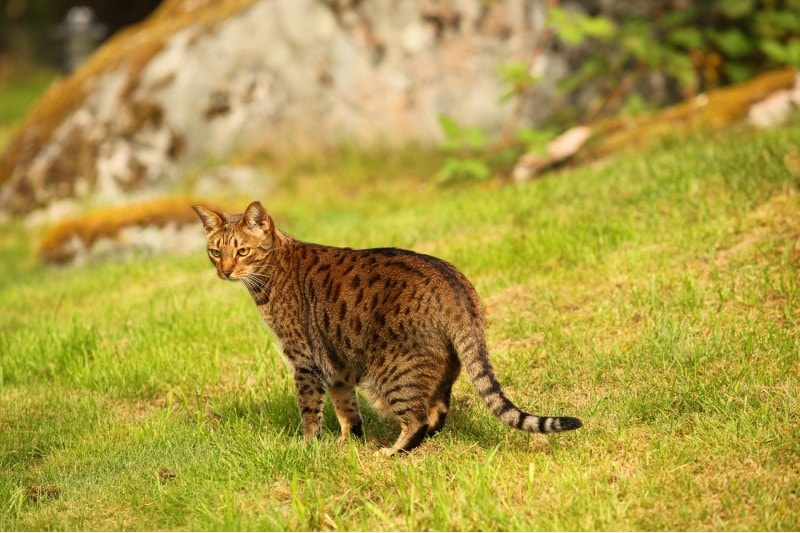
Ocicats will eat a decent amount of food. These cats are very active, and they have hearty appetites. Ocicats will need to be fed two to three times per day. Many owners opt to free-feed their Ocicats. (Free feeding is when you leave your cat’s daily amount of food out at all times. Some cats cannot control themselves and will overeat when they have access to a large amount of food at one time.) Ocicats will eat ½ to ¾ of a pound of food per day, which is a substantial amount for a domesticated cat. Smaller Ocicats will need less food than the largest examples of the breed. However, if you get an Ocicat, be prepared to feed them a good amount on a daily basis.
9. Ocicats Do Not Like Being Scolded
Ocicats are strong-willed, and they do not like being scolded or reprimanded. This can put people in a tough spot. Ocicats can be naughty and mischievous, leading people to want to punish them. Scolding an Ocicat will often have the opposite effect than what you want. Some cats respond well to scolding or negative reinforcement, but not Ocicats.
Ocicats will often double down on bad behavior if you scold them, which can make them very frustrating to deal with. If you have an Ocicat, avoid scolding them. Simply ignore bad behaviors instead.
10. Ocicats Are Not Usually Obese
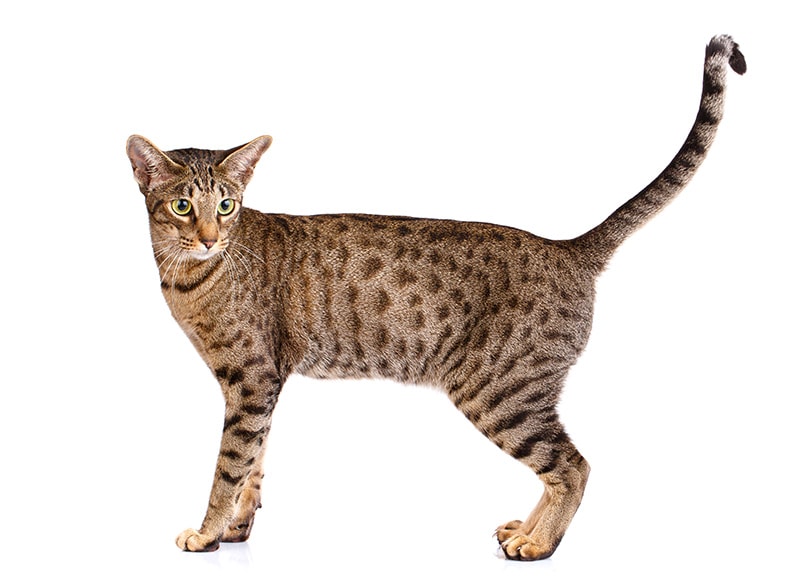
Most domesticated cats are prone to obesity. In fact, over half of all cats seen by veterinarians in the United States are estimated to be overweight. Feline obesity is a constant struggle for owners and veterinarians to combat. Most cats are highly food motivated. Interestingly enough, unlike most other domestic breeds, Ocicats are not prone to obesity. Most Ocicats naturally keep a healthy weight with little input from their owners. That is in spite of eating quite a lot of food on a regular basis. Ocicats have high metabolisms and activity levels that keep them in shape, whereas other cats tend to lounge around.
The reason for this is that Ocicats are highly active and will often regulate their eating naturally. Ocicats can be safely fed freely. Other cats that are free fed often end up overweight. This makes Ocicats healthier than other breeds. However, this natural obesity-fighting behavior comes along with extreme levels of activity and mischief, which can make them hard to handle.
11. Ocicats Are Not Family Friendly Felines
Due to their unique appearance and erroneous connection to wild cats, many people find themselves wanting an Ocicat of their own. However, Ocicats will not be a good fit for everyone. These cats are typically not family friendly. They are highly energetic, smart, willful, mischievous, and destructive. They need plenty of space to roam around while inside. They don’t often get along with other pets, and small children can run away from these particular cats, which can lead to scratches and bites.
Ocicats need plenty of mental stimulation, an experienced owner, and a large home to live in. If you do not have these things or the ability to provide these things, an Ocicat will be more of a hassle than they're worth. There are many domestic cats that are more family friendly instead.

Where Can You Get an Ocicat?
Ocicats are specifically bred for their size and appearance. You might be able to find cats in the shelter or from rescues that look like an Ocicat, but the best way to get a true Ocicat is to go through a reputable breeder. You can find Ocicat breeders online, but the safest way to find a local Ocicat breeder is to go through local cat fancier societies or breeding clubs. These groups keep tabs on good breeders that specialize in cats like the Ocicat. You will likely need to pay a lot of money for an authentic Ocicat.

Conclusion
These facts about the Ocicat should be known by anyone looking to get one for themselves. Ocicats are not wild, but they act wild. They can be hard to handle, they don’t do well with families, and they originated in Michigan, of all places. The Ocicat has a fascinating history and a stunning appearance that immediately draws people in. Everyone should do their research before deciding on getting an Ocicat for themselves.
Featured Image Credit: dien, Shutterstock
Get Hepper In Your Inbox


Pet care tips from our vets and experts, straight to your inbox.
You may opt-out at any time. View our Privacy Policy for more information.
Grant is a freelance writer with years of experience writing about a diverse range of topics. His days are spent writing and caring for eight animals (two horses, two donkeys, two goats, and two dogs). In his free time he enjoys slowly carving out a quaint hobby farm from the Southern scrub. He currently lives in his native Florida with his wife and son.
Join the conversation
Ask a question, share your story, or send private feedback.