Hepper is reader-supported. When you buy via links on our site, we may earn an affiliate commission at no cost to you. Learn more.
Why Is My Cat Meowing So Much All of a Sudden? 6 Vet-Reviewed Reasons



In this article
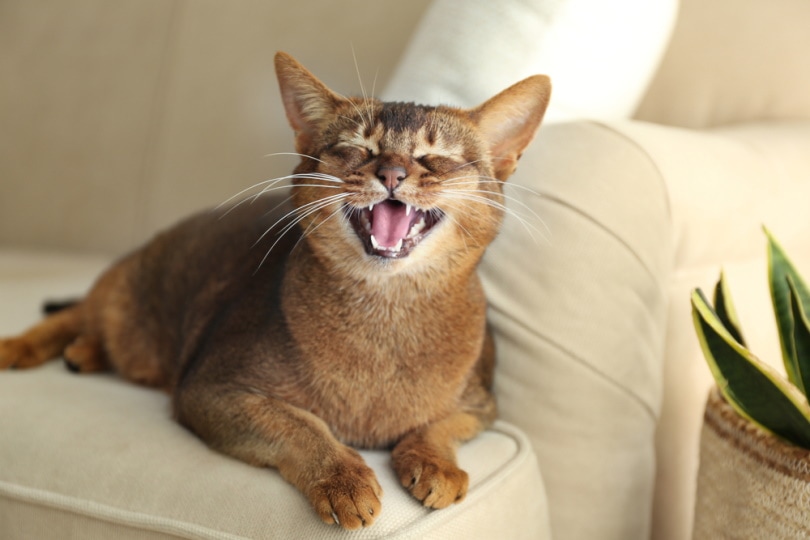
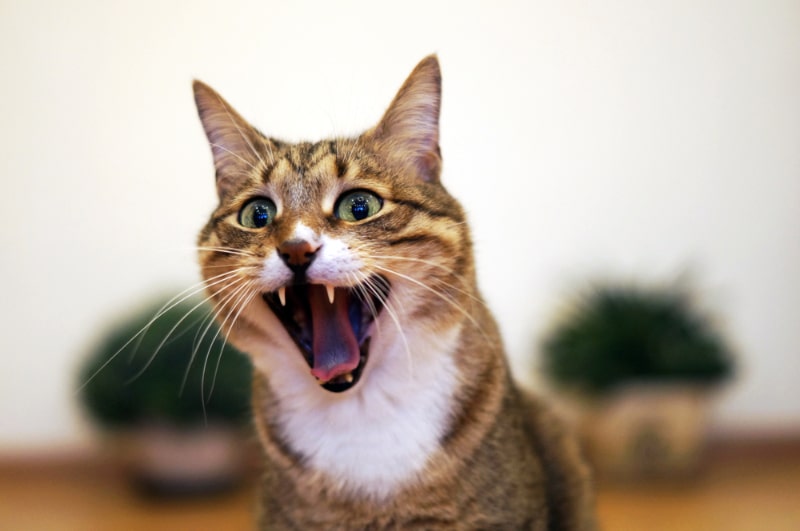
Living with a kitty as your roommate can be such a fun experience on the daily. However, sometimes there can be certain habits that make the coexisting relationship, well—difficult. Vocalizations are usually mild to moderate with cats, and each one is different.
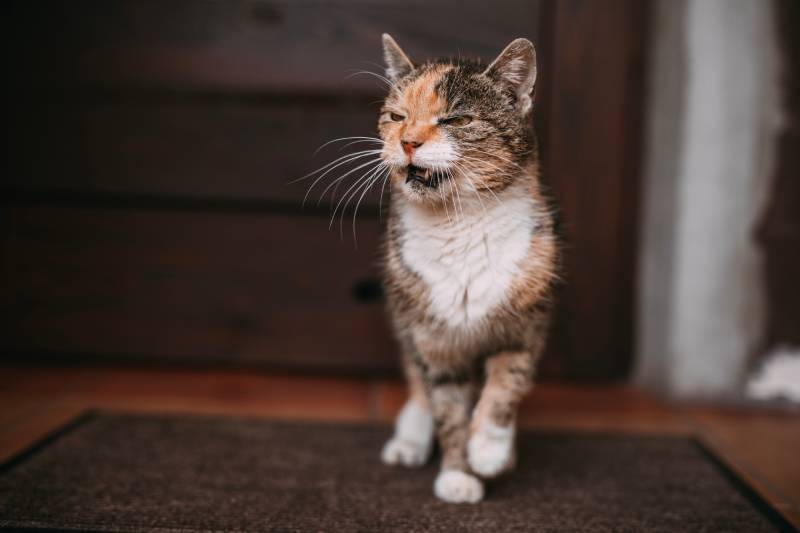
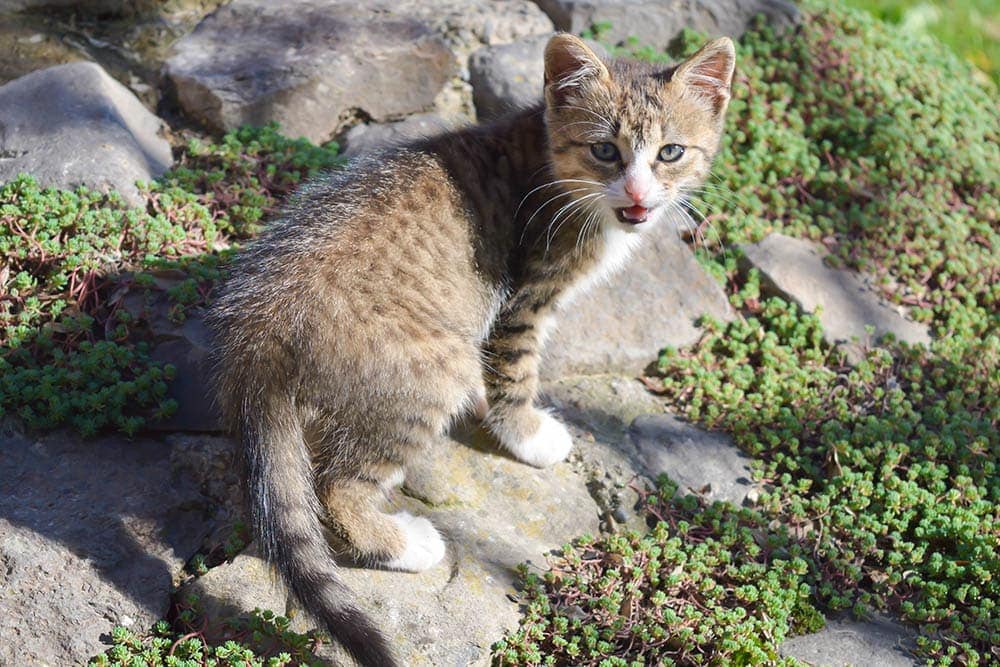
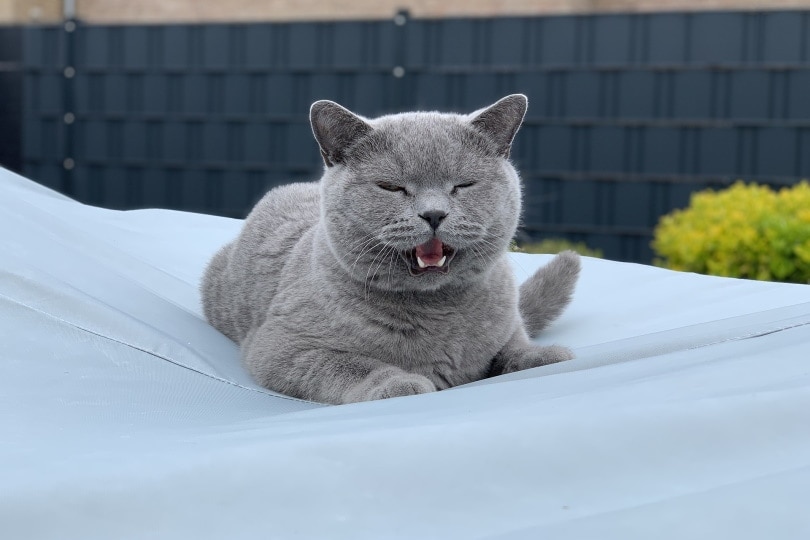
We're sure you're used to your cat’s meowing style by now. You have some kitties that use meowing as a means of communicating with human companions, and others just use body language. So, if they are being a little more vocal than usual, what gives?

The 6 Reasons Why Your Cat is Meowing So Much All of a Sudden
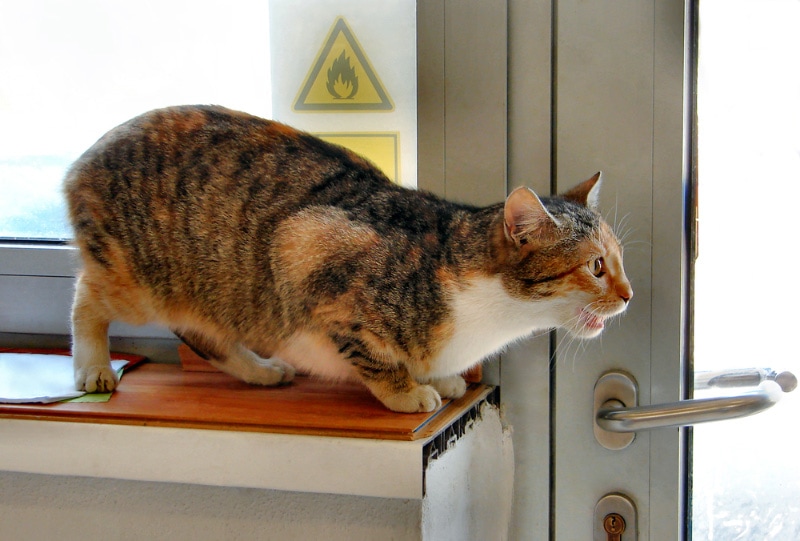
1. Your Cat Is In Heat
Has time gotten away from you? Our little kitties sure do grow up fast. When our cats hit sexual maturity, many veterinarians recommend having them spayed or neutered to prevent unsavory behaviors. While males and females can both display a higher level of vocalization, it's more common among females in heat.
You might see other troubling behaviors in felines at sexual maturity. Some of these include:
- Flirtatious behavior
- Rolling
- Rubbing
- Yowling
- Raised hindquarters
- Spraying
Having a cat that is not spayed or neutered is highly problematic for both behavioral and health reasons. For the safety of your pet, it's always best to perform the surgery before they reach sexual maturity, just to prevent any unwanted behaviors or litter.
2. Your Cat Is Hungry
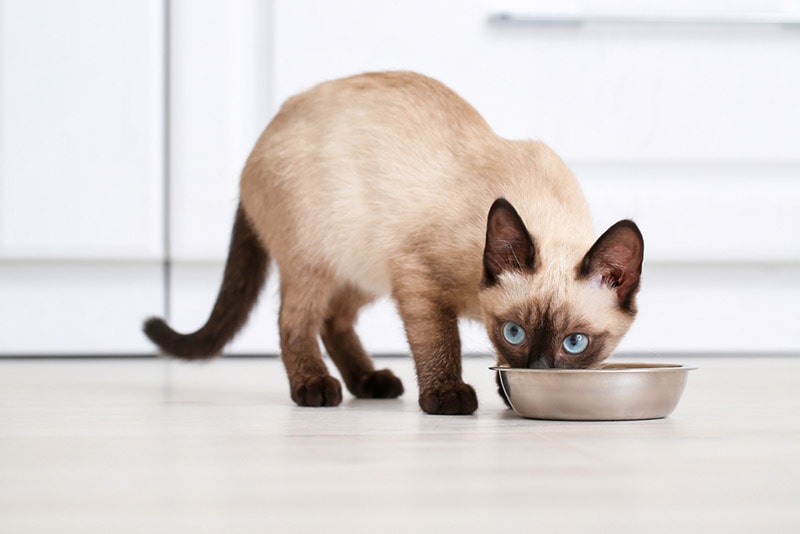
Cats are usually not quiet when it comes to their bellies! If you have missed meal time, you might notice an increased meowing to get your attention. While this can be normal to a degree, excessively meowing can point to specific health issues.
It could be nothing. It could be a growing body, changing hormones, or boredom eating. So if you notice any other behavioral changes that might signal there's a bigger issue at play, always take note and contact your veterinarian for guidance.
But if your cat never seems quite satisfied, don't dismiss it without investigation.
3. Your Cat Is Uneasy
Has anything recently changed in the environment? If so, it can trigger responses to current changes. Your cat might be acting a little more skittish than usual, hiding under objects or not being as social as they once were.
When they see you, they might be crying out in an attempt to help make sense of the situation. After all, you are their human, and they trust you. So it could be something as simple as moving the furniture around or as extreme as welcoming a baby into the home.
Any change can trigger a response in our pets. So always remember to be patient while they make the adjustments at their own pace.
4. They Aren’t Feeling Well
Sometimes cats have vocalization responses by pain. If your cat is in a lot of pain, they might be trying to communicate this with you. Often, cats will try to hide their illness. However, there are sure signs you can look for that indicate a bigger problem.
Cats can meow excessively when they are in pain, or are experiencing anxiety, sensory deficits, and neurological problems.
- Pain: Often if a cat is in pain, it will sound like a long, loud, drawn-out meow. This signals distress and is likely caused by underlying pain. If you pet your cat and notice that they vocalize when you touch certain parts of their body or flinch at the touch, it could signal a pain response.
- Anxiety: Anxiety is a mental disorder that can make your cat feel unwell. If they're feeling unsafe in their surroundings or just particularly anxious, you might notice higher vocalization during periods of increased stress.
- Sensory Deficits: If your cat has trouble with their vision or hearing, it can cause a vocal response. They might not understand what is happening, triggering them to be louder than usual in an attempt to process the lack of sense.
- Neurological Problems: Some neurological issues like complex circuitry and neoplastic disease can occur, causing more vocalization in your cats.

5. They Are Confused
If your cat is getting up there in age or even has an infection, sometimes this can cause confusion. Disorientation can also stir up from any changes in the household, such as a move of residence or even renovations to an existing home.
So if your cat is meandering around aimlessly, meowing excessively, and seeming like they aren't sure what's going on, that might be the case. Confusion is often a symptom of feline cognitive dysfunction.
This disorder usually affects elderly cats, and signs include:
- Vocalizations
- Disorientation
- Changes in personality
- Frequent sleeping
- Decreased play
- Potential aggression
- Eliminating outside of the litter box
Feline cognitive dysfunction typically affects cats from the ages 11 to 15. However, it can be seen in cats slightly younger. So, while it is a little different, it is manageable and often a natural part of the aging process. You can equate feline cognitive dysfunction to Alzheimer's in human beings.
6. They’re Chatting with You
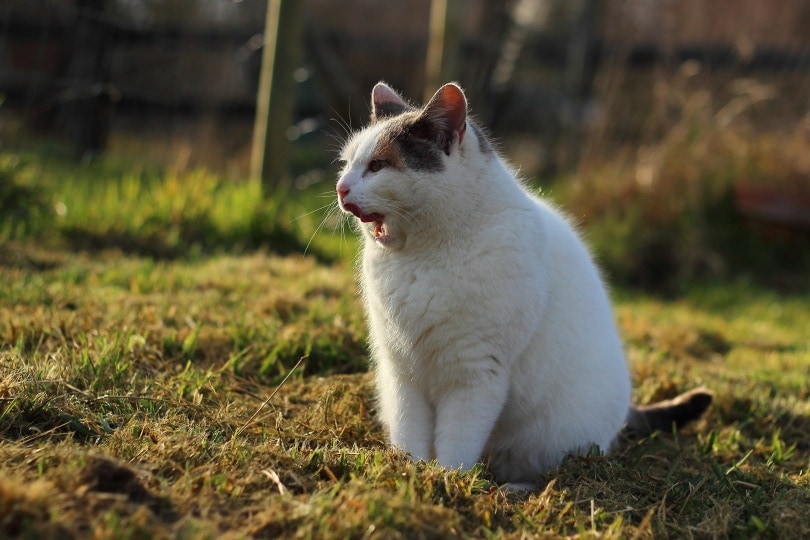
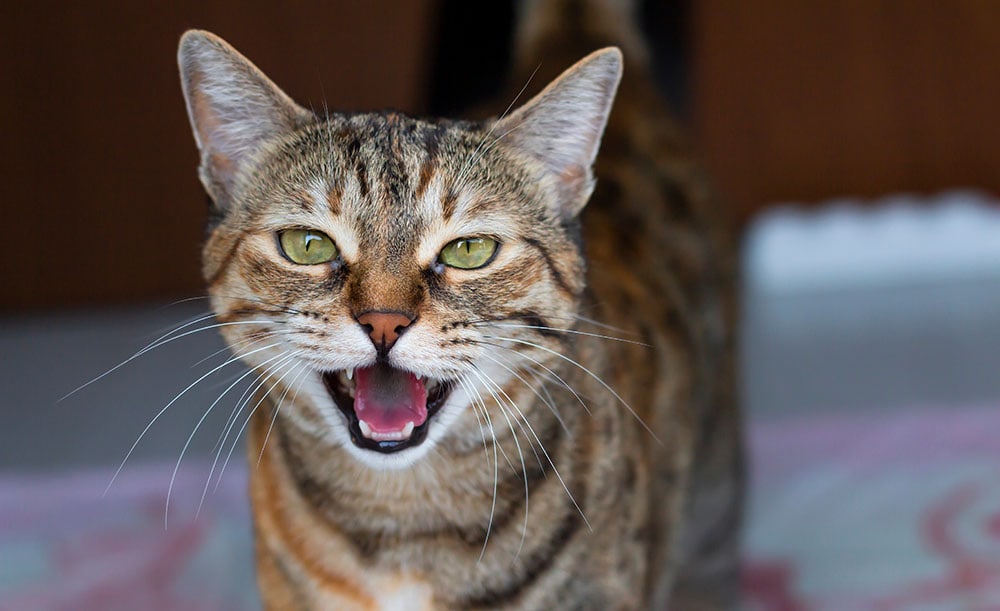
Some cats are just little chatterboxes. Some cats are more inclined to vocalize than others. It could be that you just have a more talkative cat than others. Some cats meow for whatever needs they want at that time, like food, attention, or just basic communication.
Many cats meow when the food bowl is empty or they want into the room you shut them out of (how dare you!). It's just another way our felines show us their emotions.
How to Treat Excessive Vocalization
The only way to treat excessive vocalization is to get to the bottom of the issue. If they have an underlying health condition, they must be treated to correct the problem. If it is behavioral, you must uncover the root cause and treat it accordingly.
Often, increased vocalization is either a natural part of your cat's personality or something that will decrease once they get used to their environment. However, if you notice any other concerning physical or behavioral signs, contact your veterinarian immediately.
They can perform a physical exam, blood testing, or even imaging to see if something more serious is going on. If there is something that is uncovered, they will devise a treatment plan to get your cat back in shape.

Conclusion
If you're concerned with over-vocalization, speak to your vet about it immediately. Some vocalizations can be expected, but others can indicate a behavioral or health issue.
If you have recently made any changes in your home, it could be as simple as adapting to a new environment. But it could also indicate aging, boredom, anxiety, and a slew of other underlying causes.
Featured Image Credit: JackieLou DL, Pixabay
Get Hepper In Your Inbox


Pet care tips from our vets and experts, straight to your inbox.
You may opt-out at any time. View our Privacy Policy for more information.
Ashley Bates, a freelance writer with a passion for pets, is currently studying animal therapy. She is a mother to four children and 23 pets, both furry and feathery. Ashley actively volunteers at local shelters, advocates for animal welfare, and rescues animals in distress. Her mission is to promote awareness, education, and entertainment about pets to help prevent animal homelessness. She specializes in the care and well-being of dogs and cats.
Join the conversation
Ask a question, share your story, or send private feedback.