Hepper is reader-supported. When you buy via links on our site, we may earn an affiliate commission at no cost to you. Learn more.
Do All Dogs Have Webbed Feet? Vet-Reviewed Canine Facts & FAQ


In this article
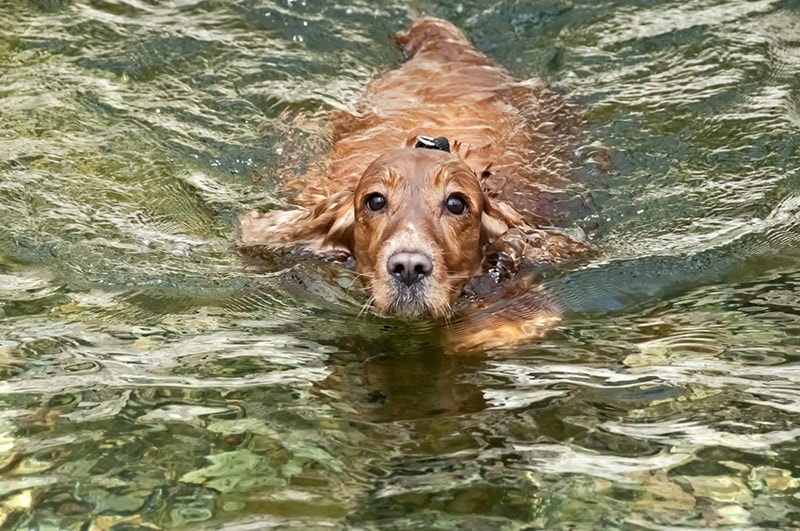
When you think of "webbed feet", you probably imagine ducks, not your dog. But most puppies are born with webbed feet! Some breeds retain their webbed for the rest of their lives, while others outgrow this feature as they get older.
So, what's up with this paw-mazing phenomenon? Keep reading to learn more about webbed feet in dogs and which breeds commonly have them.

The Purpose of Webbed Feet in Dogs
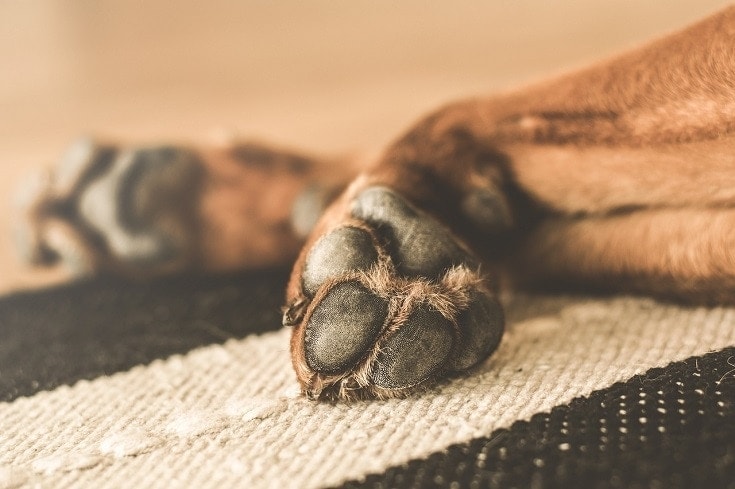
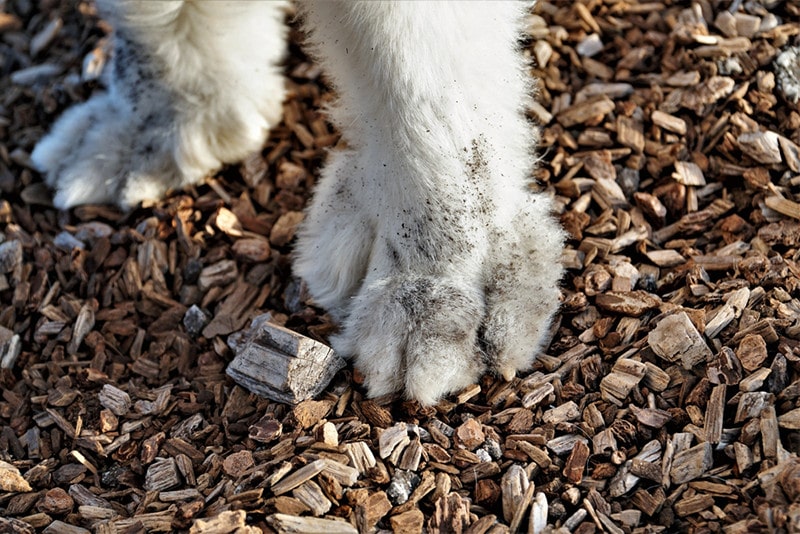
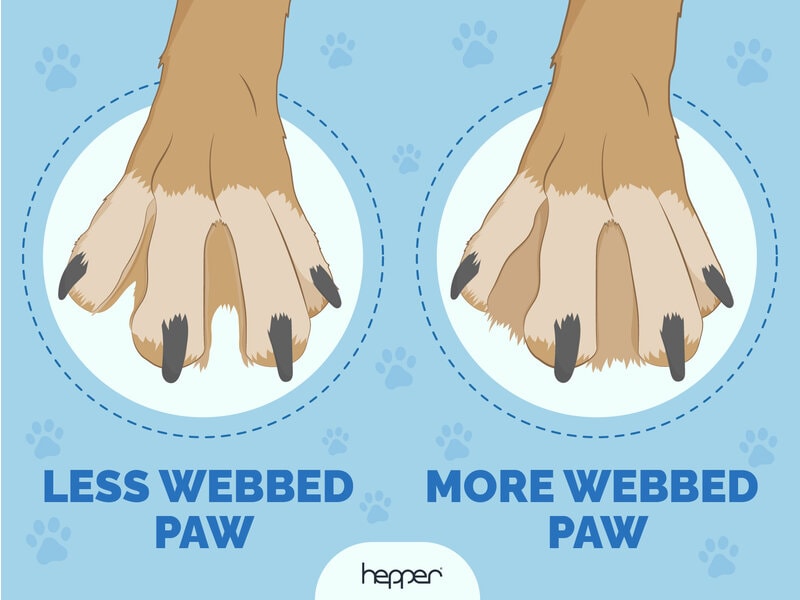
Webbed feet in dogs consist of skin membranes connecting their toes, and give canines some unique advantages:
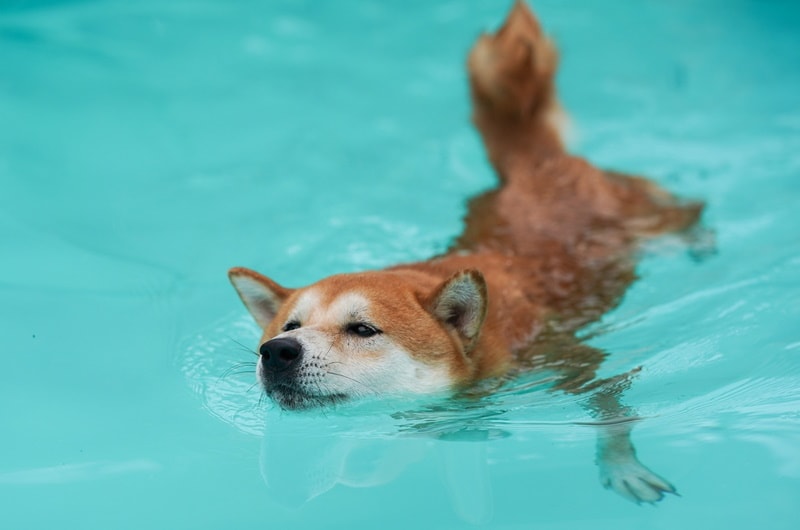
- Enhanced swimming ability: Thanks to the larger surface area created by the webbing, dogs could move faster and better through the water with less effort.
- Better grip on slippery surfaces: The webbing between toes can help dogs maintain traction on wet, muddy, or icy terrain.
- Digging support: On land, the webbing turned dog paws into mini shovels and made it easier to move dirt, mud, and sand.

Common Dog Breeds With Webbed Feet
Use it or lose it—that is the golden rule of the evolutionary process, and it applies to webbed feet in dogs, too! Some breeds have more developed webbing because of the jobs they were bred for. Here are some examples:
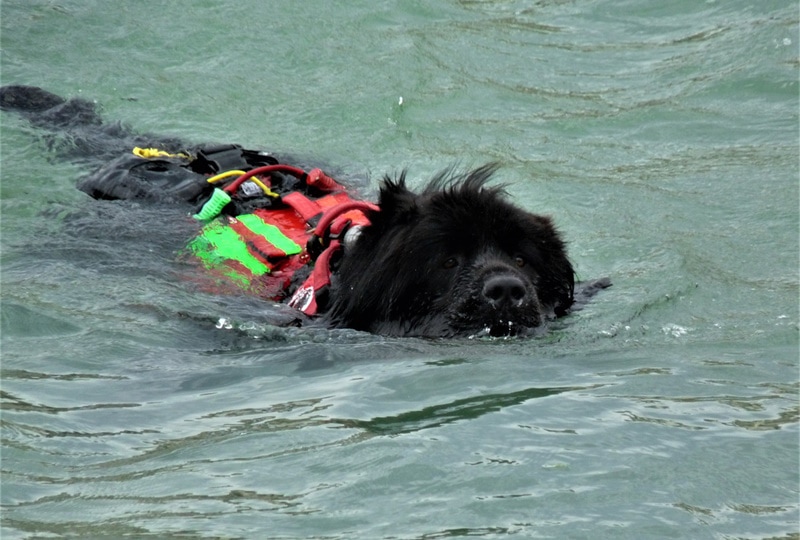
- Newfoundland: The Newfoundland has been carefully bred for water jobs. It has a waterproof coat, fantastic stamina and strength, and massive webbed paws that make them excellent swimmers. Their ancestors were originally partners to Canadian fishermen, and their tasks included pulling heavy nets and fetching cores of live fish. Today, Newfoundlands make excellent lifeguards and are often trained for water rescues and retrievals.
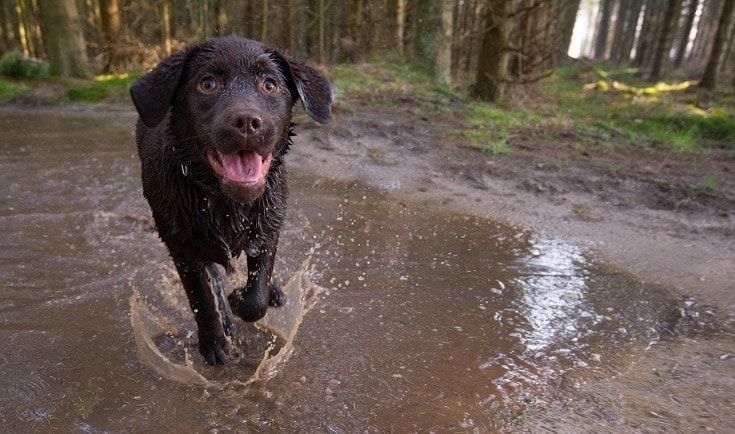
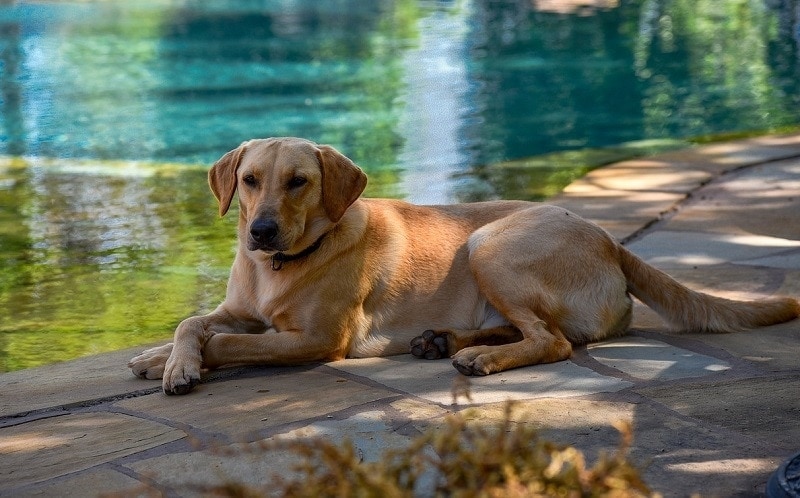
- Labrador Retriever: The lovable Lab is absolutely obsessed with water. They're always ready to jump into the pool, paddle in the ocean, or roll in mud puddles! It is not surprising because these goofy pups are born to be water dogs. Their webbed feet helped them accomplish their traditional jobs: retrieving game and objects from the water for hunters.
- Chesapeake Bay Retriever: Chessies are one tough breed; they were bred to hunt for ducks in the chilly waters of the Chesapeake Bay. They've evolved to accommodate this job, which is why Chesapeake Bay Retrievers have webbed feet on top of their insulated coats, rounded toes, and a strong, muscled body.
- Portuguese Water Dog: Another breed with webbed paws, these dogs were developed to help Portuguese fishermen. They were tasked to get broken nets from the water and herd fish towards the boats. They were also trained to deliver messages and objects between boats!
- Otterhound: The Otterhound had to be amazing swimmers to track and hunt otters, and their webbed feet helped them be awesome at their jobs.
- Redbone Coonhound: The Redbone Coonhound was used to track raccoons through swamps, marshlands, and other soft or wet terrain. Their webbed feet helped them maintain their balance and grip while hunting.
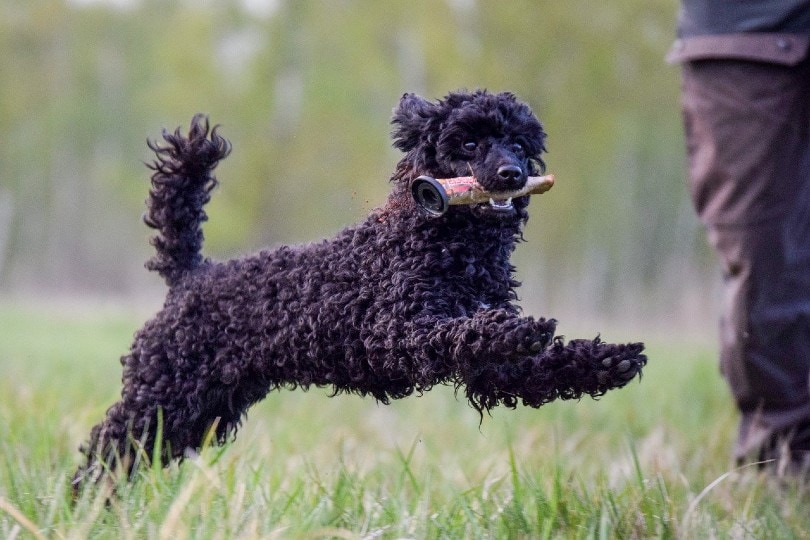
- Poodle: Today's poodles may have a diva reputation, but it's actually a working breed! Like Labs, poodles worked as water retrievers and needed their webbed feet to swim efficiently.
Dog Breeds With Less Pronounced or No Webbing
While all dogs have some degree of webbing, it's less developed in breeds that historically didn't need to excel in swimming or navigating wet environments.
This includes dogs who were bred to be companion animals or lap dogs, such as:
For other breeds, having webbed feet would be a disadvantage. For instance, Greyhounds and whippets were bred for speed, not swimming. Webbing between their feet can slow them down by increasing drag as they ran.
Conclusion
Webbed feet in dogs are a fascinating feature that provides numerous benefits, depending on the breed's history and purpose. From powerful swimmers like the Newfoundland to nimble hunters like the German Shorthaired Pointer, webbed feet have helped dogs excel in their specific roles for generations.
Still, no matter their breed or the extent of their webbing, your dog's paws are perfectly suited for the adventures that await you both—whether that's snuggling on the couch or swimming in the ocean!
Get Hepper In Your Inbox


Pet care tips from our vets and experts, straight to your inbox.
You may opt-out at any time. View our Privacy Policy for more information.
Nicole is a lover of animals of all sizes but is especially fascinated with the feline variety. She’s the proud mom of Baby, a Burmese, and works every day so he can relax in the sunshine or by the fire. She’s always had a cat in her home and has spent countless days with others, observing behaviors and softening up even the grouchiest of the lot. Nicole wants to share her kitty expertise with you so you and your cat can live happy, healthy, and care-free.
Join the conversation
Ask a question, share your story, or send private feedback.