Hepper is reader-supported. When you buy via links on our site, we may earn an affiliate commission at no cost to you. Learn more.
Do Cats Eat Their Own Poop? Cat Coprophagia Explained

In this article
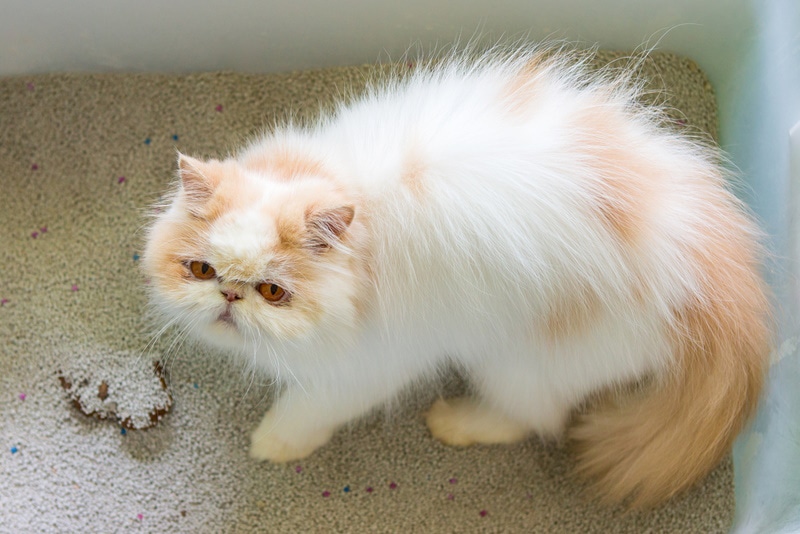
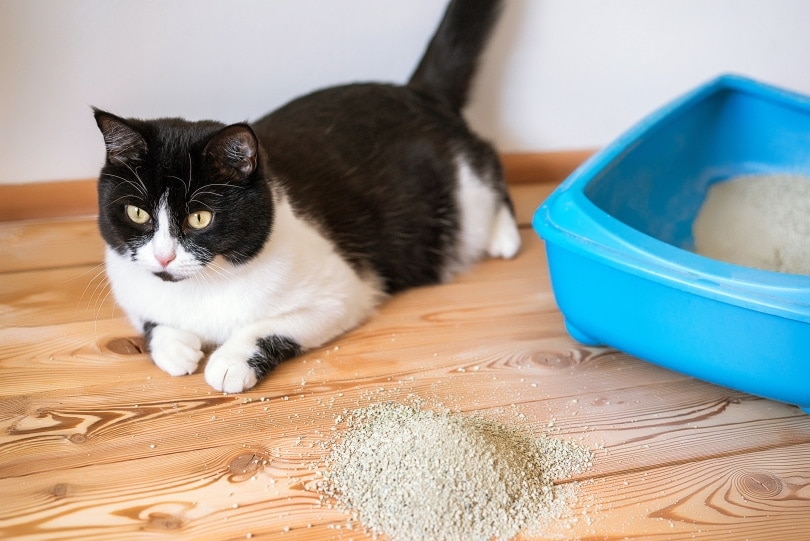
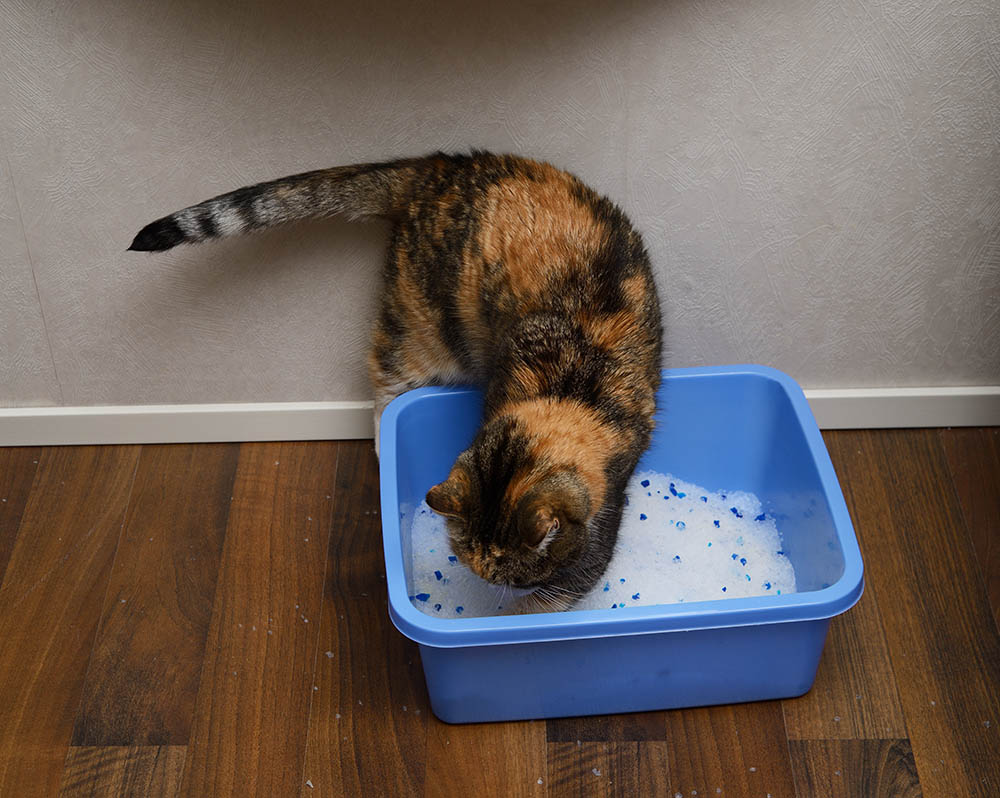
While coprophagia (eating either one's own or someone else's feces) is generally more associated with dogs than cats, cats have been known to eat their own poop from time to time. However, the reasons why cats engage in coprophagia are vastly different. So, here's why you might see your cat turning their litter box into an extra meal.

What Is Coprophagia?
Coprophagia is relatively common in the animal kingdom, and many creatures, from dung beetles to rabbits and, yes, even cats, will engage in this behavior on occasion.
The reason behind the behavior varies from animal to animal. However, it can largely be determined by whether an animal is engaged in autocoprophagia (eating one's own feces) or allocoprophagia (eating someone else's feces.)
Autocoprophagic animals usually do so for nutritional reasons. In the case of rabbits, many necessary nutrients in their food are not adequately broken down and absorbed the first time their food moves through the digestive tract.
By consuming food that has been partially digested, they're able to run the nutrients through their digestive tract a second time. Since the food has been partially digested, it's easier for the body to break it down into its nutritional components, and they get the full nutrition out of their food.
In the case of allocoprophagic animals like dung beetles, feces represent a core food source for them, as gross as that may sound. While this behavior might be objectionable to us, dung beetles see feces as a delicacy, and they're biologically composed to consume and process feces for nutrition.
Why Do Cats Engage in Coprophagia?
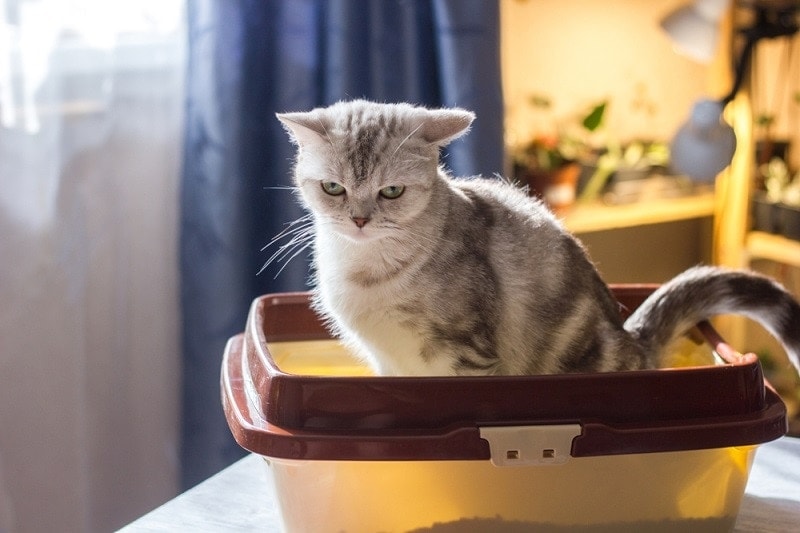
Coprophagia in cats is uncommon, but when it occurs, they generally engage in autocoprophagia. For cats, this behavior has to do with cleanliness. It might sound counterintuitive, but cats can't clean their space with brooms and Lysol wipes the way we do.
It's important to remember that few animals are strictly predators or prey. Most animals lie somewhere in the middle of the food chain; they'll hunt the animals below them and be hunted by those above them.
Leaving feces about makes it easy for an animal to become the victim of a predator. It leaves a clear scent trail that a predator can follow to find a cat's territory. So naturally, cleaning up after themselves makes it harder for predators to find them, and the only way cats know how to clean up their dung is by eating it.
Nursing queens, in particular, have been known to eat both their feces and the feces of their kittens to mask the scent of their litter and protect the kittens from predators.
However, most indoor cats do not need to eat their feces. This is because their humans are cleaning up after them. They're also not particularly susceptible to predators indoors. For an indoor cat to eat their feces, most vets would suggest an evaluation to ensure that your cat isn't suffering from an illness or deficiency causing the behavior.
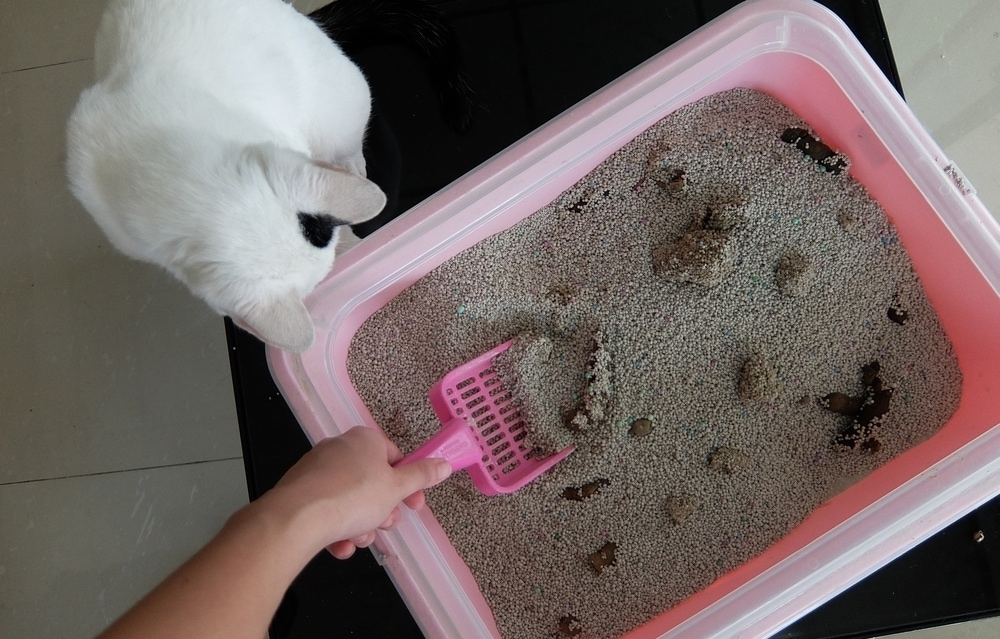
While a stray or feral cat may have gotten in the habit of eating their feces while they lived outdoors, a successful transition to indoor living should end this behavior.
Feral cats are generally trapped, neutered, and returned to the wild because their transitions to living as companion animals are usually unsuccessful. Still, a stray who has experience with humans should stop eating their feces once they've realized that they are no longer in danger of predation.
If a cat has been living indoors all their life, there is no reason they should be eating their feces. In this case, the behavior would be considered maladaptive. Here are some common causes of maladaptive coprophagia in cats.
Causes of Maladaptive Coprophagia in Cats
1.Malabsorption Syndrome
If a cat has a malabsorption syndrome or lacks digestive enzymes, and does not above nutrition from their food, they may begin eating their feces to pass their food through their digestive tract multiple times. Essentially, they're feeling ravenous and are trying to get some nutrition.
2. Parasite Infestation
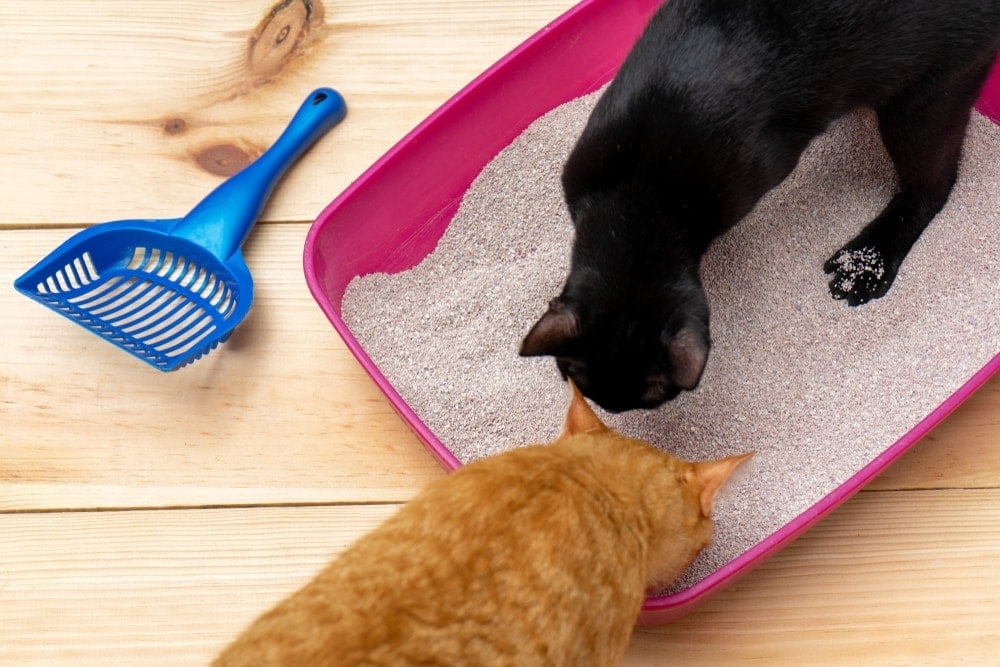
Some cats eat their excrement when they've become infested with gastrointestinal parasites. If your cat has recently begun eating their excrement, it's good to have their stool tested for parasites to ensure that they are parasite-free.
3. Dietary Deficiency
Cats may also begin eating their excrement if they suffer from a severe dietary deficiency. Cats fed low-quality food, don't get enough water, or are otherwise looking to compensate for a dietary deficiency, may look to their litter box for salvation.
4. Behavioral Problems
Eating feces is common amongst cats who are frightened or disturbed. This behavior is most common in boarding kennels, where your cat is in an unfamiliar place surrounded by unfamiliar animals who may or may not be predators.
To feel safer, your cat may begin cleaning up after themselves in order to hide their scent.
Additionally, studies show that cats who are punished for inappropriate or improper elimination habits may develop a negative association with the action of pooping and begin eating their excrement to hide the evidence of their eliminations.
Coprophagia can be learned as well. For example, if a young cat is raised around older cats who eat their excrement, they may pick up this behavior from their seniors.
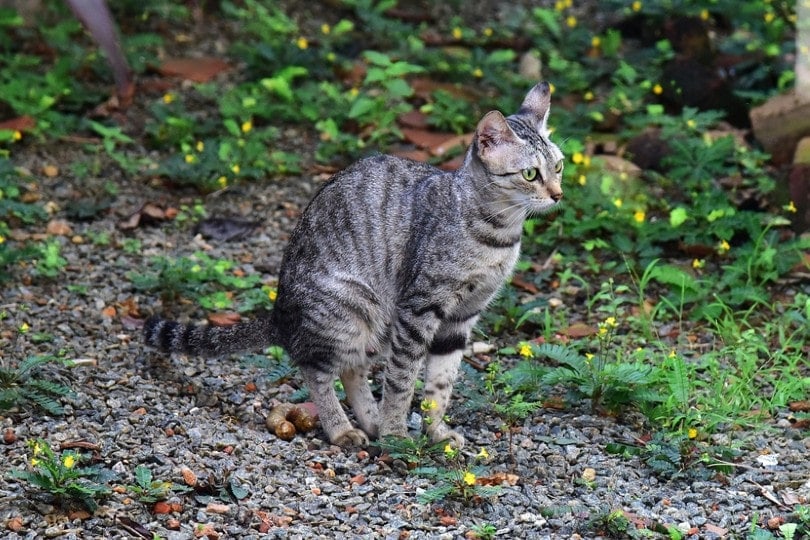
Should I Take My Cat to the Vet If They're Eating Their Own Poop?
Yes. While there are some benign causes of coprophagia, this behavior is very uncommon in cats, especially indoor companion cats. Having your cat evaluated for medical issues or deficiencies can help you start the path to getting your cat's mouth out of their litter box.

Final Thoughts
Coprophagia might be revolting to humans, but it's a relatively common behavior in the animal kingdom. Still, companion cats don't usually eat their excrement. So, it's best to get your cat checked out by a veterinarian if they've started doing so.
Featured Image Credit: Mikhail Olykainen, Shutterstock
Get Hepper In Your Inbox


Pet care tips from our vets and experts, straight to your inbox.
You may opt-out at any time. View our Privacy Policy for more information.
Luxifa is a freelance writer with a passion for animal science and technology. She loves to share the world of animal science with people to help them make informed decisions for themselves and their pets. Luxifa has worked in professional pet care for over six years and realised she could help change the world of pet care by bringing the information people needed to them in terms they could understand. Knowledge is power and she loves to help everyone become the most informed they can be.
Join the conversation
Ask a question, share your story, or send private feedback.