Hepper is reader-supported. When you buy via links on our site, we may earn an affiliate commission at no cost to you. Learn more.
Why Do Cats Eat Plants? Feline Behavior Explained (Vet Answer)

In this article
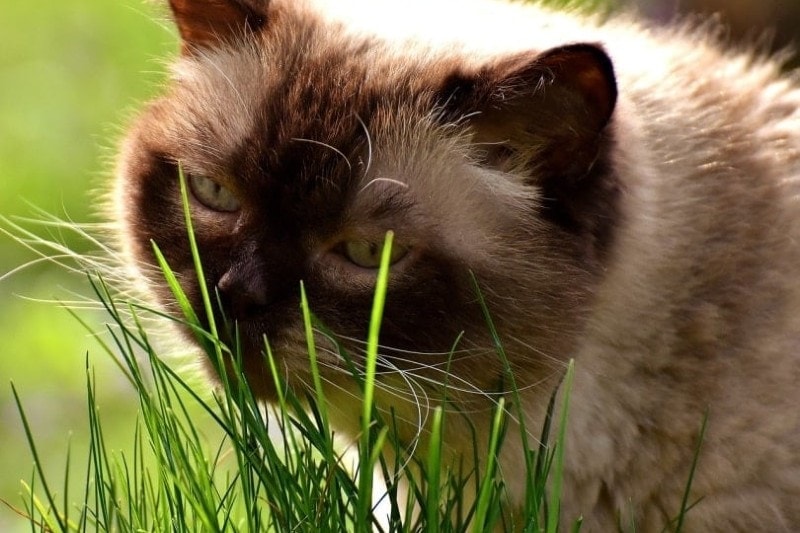
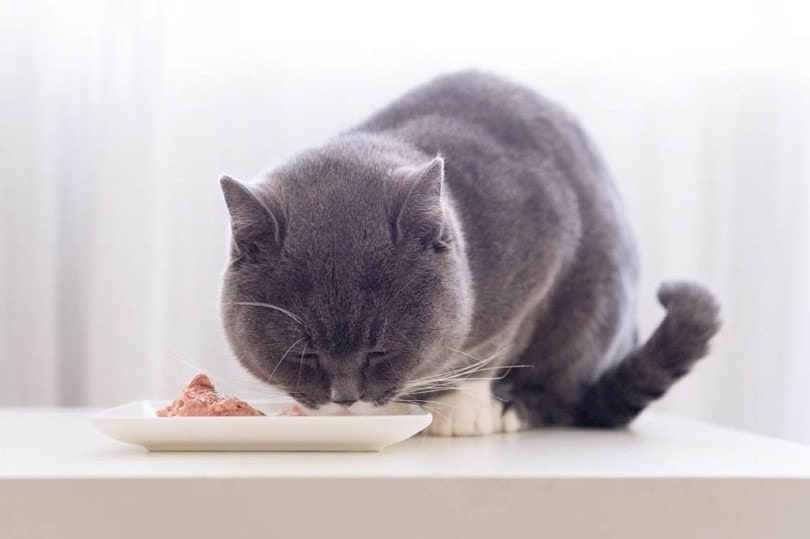
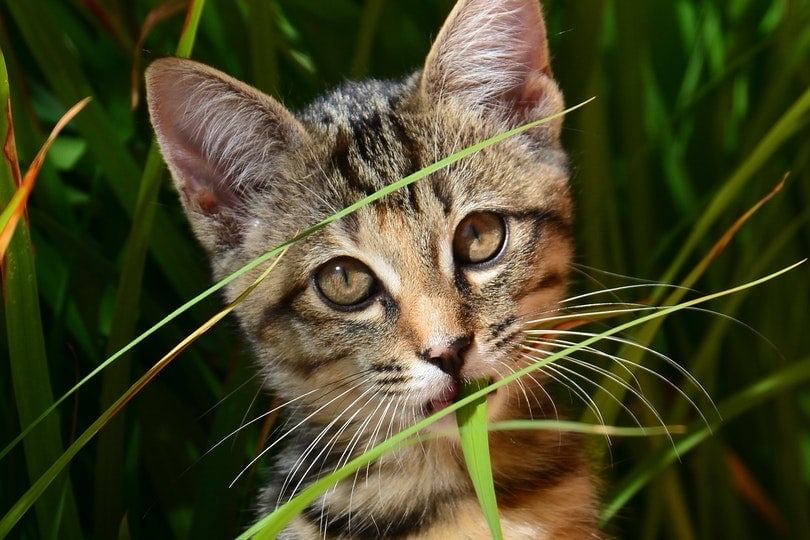
All felines, from domestic cats to lions and tigers, are obligate carnivores. This means that cats need to eat meat for survival and to fulfill their specific nutritional requirements. Cats are unable to properly digest plant matter and lack the ability to synthesize certain amino acids, fatty acids, and vitamins. Instead, cats get these nutrients, which are necessary for survival, in a pre-formed state from meat. Why then, if a cat doesn’t need to eat plants to survive, do we sometimes see them eating grass and other plants?
The truth is that no one knows for sure. Three main theories have emerged over the years that try to explain this common behavior.

Why Cats Eat Grass
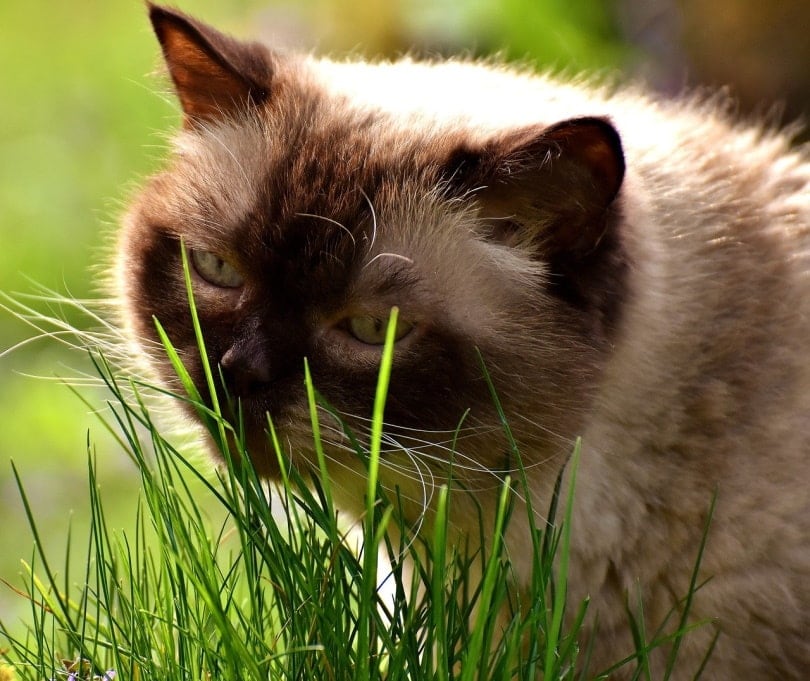
There are a variety of theories surrounding this puzzling behavior.
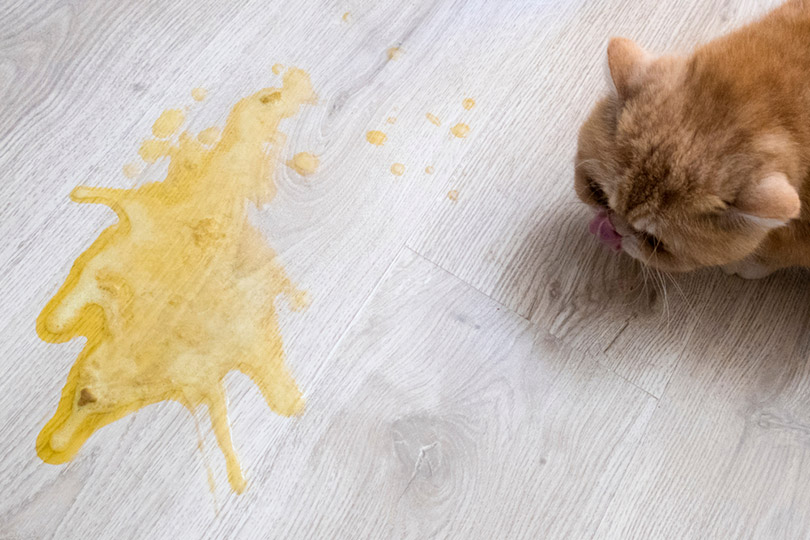
Firstly, it has been suggested that cats eat plants to induce vomiting when feeling ill. You may have seen this happen with your cat more than once. Another theory is that researchers have suggested that eating plants may help cats to purge ingested hairballs or clumps of hair.
There’s also another idea—it has been hypothesized that eating plants could be due to a dietary deficiency in trace nutrients and that cats obtain minerals, micronutrients, and vitamins A, B, D, and folic acid from eating grass.

A New Theory
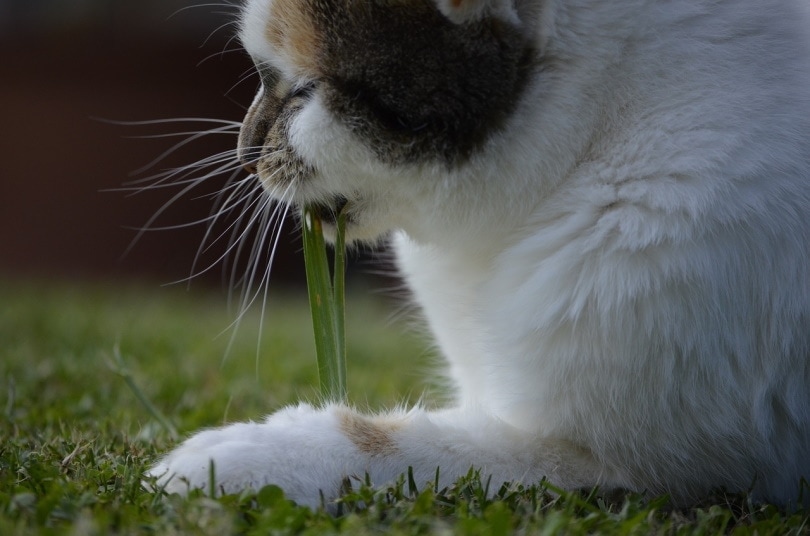
The latest evidence, however, suggests something entirely different1. Researchers from the UCLA Davis School of Veterinary Medicine think they may have finally solved the mystery. They suspect that plant-eating behavior in domestic cats reflects an innate predisposition inherited from their wild ancestors. A cat’s wild ancestors likely ate plants to purge or “scour” the intestinal system of worms. Even though many of our modern cats are dewormed regularly, this instinct still remains.
Furthermore, this study did not support the hypothesis that cats use plants to induce vomiting when feeling ill. Interestingly, 91% of the observed cats in the study appeared to be healthy before eating plants and only 27% of them regularly threw up. While it’s possible that, in some cases, gastrointestinal illness or discomfort may trigger a cat to eat plants and subsequently throw up, it’s more likely that vomiting after eating plants is incidental and not the objective.
The data from this study also does not support the hypothesis that eating plants helps cats to purge ingested hairballs or clumps of hair. If you’ve owned both long-haired and short-haired cats before, you’ve likely observed that long-haired cats vomit more hairballs due to the fact that they ingest a greater amount of hair than short-haired cats. Results from the study indicated that domestic short-haired cats and long-haired cats showed no differences in how often they ate plants, nor any differences in the frequency in which they showed signs of illness before eating plants or vomiting afterward, thus disproving the theory.
Due to the limitations of the study, researchers did not explore whether eating plants could have a nutritional benefit for cats but did note that it could be a possibility.

Should I Worry If My Cat Eats Grass?
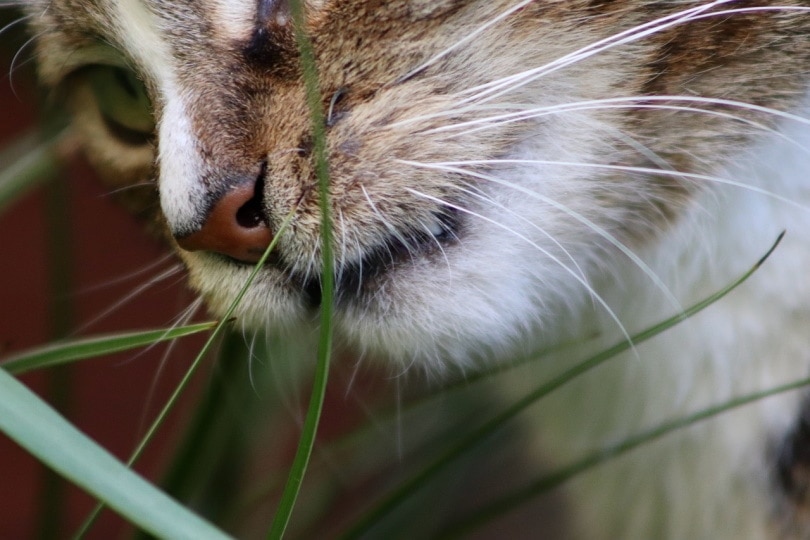
Plant eating is a common, normal behavior in cats and it most likely reflects an instinctual behavior inherited from a cat’s wild ancestors. For the most part, it doesn’t mean that your cat is ill.
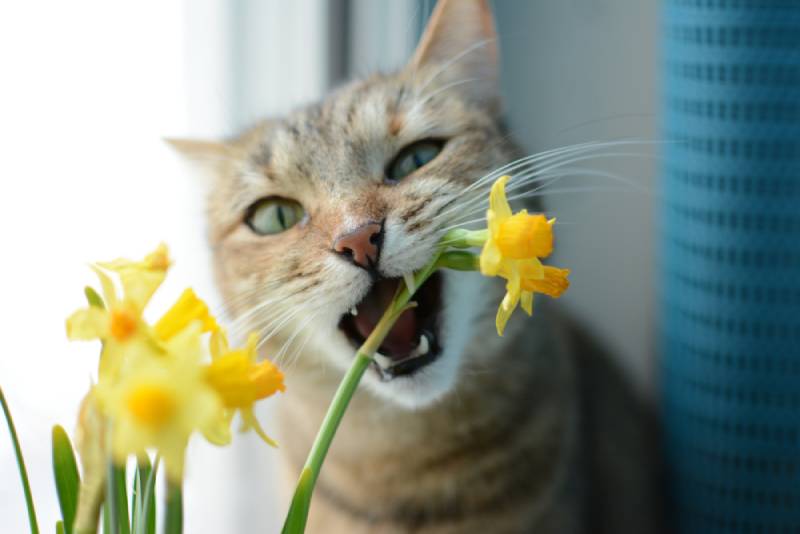
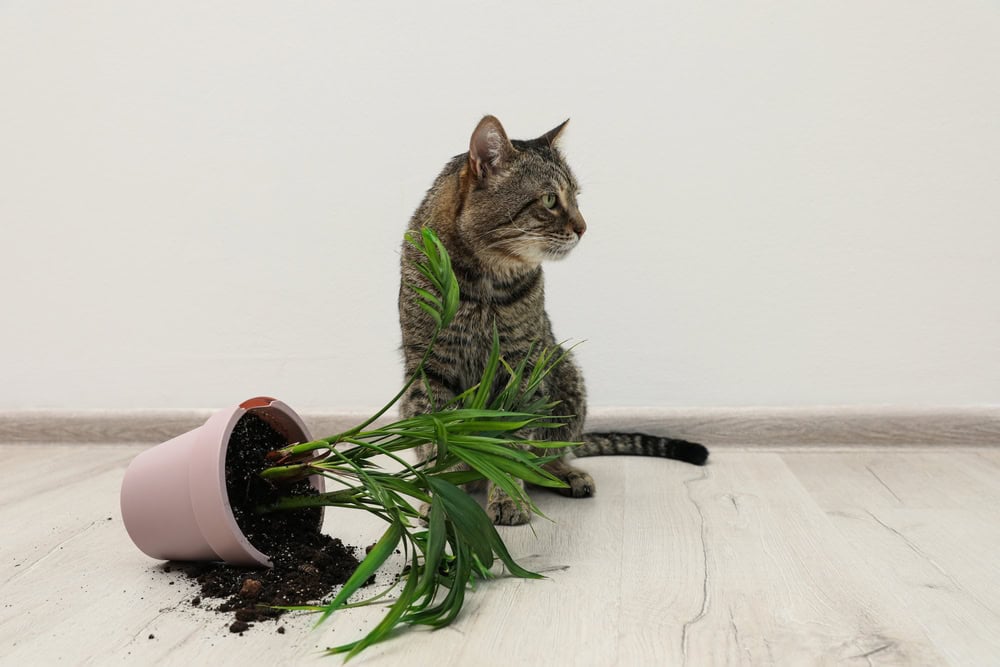
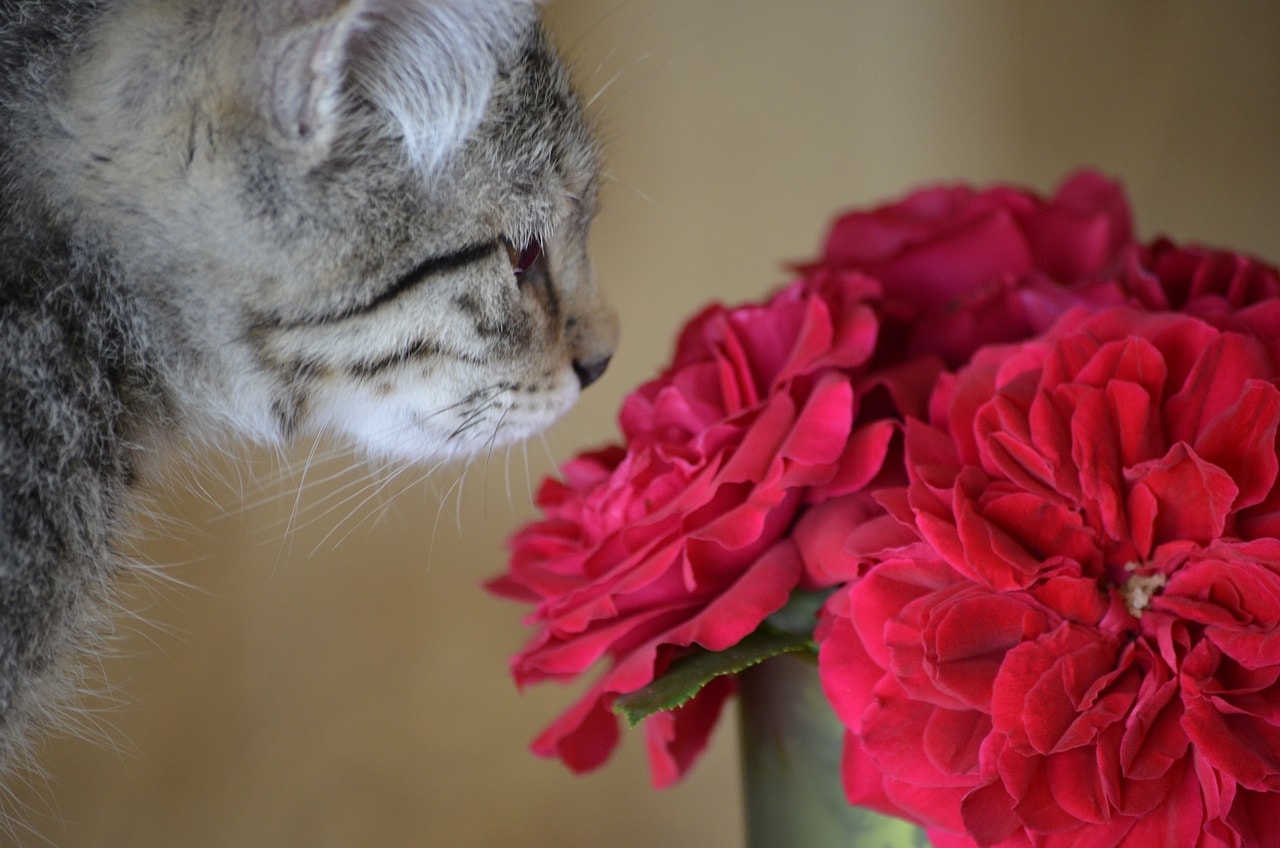
Plant eating is only a problem if a cat eats a plant that is poisonous. Lilies are a major cause for concern as these popular flowers are highly toxic to cats. Ingesting even a tiny amount of the plant or drinking water from a vase with cut lilies can cause acute kidney failure and death. It is important to familiarize oneself with plants that are poisonous to cats and remove these poisonous plants from your home. The American Society for the Prevention of Cruelty to Animals provides a comprehensive list of common toxic and non-toxic plants for cats2.
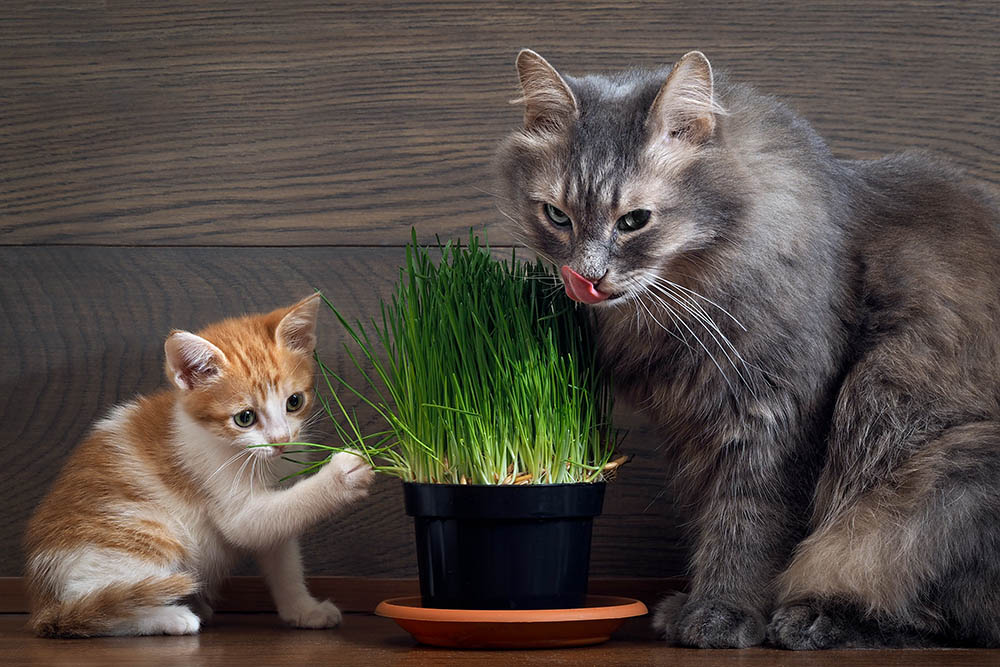
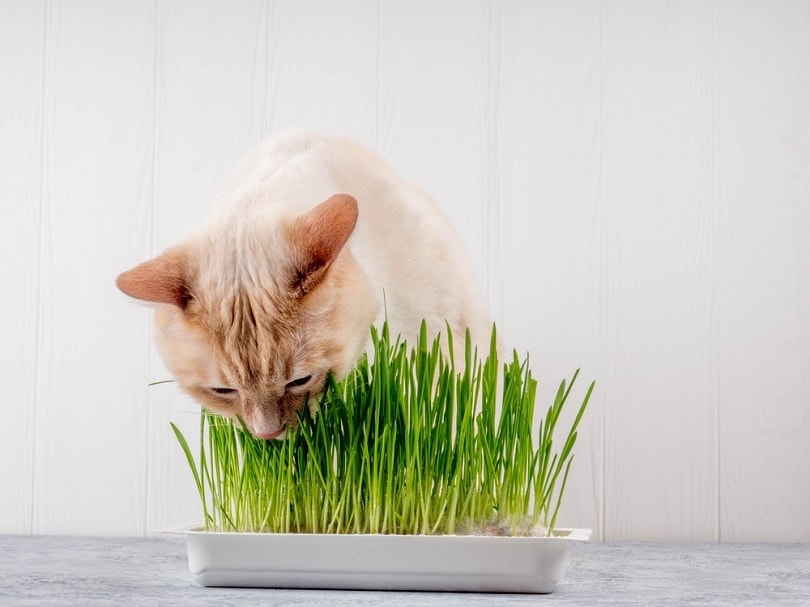
Provide safe, non-poisonous alternatives for your cat to eat so that they can satisfy this instinctual urge without getting into trouble. This is especially important for indoor cats that do not have access to a garden. Catnip or cat grass are both good options and can be grown in a pot.
Final Thoughts
Plant eating is a normal behavior in cats and most likely reflects an innate predisposition inherited from their wild ancestors. This behavior is common in most cats and it doesn’t mean that your cat is ill, so there's no need to worry if you see it happening.
Keep your feline companion safe by removing all poisonous plants from your home and by providing cat-friendly alternatives so that your cat may safely express his or her instinctual behavior.
See Also:
Featured Image Credit: Jonathan Diederiks, Pexels
Get Hepper In Your Inbox


Pet care tips from our vets and experts, straight to your inbox.
You may opt-out at any time. View our Privacy Policy for more information.
Paola Cuevas is a veterinarian and animal behaviorist, with over 18 years of experience working with a variety of species. Her passion is animal welfare and focuses on the importance of preventive medicine. Paola has skills in the fields of nutrition, microscopy, clinical pathology, diagnostic imaging, and endoscopy as well as extensive experience in animal training through positive reinforcement. As our in-house veterinarian, Paola is very happy to share her knowledge and experience with our readers and hopes to be helpful with any issue presented by your non-human family members.
Dr. Paola is our Senior In-House Veterinarian at Hepper, and she loves sharing her knowledge and experience with our readers. Paola hopes to provide helpful information for any issue presented by your fur babies.
Her passion is animal welfare and she focuses on the importance of preventive medicine.
Education
Paola graduated from the University of Guadalajara, Mexico.
Experience
Dr. Cuevas has over 18 years of veterinary and animal behaviorist experience and has worked with a variety of species, from companion animals to exotics. She has skills in the fields of nutrition, microscopy, clinical pathology, diagnostic imaging, and endoscopy as well as extensive experience in positive reinforcement animal training.
Things You Didn't Know About Dr. Paola:
As a student, Paola received an outstanding student scholarship. She had the opportunity to travel to Canada and learn about aquaculture diagnostics and pathology.
Paola and another colleague trained gentoo penguins to recognize shapes and colors and their project achieved an international first-place award in research.
Paola has trained several species of animals to voluntarily accept medical procedures such as ultrasound examinations, X-rays, and the collection of biological samples with the goal of improving their healthcare without additional stressors or the need for physical restrain.
Join the conversation
Ask a question, share your story, or send private feedback.