Hepper is reader-supported. When you buy via links on our site, we may earn an affiliate commission at no cost to you. Learn more.
Why Cleaning Your Cat's Litter Box Is Important (8 Major Reasons)


In this article
Cleaning our cherished kitty’s litter box is not a particularly enjoyable job, if we’re 100% honest. However, as responsible cat parents, it's one of the most essential daily tasks that we perform. Fortunately, the more often it gets done, the less it becomes such a smelly big deal. In the greater scheme of things, it’s an insignificant price to pay for the privilege of being able to share our life with a precious cat.
This article will delve into the importance of keeping your kitty’s toilet in tip-top shape. After that, we’ll look at some useful tips and suggestions regarding litter box installation and management.

The 8 Major Reasons Why Cleaning Your Cat's Litter Box Is Important
You may not have given it much thought (or maybe you have) as it is a task you perform on autopilot, without exception. There are, however, many practical reasons why we dedicate as much time and effort as we do to keeping our kitty’s litter box clean at all times. Let’s take a look at the many reasons why cleaning your cat’s litter box is so important.
1. To Be Considerate of Their Comfort
Have you ever had to use a filthy, smelly public toilet that has not been adequately cleaned and sanitized? The experience was unpleasant, and chances are you made a note never to visit it again if you returned to the area. Many cats are the same with litter boxes. They don’t enjoy using a soiled litter box and may even find it distressing.
They may prefer to toilet elsewhere if their litter box is permanently soiled. You may find little “gifts” on the carpet in the corner of a room, in the shower, bath, or basin, or immediately outside and around their litter box. Ultimately, considering your kitty’s comfort will work out well for you too.
2. Helps Prevent Unwanted Toileting Habits
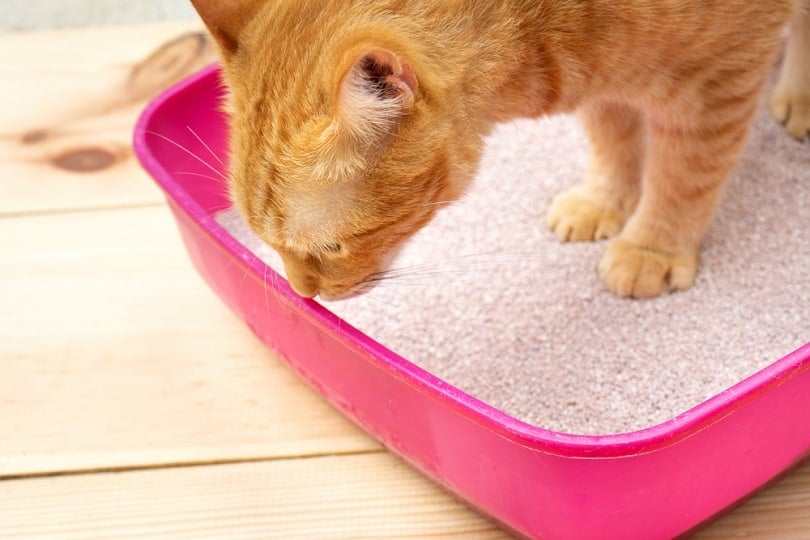
Since cats don’t enjoy using soiled litter boxes, they may develop unwanted behaviors associated with waste elimination if their litter box is not clean. This can include avoidance of the litter box altogether, partial elimination, anxiety, or aggression. Remember, your kitty’s litter box needs to be kept clean to their standards, not yours. Your cat may not be happy to use a litter box with any damp litter or feces remnants, no matter how seemingly microscopic. A negative experience that a cat has with a litter box may persist in their memory and manifest behaviorally. Undesirable behaviors can be difficult to remedy once they are established.
Take some time to (discreetly) observe their toilet habits and assess whether they appear normal and carried out in a relaxed fashion. If you’re unsure how to interpret your kitty’s behavior, get in touch with an animal behaviorist who will help you understand their cues.
3. Hygiene
One of the more obvious reasons to keep their litter box clean and dry is that it is more hygienic for you and your kitty. A basic state of cleanliness is a generally accepted standard in most living environments, human or animal. Sanitary conditions are more comfortable and conducive to the maintenance of good health.
4. To Maintain Good Feline Health
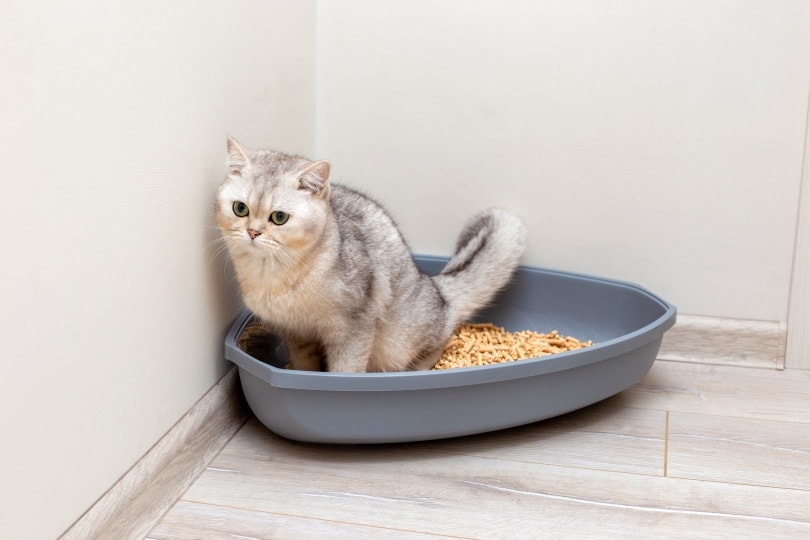
This point ties into the previous one regarding hygiene. Soiled and unhygienic litter boxes are a breeding ground for harmful bacteria and parasites (internal and external). Parasite infestations and bacterial infections can be life-threatening, especially to kittens. At the very least, they will cause your kitty discomfort and distress and could be costly to treat.
Additionally, if your kitty finds their litter box too unpleasant, they may start holding in their urine, so they have to visit it less frequently. This can lead to very concentrated urine, which can be related to the formation of crystals and urinary stones (uroliths).
5. To Keep the Humans in the House Healthy Too
Many pathogens are not species-dependent. Parasites and bacteria are just as happy to set up camp in or on a human host as they are in your darling cat. Keeping your cat’s living environment and litter box clean minimizes the chances of exposure to any harmful pathogen.
6. It May Help to Detect Illness Early On
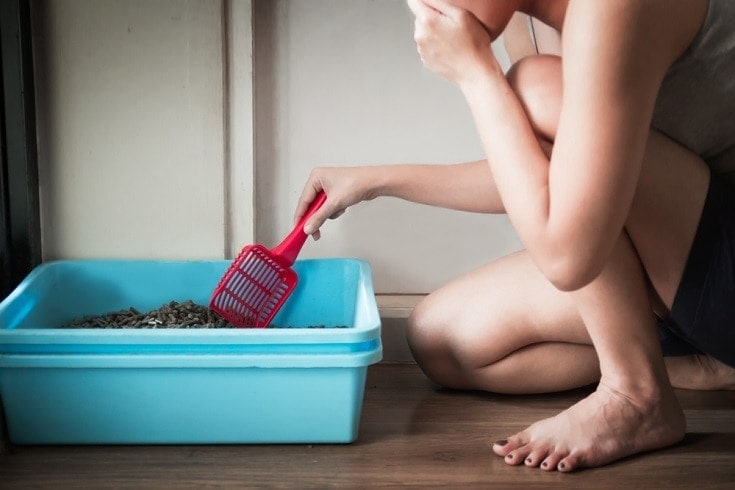
By cleaning your kitty’s litter box often, you can detect any changes in their toilet habits, such as output quantity, elimination behavior, or changes in the appearance of their waste. These changes are frequently red flags for the development of an underlying physical or mental health issue. By becoming aware of such changes early and before more severe signs develop, you can get your kitty assessed by your veterinarian and begin treatment, if necessary.
7. It’s Aesthetically Preferable
There’s nothing worse than having kitty-poo and clumpy, damp litter in your periphery as you go about your daily household activities. It just makes good sense to keep the litter clean and dry, looking fresh and inoffensive. Removing the waste and wiping up any unsightly smears or spills as soon as possible will give you peace of mind and settle the OCD! There’s a good chance that what is aesthetically preferable to you is also for your cat.
8. Odor Control
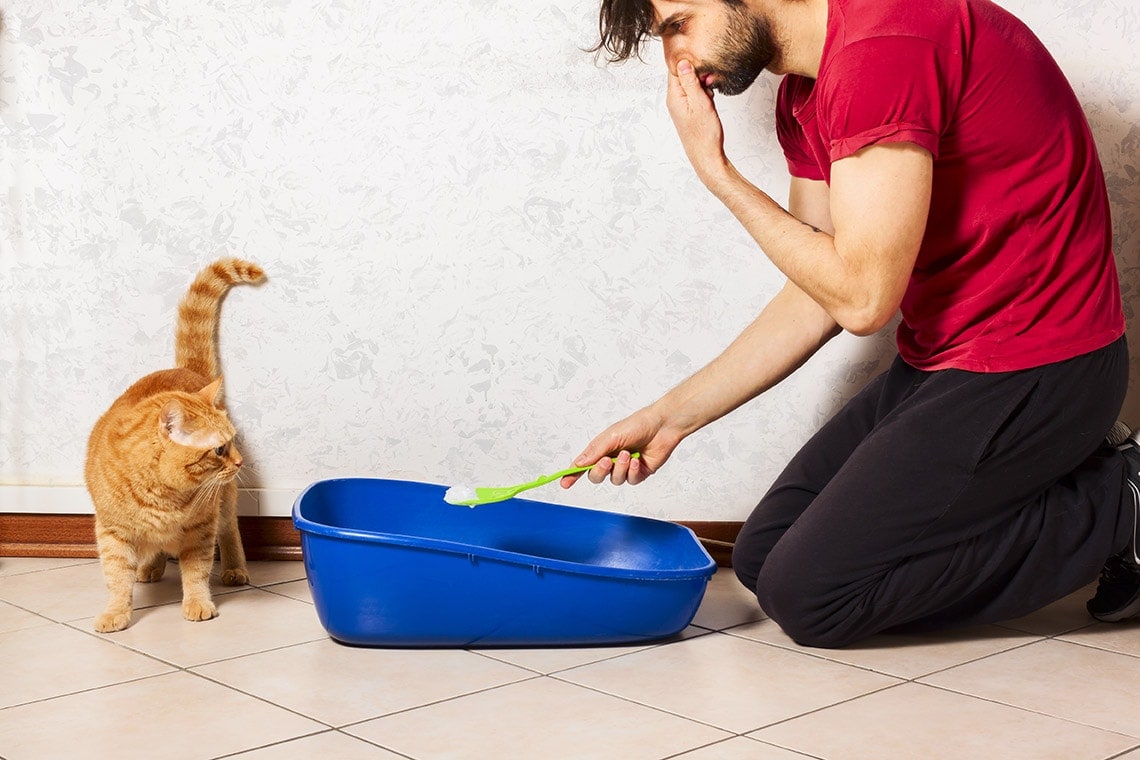
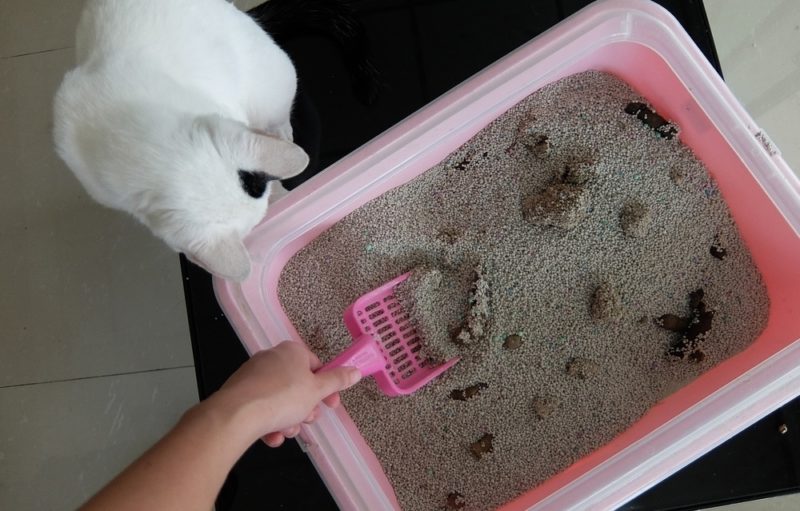
We’re probably all in agreement that cat urine is one of the most offensive smells around. It has a way of lingering in your nasal passages and extending the unpleasant olfactory experience. The longer the cat urine sits on a surface, the more pungent the aroma. The smell of cat feces is not much better, but we must concede that that is true of any species’ feces!
The sooner you remove freshly deposited waste matter, the easier it will be on your nose. It’s not a difficult habit to get into. Usually, there will be a telltale aroma to signal fresh deposits, and you can act swiftly to remove the source of the olfactory offender. If the litter box is in a more “private” location, you may not immediately be aware of fresh deposits. I

Litter Box 101
There are many considerations when setting up your kitty’s toilet. We won’t deep dive into the topic in this article, but we have highlighted some of the most critical aspects as a jumping-off point below:
How Many and Where?
Which Design?
Accessories
Tips For Keeping Your Cat’s Litter Box Clean
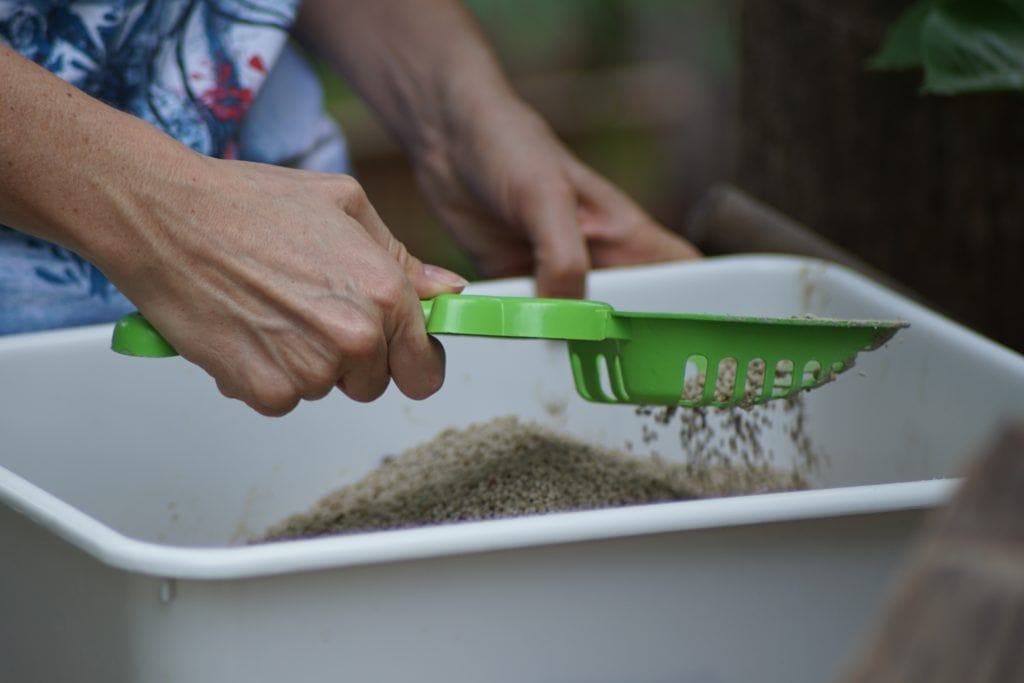
After setting up your cat’s litter box, it’s now a matter of maintaining them. This is a relatively simple exercise but here are some handy tips to help streamline the process and remove any of the guesswork.
- Consider donning gloves and a mask if you are concerned about the pathogen threat.
- If you are pregnant or immunodeficient, ask another family member to clean the litter box.
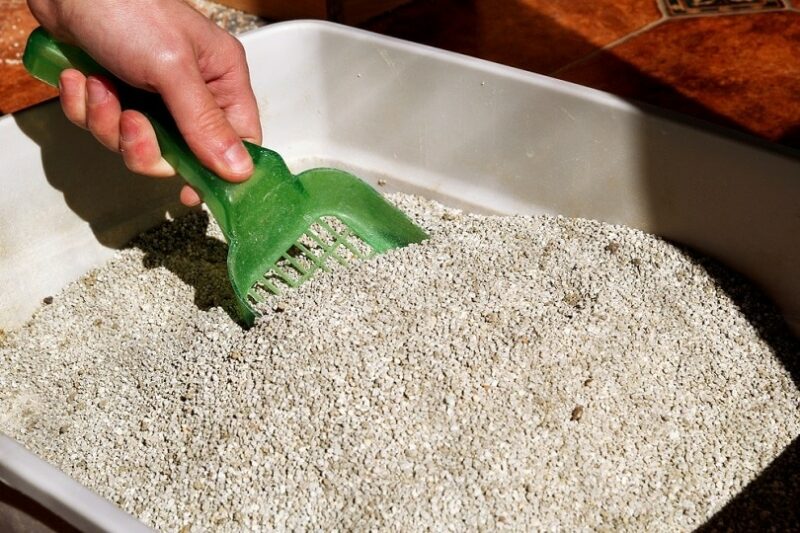
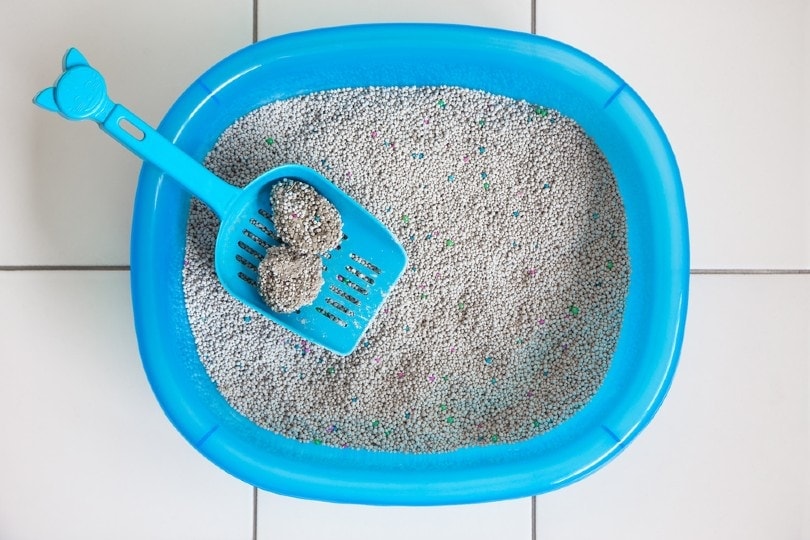
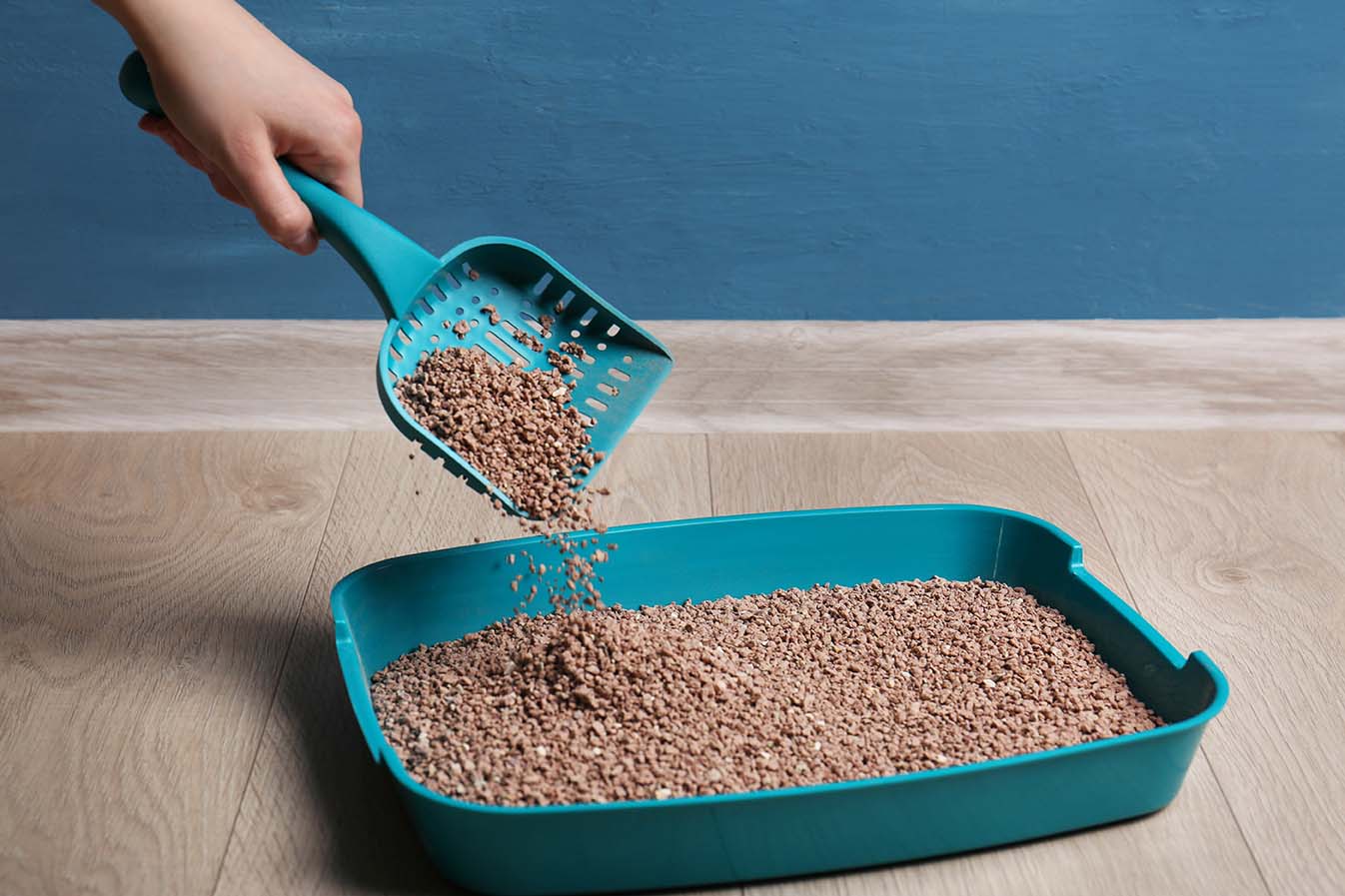
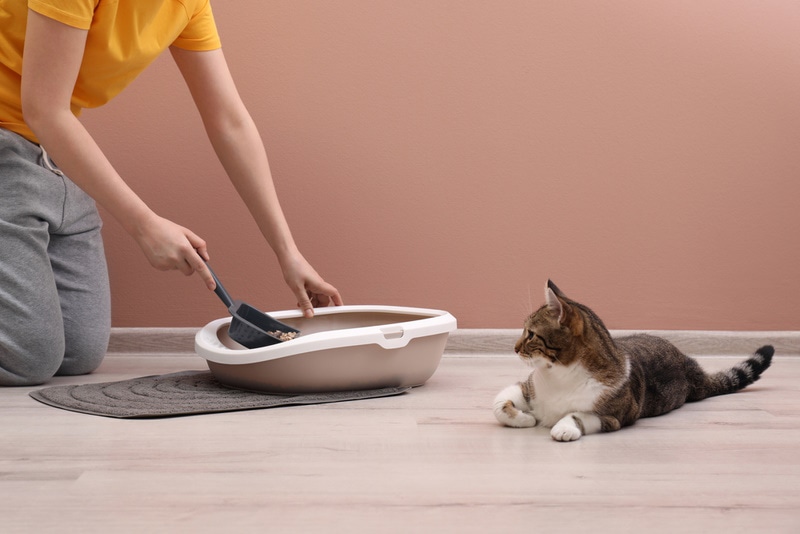
- Scoop often and thoroughly. You can’t over-clean a litter box. You should remove the waste at least once a day and more often if multiple cats are in the household. Remember to top up with fresh litter when necessary to make sure your cat can dig comfortably.
- Some cats are less precise than their species has a reputation for. Sometimes, the side of the litter box is soiled by your cat. Be prepared to wipe up poo smears and urine spills.
- Wash the litter box thoroughly with warm water and soap every week or two. At the same time, you should replace the kitty litter with a fresh batch.
- Baking soda is a fantastic odor absorber. You can sprinkle a small amount on the bottom of your cat’s litter box to help eliminate the worst odors.
- Wash your litter box mat regularly.
- Wash your hands thoroughly after working with or cleaning your cat’s litter box. Even if you used gloves!
These are just guidelines, and the regularity of some of these suggestions may vary depending on your kitty’s habits or the number of felines in the family.
Conclusion
Whether you’re a new cat owner or a seasoned feline aficionado, we hope you’ve found this article’s information and tips interesting and hopefully useful. Keeping your cat's litter box clean is a rotten job at best, but it’s one that delivers a great sense of satisfaction each time it’s completed. You can know that you are helping keep your kitty and family happy and healthy by maintaining a hygienic and tidy living environment.
Sources
https://www.westhillvet.com/the-importance-of-keeping-a-clean-litter-box/
https://www.rspca.org.uk/adviceandwelfare/pets/cats/environment/litter
https://vcahospitals.com/know-your-pet/internal-parasites-in-cats
https://www.petmd.com/cat/conditions/urinary/urinary-tract-blockage-cats
https://www.petmd.com/cat/conditions/urinary/utis-cats-urinary-tract-infections-cats
Featured Image credit: New Africa, Shutterstock
Get Hepper In Your Inbox


Pet care tips from our vets and experts, straight to your inbox.
You may opt-out at any time. View our Privacy Policy for more information.
Eleanor is a high school Math and Science teacher and freelance writer. She lives in the lush KwaZulu Natal Midlands of South Africa with her six-year-old son, horse, cat and three chickens. As an animal devotee, science graduate and life-long learner, she is overjoyed to be able to turn her passions into helpful articles for pet parents. Eleanor and her son love to explore their beautiful country in their spare time. Road-tripping to interesting camping destinations is a favorite pastime. They particularly enjoy relaxing near the ocean, in the mountains or surrounded by African wildlife.
Eleanor is a high school Math and Science teacher and freelance writer. She lives in the lush KwaZulu Natal Midlands of South Africa with her six-year-old son, horse, cat and three chickens. As an all-time animal devotee, science graduate and life-long learner, she is overjoyed to be able to turn her passions into informative and helpful articles. Eleanor and her son love to explore their beautiful country in their spare time. Road-tripping to interesting camping destinations is a favorite pastime. They particularly enjoy relaxing near the ocean, in the mountains or surrounded by African wildlife.
Join the conversation
Ask a question, share your story, or send private feedback.