Hepper is reader-supported. When you buy via links on our site, we may earn an affiliate commission at no cost to you. Learn more.
Do Dogs Chew Their Food? 5 Vet-Approved Tips to Get Them to Slow Down


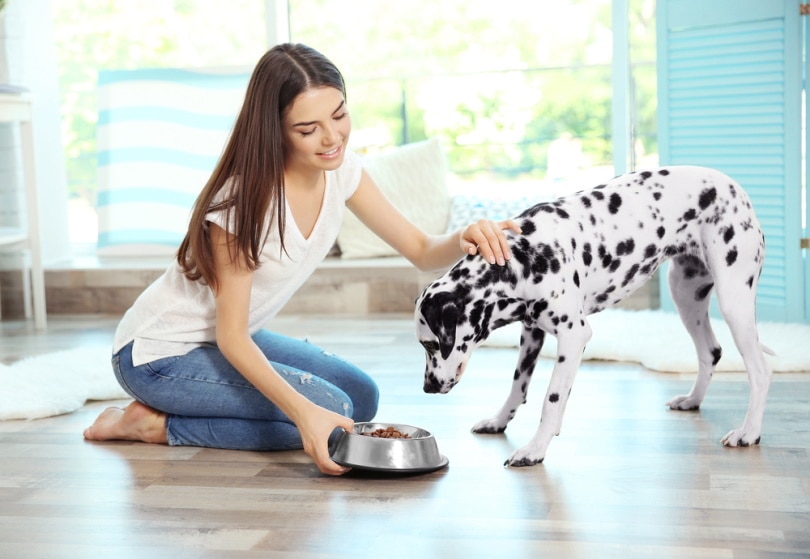
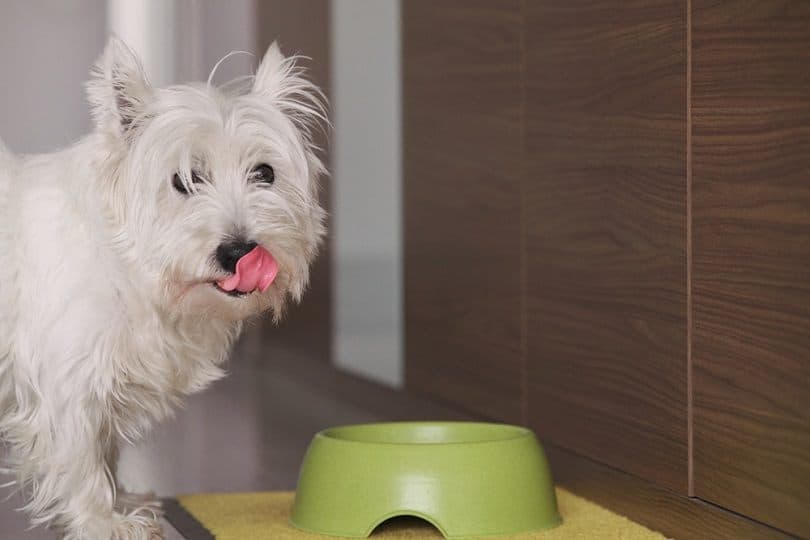
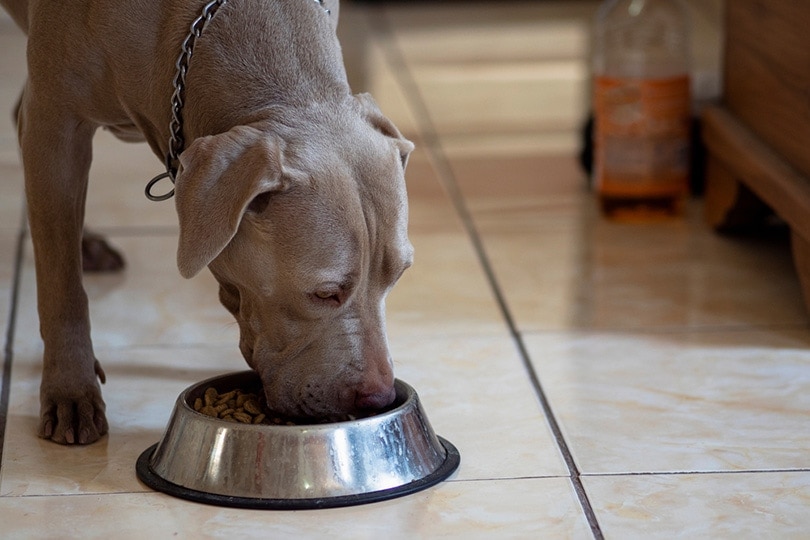
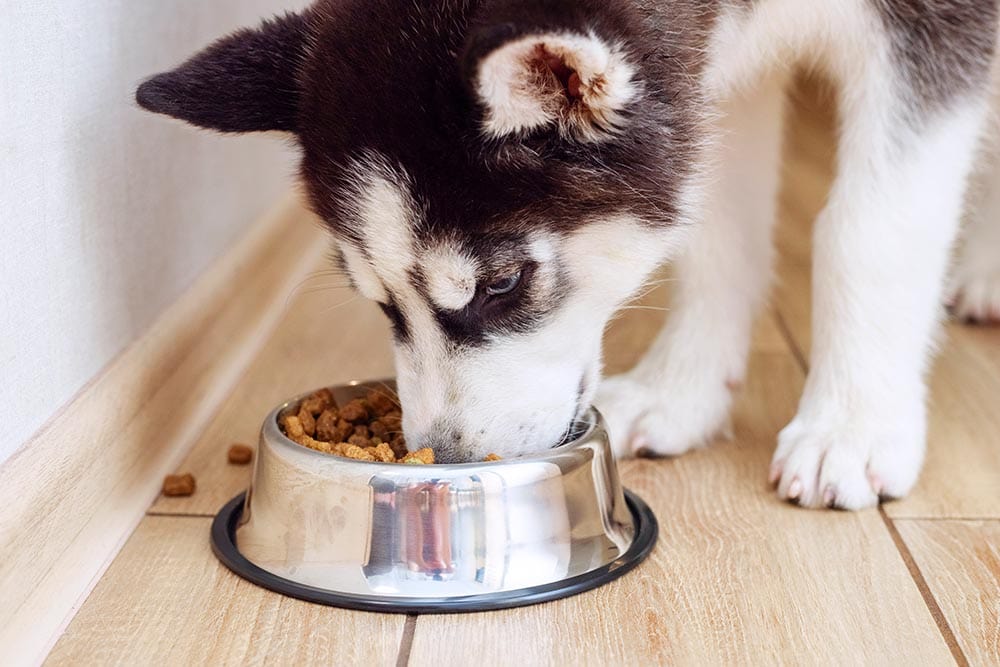
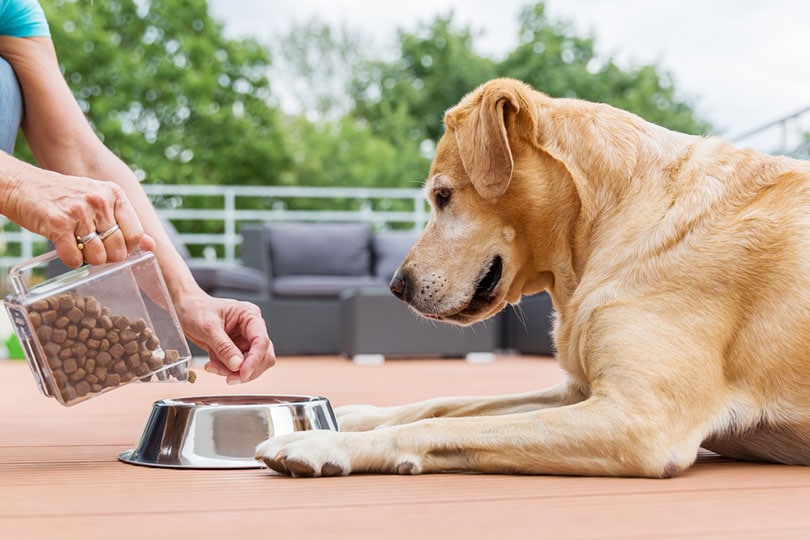
Dogs love to eat food. They will happily eat whatever kibble you provide them with, and they will never pass up an opportunity to grab whatever food their family members happen to leave behind on an accessible plate or tabletop. Some dogs even get into trouble by trying to scavenge food from the garbage can!
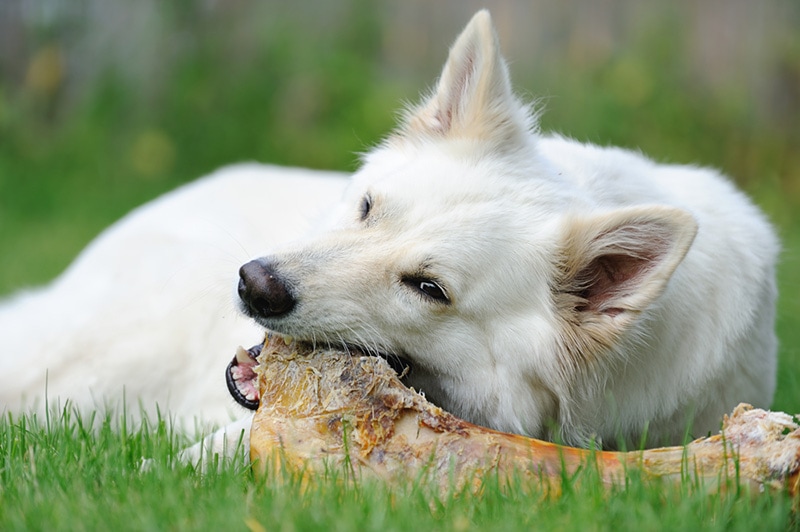
So, it should come as no surprise that some dogs don’t chew their food well, if at all, while they are eating. Your dog’s teeth are not designed to chew on kibble. Instead, dog teeth are perfectly designed to deal with raw meat and gnaw on bones. Their teeth have a pointy surface which is perfect for hunting food, tearing it up, and swallowing it whole. Their molars do not have any flat surfaces that would allow for grinding and chewing.
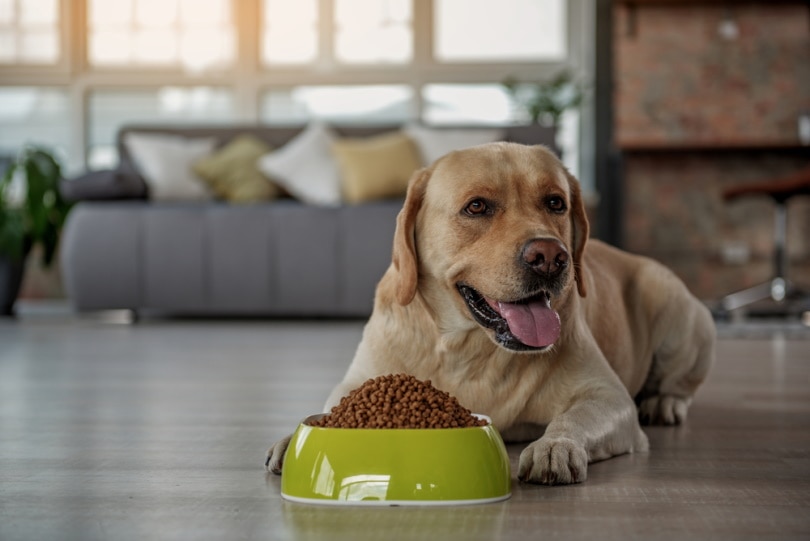
This results in many dogs gulping their kibble too fast. Unfortunately, this doesn’t do your dog any favors, as it can be a choking hazard and makes it tough for them to digest their food, increasing the risk of bloat. Luckily, there are a few things that you can do to get your dog to slow down while eating its food.

Top 5 Ways to Slow Down Your Dog’s Eating
1. Utilize a Slow Feeder Bowl
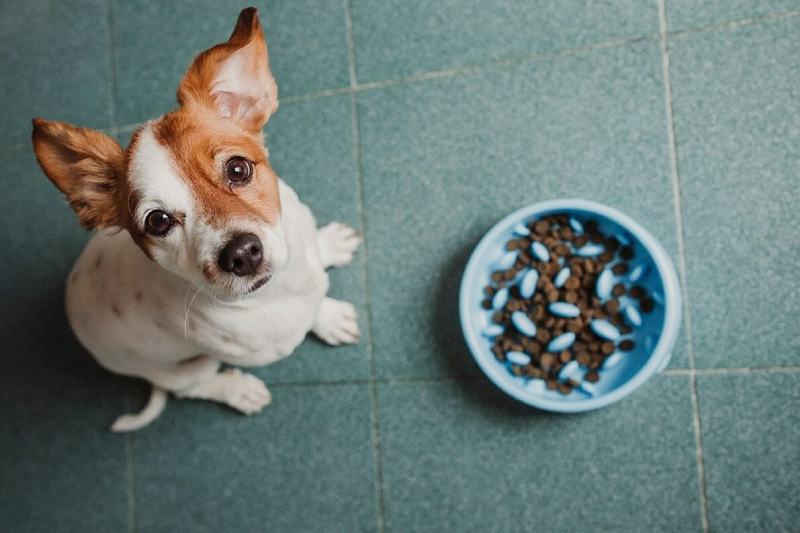
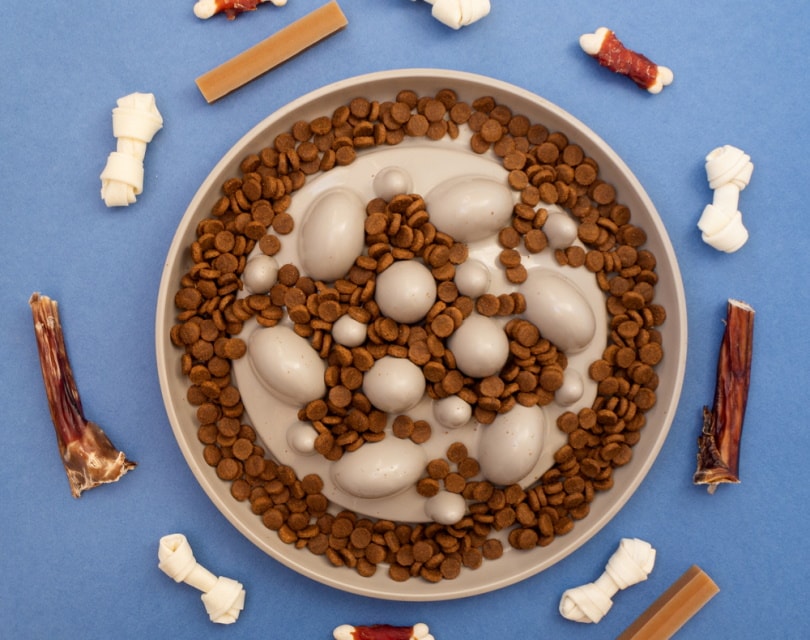
A great way to get your dog to slow down while eating its food is to offer its meals in a slow feeder bowl. This type of bowl acts like a puzzle, with ridges and crevices throughout the interior. Your dog will not be able to simply dig in and swallow up its food. Instead, they'll have to eat around the obstacles, which should slow them down and force them to chew as they eat.
2. Put an Obstacle in Their Food Bowl
You can create your slow feeder bowl of sorts by putting an obstacle in your dog’s regular food bowl before filling it with kibble. There are many options to consider using, many of which are likely already hanging out somewhere in your home. Here are a few ideas:
- Tennis ball
- Smooth rock
- Plastic dog toy
Just make sure the object that you use is not sharp, is large enough that it cannot be swallowed, and is sterilized. Think outside of the box, and try different objects until you find one that works best.
3. Put the Food Bowl Away
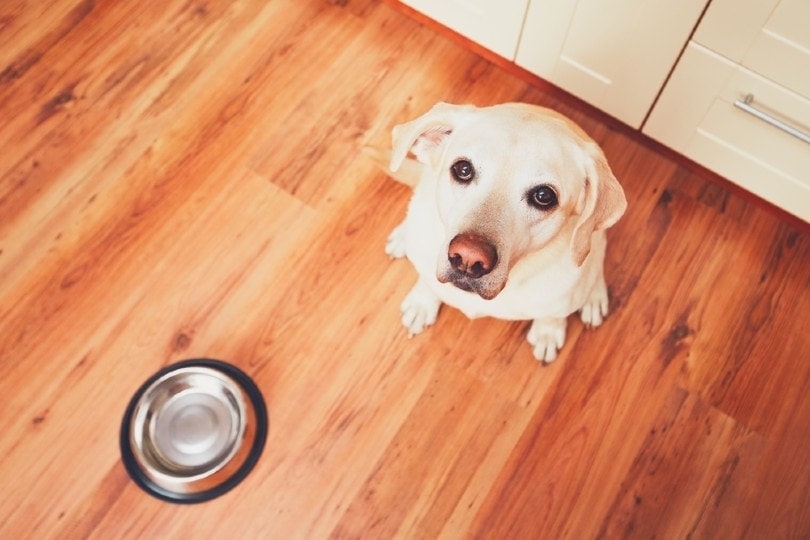
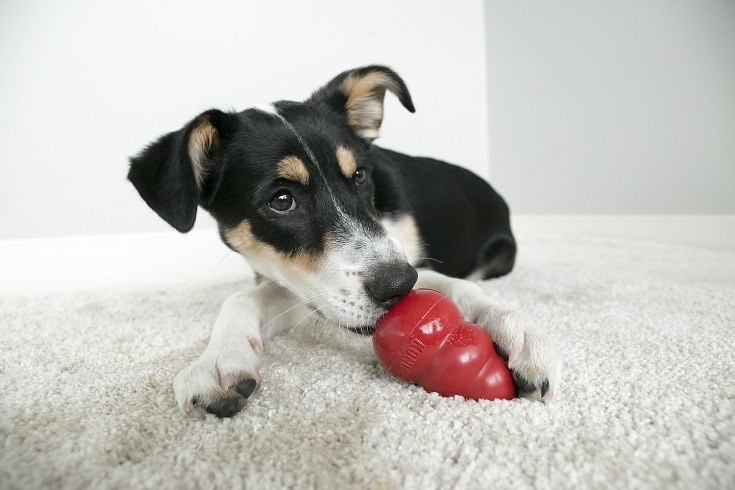
Another option that can help encourage your dog to slow down while eating its food is to put away its food bowl altogether. That’s right, forget about the bowl! Put kibble in a treat toy, such as the KONG Classic or the Starmark Bob-a-Lot. These toys only release a few pieces of food at a time, giving your dog time to chew before retrieving more.
You can also simply place a few pieces of kibble at a time on the clean kitchen floor and let your dog eat those before giving them more. If your dog eats the kibble too quickly, wait a while before giving them more so they begin to understand that eating quickly does not make food appear more quickly, so they have plenty of time to enjoy their food.
4. Offer Meals in a Quiet, Isolated Space
Your dog may be eating their food fast because they feel stressed about another dog or human getting to it before they can finish it. If there tend to be many people or other pets around when you feed your dog, try feeding them in a quieter and more isolated space, like a bedroom, bathroom, or even in the garage. If they do not feel like they must compete for their food, they will be more likely to slow down and enjoy every bite.
5. Moisten Your Dog’s Kibble
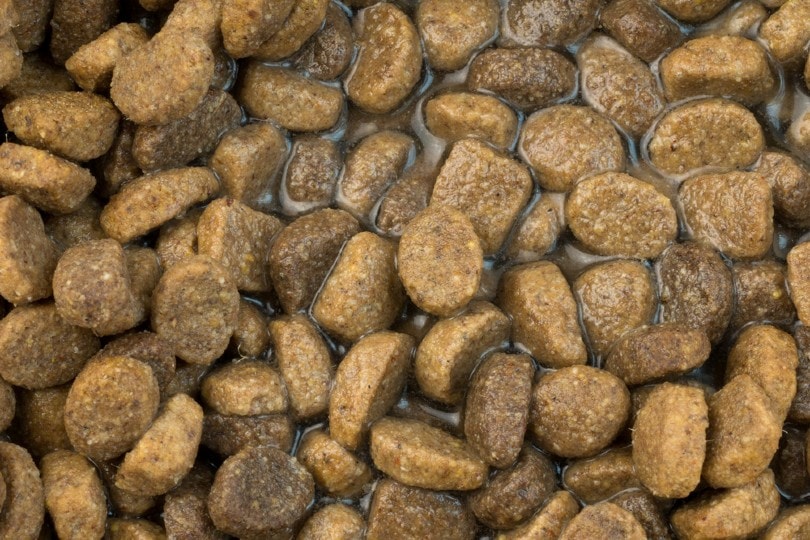
Eating kibble without chewing tends to be easy for dogs because they can just put it in their mouths and swallow it. But wet food makes them slow down a bit and either lick the food or at least smack it in their mouth before swallowing. So, by adding moisture to your dog’s dry kibble, you can create the same texture as the wet food and encourage them to slow down and chew while eating. Add a bit of wet food or water to the kibble, mix it around well, and let it sit while the kibble moistens for about 5 minutes before feeding it to your dog.
Conclusion
The options laid out here should help you get your dog to slow down while eating its food. You may have to utilize more than one of these suggestions to get the results that you’re looking for, so mix and match the options to customize a plan for your dog.
Featured Image Credit: Africa Studio, Shutterstock
Get Hepper In Your Inbox


Pet care tips from our vets and experts, straight to your inbox.
You may opt-out at any time. View our Privacy Policy for more information.
Rachael has been a freelance writer since 2000, in which time she has had an opportunity to research and write about many different topics while working to master the art of fusing high-quality content with effective content marketing strategies. She lives off the grid in Hawaii with her husband, her garden, and her rescue animals including 5 dogs, a cat, a goat, and dozens of chickens. She is an artist at heart and loves to read, paint, and make jewelry in her spare time. As a vegan, Rachael is obsessed with helping animals in need both in her community and anywhere in the world where she feels she can make a difference. Animals also happen to be her favorite topic to write about!
Join the conversation
Ask a question, share your story, or send private feedback.