Hepper is reader-supported. When you buy via links on our site, we may earn an affiliate commission at no cost to you. Learn more.
How to Get a Puppy to Eat Dry Food: 10 Vet-Approved Steps


In this article
Taking home a new puppy can be equal parts exciting and challenging. You’re starting a journey with an amazing companion, and it will be filled with joy, laughter, and a little frustration! At the top of the list of a puppy’s needs is the right food.
Once a puppy is weaned from their mother, they will need to transition to solid food, which includes dry food. Some puppies will take to kibble straight away, while others might decide that they’re not that interested.
Here, we go over 10 different steps to encourage your puppy to eat dry food. This guide also includes a few reasons that your puppy might be refusing kibble.

Why Does Your Puppy Dislike Kibble?
There are several reasons that some puppies refuse to eat dry food. It could be health or teeth issues, or perhaps your puppy is just being picky.
Puppy’s Teeth
The teething period1 for puppies can start at 2 weeks of age and is typically done by the time that the puppy is 8 months old. This means your puppy will chew on everything that they can get their teeth on, and dry food might be difficult to eat if their teeth are bothering them. If you suspect that your puppy might be teething, you should offer softer foods.
Puppy’s Age
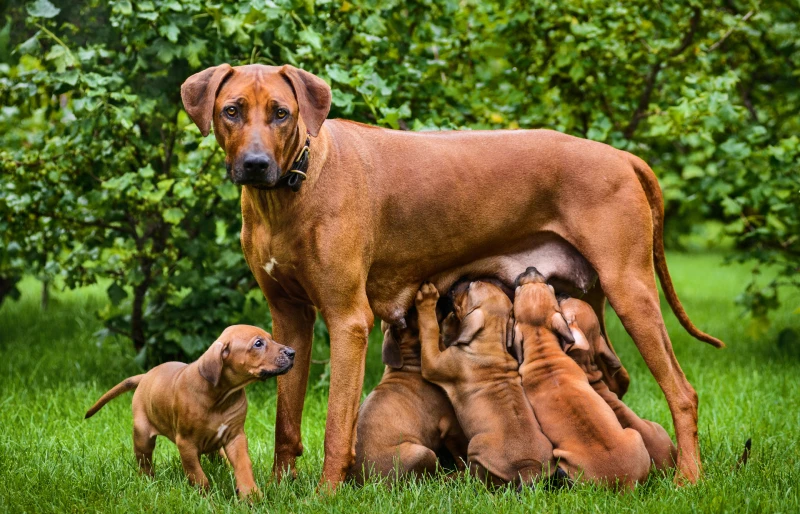
When puppies are fully weaned2, they are about 6 to 8 weeks old. Puppies are about 4 weeks old when they should first be offered solid food, but kibble is best given to puppies over 8 weeks of age.
Puppy’s Health
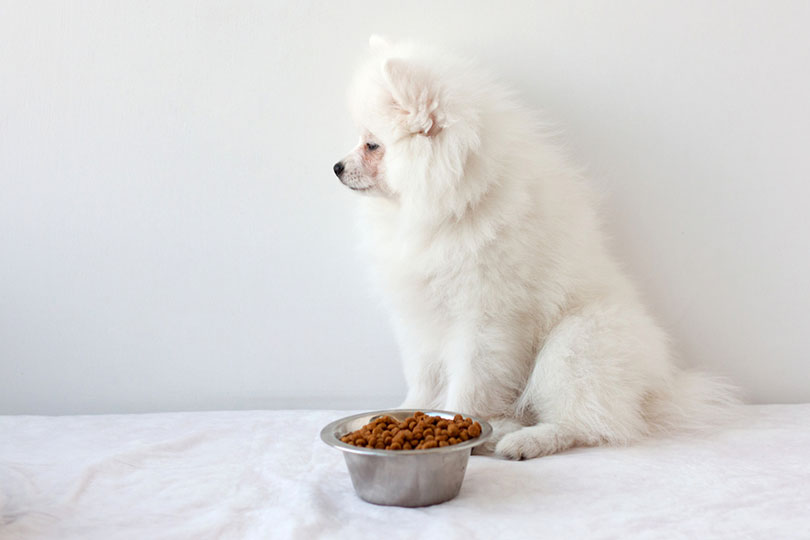
If your puppy didn’t mind the kibble at first but has suddenly stopped eating, it could be a health problem. A sudden loss of appetite might stem from some kind of stomach upset, so you should bring your puppy to the vet. But if your puppy is still eating everything else, just not the dry food, this could mean you have a picky puppy.
Picky Puppy
If your puppy loves eating wet food, it’s possible that they just don’t like the taste or texture of dry food.
Solving the Problem
Figuring out why your puppy might not love kibble is an important step because it can help you figure out the next steps. Here, we review a few methods that you can use to get your puppy more interested in eating kibble.
Do note that if it's due to a health problem, you need to go to the vet first and then try these tips if your puppy still doesn’t want dry food.

The 10 Steps for Getting a Puppy to Eat Dry Food
1. Start with your vet
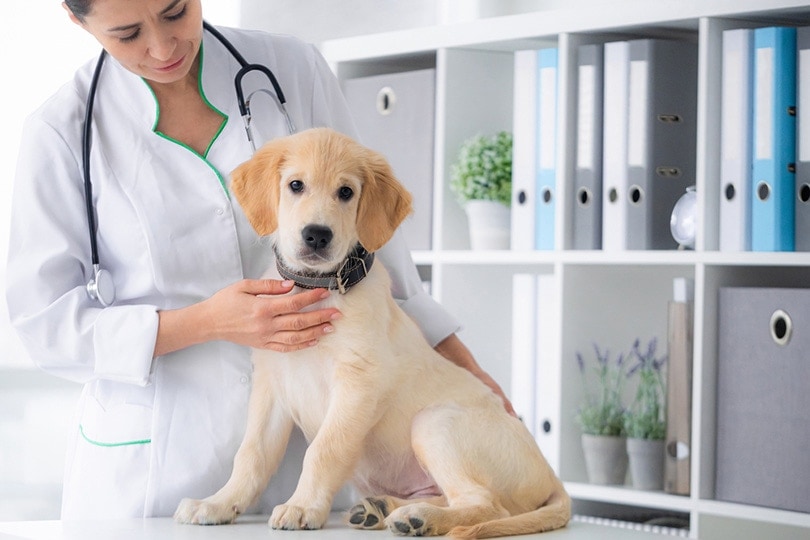
You can ask your vet for input on the best dry foods for your puppy. Your vet has an excellent understanding of what food your puppy needs at this point. They might also have extra advice on how to get your puppy more interested in eating.
2. Find the right dry food
Find food formulated for your puppy’s current weight, age, and breed. There are puppy food recipes made specifically for large breeds and likewise for small breeds. Large-breed puppy food is made to help support the bones and joints of large dogs, and the kibble size is perfect for their large mouths and teeth. Small dogs need small kibble and a recipe that helps sustain all that boundless energy!
3. Moisten the kibble with warm water
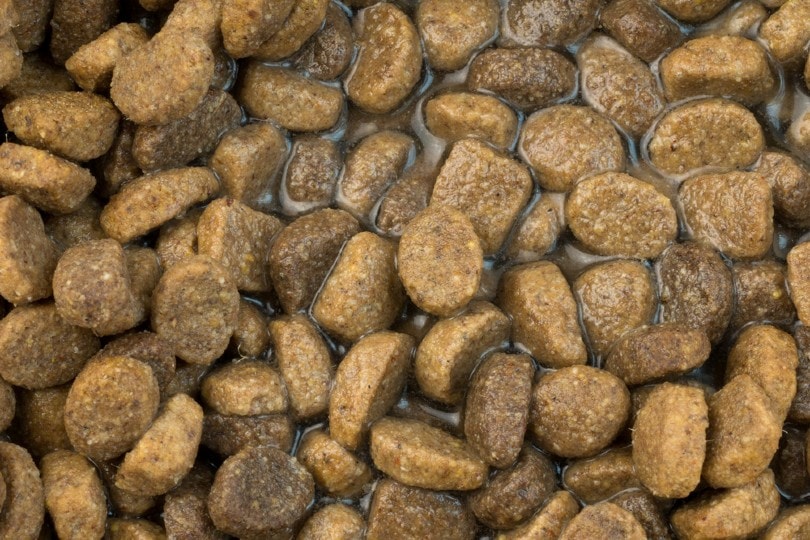
Once you’ve found high-quality and appropriate puppy food, you’ll need to experiment. Start by pouring 1 part of warm water into 3 parts of dry food. This should just be enough to moisten it. Let it sit for several minutes before letting your puppy eat it.
If this doesn’t seem to work, you can try warming it up in the microwave for about 10 seconds. This will boost the aroma and might trigger more interest from your puppy. Just be careful that it isn’t too hot.
4. Moisten the kibble with puppy formula
This time, instead of using warm water, you can try puppy formula. The formula is full of prebiotics, probiotics, vitamins, and minerals, and it tastes great!
If your puppy loves the formula and kibble mixture, you’ll need to gradually reduce the amount of formula over the course of a week or two until your puppy is eating just the kibble.
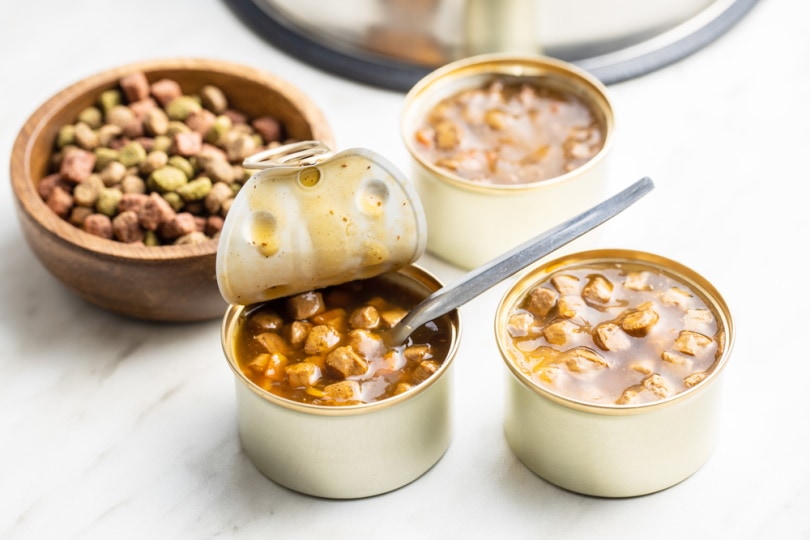
5. Add wet food to the kibble
You’ll want to either talk to your vet about the best wet food for puppies or use a canned food that’s the same brand as the dry. If that’s not possible, it should at least have the same kind of ingredients, so if the dry food is chicken based, find a chicken-based wet food.
This can help if your puppy already likes wet food, so you just mix it in with the kibble. You can try warming the canned food or leave it at room temperature.
If the puppy still doesn’t seem to like it, try it at a different temperature or use another canned food. You can also try adding just a few kibble pieces to start and gradually increase the number.
6. People food is off-limits
While you’re trying to get your puppy adjusted to a new solid food diet, you’ll need to not give your pup any “people” food. Ensure that everyone in the house knows about this rule.
Puppy treats should only be used for training at this time. Don’t give them extra treats because you don’t want your puppy to fill up on people food and treats while you’re working on your puppy’s diet.
7. Routine might work
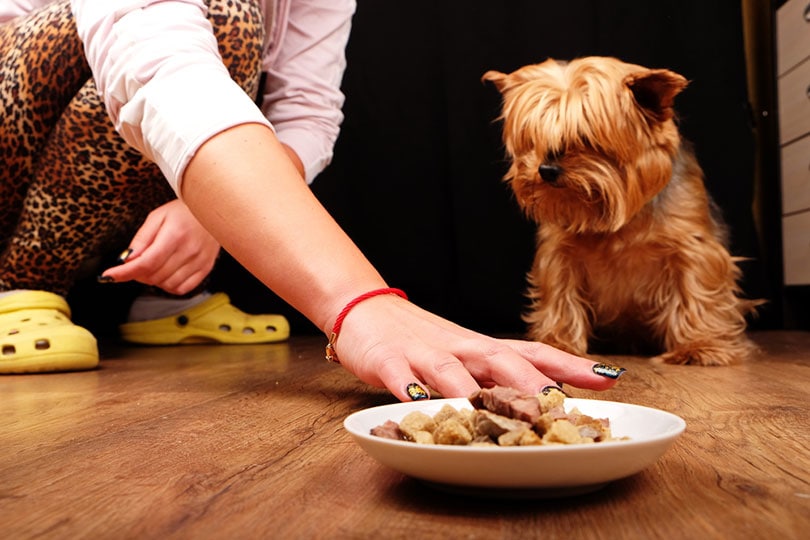
Puppies need to eat three meals every day until they are about 6 months old. Put your puppy’s food down at three specific times, for breakfast, lunch, and dinner, and remove the bowl after 10 minutes if your puppy isn’t eating it. After a while, your puppy might start to eat.
8. Routine might not work
Puppies are easily distracted, and a formal mealtime routine might not work for every puppy. Sometimes the world is too full of interesting things to explore, rather than having to stand around and eat a meal.
If you’ve noticed your puppy getting distracted while eating, place the kibble in a location that has easy access for the puppy and leave it there. This way, your puppy can take a few bites while passing by, and they aren’t skipping entire meals.
Once your puppy is about 6 months old, they aren’t quite as easily distracted, so you can start scheduling mealtimes.
9. Try a new flavor
If you’ve tried these tips and it’s still not working, it might simply be that the kibble isn’t the right flavor. Fish-based foods tend to be appealing to many dogs, so look for fish-flavored puppy food. You can ask manufacturers and your local pet store for samples if you need to do a bit of experimenting.
Also, if you have a large amount of leftover puppy food that your puppy won’t eat, try donating it to a local animal rescue or shelter.
10. Try a new bowl
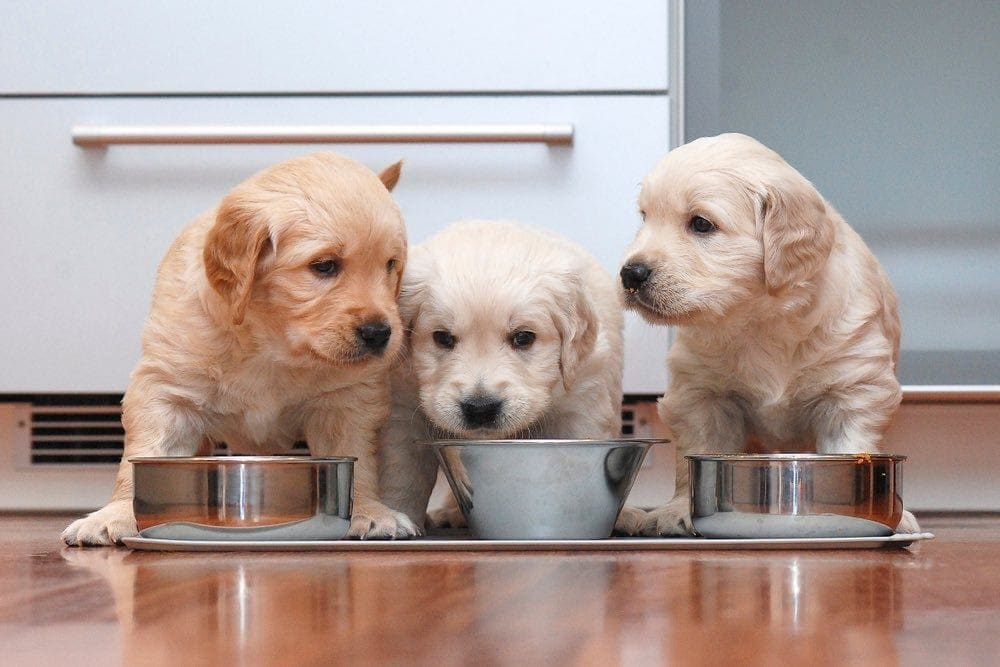
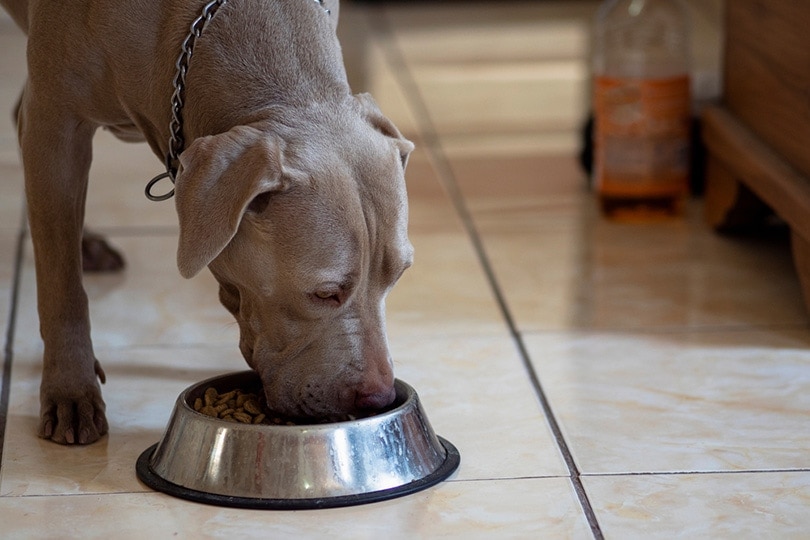
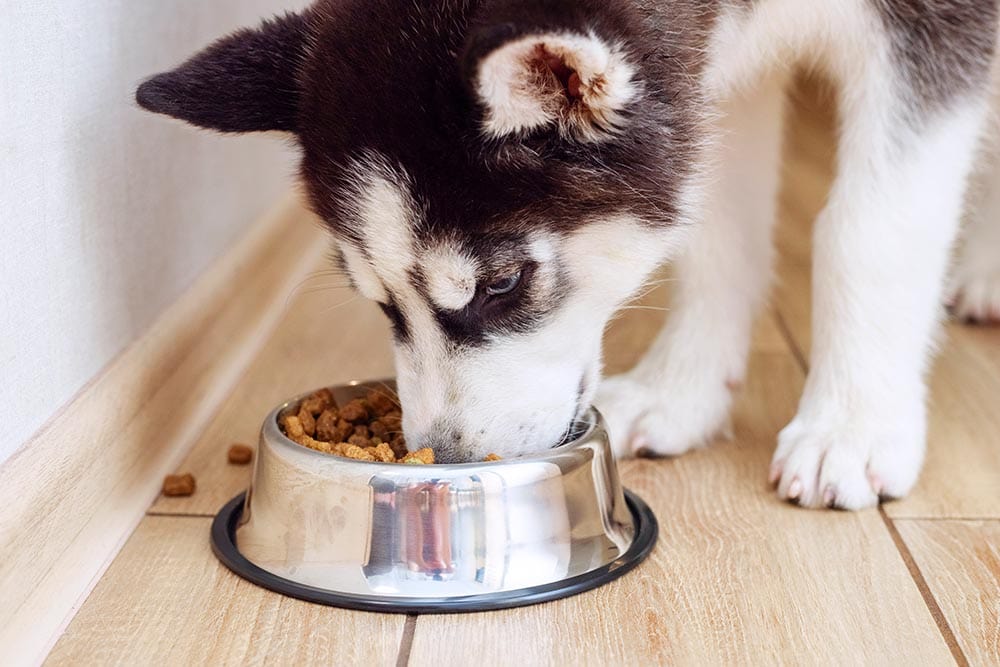
Maybe your puppy just doesn’t like the food bowl. If the bowl is deep, get one that’s shallow. If it’s stainless steel, try ceramic. Some puppies might get scared off by their reflection in a stainless-steel bowl or their tags hitting the metal sides. You can also try different colors.
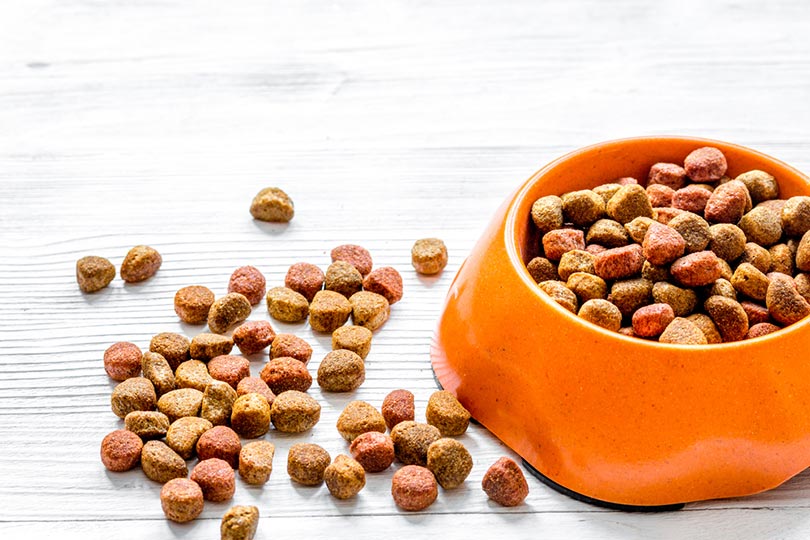
However, before purchasing a new bowl, try putting kibble on the floor and see if they have no trouble eating it there. This can help confirm that the bowl is the issue and not the kibble.

Conclusion
In general, puppies need a great deal of time and patience for practically everything, and getting them to eat dry food is no different. It’s okay if a dog only wants to eat wet food, as it’s nutritionally balanced and adds extra hydration to your dog’s diet. But in this case, you might want to invest in crunchy treats designed to keep your dog’s teeth in good health. Always check with your vet, who might give you other ideas.
There are also a few fun ways of feeding your puppy, like using a puzzle feeder. This can include a ball that contains kibble that drops out as your puppy rolls it around. With time and perseverance, your puppy may start eating kibble before you know it.
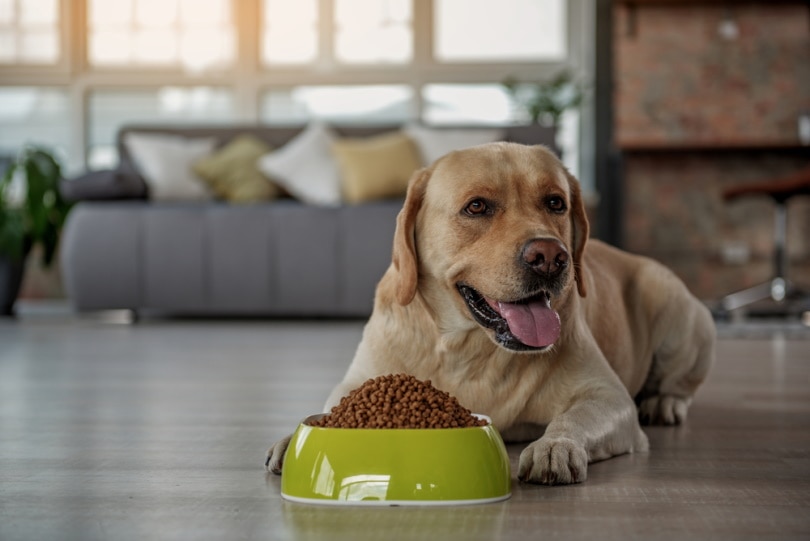
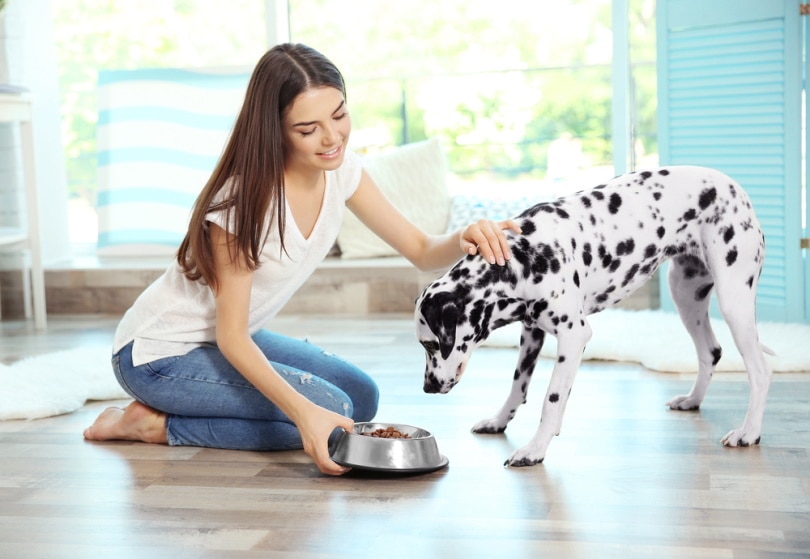
Featured Image Credit By: Andrii Spy_k, Shutterstock
Get Hepper In Your Inbox


Pet care tips from our vets and experts, straight to your inbox.
You may opt-out at any time. View our Privacy Policy for more information.
Kathryn was a librarian in a previous lifetime and is currently a writer about all things animals. When she was a child, she hoped to work in zoos or with wildlife in some way, thanks to her strong love for animals. Unfortunately, she's not strong in the sciences, so she fills her days with researching and writing about all kinds of animals and spends time playing with her adorable but terribly mischievous tabby cat, Bella. Kathryn is hoping to add to her family in the near future – maybe another cat and a dog.
Join the conversation
Ask a question, share your story, or send private feedback.