Hepper is reader-supported. When you buy via links on our site, we may earn an affiliate commission at no cost to you. Learn more.
How to Stop a Dog from Chewing Furniture: 10 Simple Tricks
In this article
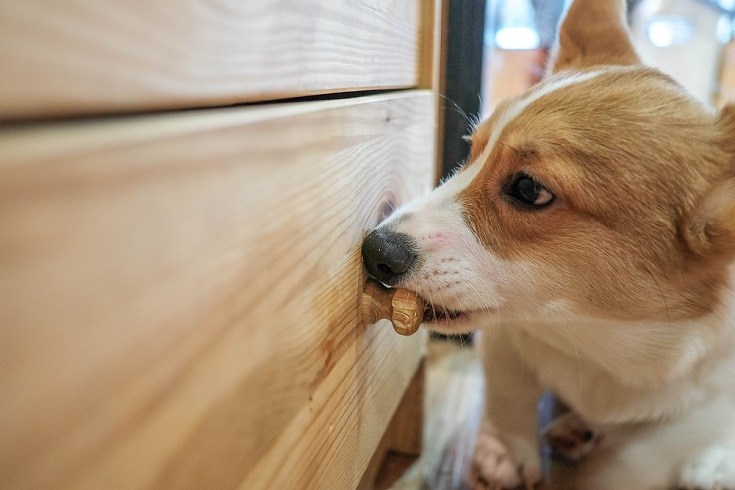
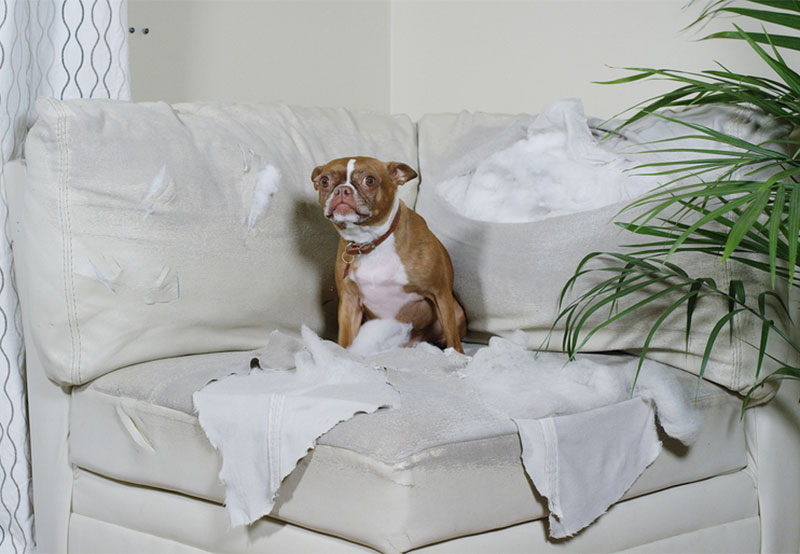
A frustrating aspect of owning a dog is chewing! Some dogs tend to destroy our belongings, including furniture, which can be difficult to fix and even more expensive to replace.
The best solution is to address the root of the problem and find methods to stop your dog's destructive chewing. Here are 10 tips that should help prevent your dog from chewing and ruining your furniture.
If you need help with training your dog, we suggest speaking with a vet online.

The 10 Simple Tricks to Stop Dogs from Chewing Furniture
1. Purchase Chew Toys
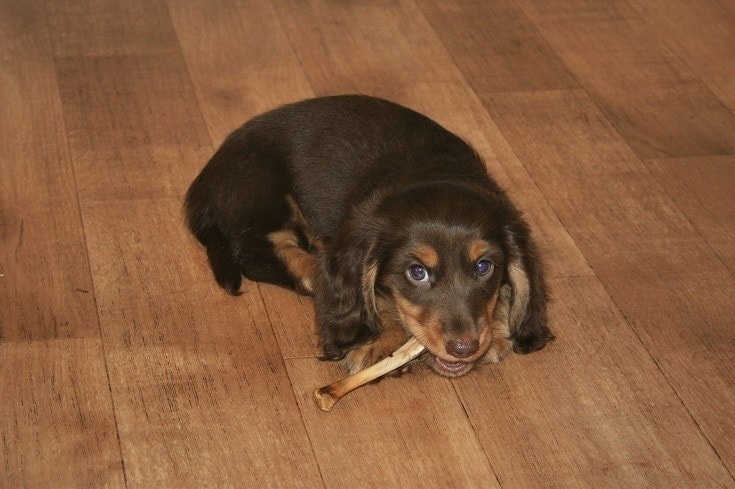
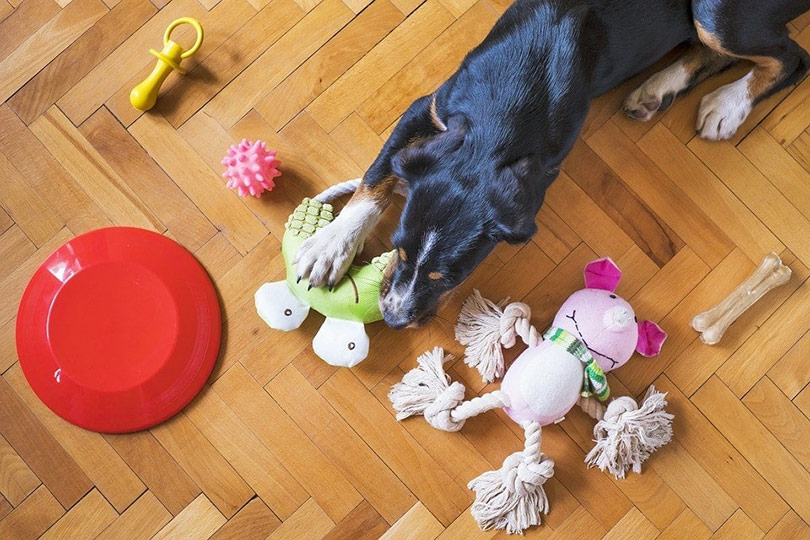
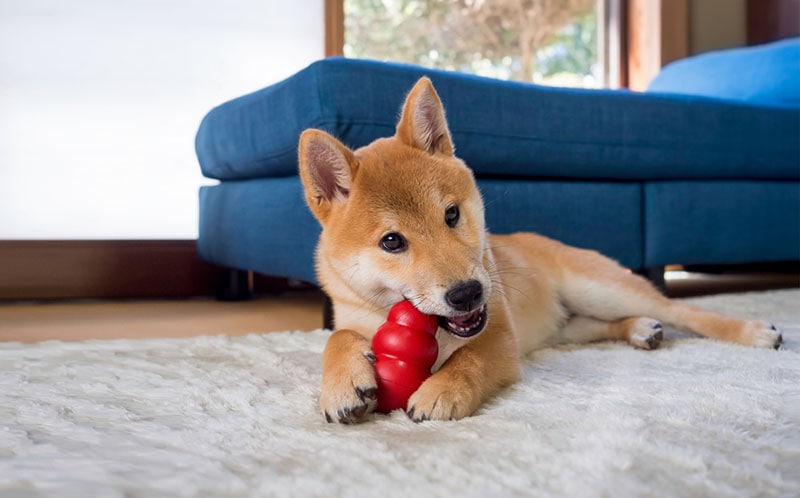
The first and best step is to ensure that your dog (or puppy) has enough chew toys, which should help guide them away from inappropriate chewing. You might need to try a variety of different toys until you find the ones that your dog loves.
KONG comes in various sizes and forms and can be filled with one of your dog’s favorite treats, such as peanut butter. You can also try natural chews, such as dog-safe antlers.
You should always supervise your dog while they are chewing and remove any small pieces that they chew off. Shop for chews that suit your dog: Get small chews for small dogs or really tough chews for power chewers.
2. Only Use Distinguishable Chew Toys
When you’re offering your dog something to chew, ensure that it's distinguishable from anything that you don’t want them chewing.
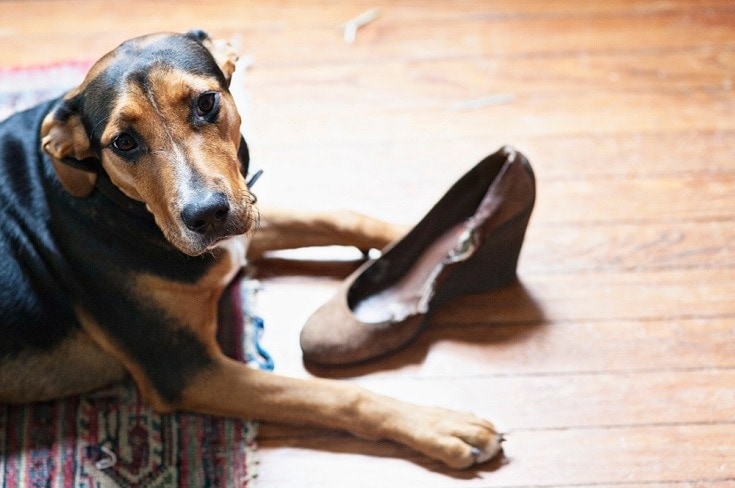
For example, if you give them a shoe or sock to draw them away from the furniture, they will start chewing your shoes and socks.
3. Make Your Furniture Undesirable
To make your furniture undesirable, you can try a repellent spray that’s safe for furniture. It’s designed to taste bad, so your dog should lose interest in chewing anywhere it's been sprayed.
However, this must be used in conjunction with the other tips on this list. Your dog should have several chew toys that they can enjoy instead of furniture.
4. Use Positive Reinforcement
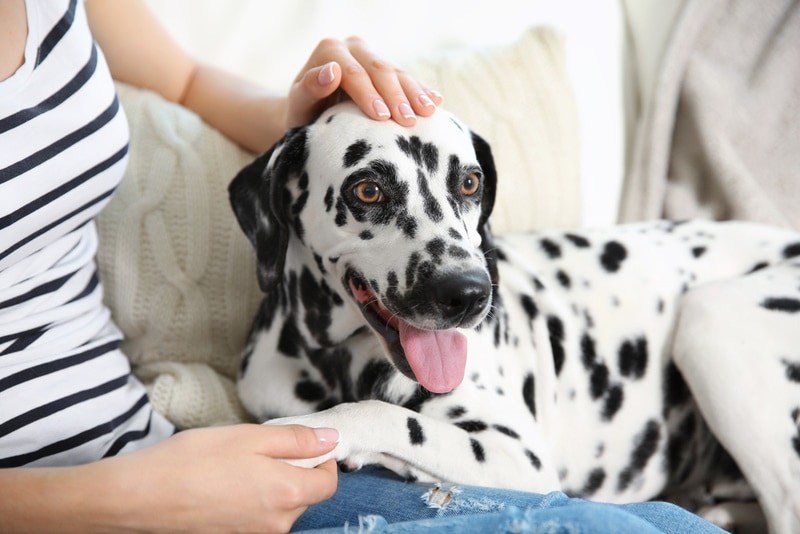
Using redirection with positive reinforcement can help against undesired chewing. When your dog starts to chew on the couch, immediately give them a chew toy, followed by praise and maybe treats when they take the chew toy over your furniture. You’re trying to build a positive association between your dog and appropriate chews.
You should keep high-value treats on hand if your dog is reluctant to stop chewing on your furniture. You need to trade something that your dog wants more than what they are currently chewing on.
You can try teaching them the command “give,” which will tell them to release what they are chewing in exchange for a toy or treat.
If you forcibly remove them from the thing that they are chewing, they might develop guarding behaviors or run away with the item still in their mouth.

5. Never Give Chase
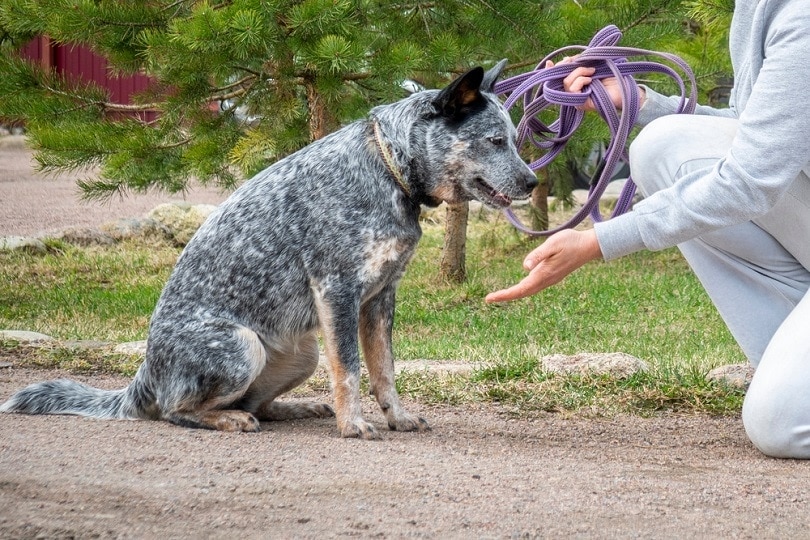
If your dog is chewing on a shoe and they see you coming and grab the shoe and run, don’t chase them. This will only turn it into a fun game for them. Instead, call them back to you, and use an enticement like a treat when they listen and give you the item back.
6. Always Supervise
While you’re still in the training phase of getting your dog to chew appropriate items, you should have them under constant supervision so they don’t sneak off and start chewing your furniture.
This means you should keep them on a leash at all times, even while inside. Or you can have a room set up as a safe space, which means it only has chew toys and water. There should be nothing in the room that your dog can damage by chewing.
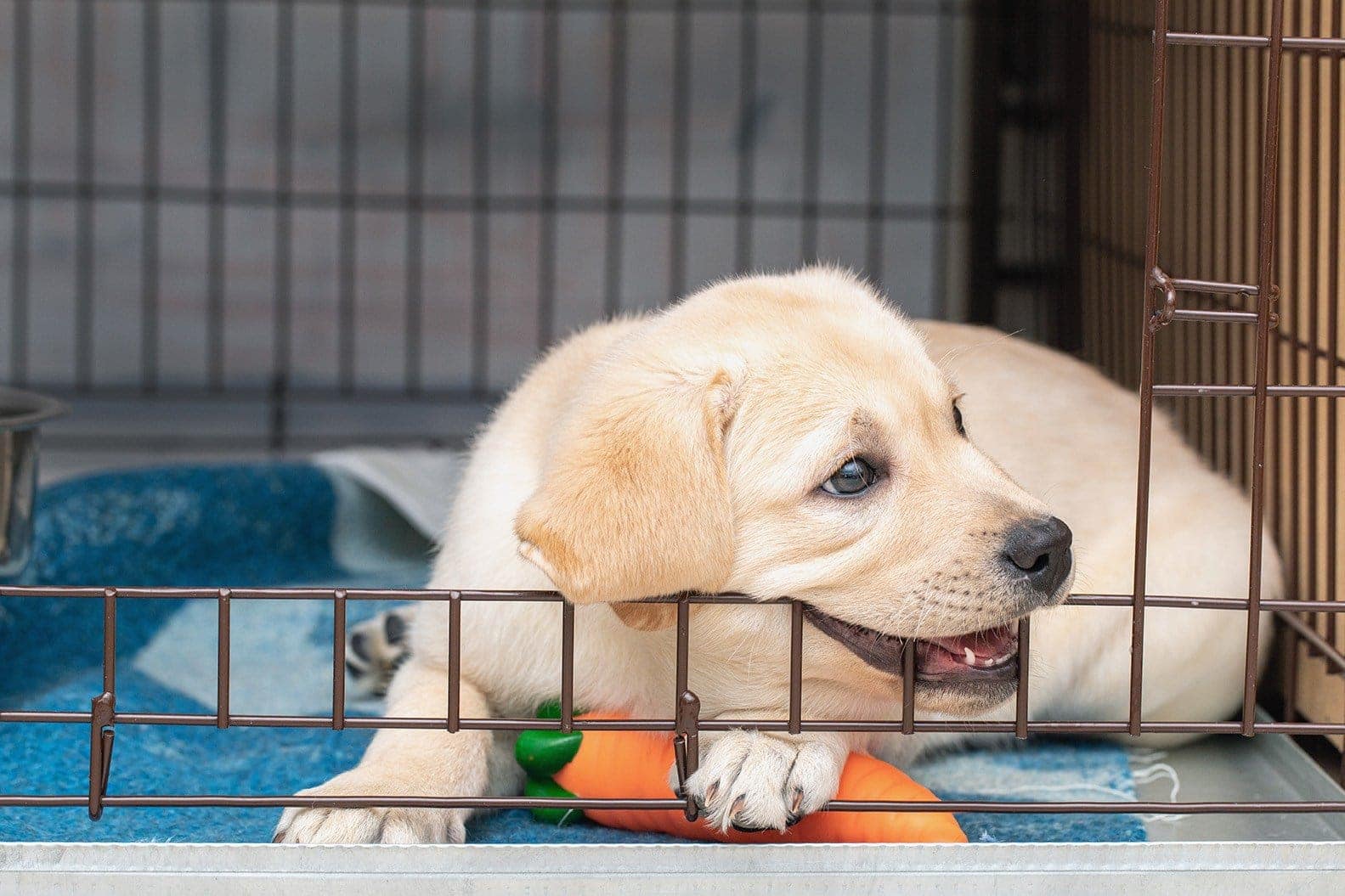
You can put your dog in their crate if they are crate trained, but keep in mind that a crate isn’t meant for punishment; it should be a place where they feel safe. You can try something like a baby gate or exercise pen instead.

7. Get Teething Toys
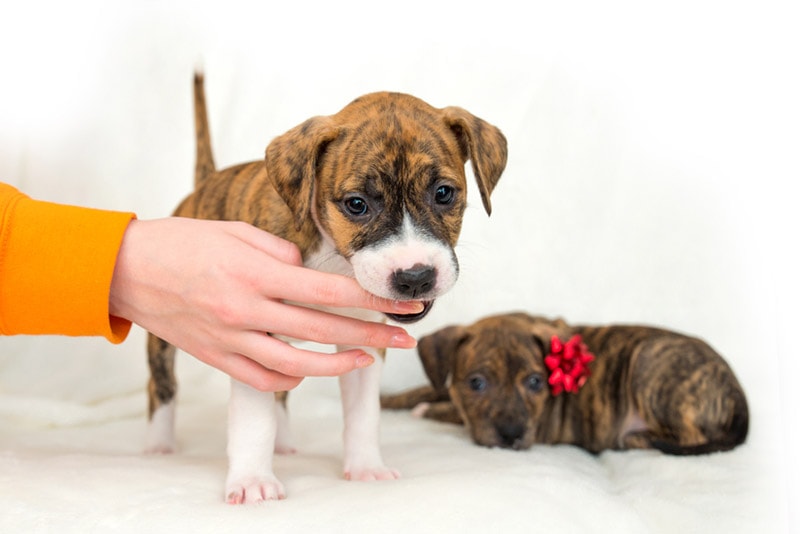
Puppies spend a great deal of time chewing due to teething discomfort. You can find chewing toys specifically designed for puppy teeth, which you can place in the freezer to soothe their sore gums.
You should also ensure that your place is puppy-proofed, so they don’t chew on something potentially dangerous, such as electrical cords or anything toxic.
8. Provide Plenty of Exercises
Sometimes, dogs chew because they are bored, so you should keep them occupied as much as possible, both physically and mentally. This will also tire them out, making them less likely to get into trouble.
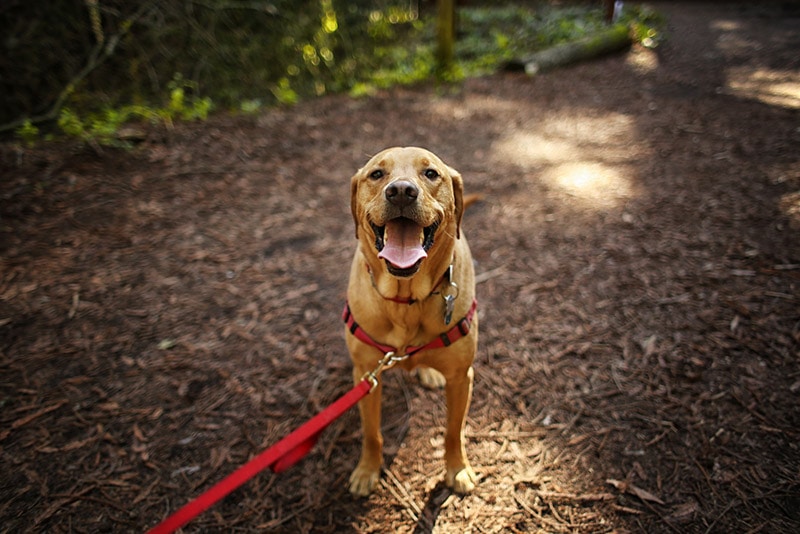
Take them for long walks and hikes, and spend time playing with them. Get things like puzzle toys for when they’re alone. Don’t forget the chew toys!
9. Always Rotate the Chews
Make a point of purchasing several different chews, but only put out a couple at a time. When your dog gets bored with these, swap out the old ones and bring in new ones. Repeat the process as necessary.
Constantly rotating their toys will keep your dog interested. Consider buying multiple of the same toy if your dog has a favorite. That way, you'll have a replacement when it breaks or wears down.
10. Don’t Judge Too Harshly
If after training, your dog still chews up something of value, just remember that we all make mistakes. Acknowledge how much your dog has improved after all your work.
Simply put whatever your dog might chew out of reach, and follow the steps again. Don't punish them; positive reinforcement is the only way.

Why Do Dogs Chew?
There are several reasons that dogs chew. Besides a teething puppy, the following situations can all lead to destructive chewing:
- Improper puppy training: When puppies start chewing on things, many owners will let it slide because they are so adorable. But this teaches puppies that chewing is okay.
- Boredom: A bored dog is often a destructive dog. When you react to their behavior, your dog has gained your attention, which is probably what they wanted in the first place.
- Separation anxiety: If your dog suffers from separation anxiety, they might resort to destructive chewing.
- No chew toys: If you don’t have the right or enough chew toys, your dog will look elsewhere for something to chew.
- Fear-based: Some dogs might chew as a coping mechanism for feeling anxiety or fear.
If you believe that your dog might be suffering from anxiety or is particularly prone to separation anxiety, you should speak to your vet or consult with an animal behaviorist.
Conclusion
The most important takeaway from this article is to never use punishment on your dog. If you catch your dog in the act of chewing something that they aren’t supposed to, don’t yell at or punish them. Redirect them to an appropriate toy or natural chew instead.
With a great deal of patience and various tools at your disposal (toy chews, taste deterrents, treats, etc.), along with exercise and training, you can teach your dog not to chew on your furniture, and you'll both be happy!
Related Reads:
Featured Image Credit: Skyward Kick Productions, Shutterstock
Get Hepper In Your Inbox


Pet care tips from our vets and experts, straight to your inbox.
You may opt-out at any time. View our Privacy Policy for more information.

Kathryn was a librarian in a previous lifetime and is currently a writer about all things animals. When she was a child, she hoped to work in zoos or with wildlife in some way, thanks to her strong love for animals. Unfortunately, she's not strong in the sciences, so she fills her days with researching and writing about all kinds of animals and spends time playing with her adorable but terribly mischievous tabby cat, Bella. Kathryn is hoping to add to her family in the near future – maybe another cat and a dog.
Join the conversation
Ask a question, share your story, or send private feedback.