Hepper is reader-supported. When you buy via links on our site, we may earn an affiliate commission at no cost to you. Learn more.
Do Dogs Feel Better After Grooming? What You Need to Know
In this article
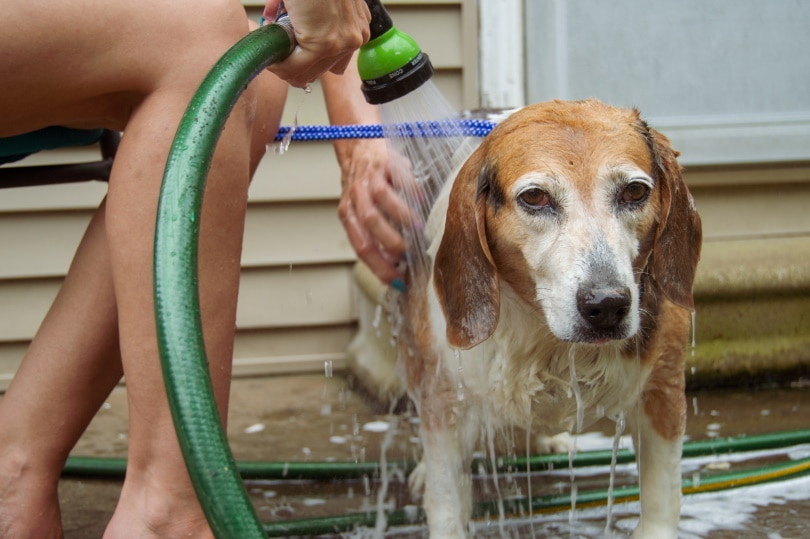
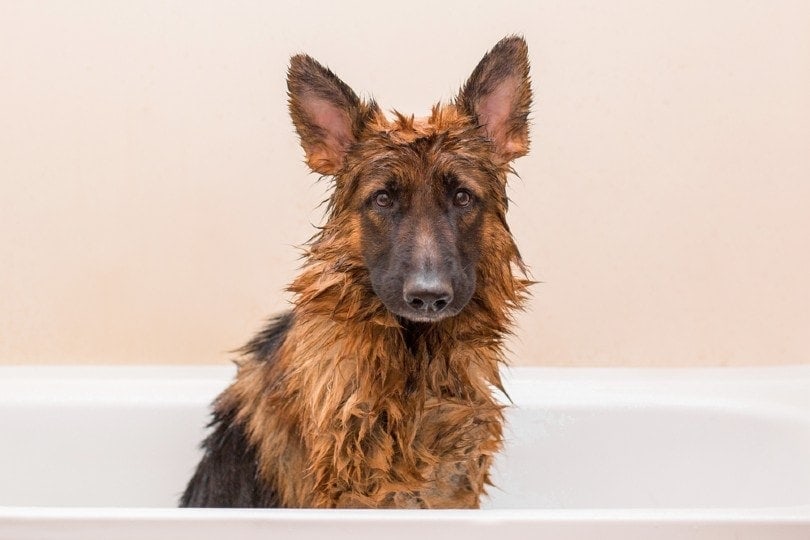
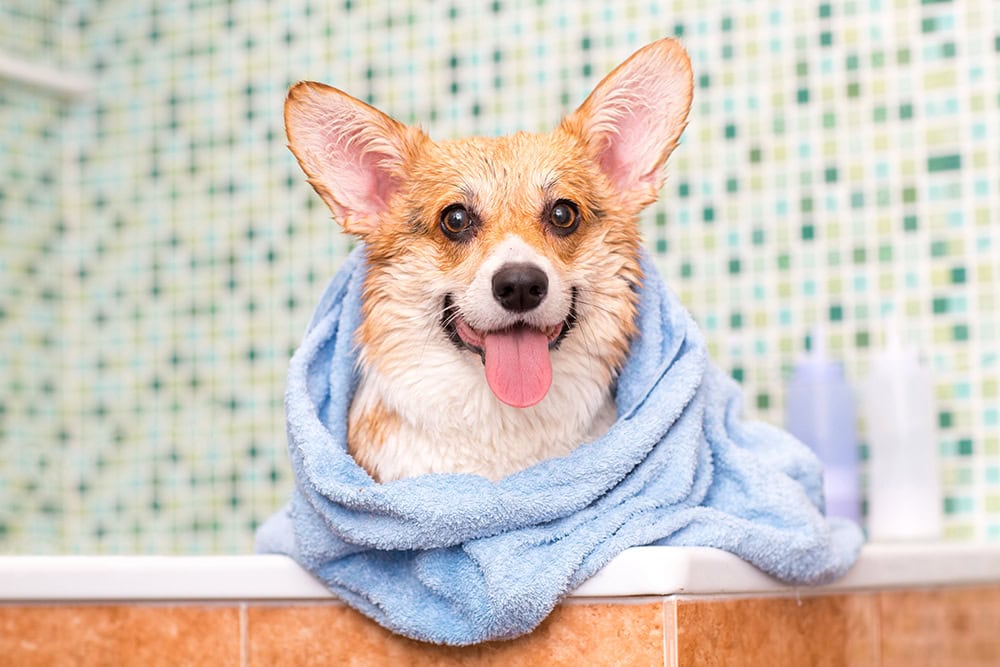
Does your dog look sad and mopey after a grooming session? Or do they get the zoomies after a trip to the dog salon? You're probably wondering, do dogs feel better after grooming? The truth is that it depends. Some dogs absolutely enjoy being groomed, and others dread it.

Some Dogs Love Being Groomed
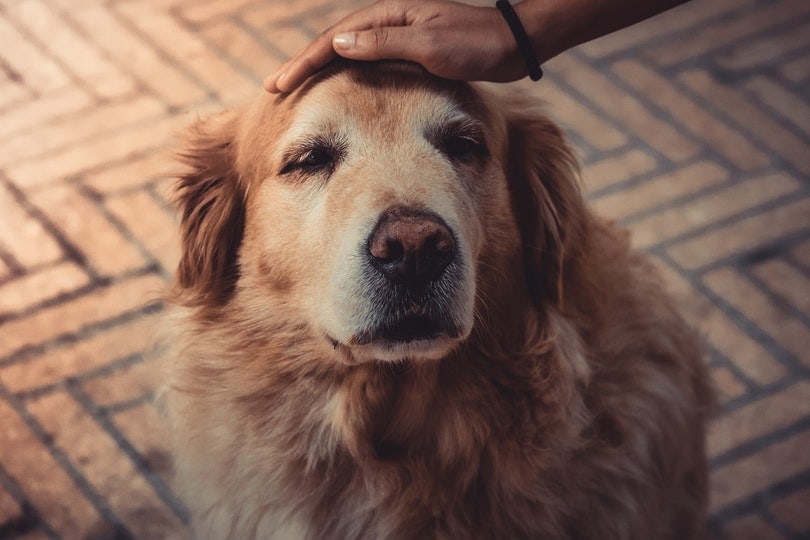
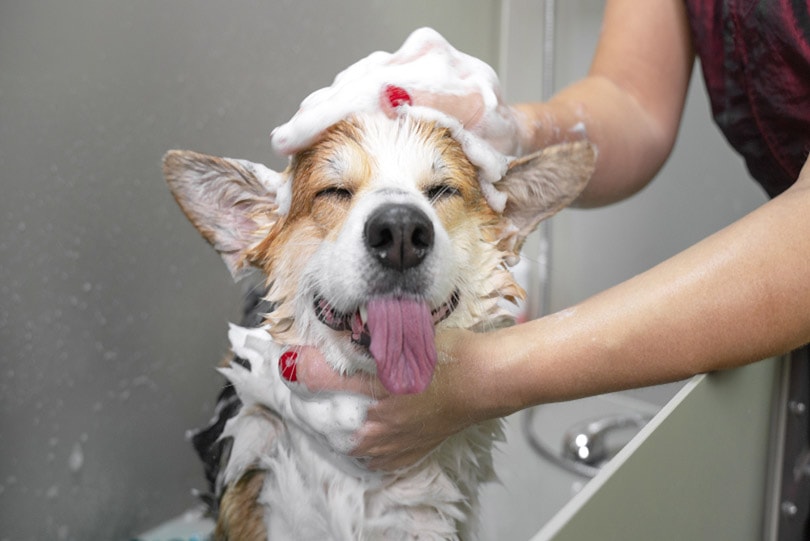
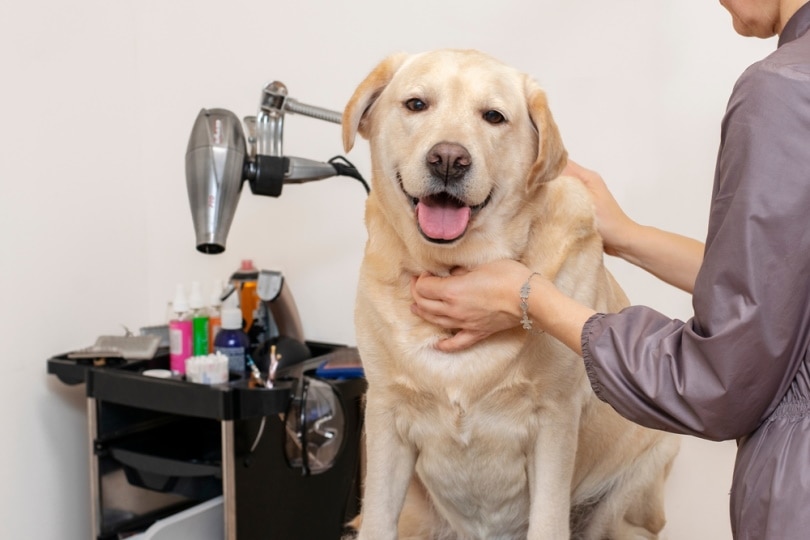
For some dogs, grooming is a luxurious spa day. They love the feeling of being pampered and fussed over. They might even enjoy the process of getting their nails trimmed and their fur brushed.
If your dog is one of these lucky pups, they’re probably feeling pretty amazing after their grooming sessions.
A few reasons dogs might feel happier after getting groomed include:
Why Other Dogs Hate Being Groomed
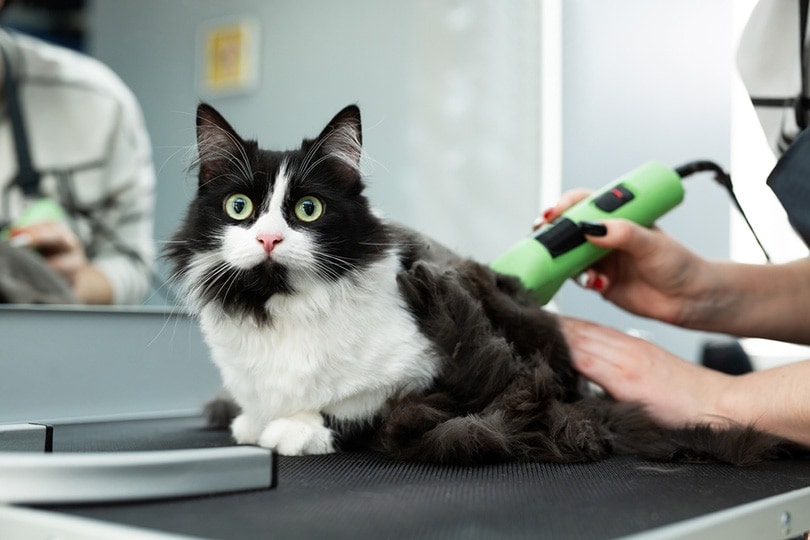
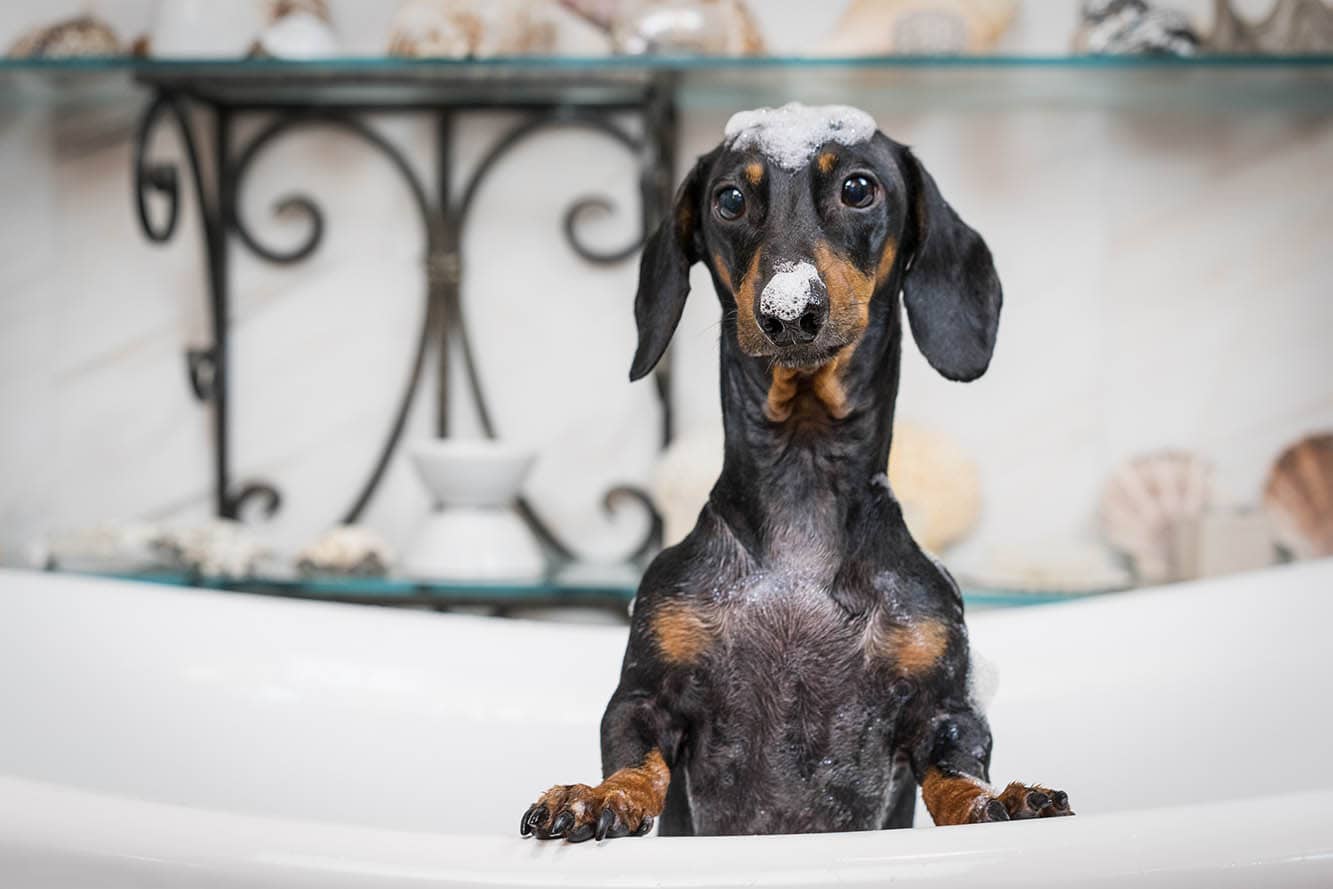
Unfortunately, not all dogs feel the same way about grooming. Some dogs find the experience stressful and unpleasant, especially if they've had a bad grooming experience in the past.
For these dogs, grooming can actually be quite traumatic.
There are many possible reasons for this, but some of the most common include:
This is often the case with rescue dogs who've been neglected, abused, or mistreated. However, some dogs are also predisposed to anxiety due to genetics or other factors.

How to Soothe Grooming Anxiety
There are things you can do to help your canine pal enjoy the grooming process and feel better afterward.
Here are some tips:
Find a Qualified Groomer
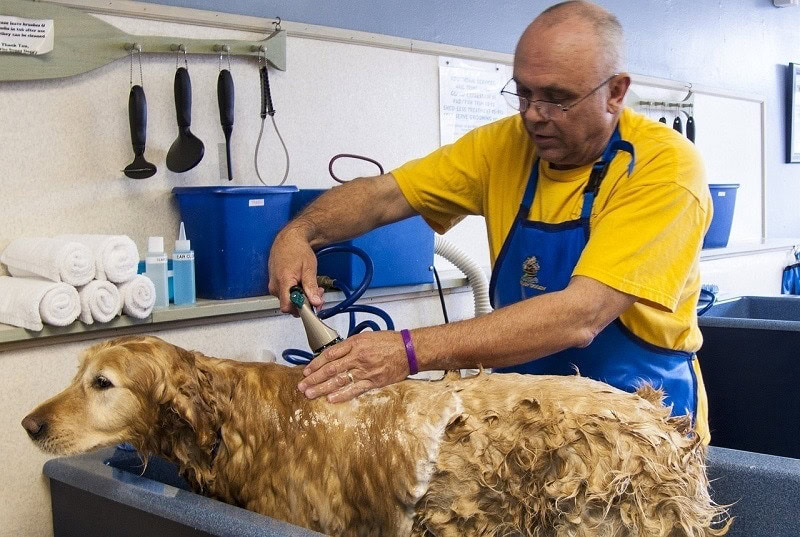
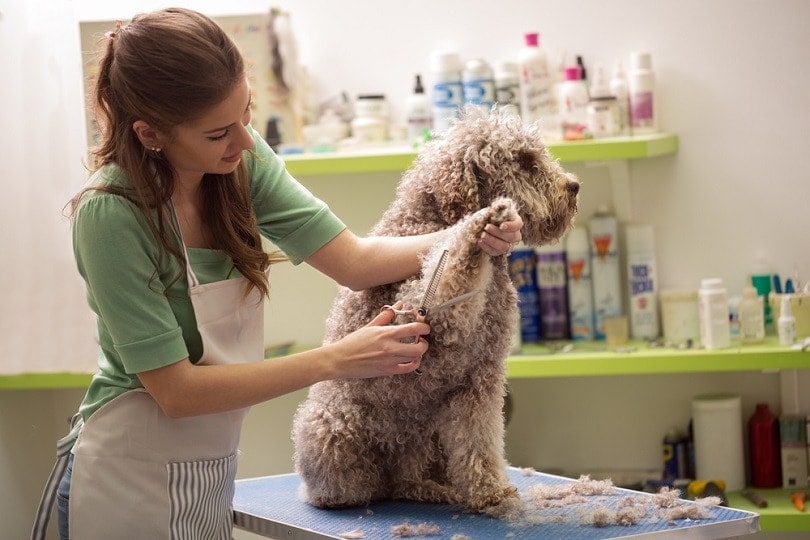
The most important thing you can do is find a competent, gentle, and patient groomer. They can make or break the grooming experience for your dog.
Ask around for recommendations, read online reviews, and even observe the groomer interacting with other dogs before you let them work on your pup.
Brush Your Dog at Home.
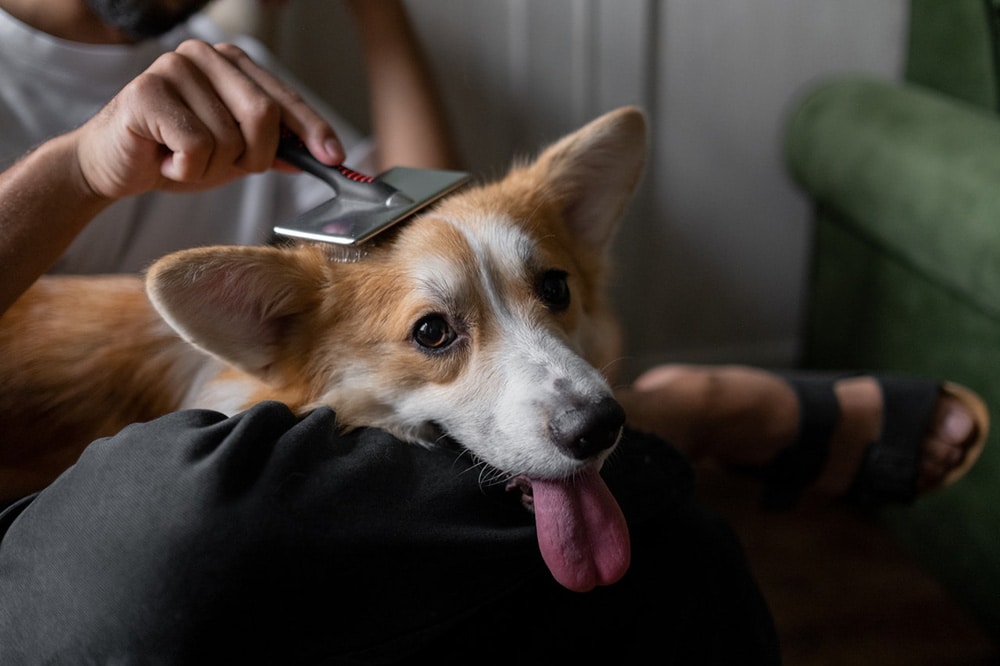
Brushing your dog regularly at home can help them get used to the feeling of being touched and handled. It's also a great way to bond with your dog and build their trust in you. Remember to shower your dog with praise and treats while doing this. Eventually, they will look forward to their daily brushing sessions.
Take It Slow and Stay Calm
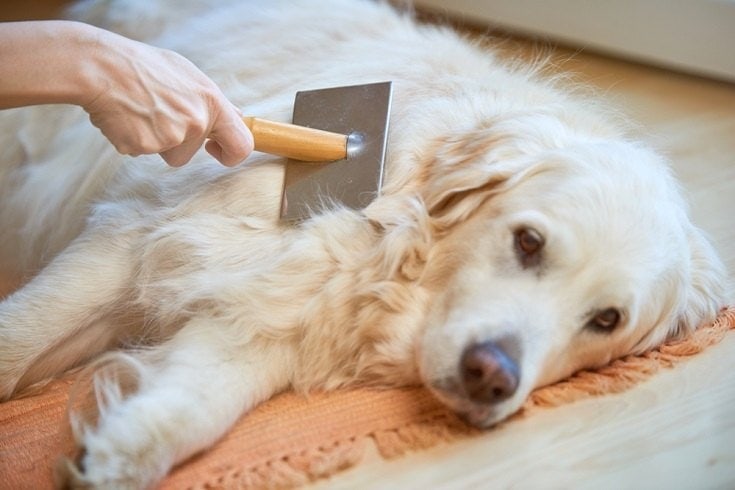
If you have a nervous or anxious dog, take it slow when introducing them to the grooming process. It can be as slow as simply letting them sniff the brush and taking it away immediately. You might also want to get them used to having their paws touched by gently massaging them for a few seconds at a time.
The most important thing is to be patient and keep calm. Never punish or force your dog to do anything they’re uncomfortable with.
For instance, if your dog becomes tense when you try to clip their nails, stop immediately and try again another day.
Use Positive Reinforcement.
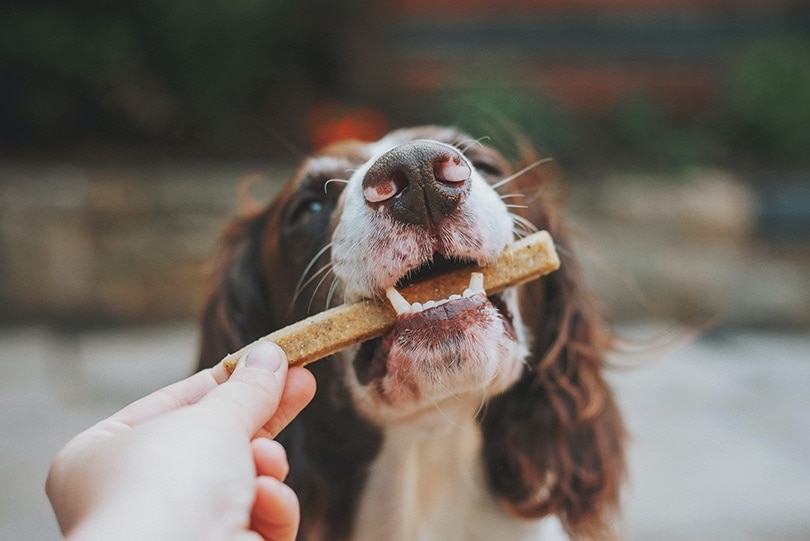
Whenever your dog does something you want them to do, whether it's allowing you to brush their fur or sitting still for a nail trim, be sure to praise them and give them a treat and a belly rub. They’ve been a good pup, and they deserve to know it.
Another good idea is to reserve an extra-special treat just for grooming time. Does your dog love peanut butter? Or maybe cheese is their weakness? Find out what your dog loves and only use it during grooming sessions.
Try Working With a Professional Dog Trainer
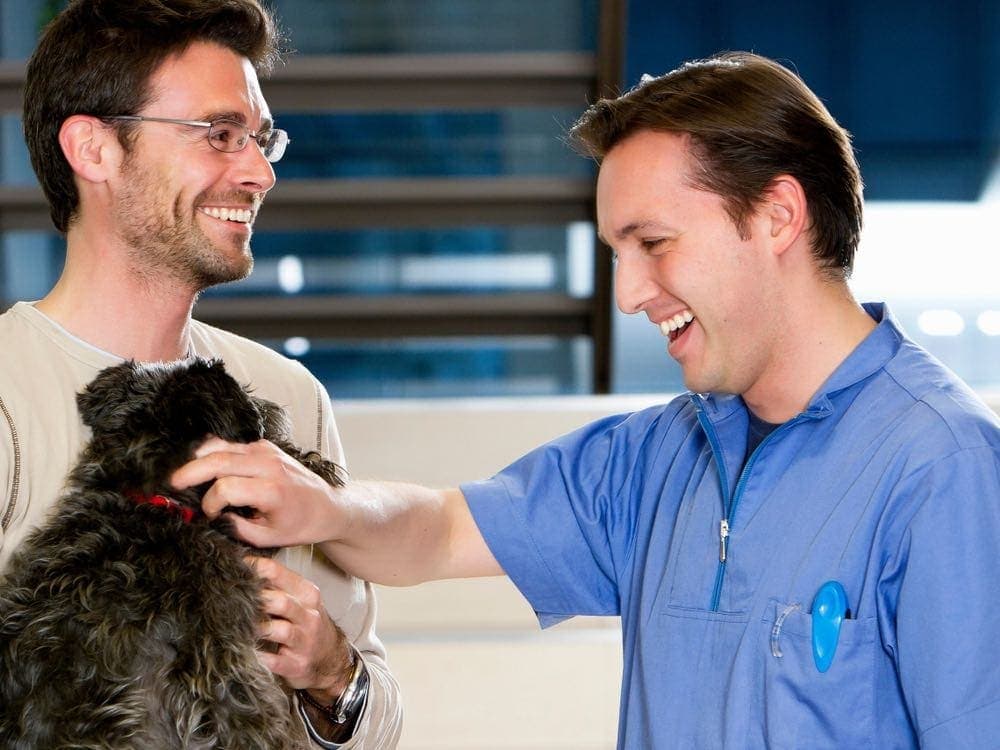
In some cases, dogs can be so reactive to grooming that it triggers them to act aggressively toward the groomer or anyone else who tries to touch them. If this happens, it's best to consult a professional dog trainer for help.
Trainers can teach you how to desensitize your dog to the grooming process and help them develop a positive association with it. Most importantly, a professional trainer can help you read your dog's cues, understand their body language, and learn how to best communicate with them.
Prepare Ahead of Time
When the big day finally arrives, there are a few things you can do to help your dog—and yourself—feel more relaxed.
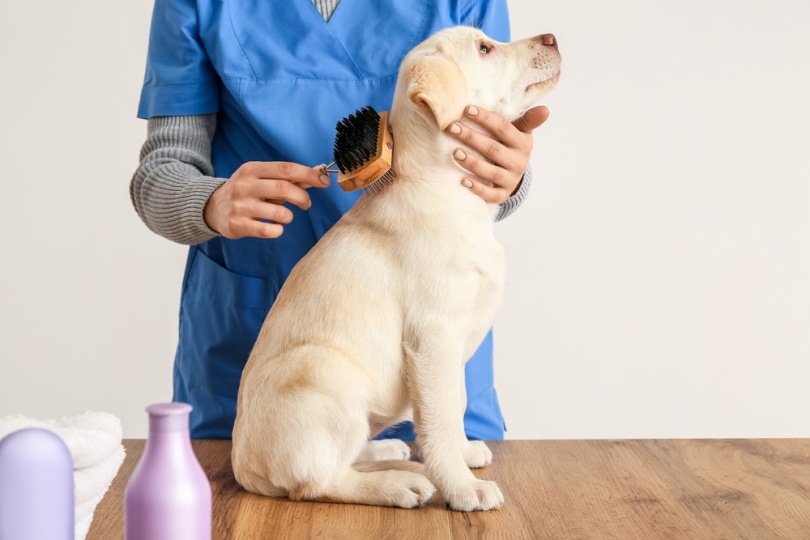
Do Your Research
Whether you're booking an appointment with a new groomer or preparing for your dog's first trip to the nail salon, spend time doing research. For example, contact the groomer in advance and ask questions about the process. Visit the grooming salon to see if it's a clean and calm environment or if it's chaotic and stressful.
In addition, remember to brief the groomer about your dog's temperament and what you'd like them to do or not do to them. Also,
give your dog tons of exercise beforehand.
A tired dog is a more relaxed dog. So, before they have to face a day full of unfamiliar experiences, make sure they’re already worn out from playing and running.
Pack Your Pet’s Favorite Items
These will come in handy if your dog needs to be distracted at any point or just needs to feel more comfortable. These items could include their favorite treats, toys, or blanket.
Consider Using Calming Aids
If your dog seems particularly nervous or anxious about grooming, you might want to give them calming aids before you go to the groomer.
Some items that help calm dogs include calming treats, anxiety medication, and CBD oil for dogs.
Before giving them any of these aids, however, you should consult a veterinarian to confirm that they're safe and appropriate for your dog.
Conclusion
Dogs have feelings too, and they can get just as stressed out as we do. Remember that your dog is not trying to be difficult—they’re just trying to survive a situation that feels overwhelming and scary.
By following the tips above, you can help your dog feel more comfortable and relaxed during a grooming session, whether that means a trip to the groomer or a brushing session at home.
With a little patience and practice, you might even find that your dog starts to enjoy, or at least tolerate, the grooming process.
Featured Image Credit: Africa Studio, Shutterstock
Get Hepper In Your Inbox


Pet care tips from our vets and experts, straight to your inbox.
You may opt-out at any time. View our Privacy Policy for more information.

Nicole is a lover of animals of all sizes but is especially fascinated with the feline variety. She’s the proud mom of Baby, a Burmese, and works every day so he can relax in the sunshine or by the fire. She’s always had a cat in her home and has spent countless days with others, observing behaviors and softening up even the grouchiest of the lot. Nicole wants to share her kitty expertise with you so you and your cat can live happy, healthy, and care-free.
Join the conversation
Ask a question, share your story, or send private feedback.