Hepper is reader-supported. When you buy via links on our site, we may earn an affiliate commission at no cost to you. Learn more.
Do Dogs Know Their Names? What Science Says
In this article
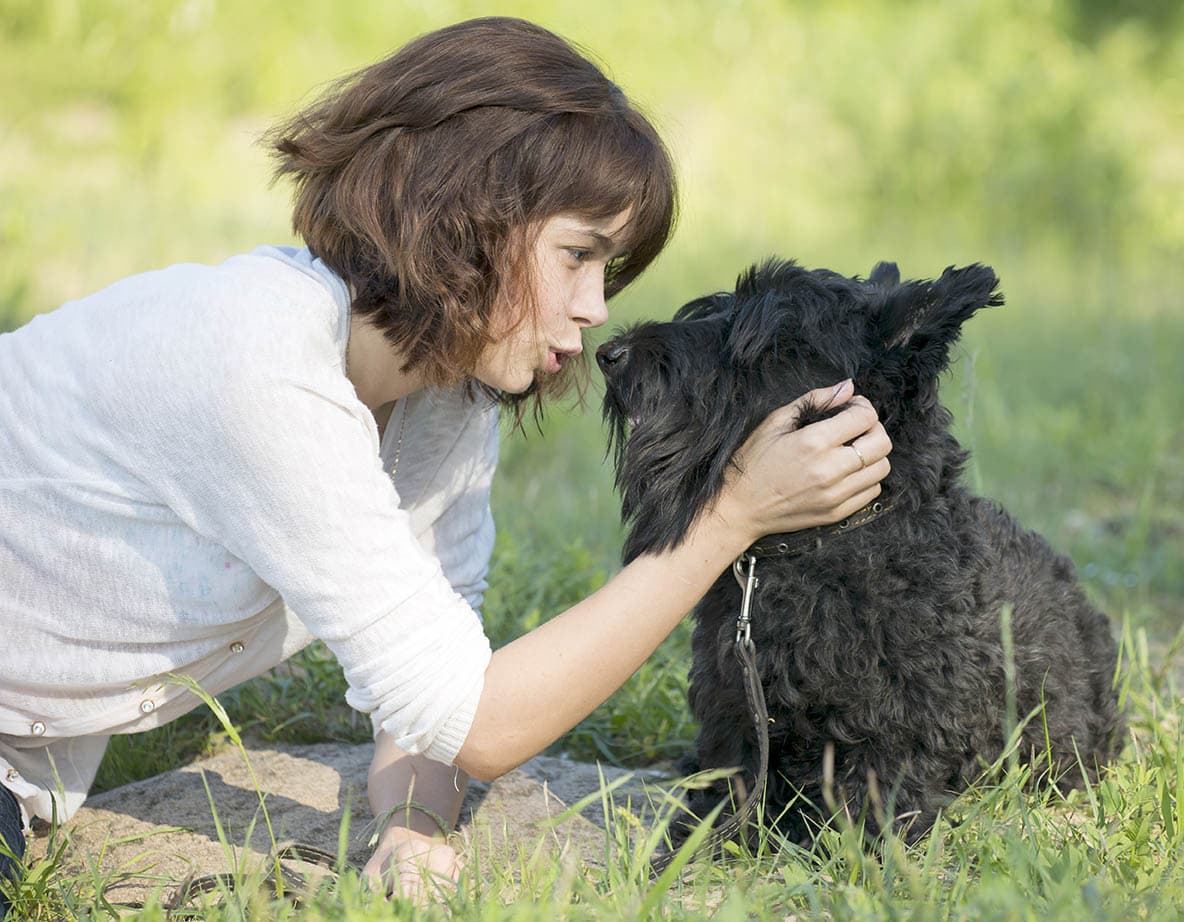
So, you’re bellowing “Fido!” across the house, and your four-legged friend comes darting around the corner. You’ve got to wonder if your dog actually knows his name, or is he just reacting in the hopes of a treat or a car ride?
You’ll be happy to know that studies indicate that dogs do, in fact, understand their names.
Of course, the aptitude varies by breed and individual dog. But in general, our furry pals are a lot smarter than we give them credit for. Now, let’s dig a bit deeper to understand how this name-recognition magic happens.

Do Dogs Really Recognize Their Names?
Think of your dog as a bilingual genius in fur. The American Psychological Association (APA) contends that the average dog can understand upwards of 90 words 1. That’s pretty impressive!
But it doesn’t end there. Some particularly brainy breeds, charmingly dubbed “super dogs,” boast a vocabulary of up to 250 words 2! So, depending on your dog’s breed, there could be a lot of room for commands you never thought possible.
Now, regarding their names, studies point out that most dogs can pick up names and other basic commands within just a week. The next time your dog ignores you when you call, there’s a good chance it’s giving you some good old-fashioned canine attitude.


Signs Your Dog Knows Their Name
You’ve been calling out “Fido” for weeks, and now it’s crunch time. How do you know if your dog is responding to their name or just hoping for a treat? Here are the most obvious signs that your dog does indeed know its name:
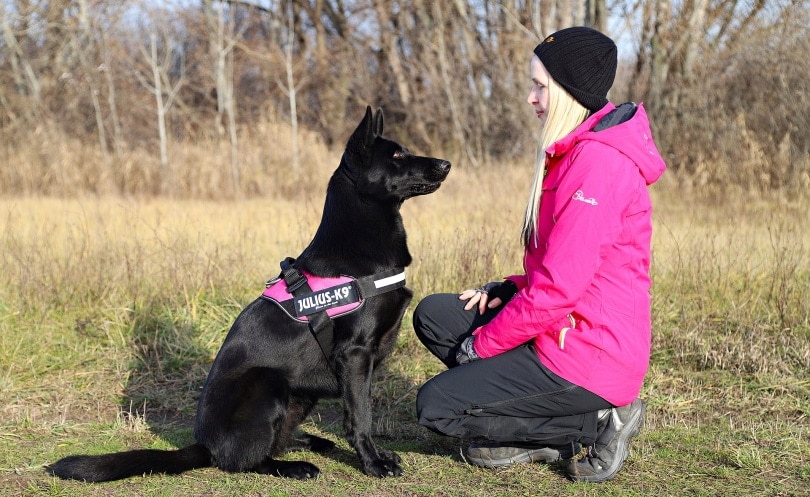
- Immediate Attention: A dog that knows its name will immediately break away from what it’s doing and give you its attention. If your dog stops sniffing the ground or chasing its tail to look at you, that’s a good sign.
- Head Tilt or Ears Perking Up: The classic head tilt can be a dog’s way of saying, “I hear you, and I understand that you’re speaking to me.” It’s a bit like nodding in a human conversation.
- Running in Your Direction: This is the ultimate sign. If your dog leaves whatever fascination they were engaged with and runs toward you, you’ve successfully imprinted your dog with their name. Keep in mind that some breeds are more independent and might not dart toward you as enthusiastically.
- Tail Wagging: If your dog’s tail starts to wag when you say their name, that’s your dog’s own way of giving you a high five. It means they’re happy to hear their name and recognize it as their own.
- Consistency Across Environments: If your dog responds to their name indoors and outdoors, that’s a comprehensive win. Consistency is key in canine name recognition.

What About Nicknames?
Many of us endow our pets with adorable pet names. Nicknames are a staple of pet ownership, but is it possible that we’re just confusing our dogs? On the contrary, there’s evidence that dogs store and recall even the silliest of nicknames, and we’ve got the stats to back it up.
- Faster Brain Processing: Studies, like one conducted in 2020, found that dogs process words rapidly. This indicates that your nicknames probably won’t confuse your pet unless they sound very similar to a command they know.
- Context Matters: Dogs are rather astute when it comes to human emotion and context. If you often use a nickname while snuggling or during playtime, your dog is likely to associate that nickname with positive activities.
- Tone of Voice: Dogs are extremely sensitive to your tone. Therefore, the warmth and affection in your voice when you call them by a nickname help them associate it as another identifier for them.
See? Your dog is capable of learning nicknames. But that doesn’t mean all dogs will catch on as quickly. As we’ve seen, some are more adept than others at the name game. If you need a helping hand to guide you along, follow along as we share tips to teach your dog their name.
How to Teach Your Dog Their Name: A Masterclass in Canine Communication
Up until now, you might have been under the misapprehension that it takes months or even years for your dog to learn its name. Of course, we know now that isn’t the case at all, with merely a few weeks being all that’s needed. Still, there are some things you can do to quicken the learning process, especially if your poor little walnut-brained dog isn’t catching on.
1. Use Positive Reinforcement: Reinforce, Don’t Force
Here, the golden rule is “reward, don’t scold.” When your dog responds to its name, always make sure you have a treat at the ready to offer as a reward. But be quick about it; if you delay, you might sow confusion. After all, timing is everything. You’ll eventually get to the point where no treat is needed at all.
2. Try a Clicker: Fewer Calories, More Rewards
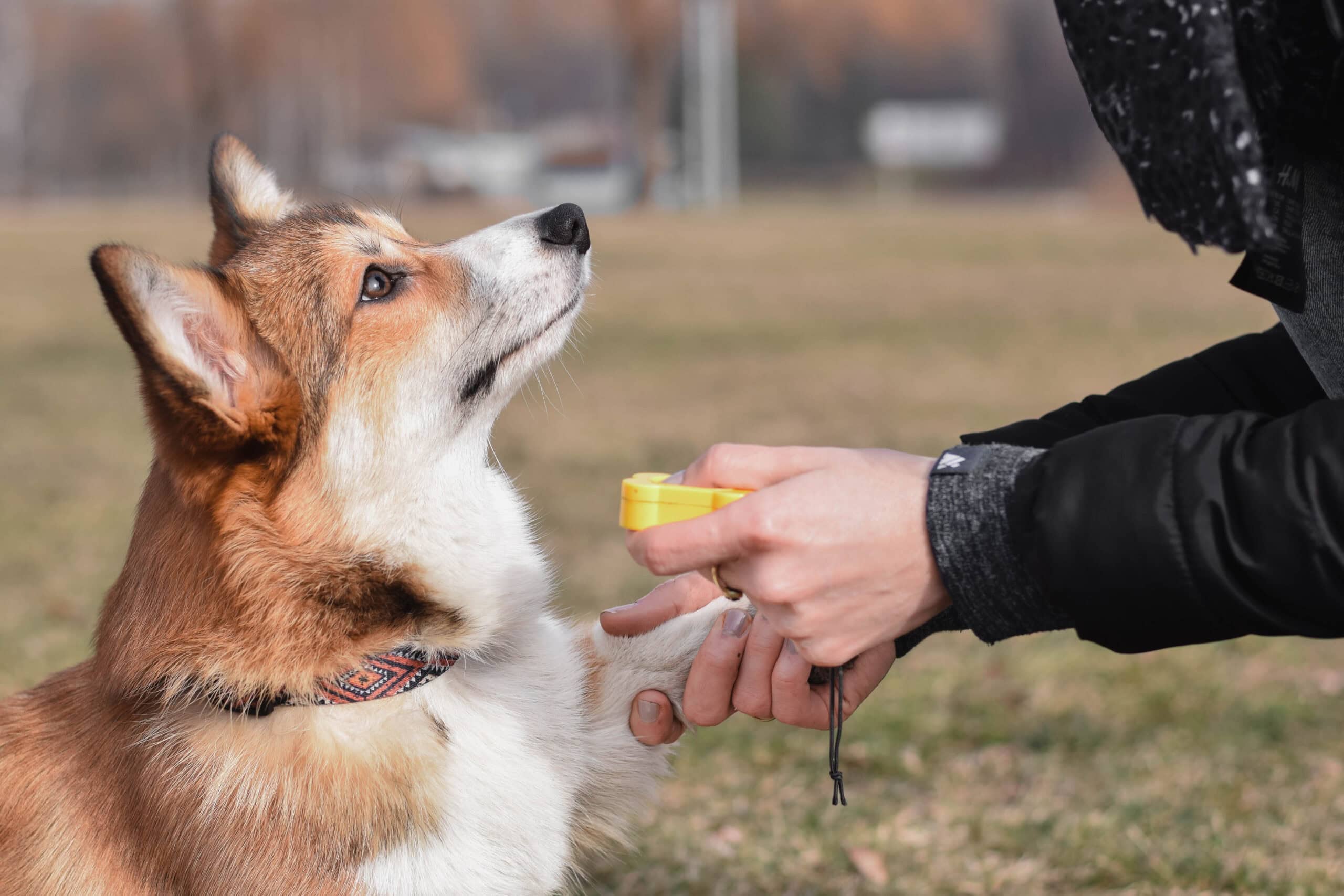
If your dog has been enjoying one too many treats and you’re concerned about weight gain, consider a clicker. When you press the clicker, your dog learns to associate the sound with positive behavior, making it a fantastic training tool.
3. Change the Environment: Same Dog, Different Settings
Initially, start the name-learning process indoors, where distractions are limited. Then, transition to different settings, like your yard or a friend’s house, to test their name recognition in a variety of environments. However, ensure they are on a leash to keep them safe and focused.
4. Keep Training Separate: They’re Two Different Things, After All
When training your dog to follow commands like sit, stay, or come, keep the use of their name out of the equation. We want our dogs to be smart but including their name with a command can make them second-guess everything, causing more hindrance than help. It’ll likely take some time but stick with it. Your little furball will eventually understand your intention.
Tips for Keeping Your Pet Healthy and Safe
While knowing your dog recognizes its name is undoubtedly rewarding, it’s only a small part of the overall well-being equation. There’s more to dog wellness than acing the name test. Here’s how to keep your pup not only smart but also healthy and safe.
1. Regular Exercise
Exercise is pivotal for a dog’s physical and mental well-being. From a simple game of fetch to agility training, make sure your pet gets its daily dose of physical activity.
2. Balanced Diet
Focus on a balanced diet that is rich in essential nutrients. Stick to vet-approved foods and beware of the “all-natural” fads that aren’t always what they’re cracked up to be.

3. Seasonal Vaccinations
These are needed to protect your dog from various diseases and illnesses. It’s a tiny poke for them but a giant relief for you.
4. Regular Health Checkups
An annual or bi-annual visit to the vet can provide valuable insights into your dog’s health and catch issues before they escalate into significant problems. Make sure they’re on your list of things to do when the time comes.
5. Preventative Care
While we’re on the subject of vet visits, let’s talk about preventative care. This includes everything from flea and tick prevention to dental cleanings. Consider these measures as insurance for your dog’s health, effectively allowing you to nip any potential issues in the bud.
As you teach Fido to respond to his name, don’t forget these fundamental aspects of pet care. Each of these tips is a building block for a longer, happier life for your dog. After all, what’s in a name if not a reflection of the magnificent creature that bears it?
Final Thoughts
Well, wouldn’t you know it, dogs do know their names, after all! And they probably understand those silly nicknames you call them when no one’s watching. But remember, a name is just a part of your broader responsibility toward your four-legged friend.
Make sure you take comprehensive steps to keep them not just happy but healthy, too. And who knows? Maybe one day they’ll surprise you by fetching the newspaper without being asked. But let’s not push our luck.
Sources
Featured Image Credit: Andriy Blokhin, Shutterstock
Get Hepper In Your Inbox


Pet care tips from our vets and experts, straight to your inbox.
You may opt-out at any time. View our Privacy Policy for more information.

Nicole is a lover of animals of all sizes but is especially fascinated with the feline variety. She’s the proud mom of Baby, a Burmese, and works every day so he can relax in the sunshine or by the fire. She’s always had a cat in her home and has spent countless days with others, observing behaviors and softening up even the grouchiest of the lot. Nicole wants to share her kitty expertise with you so you and your cat can live happy, healthy, and care-free.
Join the conversation
Ask a question, share your story, or send private feedback.