Hepper is reader-supported. When you buy via links on our site, we may earn an affiliate commission at no cost to you. Learn more.
Do Dogs Remember Their Siblings? (Answered)
In this article
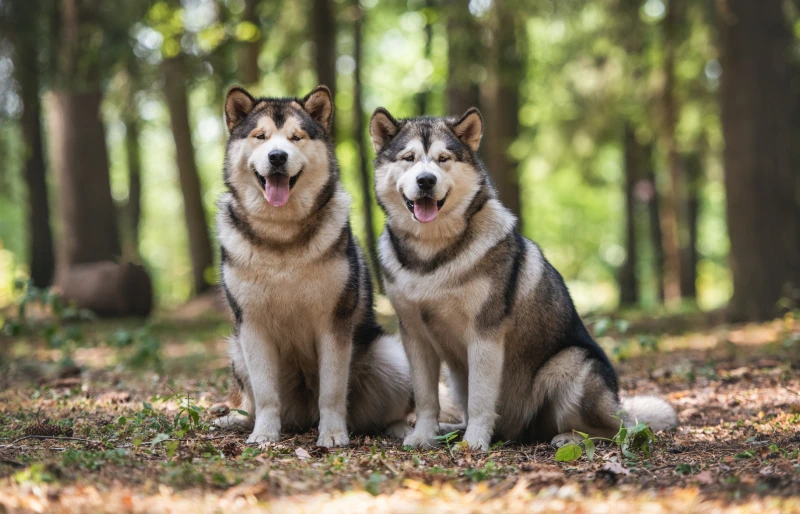
Our relationship with our canine companions has evolved a lot during our roughly 40,000 years together. We’ve gone from being competitors to best friends. We’ve hunted side-by-side and fought in war as soldiers on the battlefield. However, you might be wondering how our relationships with our canine friends compare to their actual siblings. For example, do our pups remember their siblings?
Some evidence supports the idea of dogs remembering their siblings. Yet, the complete answer is nuanced. We’ll approach this question from a scientific point of view. After all, we want the facts. The challenge is leaving our anthropomorphic biases at the door. Fortunately, canine behavior is a popular subject with researchers, fueled by our love for our pets.

Assessing Canine Emotional Development
We assume that kin recognition is an emotional experience. Otherwise, how would we know it when we saw it? Dogs are pretty transparent when it comes to their feelings. Think of how your pup greets you when you come home from work. It’s all smiles and tail wagging. Scientists estimate the canines are capable of the emotions of a 2.5-year-old child.
Your pooch can experience excitement, distress, and contentment. More feelings come into play for puppies (and babies) around 6 months old; they include fear and anger. Emotional development ceases after dogs start to feel love. Research has verified these findings with MRI data showing similar brain activity from being praised by their owners as with food1. It’s more than equating you with a T-bone.
Our relationship with our pets has shaped canine brains. Dogs selectively bred for specific tasks show variations in brain anatomy and different neural pathways based on these differences. One study considered how dogs process the mental states they observed in others. It could provide a foundation for kin recognition.
The researchers’ findings suggest that canines have a “theory of mind” whereby they can tell whether a human is being deceptive when communicating with them3. More study is necessary to discern the extent of this cognitive ability. However, a significant takeaway is this processing is usually something documented in children around 4 years old. That could point to higher levels of emotions in dogs.

Critical Periods in a Puppy’s Life
We must also put kin recognition in context with puppy emotion development through the critical periods in a dog’s life. The basis for these changes is evolution and survival. It’s safe to say that a puppy learns and experiences many things that benefit dogs in the long term. They also directly affect an individual’s suitability as a pet.
The critical time potentially impacting kin recognition is the Canine Socialization Period, which is between 21 and 49 days. It’s a fun age for puppies as they learn to interact with their littermates, with the mother teaching them discipline. They are also learning to recognize other pups and their caregivers. This time gives dogs the foundation for kin recognition later in life.
It’s an excellent age to introduce puppies to novel experiences to reduce fearfulness in adult dogs, which can hamper the remembrance of their siblings. Social interactions of all types are vital.
Kin Recognition
Pet owners become conditioned to the idea dogs can recognize friends. After all, it’s reinforced every time you return home. Your pup isn’t hesitant to greet you. We experience the same emotions when we see loved ones again after a time apart. You may even notice your pooch recognizing guests they’ve met before with barking and licking. Undoubtedly, you remember your siblings, so why not your dog, too?
Scientists have considered this hypothesis for its value to learning, aging, and memory. Research has shown that canines can recognize their owners’ faces even from photographs. These findings suggest some higher-level cognitive processing to discern this information from 2D images versus 3D stimuli. We also know from science that dogs recognize their owners’ voices with similar neural structures.
Canines can form bonds with housemates. Anecdotal evidence suggests they mourn the loss of their canine friends. Therefore, recognition is at work, but does it hold across the board?
Our definitive answer comes from a study that examined kin recognition between dog mothers and their littermates. Positive results occurred between pups and mothers, even if separated for 2 years. That makes sense, given the critical role the female plays in a dog’s life. Canines are born altricial and dependent on their mothers for survival, so recognition is imperative.
The researchers found olfactory clues were sufficient for recognition. That makes evolutionary sense since dogs live life through their noses. It adds to the information we presented earlier with photo recognition. However, does that also apply to siblings?
The scientists found limitations to this ability. If the pets lived together, they knew one another. If they had been separated, their siblings were just other dogs they would meet and learn to recognize again. While it may surprise some, it’s not unusual. After all, once they mature, other canines are competitors, just like we were at the beginning of our relationship.
We can look at this answer in a more philosophical way to explain this seemingly startling result. Pups share 50% of their DNA with their mothers. Recognizing them may give them a competitive edge because it can ensure their genes’ survival to the next generation. Siblings only share 25% of their DNA. The biological motivation isn’t as strong to recognize them.
Emotional attachments aren’t a part of their survival. Humans have closer relationships with their family members, which makes kin recognition important. We keep in touch with our tribe. Many canine species don’t have this relationship with their family. Once they disperse, they probably won’t see each other again.

Final Thoughts
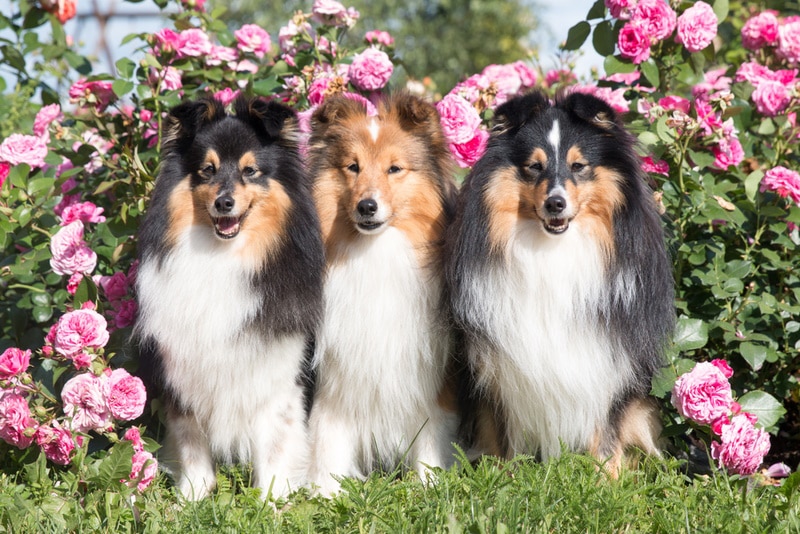
Most people think of their pets as family members. Naturally, we would expect our dogs to recognize their siblings even if they have been apart for a long time. Nature tells a different story. Our pups may remember their mothers after 2 years. However, it isn’t beneficial for canines to know their siblings. It doesn’t give them a competitive edge and can go the opposite way if they become competitors.
Sources
https://royalsociety.org/blog/2021/07/are-dogs-sensitive-to-human-mental-states/
https://springcreeklabradoodles.com/wp-content/uploads/2019/01/Critical-Periods-in-a-Dog-Life.pdf
https://link.springer.com/article/10.1007/s10071-020-01382-3
https://www.cell.com/current-biology/fulltext/S0960-9822(14)00123-7
https://vcahospitals.com/know-your-pet/how-dogs-use-smell-to-perceive-the-world
Featured Image Credit: Valery.Kruk, Shutterstock
Get Hepper In Your Inbox


Pet care tips from our vets and experts, straight to your inbox.
You may opt-out at any time. View our Privacy Policy for more information.

Nicole is a lover of animals of all sizes but is especially fascinated with the feline variety. She’s the proud mom of Baby, a Burmese, and works every day so he can relax in the sunshine or by the fire. She’s always had a cat in her home and has spent countless days with others, observing behaviors and softening up even the grouchiest of the lot. Nicole wants to share her kitty expertise with you so you and your cat can live happy, healthy, and care-free.
Join the conversation
Ask a question, share your story, or send private feedback.