Hepper is reader-supported. When you buy via links on our site, we may earn an affiliate commission at no cost to you. Learn more.
Do I Need to Feed My Cat Breed-Specific Food? Vet Approved Advice


In this article
The short answer to this question is no. You don't have to feed your cat breed-specific food, and there are several reasons why. However, breed-specific food is not bad for cats and can be beneficial. Most cats will do well on any high-quality food, as long as it is species and age-appropriate and is not aimed at improving or treating specific health conditions. Your cat's food should always be tailored to their needs, particularly their life stage and potential health problems.

What Are Breed-Specific Foods?
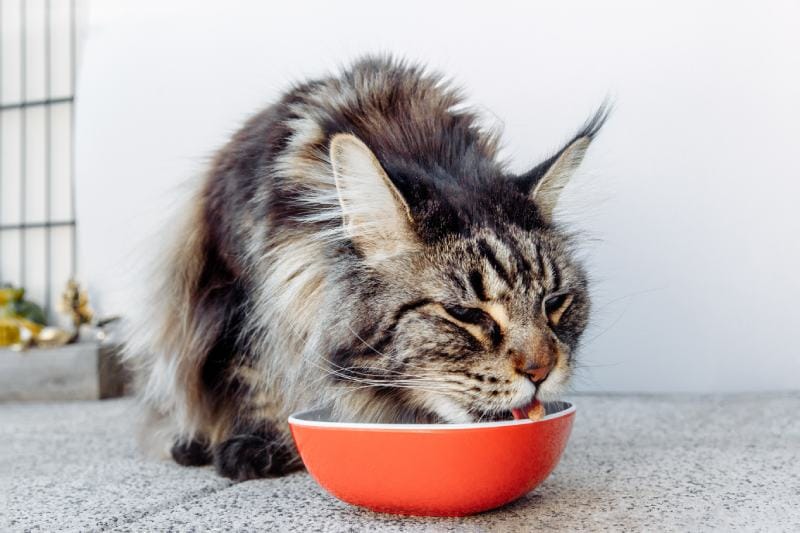
Breed-specific foods are made to support the breed's characteristics or needs. Some foods might have a specific kibble shape, such as kibble to suit a Persian's shorter muzzle. Others might have unique formulations or additional ingredients, such as an anti-hairball formula for long-haired breeds like Maine Coons.
The formulation of breed-specific kibble is often developed to prevent conditions that some breeds might be susceptible to, as well as their dentition, and food preferences. However, each food will still have to comply with regulations as a complete pet food, making it suitable for cats of any breed.
Breed-specific foods are not bad for cats and can benefit cats of all breeds, including hybrids. For example, a long-haired crossbreed might benefit from the anti-hairball formula of a Persian breed-specific food.
Can Breed Specific Breeds Be Beneficial?
Breed-specific diets can be beneficial as they are developed with a breed's specific needs in mind.1 They often consider health and are formulated to help prevent any health problems the breed might be more susceptible to.
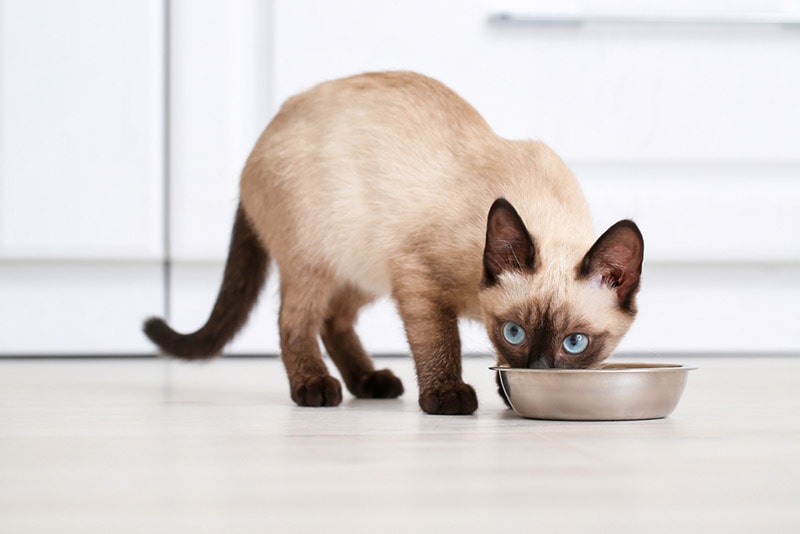
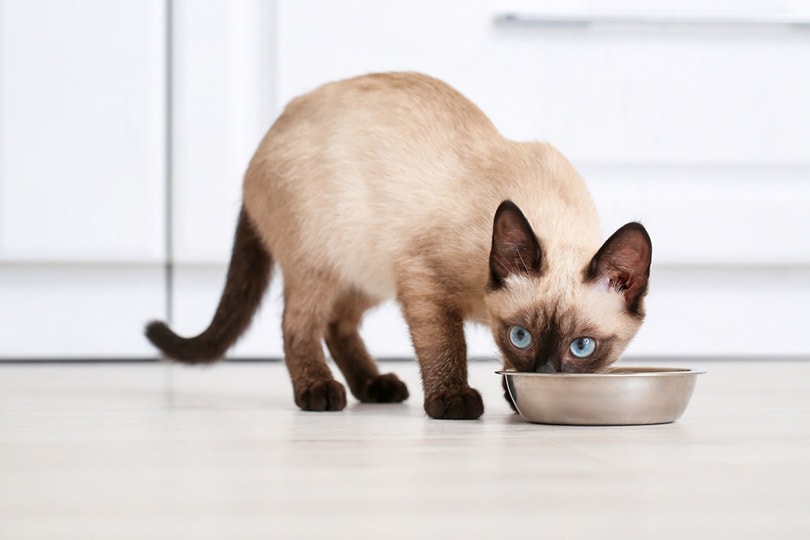
They can also help improve the cat's overall condition, such as Persian food containing ingredients to condition the coat and help it shine or Siamese diets helping them maintain lean muscle. However, any cat can benefit from these formulations if they have the same traits!
Which Cats Shouldn’t Eat Breed-Specific Foods?
Cats that should not eat breed-specific foods have health conditions that can be improved by specific diets or worsened without them.2 For example, a cat with allergies to certain proteins or ingredients should be fed hypoallergenic food to keep them healthy rather than food only catered to the breed. Cats with kidney problems may worsen if not fed a diet that protects their kidneys, so keeping your cat's individual needs in mind when considering breed-specific food is important.
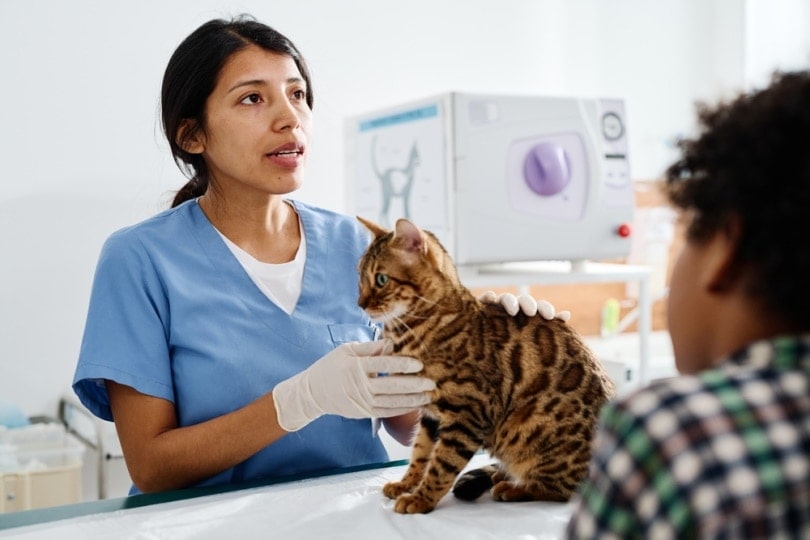
Cats of different ages should also be fed food that caters to their life stage. This is particularly important for kittens that need more calories for energy to grow! If you are concerned about feeding your cat a specific diet, consult your veterinarian before deciding what to feed them.
Does It Matter Which Food I Feed My Cat?
Some cats are fussier than others, so unless they have a specific health need that requires a special diet, high-quality complete cat food should be fine.3
Picky cats can sometimes only eat a certain brand. Even if it is not of the highest quality, it'll give them all the nutrition they need if it is complete and balanced. If your cat only eats dry food, you can make sure they stay hydrated by adding water to it to moisten it or provide more water around the house to encourage them to drink.
If your cat has any health problems that can be affected by its diet, such as urinary problems, kidney disease, allergies, or obesity, feeding them can be trickier. First, consult your vet about your cat's dietary needs to determine the foods they can eat, then try different flavors to discover which one your pet prefers.
Can I Feed a Variety of Foods to My Cat?
You can feed your cat a variety of foods if they're healthy and have no problems that are affected by diet. Different flavors of the same brand and type should be fine and can give your cat variety in their diet. However, changing brands or types of food suddenly may cause gastrointestinal upset, including vomiting or diarrhea. This is particularly true if your cat has been fed a brand for a long while or has a sensitive stomach.
If you want to change your cat's food, make sure to do it slowly over a week by introducing the new food little by little to minimize any potential gastrointestinal upset.
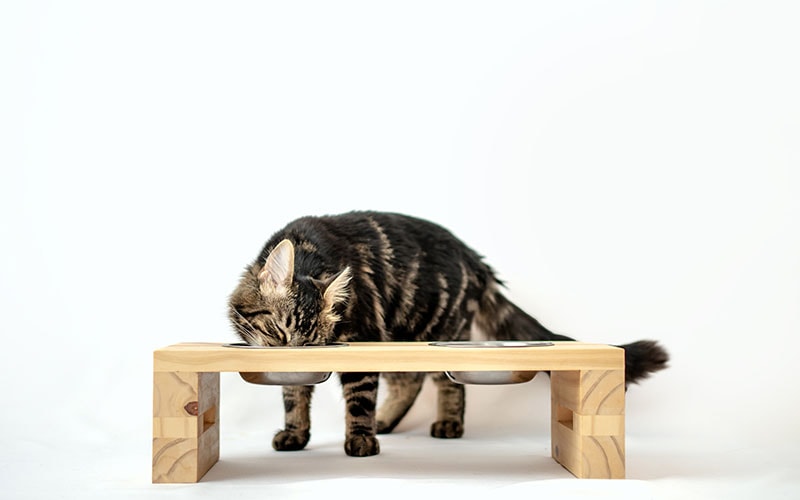
While providing our feline companions with high-quality food is paramount, selecting the right food and water bowl is equally important. The modern yet practical design of our Hepper NomNom Cat Bowl combines cat-catered features, like whisker-friendly shallow dishes and slight elevation, with a contemporary style aimed at protecting your floors from messy eating and drinking. The NomNom is entirely dishwasher safe and was thoughtfully created with your cat’s health and well-being in mind.

- NO MESS - The 360° tray on this cat food and water bowl set has a raised design to catch and contain stray crumbs and drips. Protect your indoors and floors from wet and messy meals!
- WHISKER FRIENDLY - Shallow and wide metal containers with flat bottoms ensure your kitty can enjoy mealtime free from whisker fatigue!
- CHEW-SAFE MATERIALS - Kittens and cats love chewing on silicone and soft rubber - but it's a choking hazard. Our cat feeding station materials are anti-chew for a 100% safe feeding frenzy!

Conclusion
Breed-specific diets can be beneficial to feed your cat, but they are not needed; a quality commercial diet will provide your cat with all the nutrition they need to be healthy. Cats that are not a specific breed can also benefit from breed-specific diets if they share the same traits. Cats can eat most brands if they are healthy, but some cats with health conditions will need a specific food that the vet recommends. As long as the cat food is high quality, complete, and age-appropriate, most cats will be able to enjoy it and thrive!
Sources
https://www.royalcanin.com/uk/cats/products/feline-breed-nutrition
https://www.animates.co.nz/articles/benefits-of-breed-specific-cat-food
https://vetmed.tamu.edu/news/pet-talk/cat-prescription-food/
https://vetnutrition.tufts.edu/2018/08/breed-specific-diets/
https://www.catcarecenter.com/services/cats/feline-nutrition-cat-food
Featured Image Credit: mik ulyannikov, Shutterstock
Get Hepper In Your Inbox


Pet care tips from our vets and experts, straight to your inbox.
You may opt-out at any time. View our Privacy Policy for more information.
Beth is a mom to two babies: one with four legs, and one with two. Beth has years of practical experience as a veterinary care assistant, working in both the operating room and in consult, expanding her knowledge to gain certification in her favorite subject: feline behavior and well-being! When she's not writing about her favorite topics (cats, dogs, and creature comforts), she's looking after her two-year-old daughter and her energetic eight-year-old Nebelung, Kiba. When she gets a moment's respite, Beth loves to read fiction books. Horror is her number one genre, with fantasy and rich history being her second option.
Join the conversation
Ask a question, share your story, or send private feedback.