Hepper is reader-supported. When you buy via links on our site, we may earn an affiliate commission at no cost to you. Learn more.
Will a Cat Have Diarrhea After Changing Food? Vet Reviewed Advice

In this article
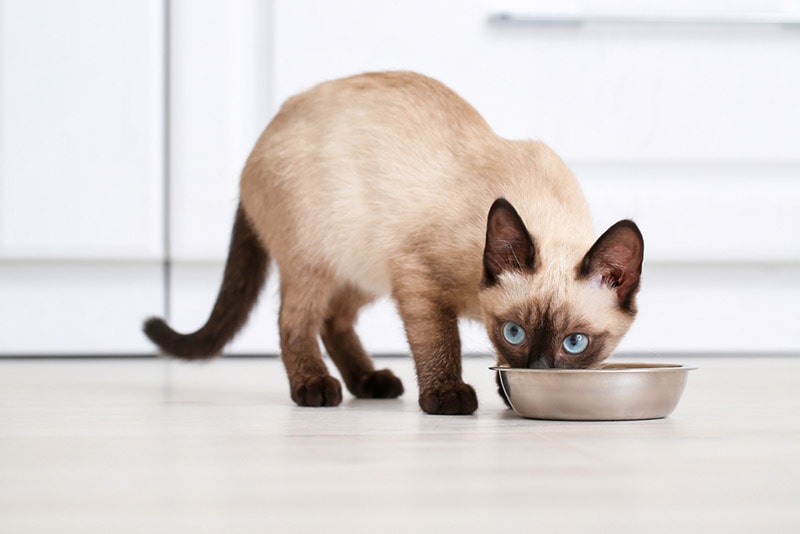
There will be times when you decide to switch your cat's food. The reason could be that your furry companion is entering a new stage of life, they get sick, or you want to try a different brand. However, changing their diet is more complicated than you might think and can't be done overnight.
Some cats adapt to a new food without having any issues. On the other hand, others can experience stomach discomfort and diarrhea after eating a few bites of unfamiliar food. Sudden changes can cause side effects, so you should do it gradually and safely to keep your pet healthy.
The idea is to do it slowly enough to ensure your cat will not get diarrhea. If your cat's poop is soft, change your approach. Either make the transition much more slowly or even stop adding the new food until the stools become firm again. Remember that if diarrhea lasts longer than 48 hours, you should take them to your veterinarian.

What Is Diarrhea in Cats?
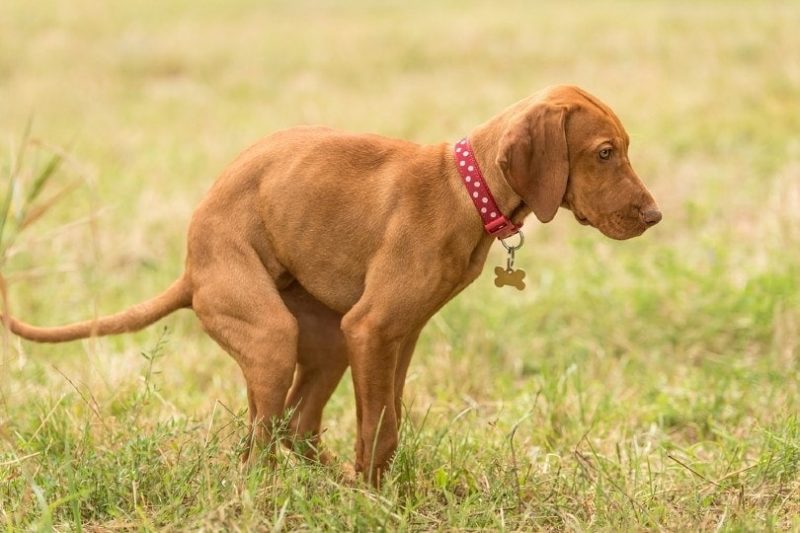
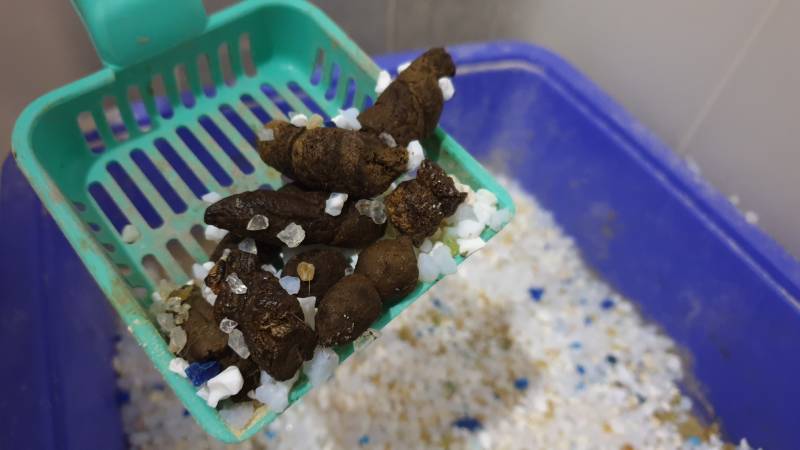
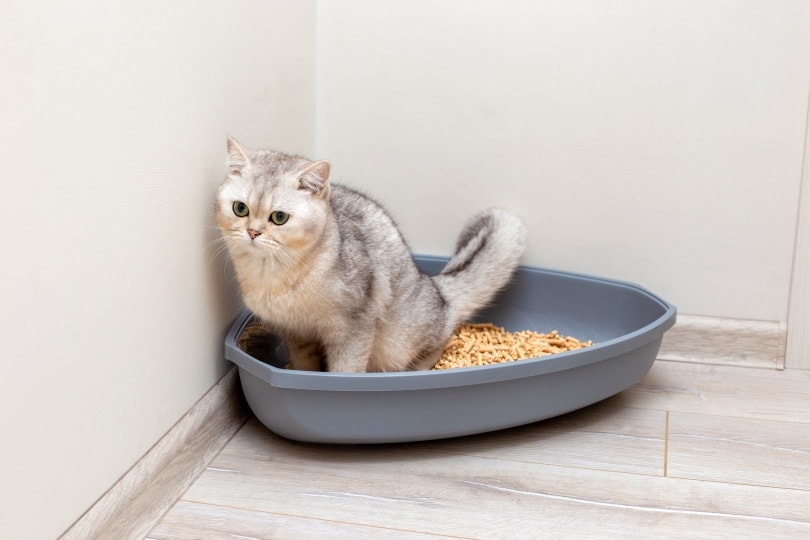
Diarrhea in cats is not necessarily an illness or a disease. Instead, it's just a way to describe more regular, unusually soft, and fluid bowel movements. Your pet may get diarrhea when there is an issue with the gastrointestinal system, the food they are consuming, or both. Cats who experience this may have accidents inside the house. Allergies to specific ingredients, sudden changes in diet, or food intolerances can all cause diarrhea. Please note that diarrhea is one of the most common problems that lead to vet visits. Even a mild case can become severe if not treated promptly.
Why Do Diet Changes Cause Diarrhea?
Cats' stomachs and intestinal tracts contain many friendly bacteria and yeast that help digest foods. When a cat consumes a particular substance for too long, their gut microbes become experts at breaking it down, but the organisms might not know what to do with the new type of food. Adapted organisms will need some time to grow and replace the old population, so diarrhea is often a sign of a disorder in the gut.
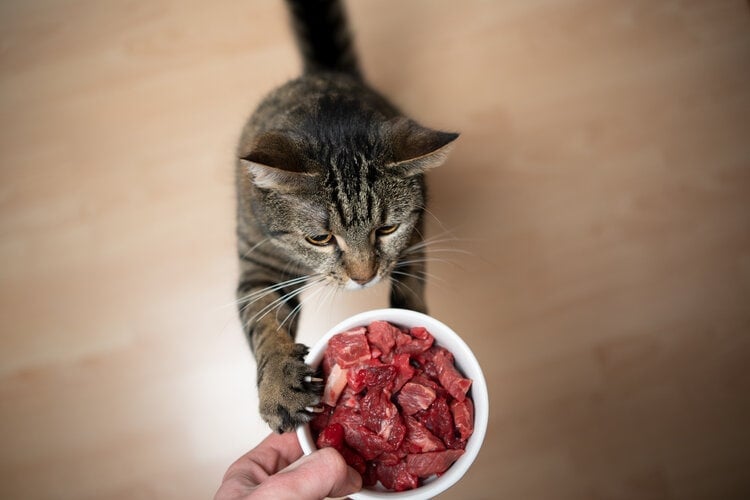
In addition, certain foods are more likely to lead to diarrhea in cats. For example, if you give your lactose-intolerant cat cow’s milk, the chance of them experiencing diarrhea is obviously pretty high. Therefore, you need to take the time to research and consult with your vet to find out what is best for your furry friend before changing their diet.
When Should You Change Your Cat’s Diet?
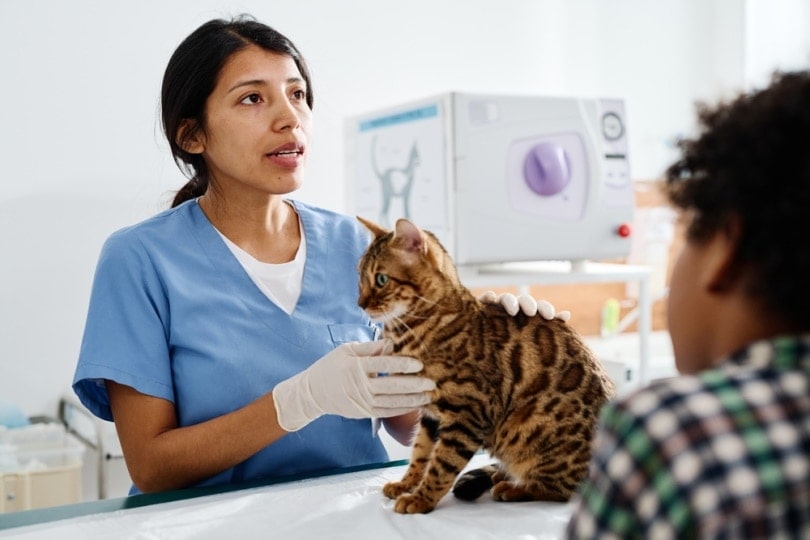
Sometimes, your vet may advise changing your cat's diet due to certain medical conditions. You also have to consider switching foods when your feline gets older because the meals required to support their health will be very different. And finally, cats with food intolerances need other nutritional sources as well. Whatever the reason, make sure you always seek the advice of a veterinarian before making any changes to determine which kind of food will best suit your animal's needs.
How Can You Prevent Diarrhea When Switching Food?
Pick the Right Food
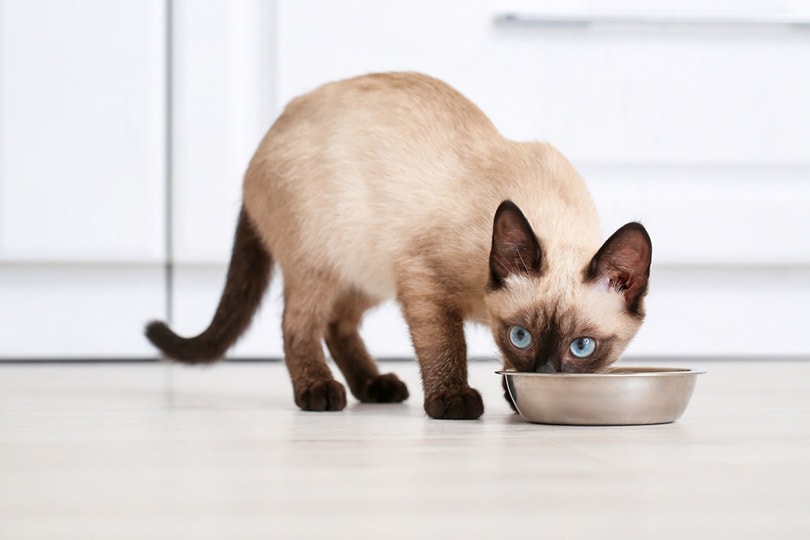
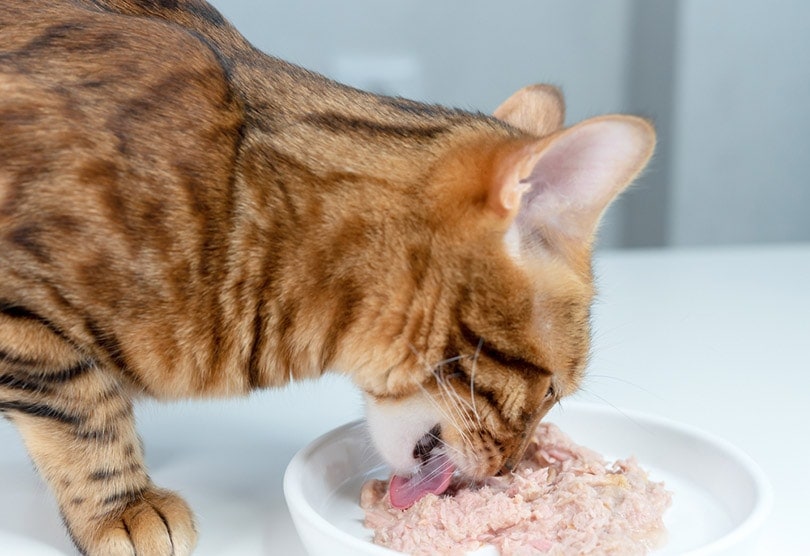
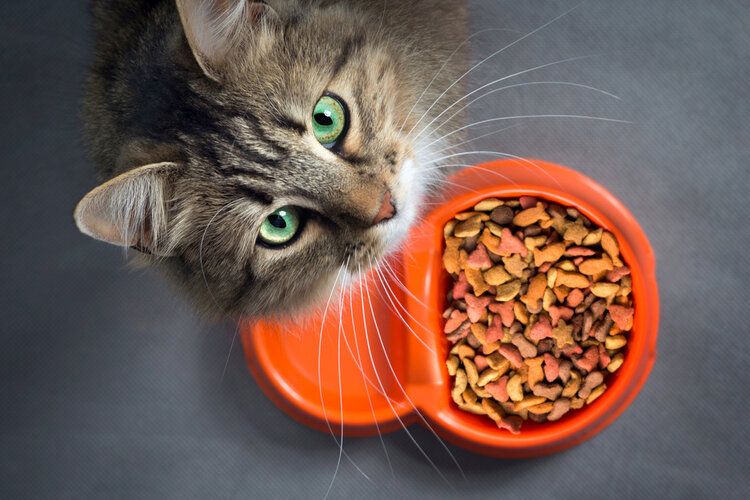
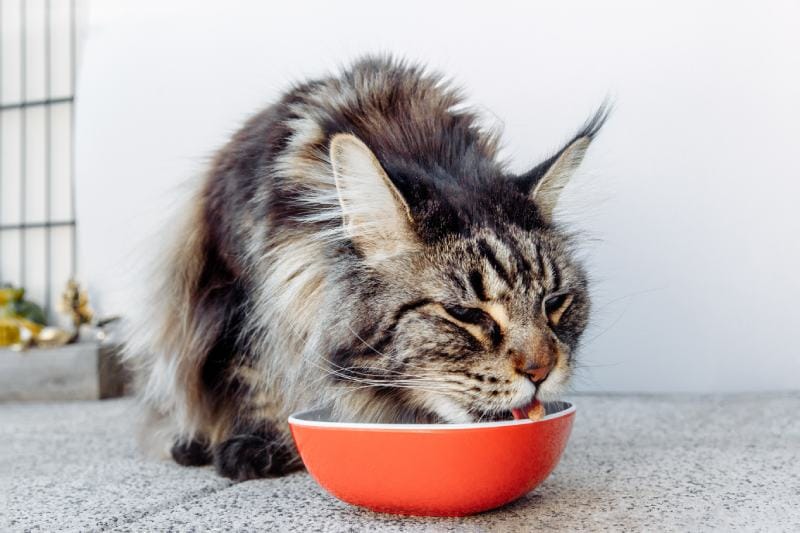
The transition will be much easier if you choose the food that suits your cat. You may want to select something that contains easy-to-digest ingredients. Look for recipes that feature chicken or turkey as the primary component since these are less likely to upset their stomach. Besides, wheat, rice, oats, and egg proteins can aid digestion and reduce gastrointestinal reactions. Don't forget to ask your vet what meals they think are best.
While providing our feline companions with high-quality food is paramount, selecting the right food and water bowl is equally important. The modern yet practical design of our Hepper NomNom Cat Bowl combines cat-catered features, like whisker-friendly shallow dishes and slight elevation, with a contemporary style aimed at protecting your floors from messy eating and drinking. The NomNom is entirely dishwasher safe and was thoughtfully created with your cat’s health and well-being in mind.

- NO MESS - The 360° tray on this cat food and water bowl set has a raised design to catch and contain stray crumbs and drips. Protect your indoors and floors from wet and messy meals!
- WHISKER FRIENDLY - Shallow and wide metal containers with flat bottoms ensure your kitty can enjoy mealtime free from whisker fatigue!
- CHEW-SAFE MATERIALS - Kittens and cats love chewing on silicone and soft rubber - but it's a choking hazard. Our cat feeding station materials are anti-chew for a 100% safe feeding frenzy!
Make a Gradual Transition to New Foods
Consider the importance of giving your cat the new food. If it's done to your preference or just for added convenience, it might not be worth the quick change! If you decide to switch, it's best to do it over a 7–10 day period,1 gradually lessening the amount of the old food and raising the amount of the new food each day. It will give your pet's digestive system enough time to adjust and reduce the risk of diarrhea.
If your cat gets diarrhea during this time, you can feed them 100% of the last meals that worked well for 2–4 weeks until their stools return to normal. You can then start the switching process again, but more slowly.
When Should You Take Your Cat to the Vet?
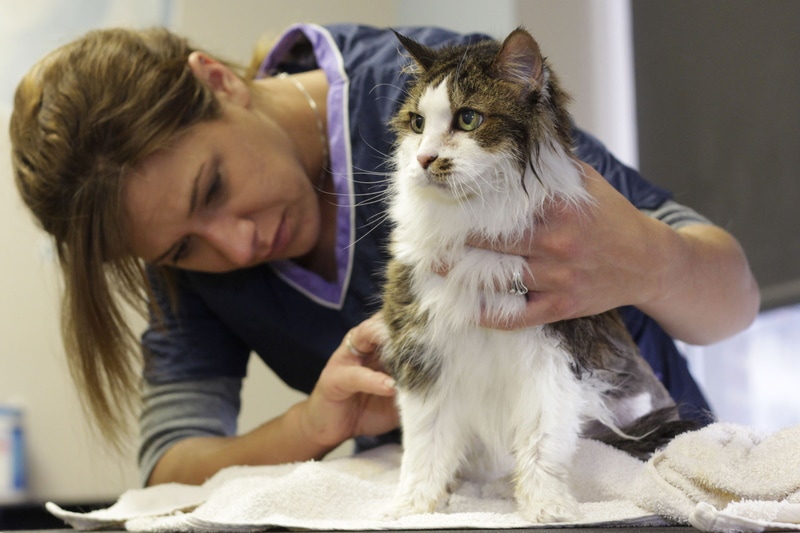
If your feline companion still experiences diarrhea after you carefully selected food for sensitive stomachs and gradually introduced it to them, there could be another fault. Unfortunately, cats can also get diarrhea for many other reasons, like food sensitivities, stress, worms, or toxins. If their diarrhea contains mucus, is bloody, or lasts more than 48 hours, you should bring them to the vet ASAP.


Tips for Cleaning Cat Accidents
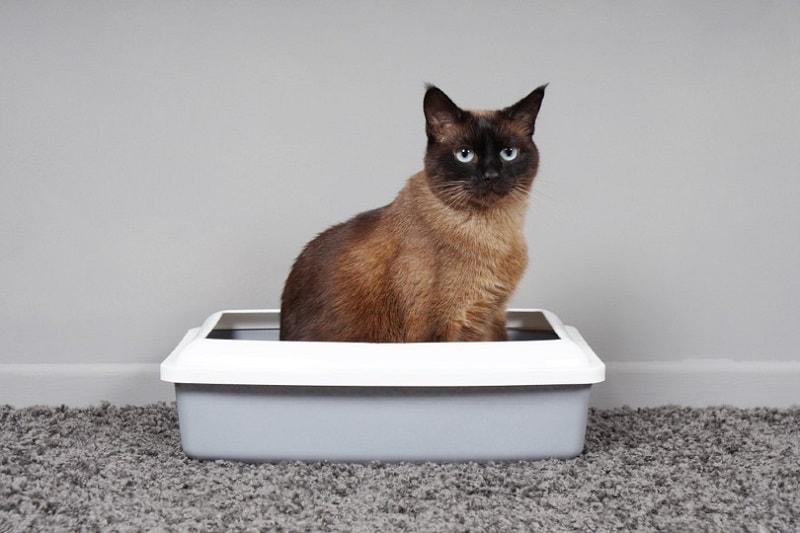
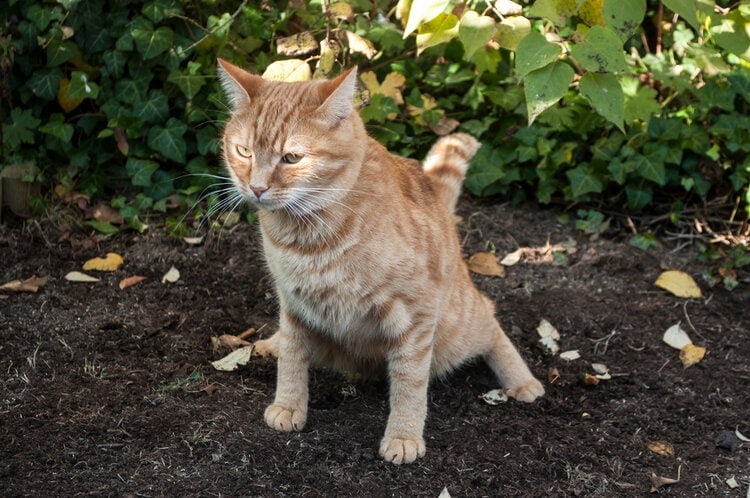
After an accident outside of the litter box, cats will keep going to the same spot even if the mess may seem clean enough. Just because you think the chaos is over doesn't mean it actually is. Odors that your nose can't detect are like a magnet drawn to a cat's nose, attracting them back repeatedly until the area is 100% cleaned. The following 3-step process will help you clean up messes and prevent future ones:
1. Suit Up
Wear gloves before you clean to protect yourself from potential pathogens in the urine and feces, such as the parasites Giardia or Toxoplasmosis that may be present in cat poop or Leptospirosis bacteria in cat pee.
2. Remove the Mess
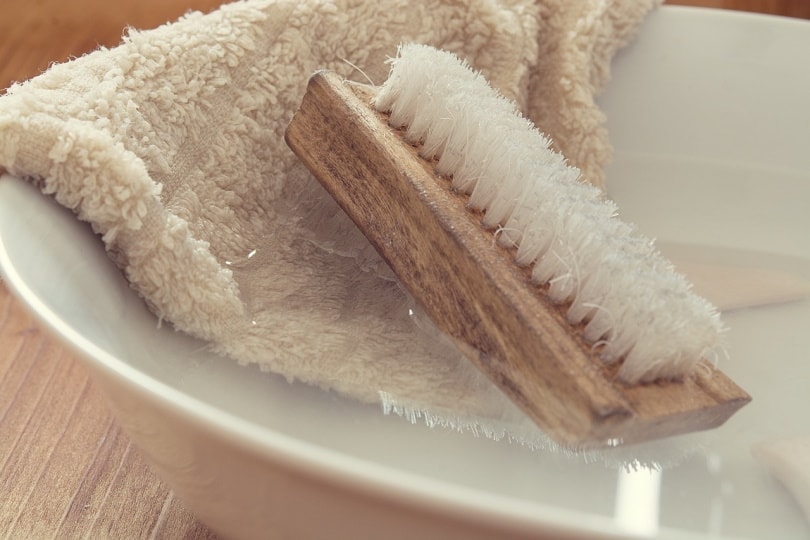
Remove most of the mess with paper towels. Then, using a warm-water-soaked towel, wipe away any remaining residue.
3. Clean with a Cat Odor and Stain Eliminator
Avoid using bleach or other typical household cleaners. Instead, you should use a quality enzyme cleaner specifically designed to eliminate the smell of cat pee and poop.
Conclusion
Stomach issues can occur if you switch your cat's old food to the new one too quickly, and diarrhea is one of the most common side effects of that change. However, it's likely that the digestive system and microbiome of the cat are reacting to new nutrients. So every time you need to change the cat's food, no matter what the reason is, you should do it gradually enough to prevent diarrhea from happening at all.
If it persists for more than 48 hours, take your pet to the vet ASAP.
Featured Image Credit: fantom_rd, Shutterstock
Get Hepper In Your Inbox


Pet care tips from our vets and experts, straight to your inbox.
You may opt-out at any time. View our Privacy Policy for more information.
Hanh is a freelance writer living in Vietnam. She has a big love for working online and writing about animals, especially dogs. She finds happiness in helping pet parents across the globe have a fulfilling life with their pets by sharing her knowledge and that of other experts. When not writing, she enjoys traveling and experiencing different cultures.
Join the conversation
Ask a question, share your story, or send private feedback.