Hepper is reader-supported. When you buy via links on our site, we may earn an affiliate commission at no cost to you. Learn more.
Do Rabbits Have Vocal Cords? How They Communicate & FAQ


In this article
Rabbits are notoriously quiet creatures. It is very rare that you even hear one make a peep. So, what exactly does this mean about their anatomy? Do rabbits have vocal cords? Can they make noises? Or are they naturally without this capability?
Interestingly, rabbits do not have vocal cords. Therefore, they do not use sound to communicate with other creatures the way humans and many other animals do. So, how do they communicate instead? Let’s explore it all!

Rabbits Do Not Have Vocal Cords
Vocal cords consist of two small bands of larynx muscle that vibrate to produce sound. Rabbits do not have this characteristic in their bodily makeup. Therefore, they cannot meow, bark, or make any other similar noise like some of our other domestic animals.
Rabbits are extremely quiet creatures, but that doesn't mean that they don't communicate with body language. They can make certain noises, but these are different from using voice.
Rabbits Can Make Noises
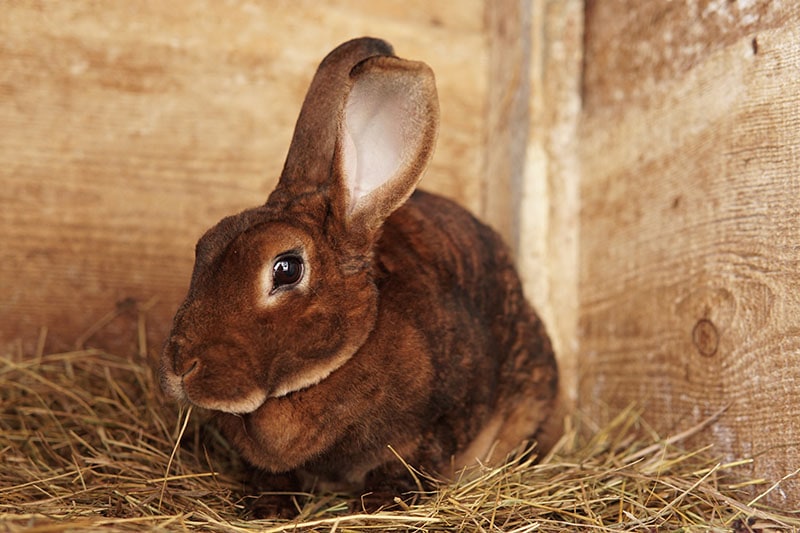
Rabbits are not completely silent. They can create quite a ruckus sometimes. They have very different ways of communicating, but once you understand the concept of their personal language, it becomes very clear.
The longer you own rabbits, the more accustomed you will become to the different noises and body language to expect.
How Rabbits Communicate
Rabbits can communicate with us in a variety of ways. They show a wide display of emotions, from happiness and contentment to agitation and aggression. Here are some examples.
Growling/Hissing/Snorting
Growling, hissing, or snorting typically happens when a rabbit feels threatened. It is a way that the rabbit communicates that they want whatever trigger is around them to go away. This can often happen when your rabbit is protecting their territory, food, or even their babies.
If your rabbit is getting obviously upset, it is best to remove whatever stimuli is causing the problem and leave them to calm down.
Purring
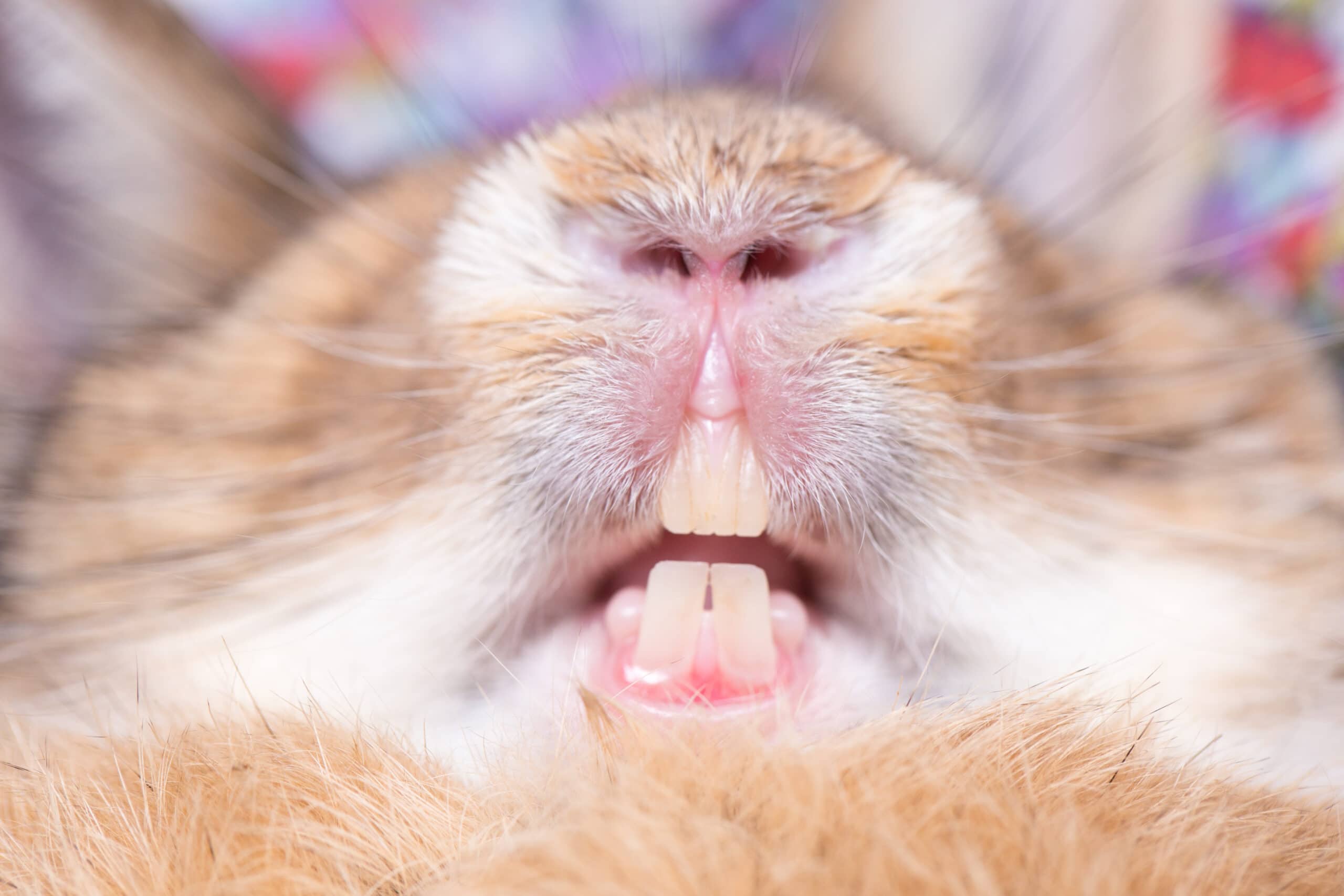
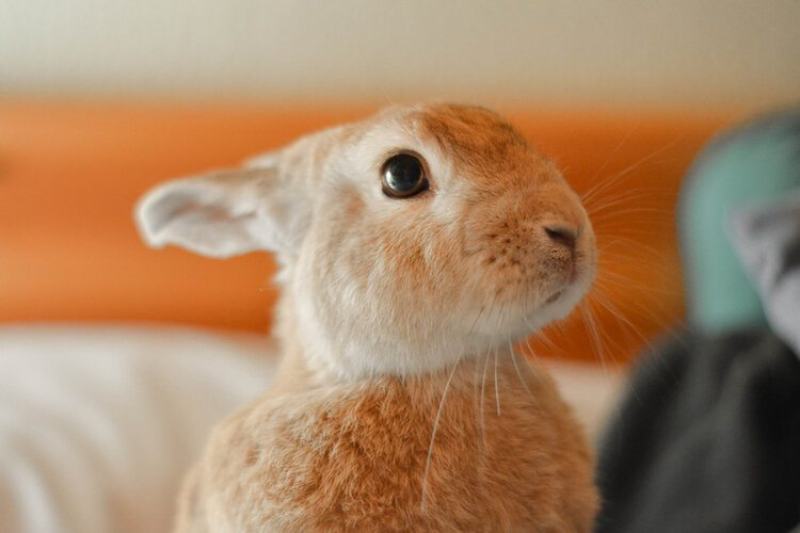
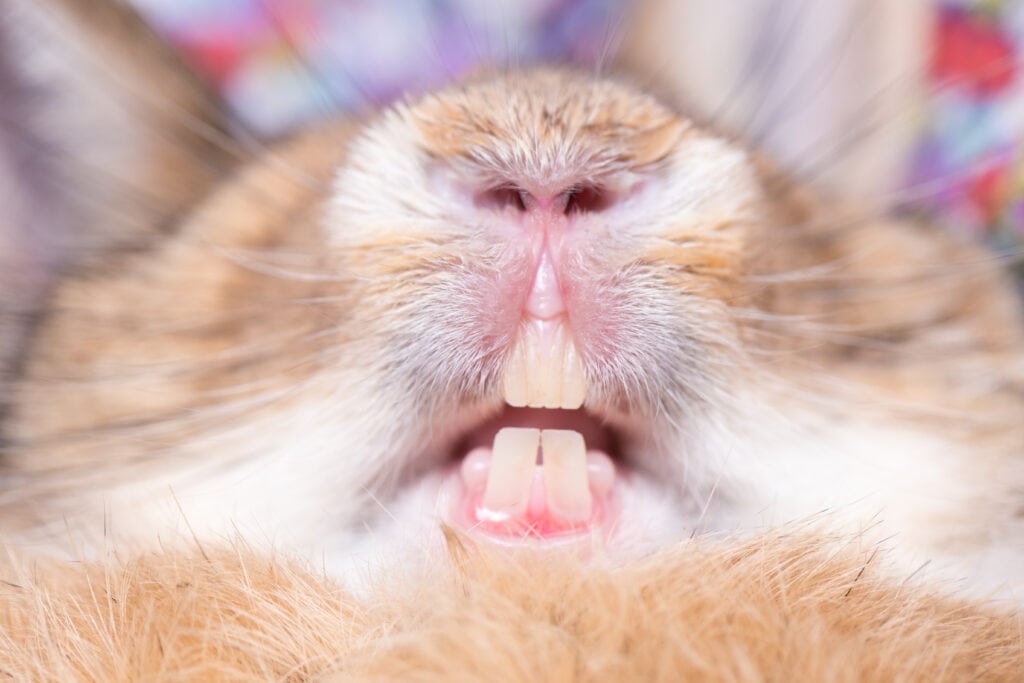
We all know that cats purr when they feel happy. Rabbit purring happens in a different way, but it is a very similar concept. Rather than coming from deep within the chest, rabbit purring comes from vibrating the teeth.
Teeth Grinding
If your rabbit is grinding their teeth loudly, it is a very strong indicator that they are stressed out or in pain. If your rabbit has started grinding their teeth, it is imperative to see your vet to get to the underlying cause.
Honking
We all have bad days. Honking is a huge symbol of that.
Honking does not come from vocal cords, although it might sound like it does. Honking is your rabbit's way of showing annoyance. If your rabbit honks, it’s time to leave them alone and let them be for the time being. Wait until they are in a better mood to interact.
Wheezing
Rabbits are very sensitive to their environment. They can easily get upper respiratory infections that can result in wheezing. If you notice your rabbit wheezing, you must get them to the vet for proper treatment. These problems can advance relatively quickly and often require medication.
Screaming
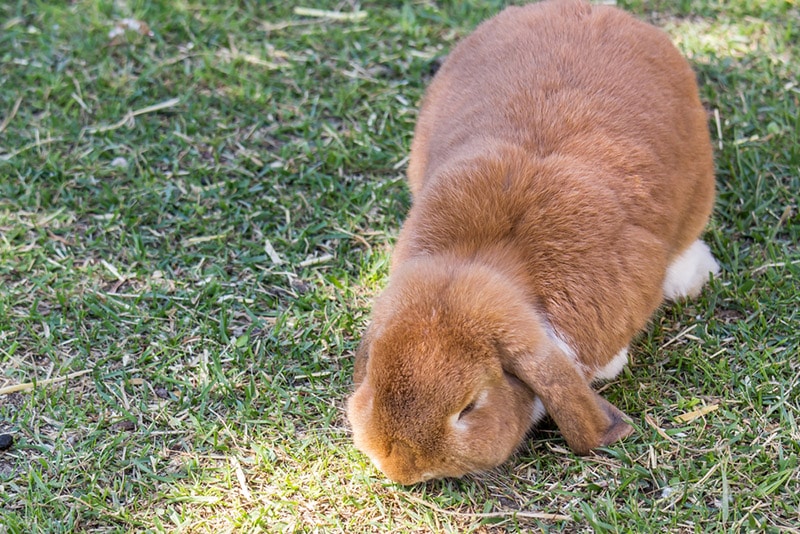
You might’ve heard what is called a rabbit scream. So naturally, you can assume that rabbits can make some type of noise. However, this is not the same as using vocal cords to create sound. Screams are the result of oxygen being forced out of the lungs suddenly.
Why Do Rabbits Scream?
Rabbit screams can be very concerning and frightening if you are around. All the same, your rabbit is feeling some level of fear and discomfort. Most of the time, rabbits don't scream, so if they do, you know it is for a good reason.
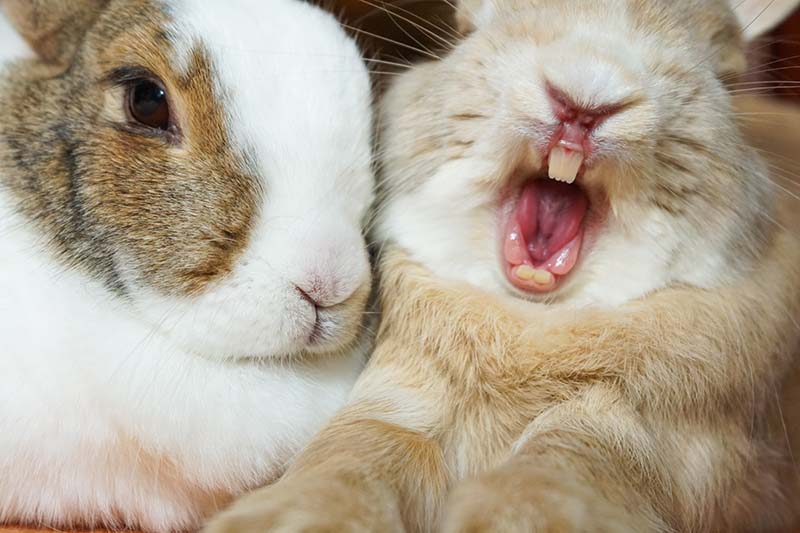
If this is your first time hearing the scream, it is usually described as bone-chilling. The sound of a rabbit scream is often compared to that of a small child.
Unlike acting disgruntled if they are frightened, a scream is a moment of sheer panic. It only happens if your rabbit is suddenly scared beyond measure. It usually indicates fear, psychological distress, or extreme pain.
It might also happen if your rabbit detects an immediate danger and is afraid for their life. Rabbits might also scream during a seizure or just before they die. Consider it a cry for help and respond accordingly.
When to See a Vet
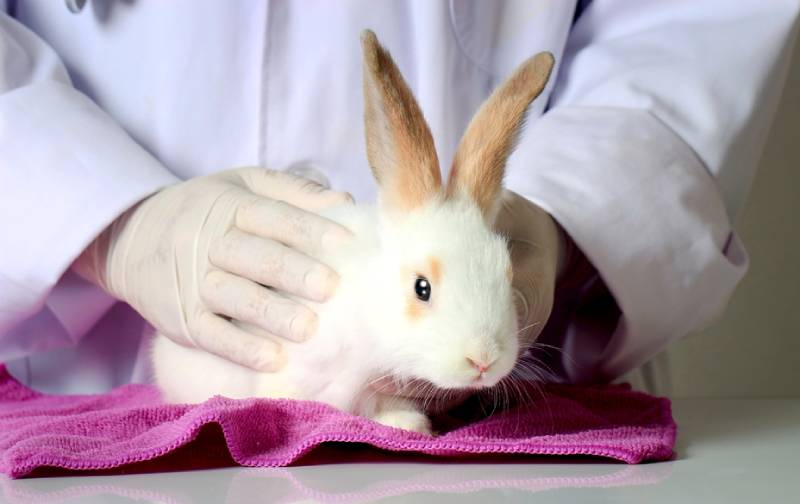
If you notice that your rabbit is being a little more noisy than usual or screaming, getting them to your vet is imperative. This is especially true if you can't find an underlying cause or trigger.
Your rabbit might be in extreme amounts of distress due to health-related issues or underlying injury. Rabbits are very good at covering up illness, as they are prey animals that cannot afford to act weak in the wild. So, if your rabbit is openly displaying signs that something just isn't right, typically illnesses or injuries are very advanced at that point.
Your vet can assess your rabbit and give them any necessary testing or imaging to uncover the underlying issue.
Conclusion
Rabbits are generally very mild, quiet creatures. They can be slightly “vocal” but do not use vocal cords—yet we can still use body language to decipher overall mood or state of health. If your rabbit is making unusual noises, it might be time to visit your vet.
Keep in mind, rabbits are very good at hiding illness or distress. So, make an appointment right away if you notice any behavioral changes.
Sources
Featured Image Credit: Victoria Paladiy, Shutterstock
Get Hepper In Your Inbox


Pet care tips from our vets and experts, straight to your inbox.
You may opt-out at any time. View our Privacy Policy for more information.
Ashley Bates, a freelance writer with a passion for pets, is currently studying animal therapy. She is a mother to four children and 23 pets, both furry and feathery. Ashley actively volunteers at local shelters, advocates for animal welfare, and rescues animals in distress. Her mission is to promote awareness, education, and entertainment about pets to help prevent animal homelessness. She specializes in the care and well-being of dogs and cats.
Join the conversation
Ask a question, share your story, or send private feedback.