Hepper is reader-supported. When you buy via links on our site, we may earn an affiliate commission at no cost to you. Learn more.
Why Do Rabbits Grunt? 5 Common Reasons
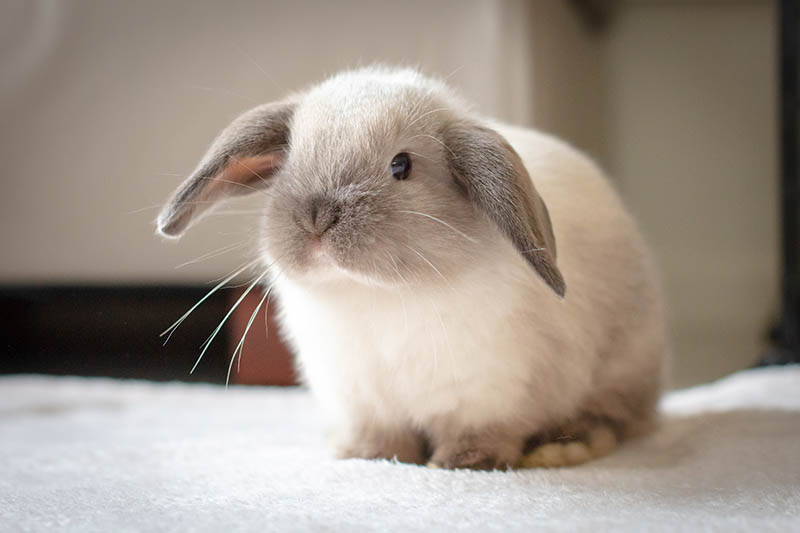
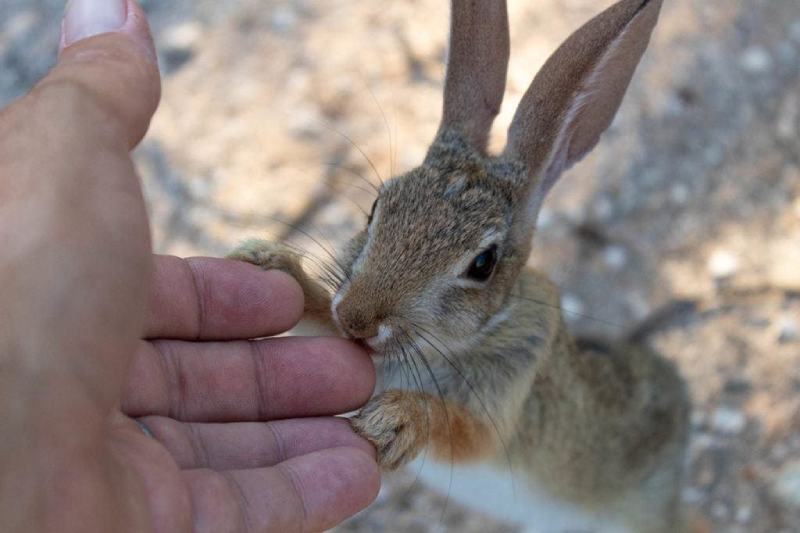
The 1.5 million American households with at least one rabbit probably know something you didn’t: that bunnies make noises and can express emotions through their body language and vocalizations1. The domesticated animal is a descendant of the European Rabbit (Oryctolagus cuniculus). It can also vocalize, although it’s usually quiet since it’s nocturnal or active at night.
Rabbits are a diverse group of animals. The American Rabbit Breeders Association (ARBA) alone recognizes 49 breeds2. They are relatively new to the domestication scene. Thus, many wild instincts still exist in these animals, with vocalization being one of them. It differs in how one person may interpret a grunt. Nevertheless, the emotion is evident if you observe the rabbit’s body language.

The 5 Reasons Why Rabbits Grunt
1. Your Rabbit Is Afraid of Something
Rabbits are a prey species, which has profound impact on their behavior. We mentioned how these animals are usually quiet in the wild. That describes the status quo. They don’t draw attention to themselves until they feel safe. Remember that grunting could attract a predator. If your bunny vocalizes, it may be afraid of something to the point that it’s enough to blow its cover with grunting.
2. Your Bunny Wants to Be Left Alone
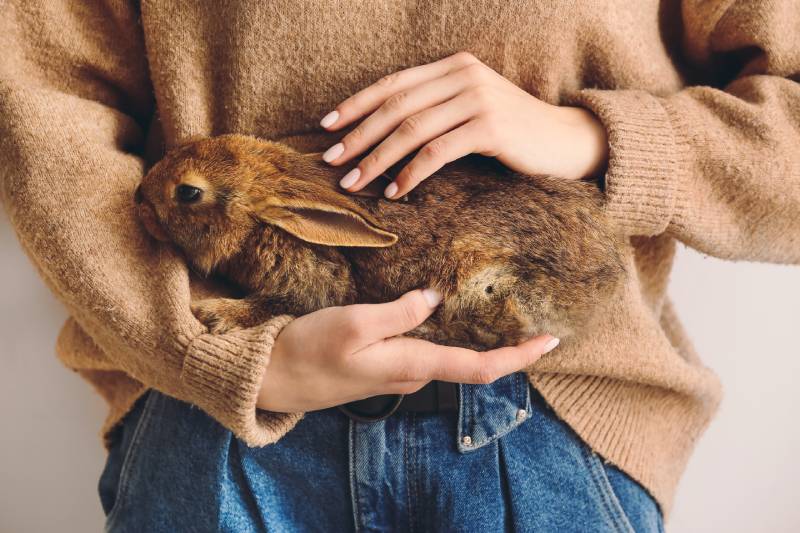
Rabbits don’t always like to be handled. Again, it goes back to their instinct as a prey species. Being held means they don’t have control of a situation and are, thus, vulnerable. A grunting pet could be expressing its displeasure about being handled or having someone around it. Like most animals, it gives a warning before putting itself at risk with a physical conflict. A grunt can mean to back off, or else.
3. Something Is Making Your Rabbit Angry
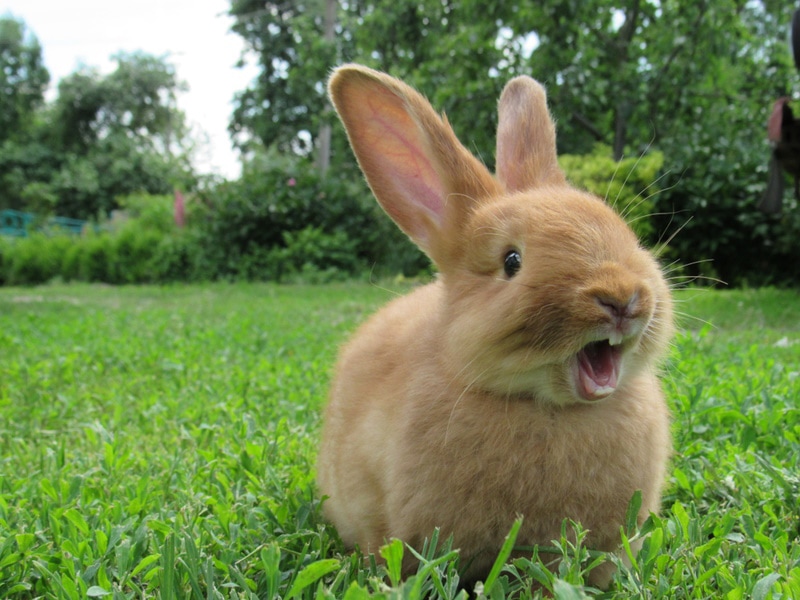
Likewise, an angry rabbit won’t hesitate to make its emotions clear with grunts and growls. As with our previous reason, an animal must be pretty annoyed if it is sounding off at someone. It may seem counterintuitive with a pet we typically consider docile and gregarious. When a bunny is content, it also vocalizes. Grunting accompanied by thumping or flat ears is a warning shot over the bow.
4. Your Pet Is Claiming Its Space
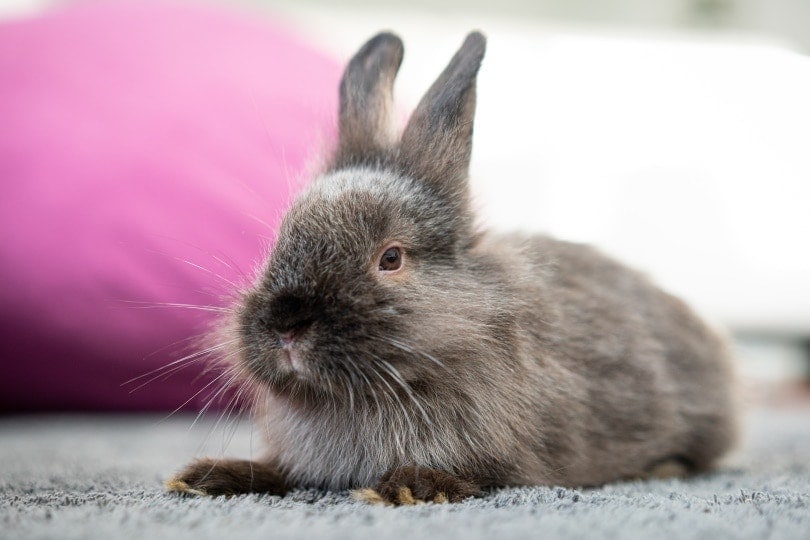
Wild rabbits often live in colonies. However, don’t mistake communal living with total acceptance of the presence of other cohorts. A hierarchy exists, particularly between males. Lagomorphs use non-verbal ways to signal that a territory is occupied, such as spraying. Males will also compete for dominance during breeding. An unneutered male might grunt to claim its territory.
5. Your Bunny Is Stressed
Bunnies like it when their world stays just so. Some pets may stress out if you do necessary maintenance, like cleaning their cages. Grunting is their way of showing they're annoyed with a change in the routine.
Remember those survival instincts. Prey species are keenly aware of their space and the things within it. Something different could be a threat to a rabbit, explaining why it grunts seemingly needlessly.
Sounds a Happy Rabbit Makes
Rabbits often express emotions in other ways besides vocalizing. We mentioned thumping their feet. Their wild counterparts also use this form of non-verbal communication to warn of impending danger. It’s a sound other rabbits can easily hear and interpret. It’s also a radical departure from a scream that denotes pain and vulnerability.
Overall, grunting is a negative vocalization, usually meaning something unpleasant is happening. That begs the question, what sounds does a bunny make when it’s happy? A rabbit has several ways to show that they’re content. One of the most unique vocalizations is purring. The sound originates in the rabbit’s mouth and not the larynx, as it does with a cat.
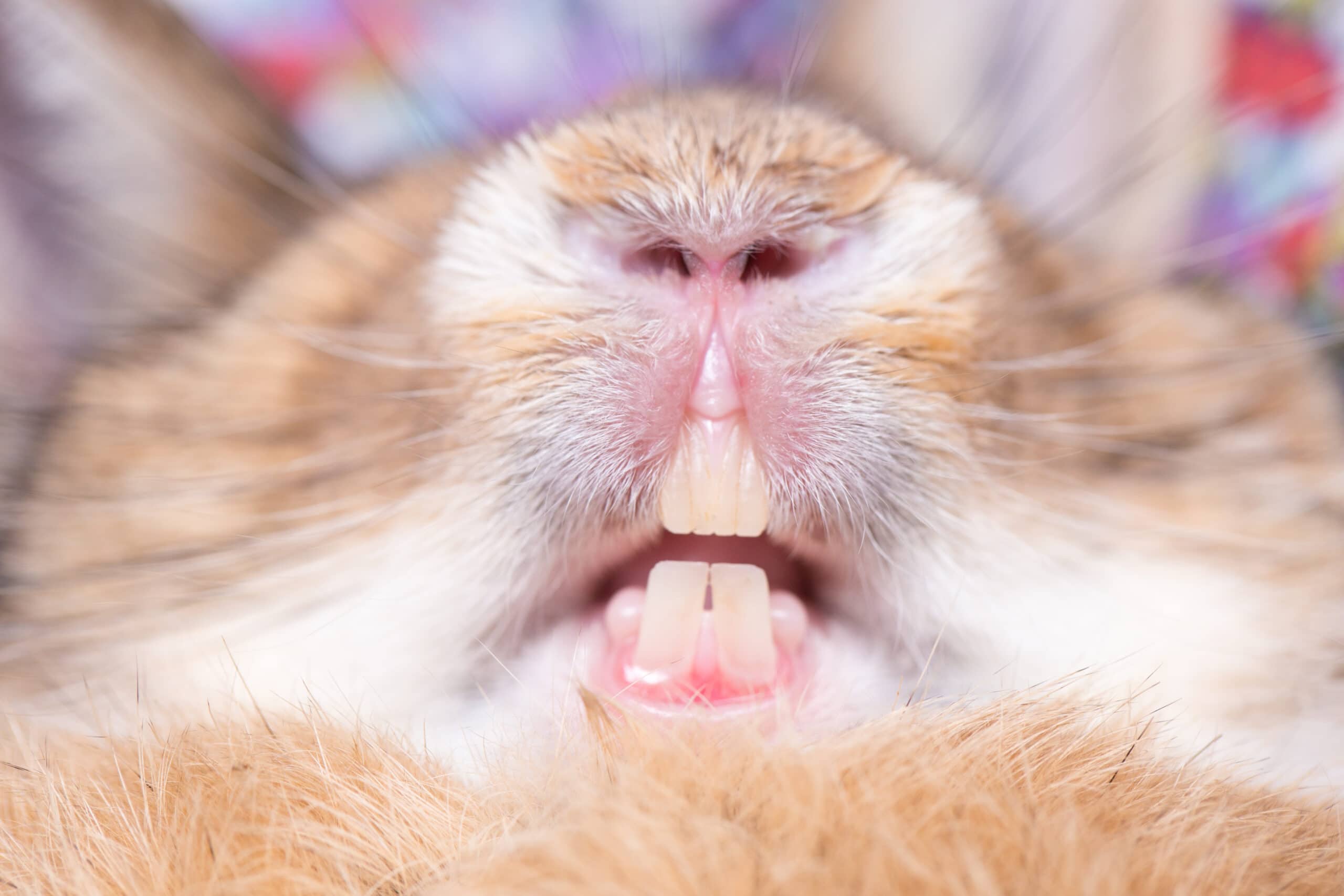
A bunny that feels all right with its world will softly grind its teeth together, making this low-pitched purring sound. It may also make a clucking sound or squeal when you get ready to feed it or give it a treat. An animal can learn to do these vocalizations through positive reinforcement. It does something, and it gets a reward. It’s a simple yet effective way to teach your pet tricks and commands.
Conclusion
While it may be necessary for a rabbit to stay quiet, it’s perfectly capable of making sounds when necessary to face a threat. It can express contentment with purring and displeasure with vocalizations like grunting. Often, the latter functions as a warning. It can lunge and bite if circumstances force its hand. Body language offers an excellent way to determine if your bunny wants attention or peace.
See Also:
Sources
Featured Image Credit: FiledIMAGE, Shutterstock
Get Hepper In Your Inbox


Pet care tips from our vets and experts, straight to your inbox.
You may opt-out at any time. View our Privacy Policy for more information.

Chris is an experienced pet writer specializing in science topics, with a particular passion for health and the environment. She has been a writer for over 15 years and lives with her husband and three cats in Michigan.
Beyond writing about cats and dogs, Chris loves to learn about wine. She has WSET 1 and 2 certifications and is currently pursuing her Certified Wine Specialist Award (CSW).
Join the conversation
Ask a question, share your story, or send private feedback.