Hepper blog

Search our database of over 9,984 posts with up-to-date information from our experts and veterinarians.

Hepper is reader-supported. When you buy via links on our site, we may earn an affiliate commission at no cost to you. Learn more.

Do Rabbits Have a Good Sense of Smell? Vet Approved Explanation & Facts

By Kathryn Copeland · Reviewed & fact-checked by Dr. Maja PlatisaVet Approved
Dr. Maja Platisa
Reviewed & Fact-Checked byDr. Maja PlatisaVeterinarian
Dr. Maja has over 8 years of veterinary experience working with various animal species in the United Kingdom and the Channel Islands, from dogs, cats, rabbits, guinea pigs, to cows, goats, sheep, pigs, and poultry. Maja is very enthusiastic about veterinary volunteering work and often helps in neutering projects for stray animals in Greece. She has a wide range of skills in the fields of animal medicine and surgery, diagnostic imaging, endoscopy, microscopy and other aspects of clinical work. She is very passionate about animals and their health and loves to help our readers with any questions or issues with their four-legged family members and other animal companions. Her passion is small animal medicine and emergency work, while she also has a great interest in animal welfare. Dr. Platiša received her veterinary training and degree from the Faculty of Veterinary Medicine, University of Zagreb, Croatia, in 2015.View authorThe information is current and up-to-date in accordance with the latest veterinarian research. Read about our vets
Share
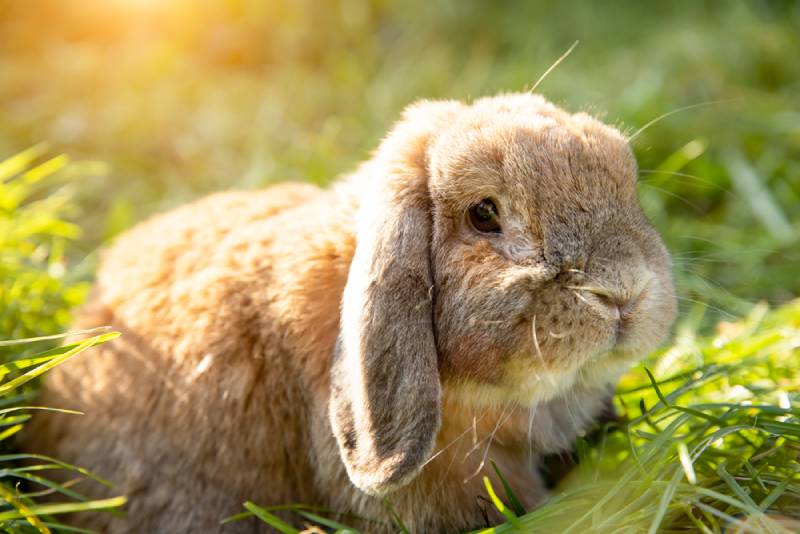
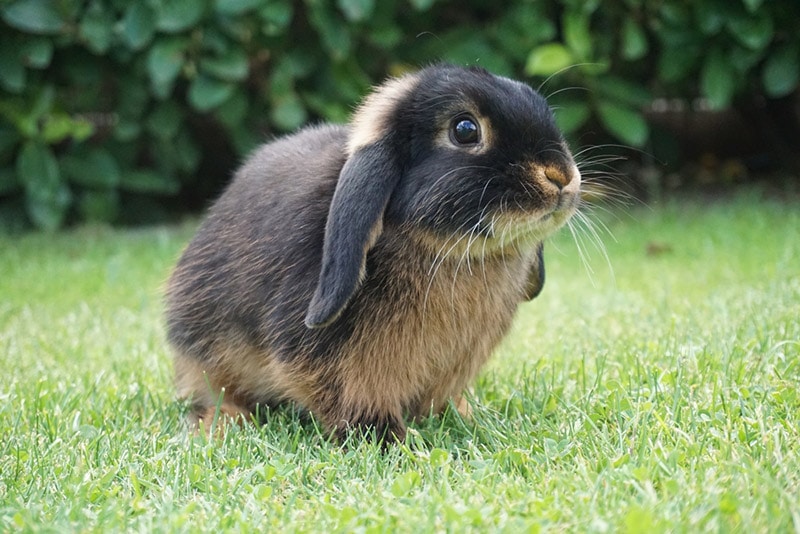
mini lop rabbit outside on grass

There’s no question that rabbits have pretty adorable noses. And with all of that wiggling action, it seems they spend a lot of time smelling everything. But have you ever wondered how well rabbits can smell?

Rabbits actually have an excellent sense of smell, and as prey animals, it is a critical sense for rabbits to alert them to the scent of any potential threats.

In this article, we’ll discuss everything rabbit nose-related, so if you want to learn more about how the rabbit’s nose works, please read on!

divider_rabbit

How Does the Rabbit’s Nose Work?

Rabbits have 100 million olfactory receptors in their noses, and just to compare, humans only have about 6 million.1 This means the rabbit’s sense of smell is about 20 times better than ours! Plus, the section of the rabbit’s brain used for their sense of smell is proportionally much better than ours as well.

The internal structure of the rabbit’s nose allows the air that the rabbit breathes in to enter close to the nostril wall.2 When exhaling, the air flows through the middle part of the nostril.

This essentially allows the inhaled and exhaled air to move separately inside the nostrils, which helps the rabbit smell practically continuously.
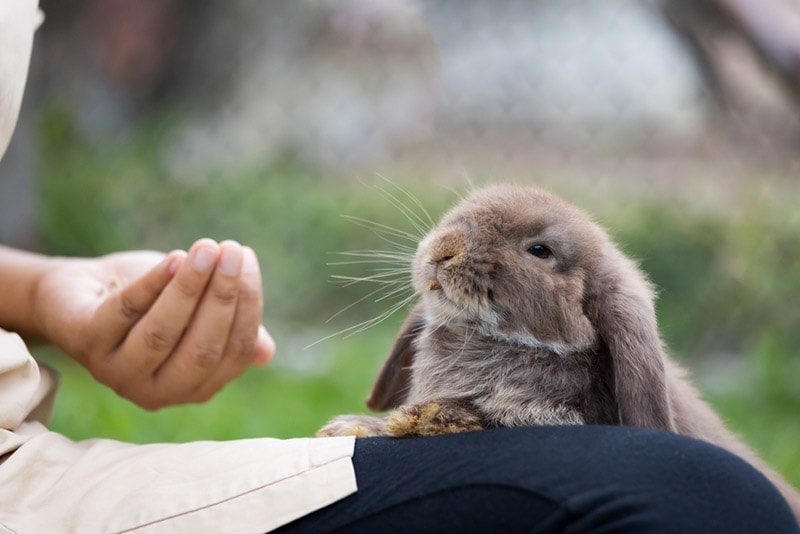
dwarf lop rabbit in the meadow
Image Credit: Snoopy0107, Shutterstock

How Do Rabbits Smell Odors?

When the scent reaches those 100 million olfactory receptors inside the nostrils, they send signals to the brain, which are then interpreted. They also have something called an olfactory bulb, which looks a bit like a ball at the back of the nasal structure.

The olfactory bulb is packed full of sensory cells, which additionally send signals to the brain with information about very distinct scents.

Why Do Rabbits Twitch Their Noses?

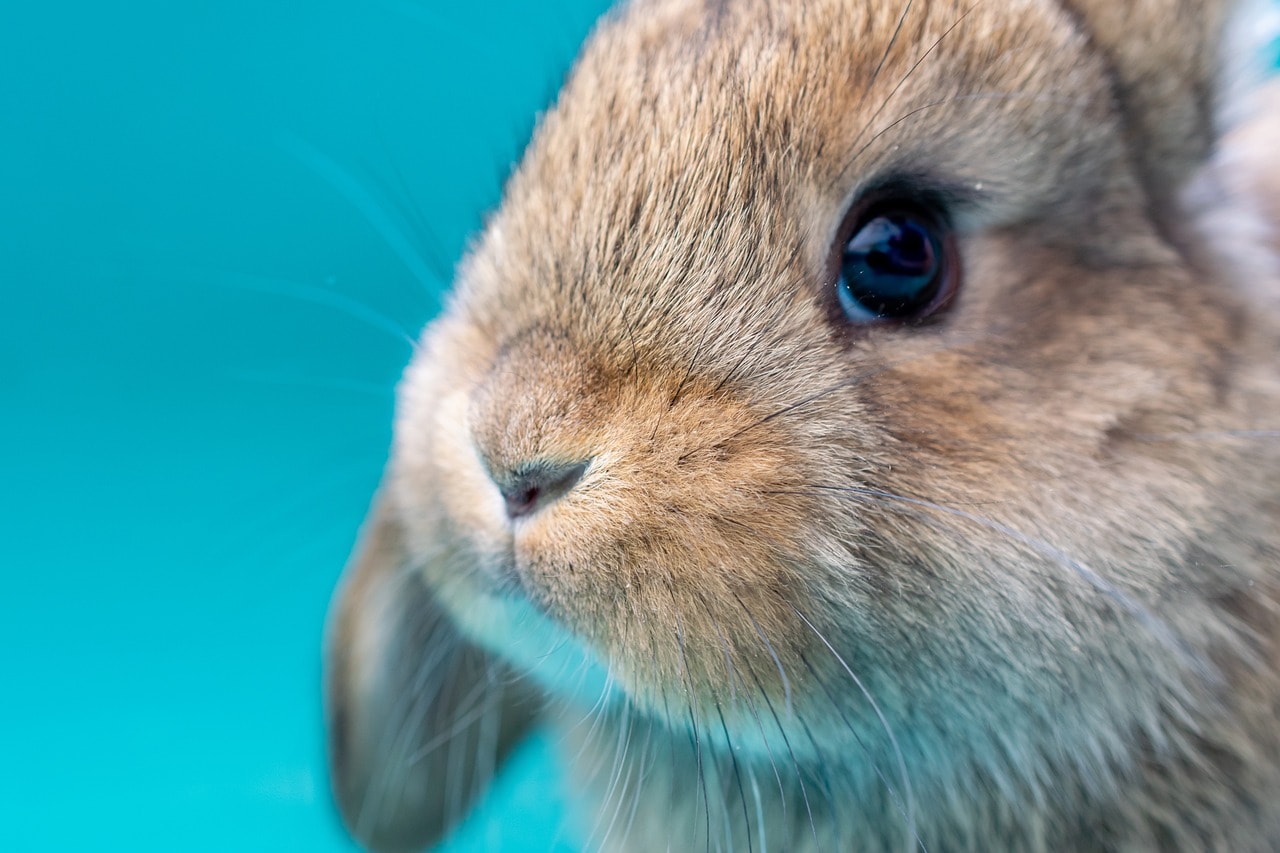
Those adorable noses, which you’ve likely noticed, seem to twitch an awful lot! It’s also sometimes called nose blinking. Every time the nose twitches up, it opens the nasal passages wider, which helps to increase the airflow over the olfactory receptors. And, of course, more air means more scents for the rabbit to detect.

The faster and harder the nose twitches, the more on edge they are because they are attempting to gain more information from their environment quickly. This means if you notice your rabbit doing some serious nose twitches, they might be on high alert or stressed. If your rabbit is sleeping and there is a sudden noise, they will likely bolt upright and start nose twitching ferociously. They are trying to determine if there is a threat nearby.

Sometimes rapid twitching when the rabbit appears calm could mean they are curious and are gaining extra information about it. Happy and content rabbits also twitch and wiggle their noses all the time. Rabbits are capable of twitching their nose up to 150 times per minute, which is an integral part of a wild rabbit’s survival!

And a rabbit’s breathing rate jumps up during a nose-twitching session. Normal respiration rate is about 30 to 60 breaths in a minute but shoots up to 480 breaths per minute while sniffing! On the other hand, open-mouth breathing is not normal in rabbits and is a sign of a genuine respiratory emergency, so do not mistake it for sniffing.
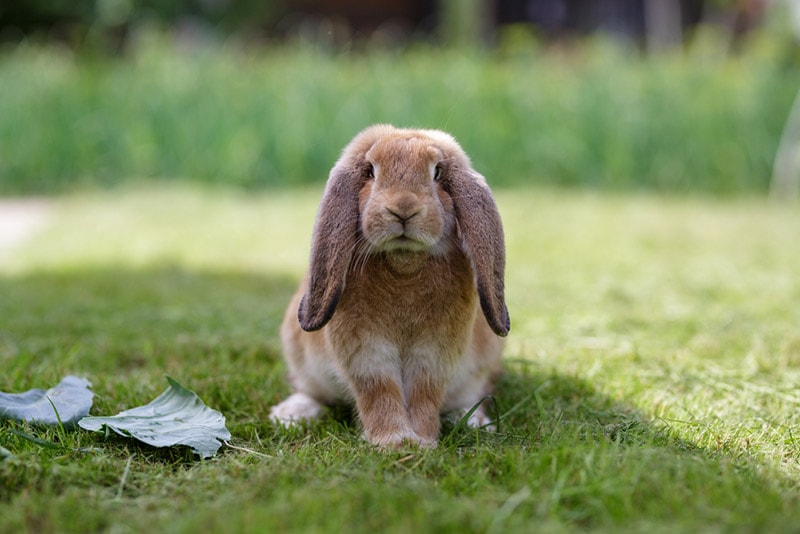
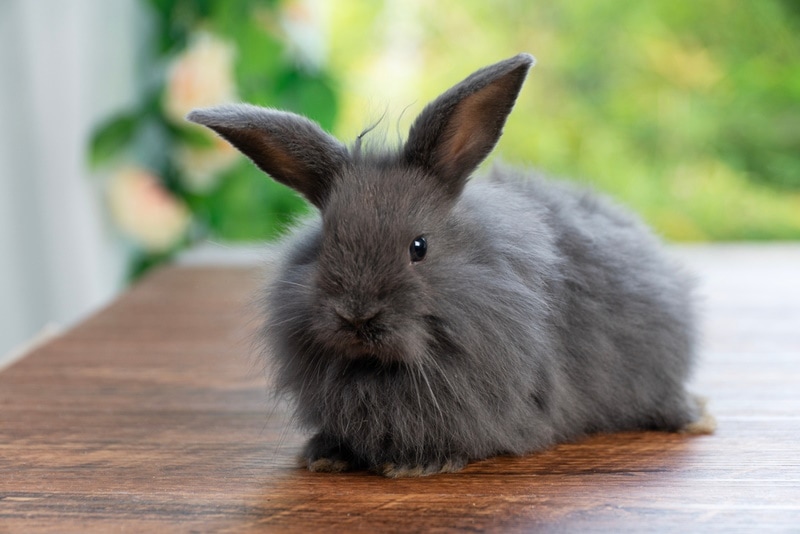
french lop rabbit sitting on the meadow
Image Credit: Anton Nikitinskiy, Shutterstock

The Importance of the Rabbit’s Sense of Smell

A rabbit’s hearing is also a very important sense, and they use it interchangeably with their sense of smell, in order to spot any predators or disturbances in time.

Smelling a threat from far away gives them the opportunity to escape before it reaches them. And these two important senses work together – when they hear a noise, they sniff the air to gain information about the scent associated with that particular noise.

Rabbits also rub their chin on many things as a way of leaving their scent from the scent gland located there. Other rabbits gain information from this scent which helps with territorial issues and mating purposes. The rabbit’s sense of smell literally helps them to survive and thrive!

What Are Unappealing Scents for Rabbits?

With such sensitive noses, there are quite a number of scents that rabbits dislike and might even cause them stress.

  • Predators: Any animals that are common predators of rabbits will definitely stress them out. This includes cats and dogs in the home and coyotes or foxes in the yard.
  • Spicy: Anything strong and irritating, like chili powder, is unpleasant to rabbits. Ensure you cover these items, particularly if your rabbit is nearby.
  • Onions and garlic: These food items have a strong odor that can even be a turn-off for us. The same may apply to rabbits, but we actually don’t know this for sure. Some rabbits may like it and even try to eat it.
  • Lavender: Rabbits seem to dislike lavender. Because this scent is popular in candles and room sprays, you should avoid using these. And if you use a soap or hand lotion scented with lavender, consider finding something else – your rabbit will most definitely not want to be handled by you.
  • Air fresheners and perfumes: These are more of a chemical smell that can irritate your rabbit’s nose and upper airway. Avoid using artificial/chemical scents on yourself and in your home.

What Are Appealing Scents for Rabbits?

These odors will probably not surprise you because they involve food and other things rabbits enjoy.

  • Food: Just like any animal, rabbits love the smell of food. It may be something you’re eating but more likely fresh hay, grass, and veggies – the kind of food they usually enjoy eating, especially fruit!
  • Roses: Sweet-smelling flowers like roses (but not lavender) will also draw rabbits, as well as other plants and flowers, such as chickweed, daisies, dandelions, nettles and many others.
  • You: When your rabbit becomes familiar with your scent and has formed a bond, they may enjoy your scent as well. You might find them occasionally napping on your unclean laundry. But again, we don’t know this for sure.

Do Dogs Have a Better Sense of Smell Than Rabbits?

Yes, dogs actually have an incredible sense of smell that out-smells rabbits. Dogs have more than 220 million olfactory receptors in those noses compared to the rabbit’s 100 million.

Of course, the main difference is that rabbits are prey animals, and dogs are predators. They use those incredible noses to track down food and, of course, work in the service of humans.

a beagle dog detection handler working at the airport
Image Credit: New Africa, Shutterstock
divider_rabbit

Conclusion

Rabbits are certainly known for their excellent hearing ability, but now you know their sense of smell is quite powerful as well.

Rabbits use their sense of smell to detect threats but also to find food and determine if other rabbits are friends, foes, or ready for mating. And all that nose twitching is designed to provide them with all of the information they need to stay safe.

Sources

Featured Image Credit: RUl8let, Shutterstock

Get Hepper In Your Inbox

Pet care tips from our vets and experts, straight to your inbox.

List

Select all that apply.

You may opt-out at any time. View our Privacy Policy for more information.

Kathryn Copeland
Authored by

Kathryn Copeland

Join the conversation

Ask a question, share your story, or send private feedback.
Rate this post
Required to post. Only our editors see your rating.
Who should see this?

A human reviews every comment before it appears. Your email is never published.

Picked to go with this article

Why Do Rabbit Noses Twitch and Wiggle? Vet-Approved Facts

Why Do Rabbit Noses Twitch and Wiggle? Vet-Approved Facts

If you love rabbits and have some of your own, you know they're affectionate, lovable creatures. Rabbits also have some adorable habits, including chinning, ho…

Gregory Iacono
By Gregory Iacono ·
What Smells Do Rabbits Hate? 7 Common Scents

What Smells Do Rabbits Hate? 7 Common Scents

Rabbits, as a prey species, have excellent hearing and a good sense of smell, making them very aware of their surroundings. These animals typically have around…

Nicole Cosgrove
By Nicole Cosgrove ·
Why Is My Rabbit Sneezing? 6 Vet-Approved Reasons

Why Is My Rabbit Sneezing? 6 Vet-Approved Reasons

About 1.53 million American households 1 have at least one pet rabbit. Rabbits are a prey species and, thus, instinctively hide weaknesses like illnesses. It m…

Chris Dinesen Rogers
By Chris Dinesen Rogers ·
Can Rabbits See Colors? Vet-Appproved Eye Facts

Can Rabbits See Colors? Vet-Appproved Eye Facts

While rabbits require a certain level of care, they can make wonderful pets for people of all ages. Getting to know a new pet can give you the urge to learn ev…

Kathryn Copeland
By Kathryn Copeland ·

Keep reading

More stories you might like

How to Get Rid of Rabbit Pee Smell: Expert Tips & Tricks

Rabbits are much-loved pets in many homes, but it’s not so cute when you walk past their enclosure and catch a whiff that knocks your socks off. Worse yet, som…

Kit Copson
By Kit Copson ·
How to Get Rid of Rabbit Pee Smell: Expert Tips & Tricks

20 Incredible Facts About Pet Rabbits That You Should Know

Rabbits are the sixth most popular pets in the United States:1 we have 3+ million buns in 1.5 million US households. These lovely critters are affectionate, en…

Nicole Cosgrove
By Nicole Cosgrove ·
20 Incredible Facts About Pet Rabbits That You Should Know

How Badly Do Rabbits Smell? Causes & Remedies

Rabbits are easier to care for than dogs, at least with respect to the fact that they don’t need daily walks. They can also be litter trained similarly to cats…

Nicole Cosgrove
By Nicole Cosgrove ·
How Badly Do Rabbits Smell? Causes & Remedies

Rabbit Body Language: 10 Behaviors & What They Mean

Even though they may have started as a food and fur source, it wasn’t long before people fell in love with rabbits and their lovable personalities. You may thi…

Chris Dinesen Rogers
By Chris Dinesen Rogers ·
Rabbit Body Language: 10 Behaviors & What They Mean

Do Rabbits Blink? Vet-Approved Facts

Rabbits have large eyes but even if you think carefully, it’s unlikely you ever remember seeing a rabbit blink. This is because, while rabbits do blink, they o…

Nicole Cosgrove
By Nicole Cosgrove ·
Do Rabbits Blink? Vet-Approved Facts

Why Do Rabbits Have Whiskers? Vet-Approved Anatomy Facts

Of the rabbit’s anatomy, whiskers are among the most interesting aspects. These seemingly unnecessary strands of “hair” are cute when they move and ticklish wh…

Rachael Gerkensmeyer
By Rachael Gerkensmeyer ·
Why Do Rabbits Have Whiskers? Vet-Approved Anatomy Facts

How Do Rabbits Sleep? Our Vet Explains

Bunnies need their sleep as much as we do. On average, an adult rabbit gets 8–11 hours of shut-eye. But you’ll never catch them catching z’s on their back. Ins…

Dr. Maja Platisa
By Dr. Maja Platisa ·
How Do Rabbits Sleep? Our Vet Explains

How to Tell If Your Rabbit Likes You: 5 Signs to Look For

Rabbits are social creatures and can form strong bonds with their owners. There are a few key signs that your rabbit enjoys spending time with you. Here are 5…

Nicole Cosgrove
By Nicole Cosgrove ·
How to Tell If Your Rabbit Likes You: 5 Signs to Look For