Hepper is reader-supported. When you buy via links on our site, we may earn an affiliate commission at no cost to you. Learn more.
Does Lime Kill Fleas? Vet Reviewed Facts & Safety Tips



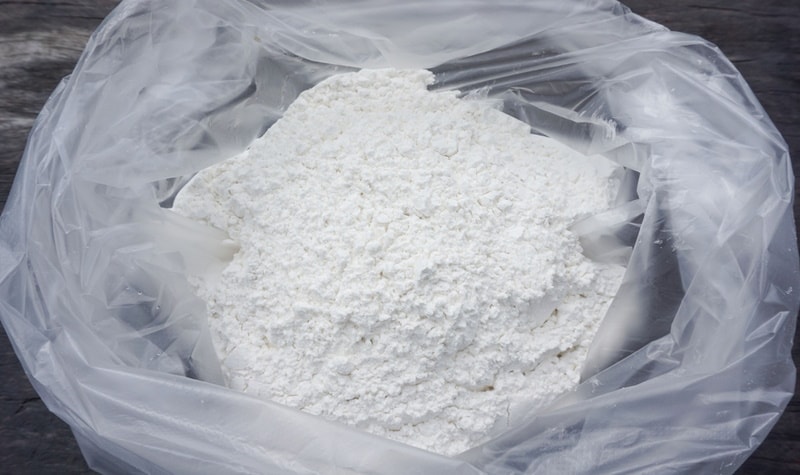
Lime is made from ground limestone, a soft rock with a high calcium content. It’s a very versatile material, used in everything from metalworking to construction. However, lime’s primary function is fertilizing the soil, for maintaining lawns and gardens. It is added to the soil to decrease its acidity, enabling the plants to get the nutrients they require.
Hydrated lime has historically been used for pest control, but there is limited evidence of its actual efficacy for this purpose. In short, lime may repel fleas, though this has not been proven, and using it around pets carries some risks. Let’s take a closer look!

Can Lime Be Used to Kill Fleas? Is It Safe?
In a study conducted in 1992, hydrated lime did not appear to be a practical substitute for commercial pesticides1. It inadvertently led to plant defoliation and did not have a significant effect on sap-suckling insects (aphids).
Some vegetable growers and the popular press commonly offer testimony of the effectiveness of hydrated lime as an insect repellent, but evidence to support this claim seems to be lacking in scientific literature2. Either way, if you decide to try it out, make sure you use it only outside on your lawn and never on your pets or inside your home.
Lime is still commonly used by vegetable farmers to repel a range of insects, including aphids and beetles, despite a lack of scientific evidence. It may also repel fleas, but information on this is unavailable. One theory on how hydrated lime can reduce fleas or other insects on lawns is that it creates an inhospitable environment and dries out the eggs and larvae in the soil. However, we recommend that you speak to your vet about the product’s safety for your pet before using it on your lawn, if your main goal is to get rid of fleas.
Lime can have many unpleasant health effects for people and animals alike, as it is an irritating substance. Severe damage can be caused by wet hydrated lime, which can lead to chemical burns to the mouth, throat, stomach, and digestive tract if ingested. Caustic burns can cause significant damage to pets’ skin and paws — in some cases third-degree burns. If you have pets or children that play in your yard, stay away from hydrated lime.

The 2 Types of Lime
There are several types of lime out there, and each type is slightly different in terms of safety and effectiveness.
1. Caustic Lime
Caustic lime, also known as quick lime, may cause skin irritation to both people and pets, making it an unfavorable option for pet owners.
Hydrated lime is a particular version of quick lime with water added. Hydrated lime comes with a higher risk of chemical burns and needs to be applied more often than powdered and pelletized limes. Both hydrated and quick limes pose a greater risk of irritation and can also be messy and difficult to use.
Hydrated lime is commonly recommended as a product that kills fleas, but there is no available data on how effective it actually is or whether it should be used for this purpose. However, it can cause serious side effects for you and your pets.
2. Non-Caustic Lime
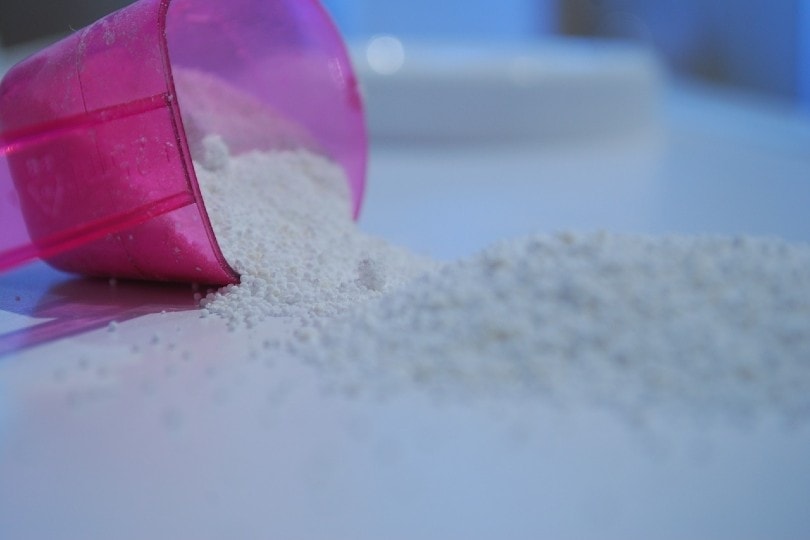
Powdered non-caustic limes are used for commercial applications such as farming or for maintaining large areas of grass.
This lime is made from calcium or dolomite, depending on where you get it from. It is safer to use but is not fully without risk for you and your pets. This lime can still be dusty and irritating to the eyes, lungs and skin. It should be completely worked into the soil before you let your dog have contact with the treated area.
Top 4 Potential Dangers of Lime
Sadly, the types of lime that supposedly work best to kill fleas also have the highest risk for complications.
1. Burns
Wet, hydrated lime can cause chemical burns. It might kill fleas and other bugs; however, it’s often unsafe to use around most canines. You probably don’t want to use it in your yard or home, especially if you have pets or small children.
When hydrated lime touches your skin, it starts a chemical reaction that leads to burns. It will do the same thing to your dog. However, dogs have fur, which gives them some extra protection. Typically, a dog’s paws and nose are at the highest risk for burns as they are less protected by fur and more likely to come into contact with lime left in the yard. Their mouth is also at risk as they are curious and will often lick or try to eat various non-foods.
2. Eye Irritation
Eye irritation can occur with any type of lime—not just hydrated lime. You’ll want to use protective eye gear when applying it. However, it can also be irritating to our pets, and protecting their eyes isn’t so simple. Therefore, you should ensure that the lime is completely worked into the soil before letting your pets or children into the area.
If lime does get in your pet’s eyes, you should contact your vet right away. Hydrated lime can cause chemical burns to your pet’s eyes, potentially leading to blindness. Other types of lime can also cause long-lasting damage due to their irritant nature.

3. Respiratory
Lime is an irritating substance, so it can have negative effects if inhaled. Powdered lime is often the easiest form to use, but it can easily be inhaled during or after application. It can severely damage the throat and lungs but also the esophagus if any is swallowed.
Both dogs and cats tend to get into things they shouldn’t, leading to them inhaling this substance. Having excessive amounts of lime laying around isn’t recommended.
If your pet does inhale lime, we highly recommend calling your vet right away. Immediately after exposure, make sure your pet is in a space with plenty of fresh air and await instructions from your vet.
4. Ingesting Lime & Hypercalcemia
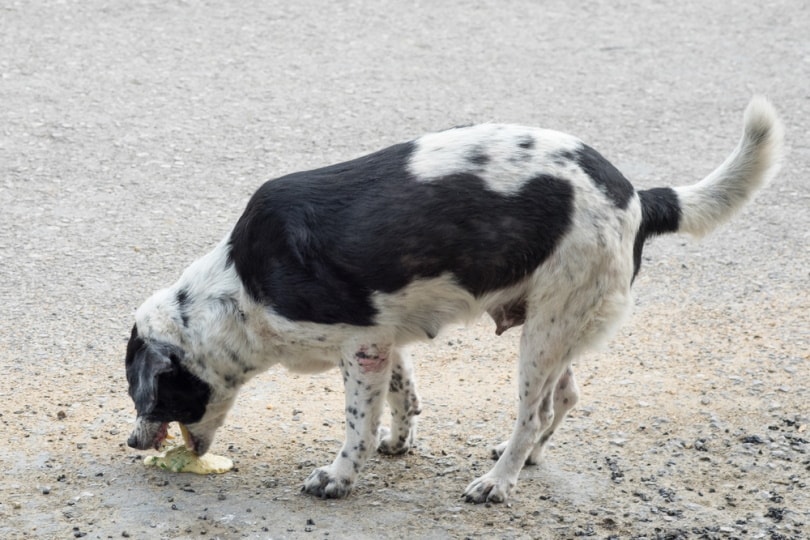
If your pet actually swallows lime, alongside serious irritation and burns to their mouth and throat, this could lead to hypercalcemia as it contains calcium. This condition is characterized by too much calcium in your dog’s blood. Side effects include constipation, nausea, lethargy, vomiting, muscle twitching, weakness, and sometimes even seizures.
Therefore, it’s important to contact the vet and seek treatment before your pet’s condition worsens. Don’t try to make your pet vomit the lime, as this should only be done by a professional. It can cause chemical burns to your pet’s throat and mouth, as well as potentially irritate their airways.
How to Get Lime Off Your Pet
If your pets come into contact with lime, it’s important to remove it as quickly as possible. Lime can lead to chemical burns if left on the skin.
Water can increase the alkalinity of lime and make it more “active,” so don’t immediately try to rinse your pet off with water, especially if they’ve been exposed to hydrated lime. To remove lime dust, use a dry cloth or towel to dust off as much of the lime as possible. Carefully check paw pads for traces of the substance and gently wipe in between each pad. Don’t use your hands, as it can burn you, too. It is best to take your pet somewhere away from other animals and children so they don’t get exposed, too. Brushing your pet can also help remove much of the dust, especially with a fine-toothed comb. Contact your vet immediately so your pet can get checked out as soon as possible.
How to Apply Lime Safely
Despite all these potentially negative effects, many people still utilize lime in their yards in an attempt to remove fleas. We recommend hiring a professional, as lime requires very careful application. Hydrated lime should be avoided unless you’re a professional, as it carries the highest risk.
You should wear protective gear when applying lime, even if it isn’t hydrated. Wear closed-toe shoes. You’ll also want to wear eye gear. Don’t inhale the dust, and wear a mask if at all possible. Use more protection than you think you need to. Make sure your pets are well out of the way.

Final Thoughts
Lime is very alkaline and is often used for pest control and as a soil fertilizer. However, it can be dangerous for humans and pets, as it can cause burns and irritation. For these reasons, we don’t typically recommend using it for homes with pets and children.
The most effective forms of lime are also those with the highest likelihood of side effects. Therefore, working with a professional is often the best option. You don’t want to mess with this stuff without professional training, as it can cause chemical burns.
If your pet comes in contact with lime or consumes any, you should speak to your vet immediately. This stuff can cause severe chemical burns and a range of side effects, but early treatment can help reduce potential complications.
Sources
Featured Image Credit: FotoHelin, Shutterstock
Get Hepper In Your Inbox


Pet care tips from our vets and experts, straight to your inbox.
You may opt-out at any time. View our Privacy Policy for more information.
Kristin is passionate about helping pet parents create a fulfilling life with their pets by informing them on the latest scientific research and helping them choose the best products for their pets. She currently resides in Tennessee with four dogs, three cats, two fish, and a lizard, though she has dreams of owning chickens one-day!
Join the conversation
Ask a question, share your story, or send private feedback.