Hepper is reader-supported. When you buy via links on our site, we may earn an affiliate commission at no cost to you. Learn more.
Does Cold Weather Kill Fleas? Vet Reviewed Facts & FAQ


In this article
Fleas may be small but they can cause a lot of problems for our pets and sometimes for us humans. There is a $2.57 billion global market for flea, tick, and heartworm products and people understand they should use these preventives to keep their companion animals healthy1. However, many don’t use them year-round, thinking that the cold will stave off the parasites.
Evolution has helped ensure their survival. Do fleas die in the winter? Does the cold kill them? Unfortunately, the answer is no, the cold weather doesn't kill fleas, with some caveats.

The Best Conditions for Fleas
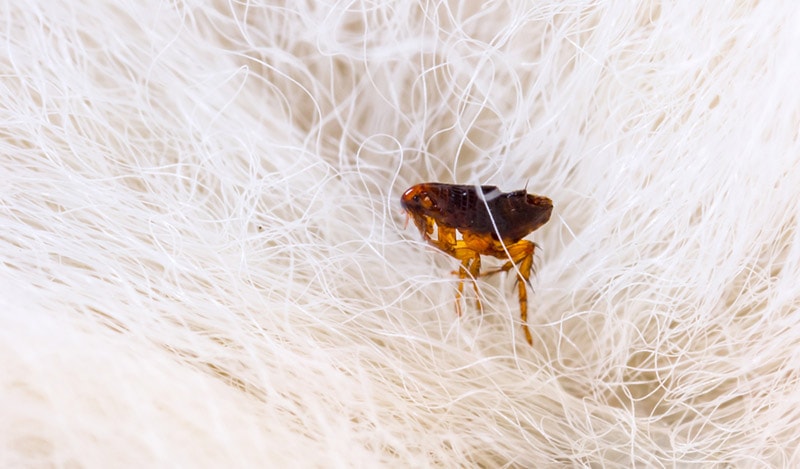
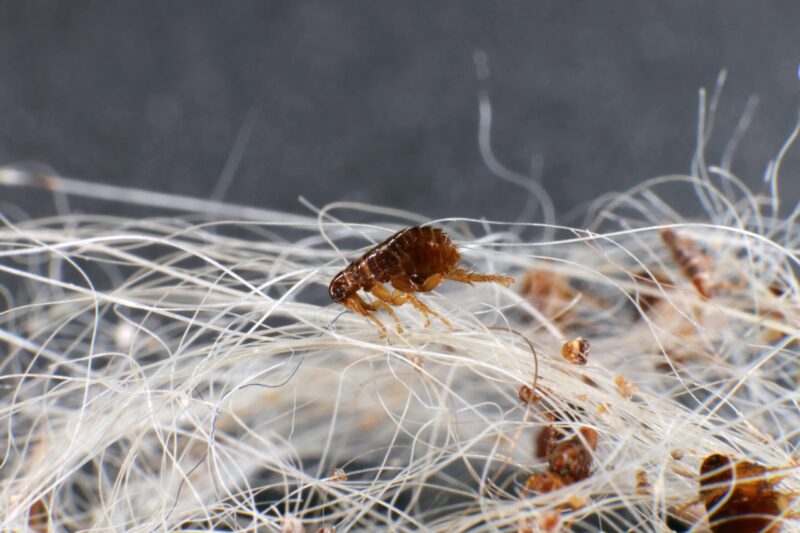
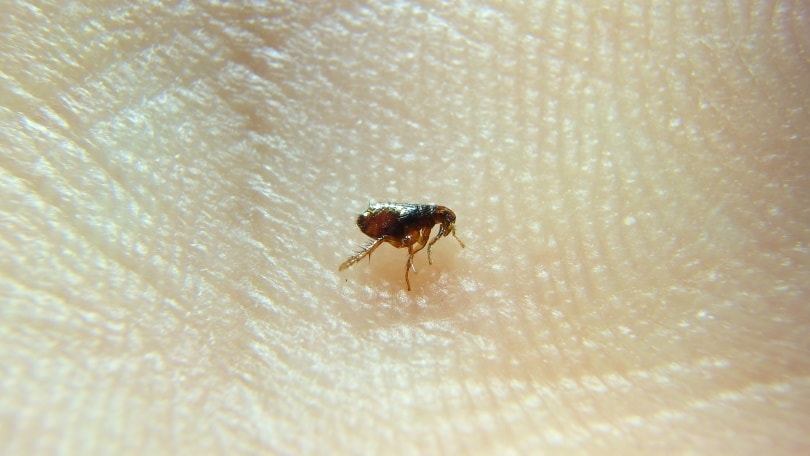
Over 2,200 flea species exist. Luckily, we only have to contend with a few. That does not make them any less irritating and potentially harmful for our pets. The one most likely to cause problems for dogs and cats is Ctenocephalides felis, also known as the cat flea. Despite its name, it affects canines and felines. It can also act as a vector for tapeworms and other parasites and diseases. It can even carry the plague. In general, fleas thrive in humid conditions when the temperatures hover around 75℉. The flea has four life stages- egg, larva, pupa, and adult. Around this temperature, fleas can complete their life cycle in just a few weeks. In colder weather, it can take several months.
The Question of Cold Weather
Cold is one thing. Freezing is another. None of these four flea life stages can survive outside in freezing temperatures for very long.
Unfortunately, this doesn’t mean you don’t need to worry about protecting your pet from fleas in cold winter weather. Adult fleas can live up to 10 days in temperatures of 37.4℉ and a female flea can start laying eggs within 24-36 hours of biting your pet. Fleas lay an average of 20 eggs per day which fall off your pet and into your home. Flea larvae then form a cocoon and grow within it as pupae. The cold can slow down a flea’s life cycle, but depending on the temperature, it’s unlikely to kill them meaning they can still hatch.
Why Fleas Survive
Any pet owner who has had to deal with fleas knows one particularly vexing thing about these pests. It’s not enough to treat your dog or cat. Adult fleas can make up just 5 percent of a flea infestation, with the other 95 percent invisible to the naked eye and within your home. So you must also take care of your home. That means sprays, bombs, powders, or whatever else is in your arsenal to get the job done.
We’re guessing that you keep your home warmer than 50℉. You might even run a humidifier to make things cozy for the fleas. People may assume since fleas—and ticks—return every year that they are somehow managing to survive in cold weather. Yes, they’re doing just fine, and inside your home at that! They’re also thriving in protected areas outside where the temps are warmer, like your garage or shed.
Controlling Fleas in the Winter
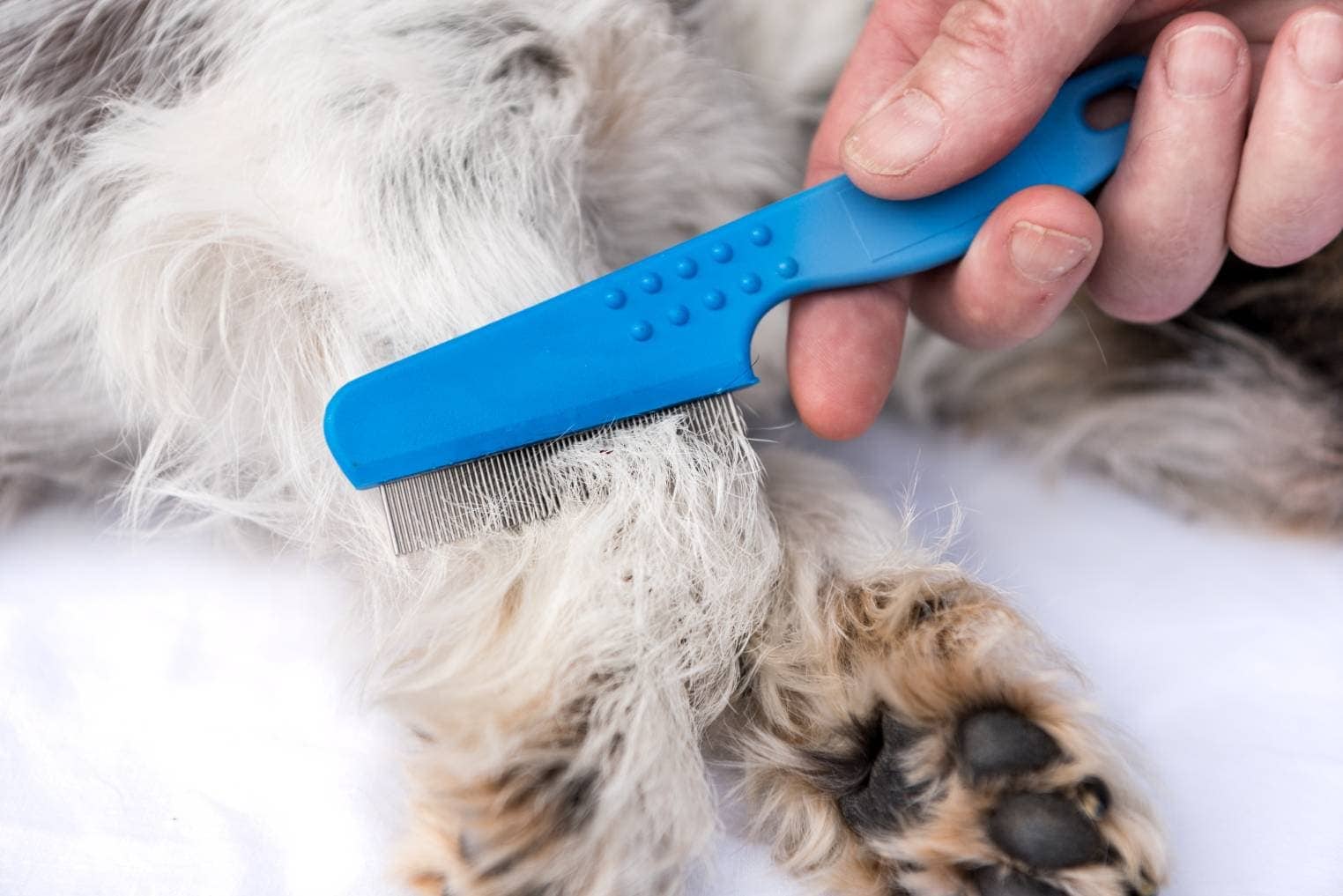
It’s always easier to prevent a flea infestation than treat one so the simple solution to kill fleas during cold weather is to keep up with veterinary-approved flea prevention. It doesn’t matter if you’re using a monthly topical treatment or chewables, ask your vet for advice on the best preventative treatment for your pet. You should also deal with outside areas in the places we mentioned. Remember that life on a warm body, whether it’s your dog or a coyote living in the woods, is a great place to spend the winter if you’re a flea.
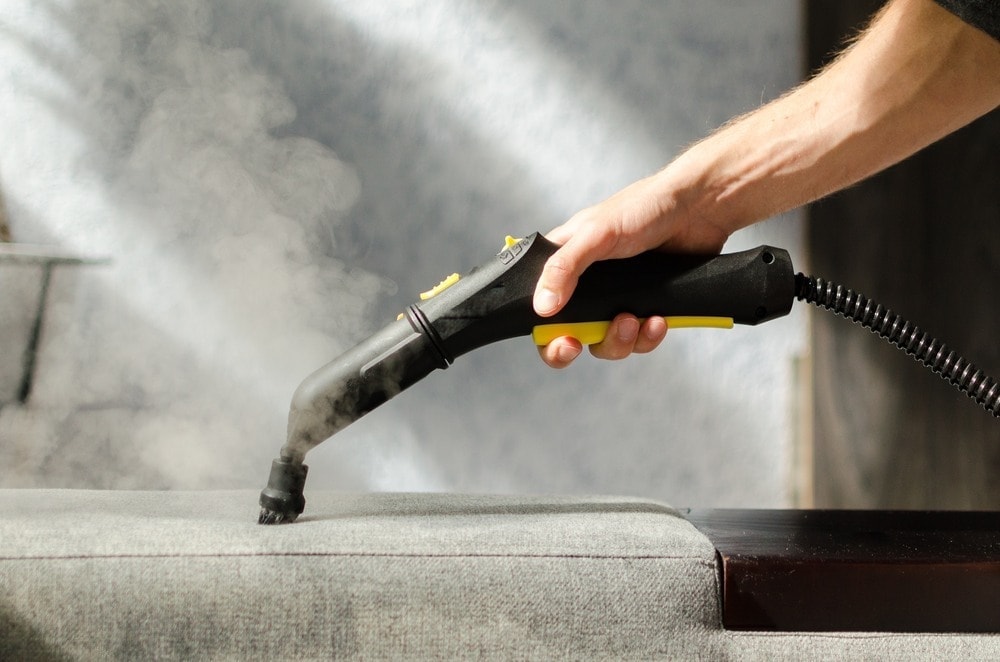
You should also vacuum your carpet and furniture regularly to get rid of as many eggs and larvae as possible, remember places like under furniture where larvae like to be. It’s also an excellent time to wash your pet’s bed or the bedding, including the duvet or comforter, and remember your car too if that is somewhere your pet spends time.
The Cost of Ignoring Winter Flea Prevention
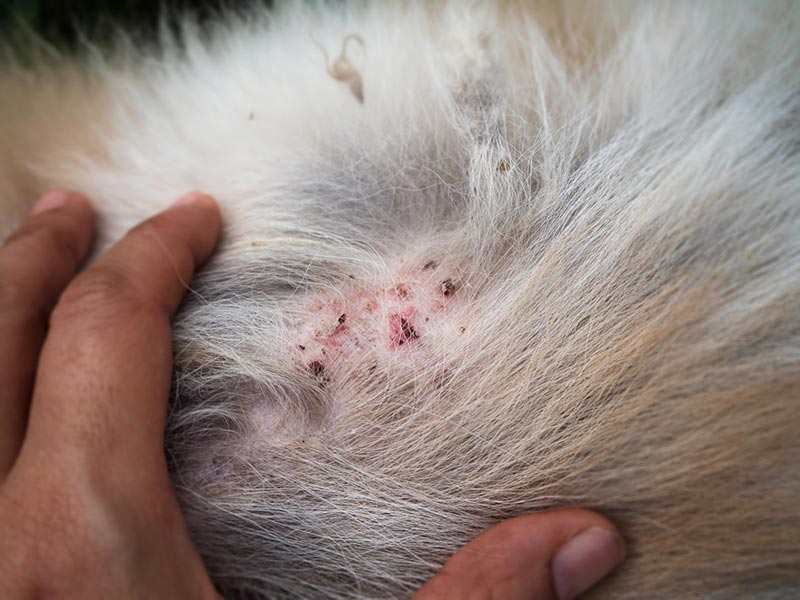
A pet with fleas is miserable. The itchiness makes it uncomfortable. It also sets the stage for secondary bacterial infections if your dog or cat breaks it when scratching. We mentioned the other hangers-on that fleas can bring to the party. Some of them, like tapeworms, are zoonotic. That means you or a family member can contract them, too.
Suffice it to say that winter flea prevention is worth the effort.
Final Thoughts
Fleas are a scourge for many animals, including humans. They are disease-carrying parasites that can make your pet’s life miserable. Sadly, winter isn’t necessarily a death knell for them. They can survive in milder climates or in your home where temperatures are to their liking. That’s why they come back year after year. Cold weather might make it tough for them to survive, but it’s not impossible.
Featured Image Credit: ZaitsevMaksym, Shutterstock
Get Hepper In Your Inbox


Pet care tips from our vets and experts, straight to your inbox.
You may opt-out at any time. View our Privacy Policy for more information.
Chris is an experienced pet writer specializing in science topics, with a particular passion for health and the environment. She has been a writer for over 15 years and lives with her husband and three cats in Michigan.
Beyond writing about cats and dogs, Chris loves to learn about wine. She has WSET 1 and 2 certifications and is currently pursuing her Certified Wine Specialist Award (CSW).
Join the conversation
Ask a question, share your story, or send private feedback.