Hepper is reader-supported. When you buy via links on our site, we may earn an affiliate commission at no cost to you. Learn more.
12 Dog Breeds Prone to Skin Problems (Vet-Approved Info)


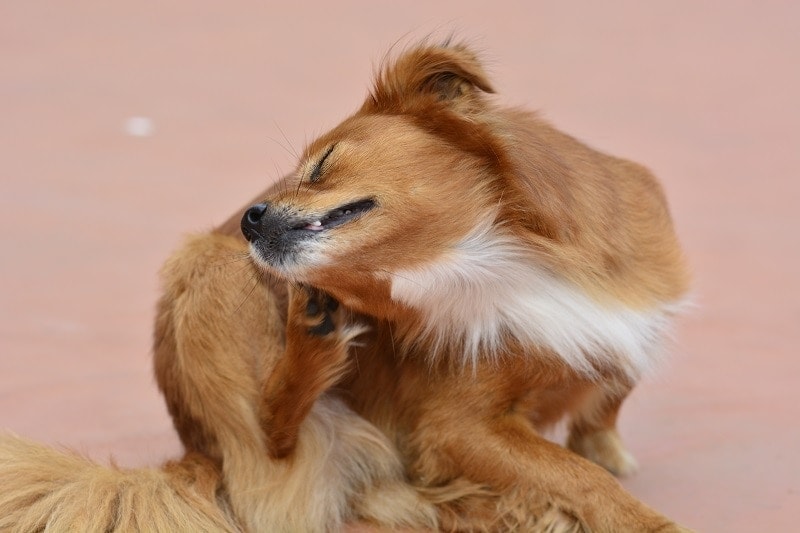
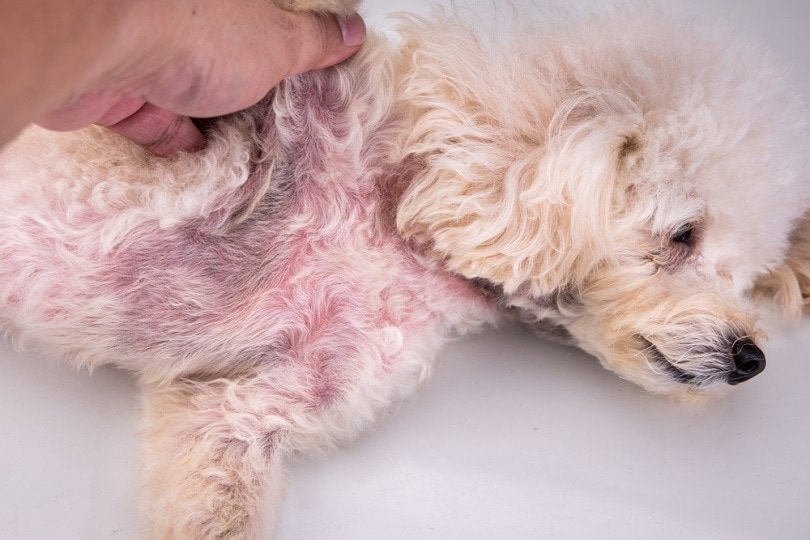
Skin problems can be a real nuisance, and dogs are not exempt from developing them. Some dog breeds are more prone to skin problems than others due to genetics, and if you have a dog breed prone to skin problems, you’ll need to know what to do and how to take care of the problem should it arise.
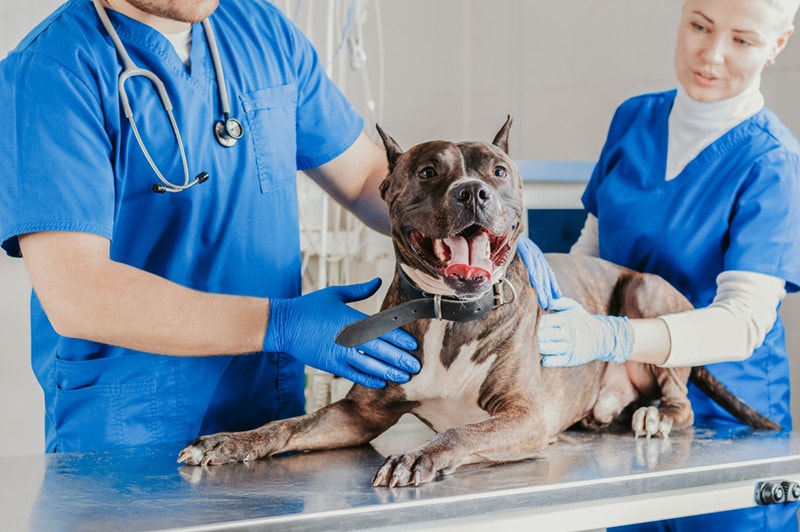
It’s important to take your dog to the vet to determine what type of skin problem is occurring for an assessment and proper treatment. Read on to learn what dog breeds are prone to skin problems and what you can do to help alleviate their discomfort.

The 12 Dog Breeds Prone to Skin Problems
1. Standard Poodles
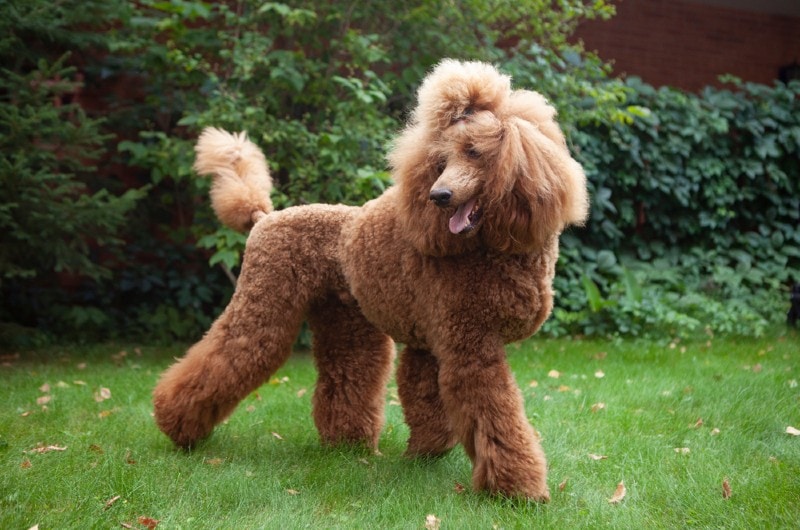
Poodles are known for their curly, low-allergen coat, intelligence, and friendly temperament; they are also known for developing a genetic skin condition called sebaceous adenitis. Signs of this rare skin disease are scaling along the head, trunk, and ears, alopecia, which causes a circular pattern of hair loss or hair loss spread out along the hairline, and a secondary bacterial infection.
2. Cocker Spaniels
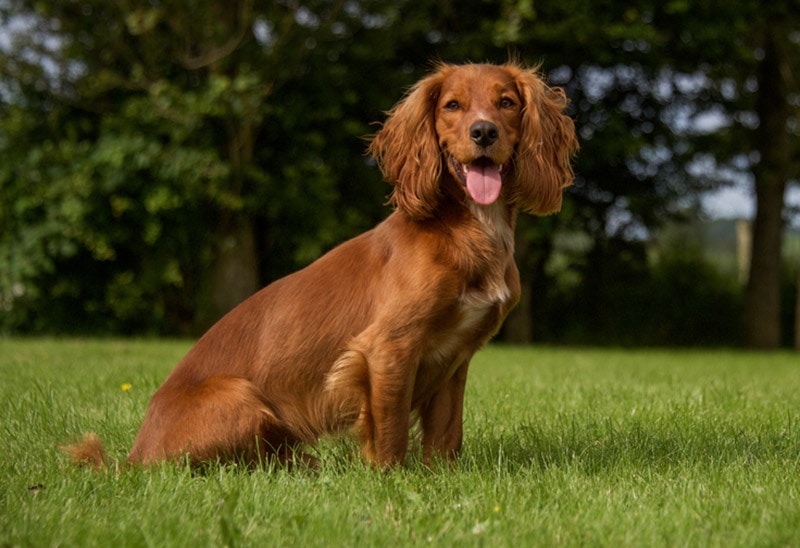
Cocker Spaniels are affectionate and loveable. These gentle dogs are happy and intelligent, but they are prone to various skin infections. Two types of skin problems may become present in your spaniel: Malassezia dermatitis and seborrhea. Malassezia dermatitis is usually caused by yeast and can cause itchiness, redness at the affected site, scaly, crusty, or flakey skin, a musty odor, thickening of the skin, and chronic ear infections. Seborrhea causes flakey, itchy, and redness of the skin and usually affects the face, back, and sides of the body but is worse in the folds of the skin.
3. Chinese Shar-Pei

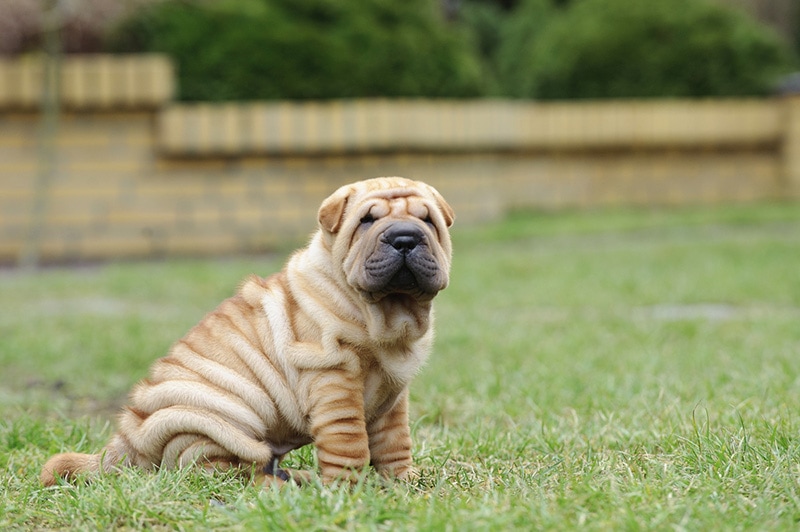
The Chinese Shar-Pei is known for their loyalty to their human families and adorable wrinkly skin; however, their wrinkly skin can cause skin problems. Shar-Peis have skin folds, and when the skin folds into itself, it pokes the skin, which in turn, causes skin irritation. Bathing the Chinese Shar-Pei with a medicated shampoo helps with the condition.
4. Doberman Pinscher
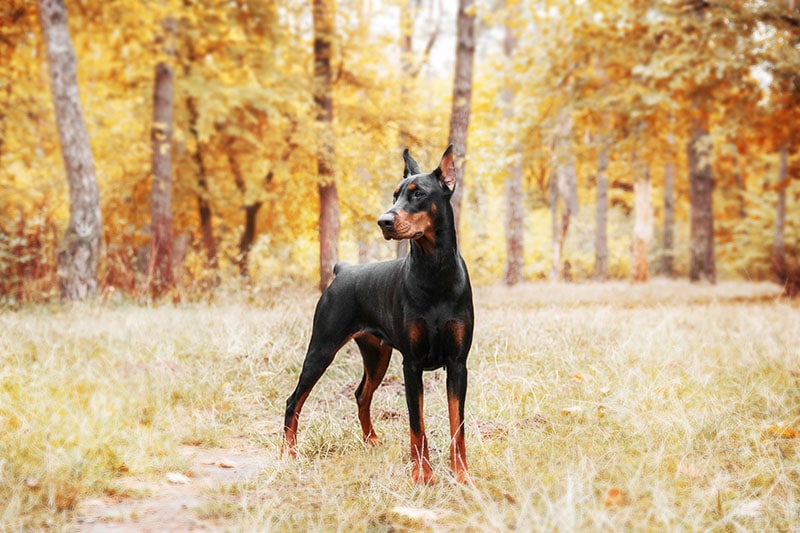
Dobies are intelligent dogs that are always on alert. They make excellent guard dogs and have a sleek and muscular body. Dobies make loyal companions, but they are prone to hypothyroidism,4 a condition that causes low thyroid function. Dogs with this condition can develop a sparse or thinning coat. Alopecia can develop along the sides or flanks of the dog, which causes dry and flakey skin. Secondary skin infections can also develop.
5. American Bulldog
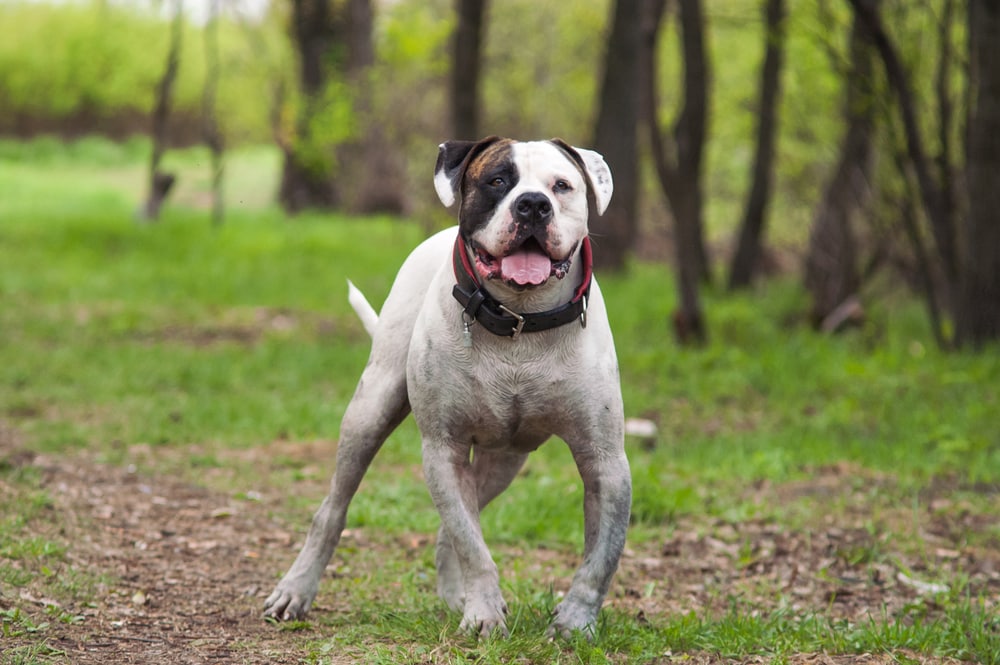
The American Bulldog is athletic and originally bred for working on farms. These dogs are energetic and have short, low-shedding white coats, but they are no strangers to skin problems. This breed is prone to ichthyosis, a rare skin disease caused by a genetic mutation in which the skin becomes flakey and itchy. The disease causes the outer layer of skin from properly forming. As a result, these dogs need frequent bathing and, in severe cases, to be bathed and oiled daily.
They are also prone to skin allergies from their food and environment, which causes fur loss, excessive licking, red skin, and recurring skin infections.
6. English Bulldog
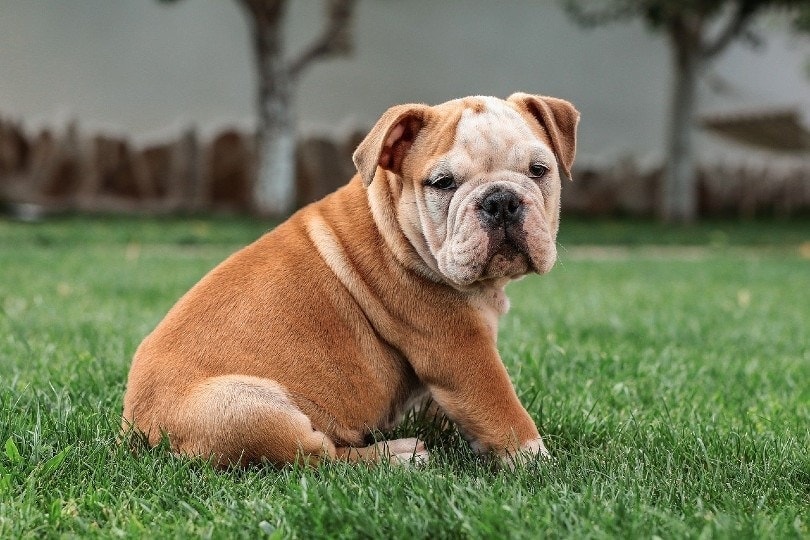
The English Bulldog is another breed with adorable wrinkly skin, but that wrinkly skin isn’t so adorable when skin problems develop. This breed has many skin folds, which is a haven for moisture buildup that causes yeast and bacterial infections. English Bulldogs younger than 4 years old are at a higher risk for skin tumors called histiocytoma. These tumors may be unsightly but are usually benign and cause no problems for the doggie.
7. American Pit Bull Terrier
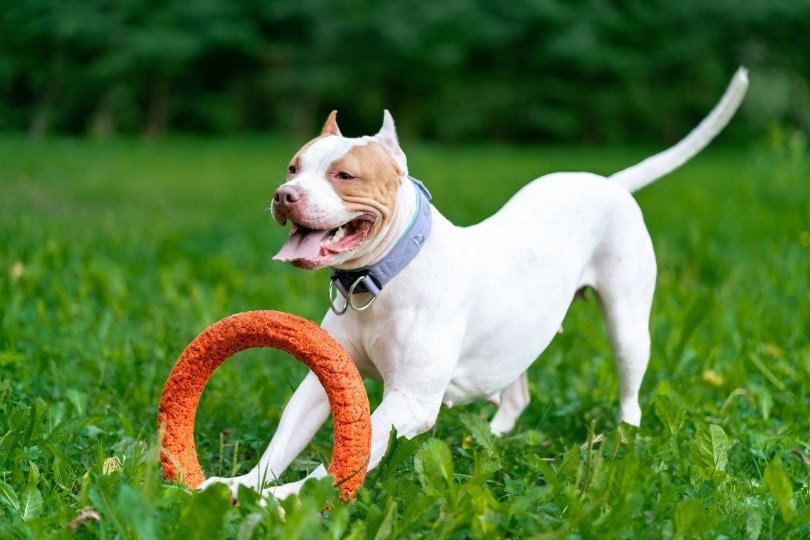
The American Pit Bull Terrier is prone to having a weak immune system, and as a result, they can develop a skin condition called Demodex. Demodex are tiny mites that live in the skin that may not cause any problems, but some doggies will itch and develop secondary infections as a result.
This dog breed can also develop zinc-responsive dermatosis that is caused by either too little zinc in the diet, or the body isn’t absorbing the zinc properly. This condition can cause crusting, scaling, redness, or a loss of hair, typically around the mouth, eyes, chin, ears, foot pad, and nose.
8. Labrador Retrievers
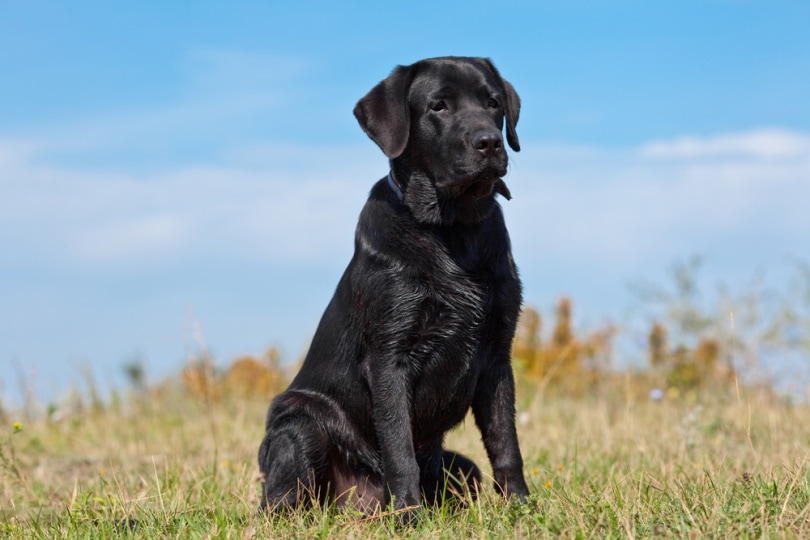
Labs are one of the most popular dog breeds to own. They are smart, loyal, friendly, and outgoing. These affectionate dogs are also not immune to skin problems, as they often develop genetic skin allergies. Atopic dermatitis is common in this breed that causes itchiness. This condition is typically caused by the environment and can start when the dog inhales dust, mold, pollen, or fungi. A Labrador Retriever may also suffer from a food allergy that can cause itchiness.
9. Boxers
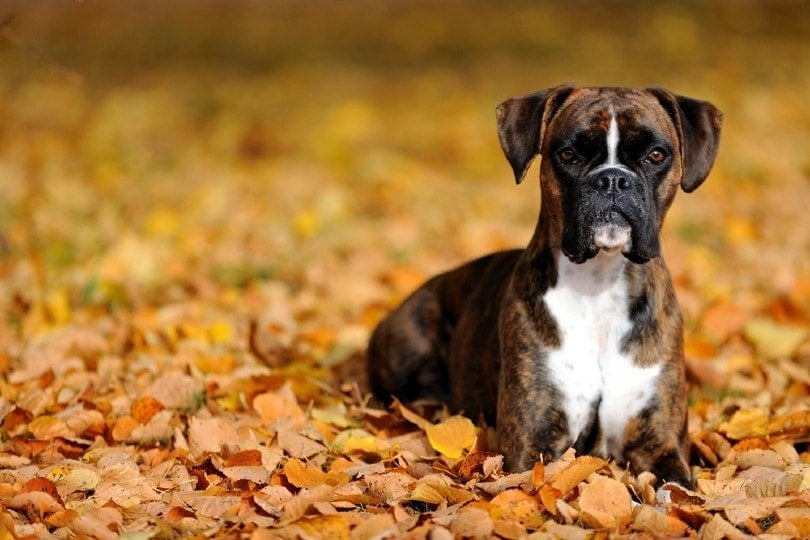
Given their affectionate and easygoing temperaments, Boxers make excellent family companions. Unfortunately, they are also susceptible to multiple skin problems. Like Cocker Spaniels, Boxers can develop Malassezia dermatitis caused by yeast, which can affect both the ears and the skin. You’ll notice a brown, waxy discharge from the ears, along with redness and itchiness. As for the skin, you’ll notice hairless, greasy spots along the neck and throat, accompanied by an odor. Boxers are also susceptible to seborrhea.
10. Maltese

The Maltese are a friendly, charming, and outgoing little dog with a long white and straight single coat. However, underneath the white coat is lightly-pigmented skin, which makes them susceptible to skin problems due to little to no protection against the sun’s rays. Sebaceous adenitis is a rare skin condition seen in the Maltese that causes antibodies to attack the skin glands. Signs are darker pigmentation, a musty smell, flaking and scaling of the skin, itchiness, thinning hair, sores, and secondary infections. These little ones are also prone to mites, mange, and skin yeast infections.
11. Bichon Frise
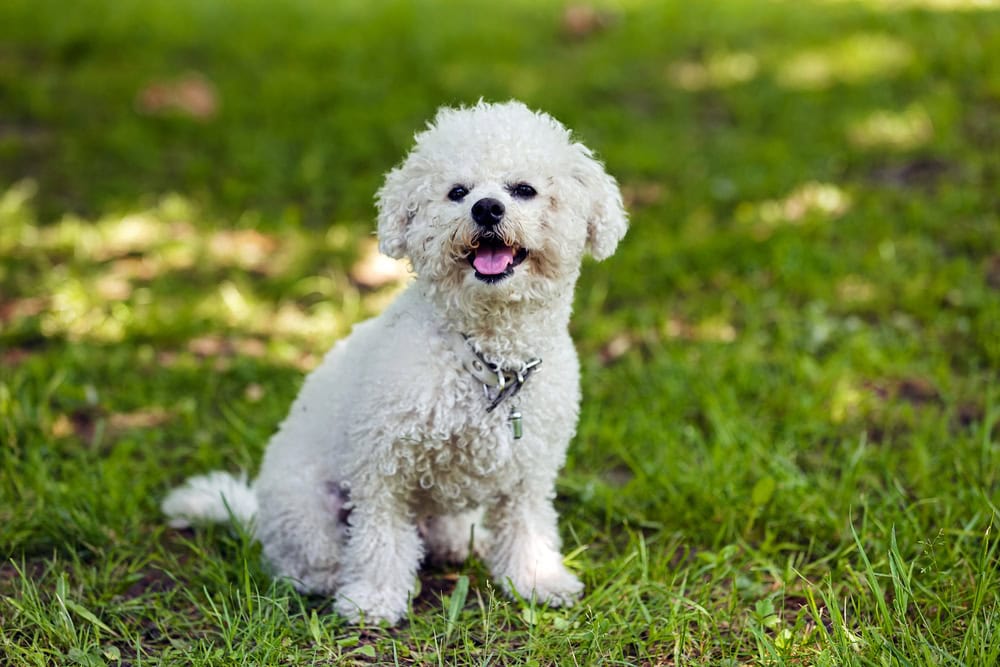
The Bichon Frise is similar to the Maltese when it comes to temperament and sporting a white coat with pink skin underneath. These dogs are prone to skin allergies and developing hot spots. Skin allergies can stem from flea bites, food, or airborne pollutants like mold, dust, and pollen. Secondary skin infections are common in this breed that causes hair loss, itchiness, redness, flakey skin, and foul odors.
12. Pugs

Pugs are another breed with wrinkly skin that causes skin folds, which ultimately leads to bacterial and yeast infections. Pugs are little charmers and make adorable companions for any family but be prepared to care for their skin. Lip-fold pyoderma is common in these dogs in which the skin folds along the jaw are typically moist, causing the perfect breeding grounds for yeast and bacteria. They are also susceptible to mange and airborne allergens.
Conclusion
In order to successfully treat canine skin problems, an examination by your vet is necessary. Different skin conditions require different treatments, and your vet can prescribe any needed medications to manage the condition or make the condition subside. Some skin problems are incurable but manageable, and some skin conditions require baths with specific medicated shampoos.
If you own any of the dog breeds mentioned above, look out for all possible signs of a skin problem, such as redness, itchiness, flakey or scaling skin, bald spots, musty odors, and discharge from the ears. Skin issues can be very uncomfortable for your pooch, and taking your dog to the vet for treatment is of utmost importance.
Sources
https://www.petmd.com/dog/slideshows/8-breeds-prone-skin-infections
https://www.petmd.com/dog/conditions/skin/c_dg_sebaceous_adenitis
https://www.rauanimalhospital.com/services/dogs/breeds/cocker-spaniel
https://vcahospitals.com/know-your-pet/yeast-dermatitis-in-dogs
https://vcahospitals.com/know-your-pet/hypothyroidism-in-dogs
https://www.rauanimalhospital.com/services/dogs/breeds/boxer
Featured Image Credit: TamaraLSanchez, Shutterstock
Get Hepper In Your Inbox


Pet care tips from our vets and experts, straight to your inbox.
You may opt-out at any time. View our Privacy Policy for more information.
Rachel Giordano is a writer and musician out of Pensacola, Florida, living there with her partner and their two dogs, Aero, a Border Collie/Sheltie mix, and Sophie, a Boston Terrier. Rachel has a Bachelor of Arts degree in communication and enjoys writing about all types of animals. When Rachel’s not dedicating her time to writing about animals, she enjoys writing thriller/suspense novels. A writer by day and a musician by night, she's passionate about educating the public about the requirements and needs of all types of animals.
Join the conversation
Ask a question, share your story, or send private feedback.