Hepper is reader-supported. When you buy via links on our site, we may earn an affiliate commission at no cost to you. Learn more.
Why Is My Dog Losing Hair on Their Belly? 12 Vet-Verified Reasons


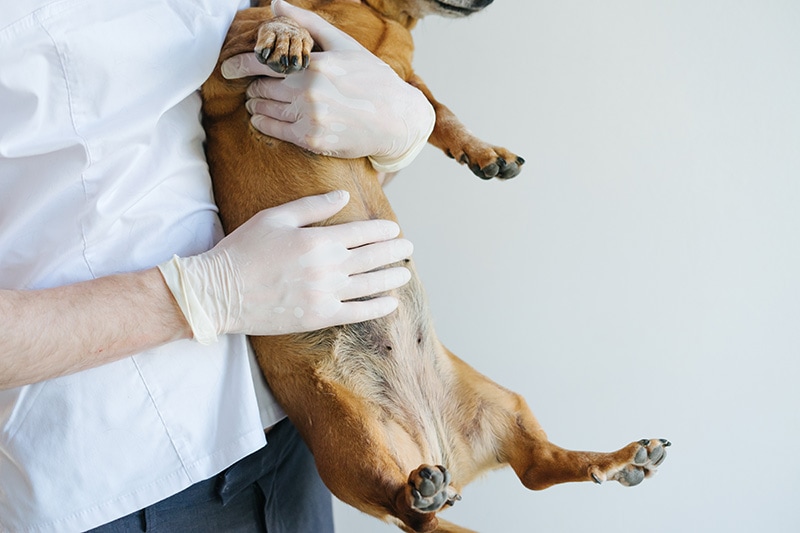
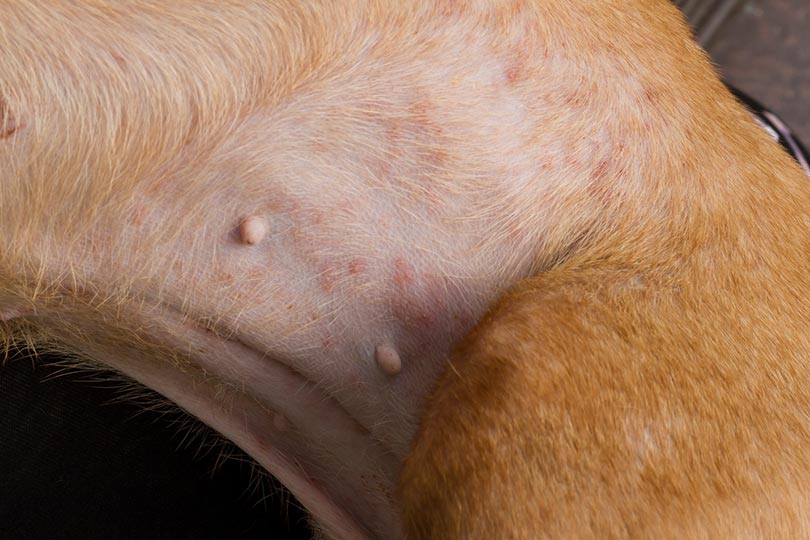
As a pet owner, you know the struggle of keeping your furry friend looking and feeling healthy. But what do you do when they start losing their fur? Normal seasonal shedding generally does not cause hair loss. On the other hand, if your pup has one or more bald patches, this can be a sign of an underlying health issue, such as allergies, skin parasites, infections, endocrine disease, or something else. If your pup has bald spots or is scratching excessively, they should get checked out by a vet as soon as possible.
Have you ever wondered why some dogs have bald patches on their belly? We will go through some of the most common causes of alopecia or hair loss in dogs. However, this article is not a replacement for veterinary advice and clinical examination, and you should contact your vet in case of any skin issues affecting your pooch. So, let's dive into the world of dog hair loss and learn how to keep your four-legged buddy looking and feeling great!

The 10 Reasons Why a Dog Can Lose Hair on Their Belly
1. Seasonal Shedding and Seasonal Flank Alopecia
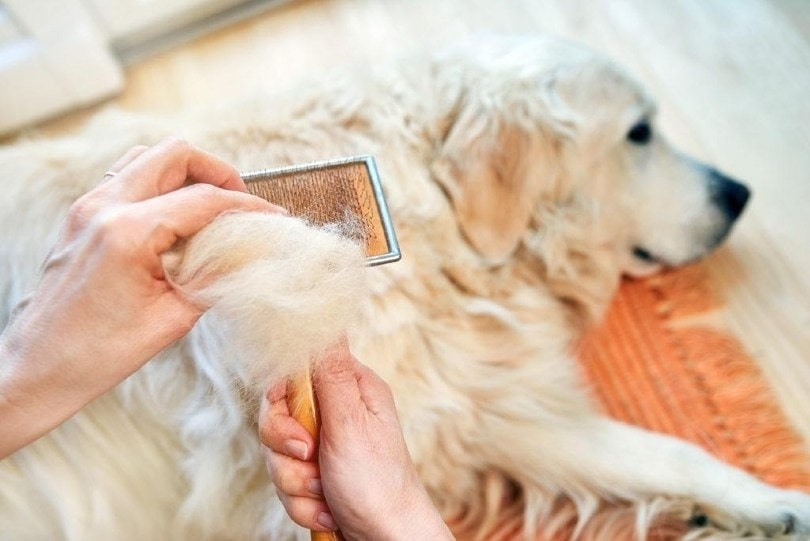
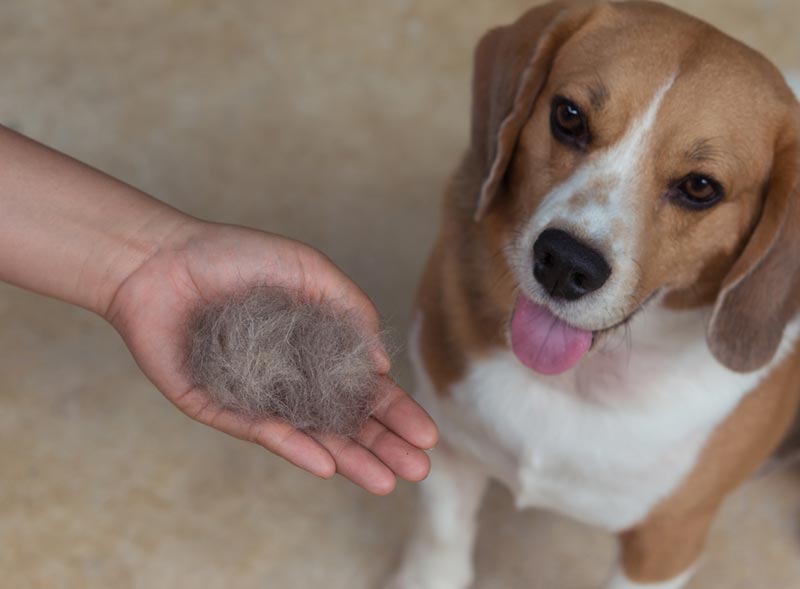
It's not uncommon for some worried dog owners to confuse seasonal shedding with hair loss. Sometimes, it's just a natural shedding process where old or damaged hair falls out, but this generally does not leave any bald spots. Instead, it’s already covered with new hair. And if you live in a moderate climate, your dog’s shedding is likely to be subtle and short lived. However, if you feel like your pup is shedding excessively, don't fret!
A good brushing routine can work wonders in removing and controlling excess hair. So, keep your pup looking sharp and healthy with extra grooming time! If you’re still worried that the amount they shed is abnormal or different from previous seasons, get them checked out by your vet, as this may also indicate an underlying skin condition.
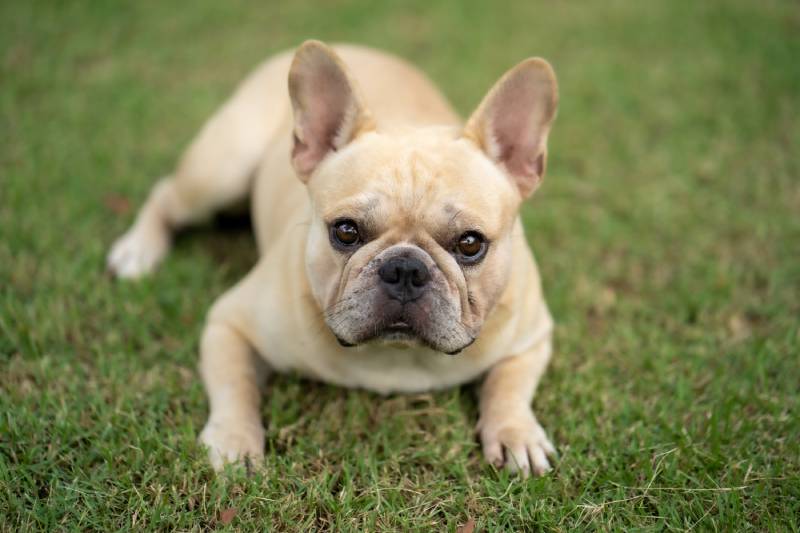
There is also a condition called seasonal flank alopecia that typically occurs during the winter months. Dogs lose patches of hair without any actual skin disease. Seasonal flank alopecia typically begins in early adulthood and often continues on a yearly basis throughout the rest of the dog’s life. The fur usually falls out in fall and grows back in spring, and the cause is suspected to do with abnormal follicle response to hormonal changes associated with change of daytime hours. There may be a breed predisposition, with Boxers, Airedale Terriers, English Bulldogs, French Bulldogs, and Schnauzers being commonly affected.
2. Ectoparasites
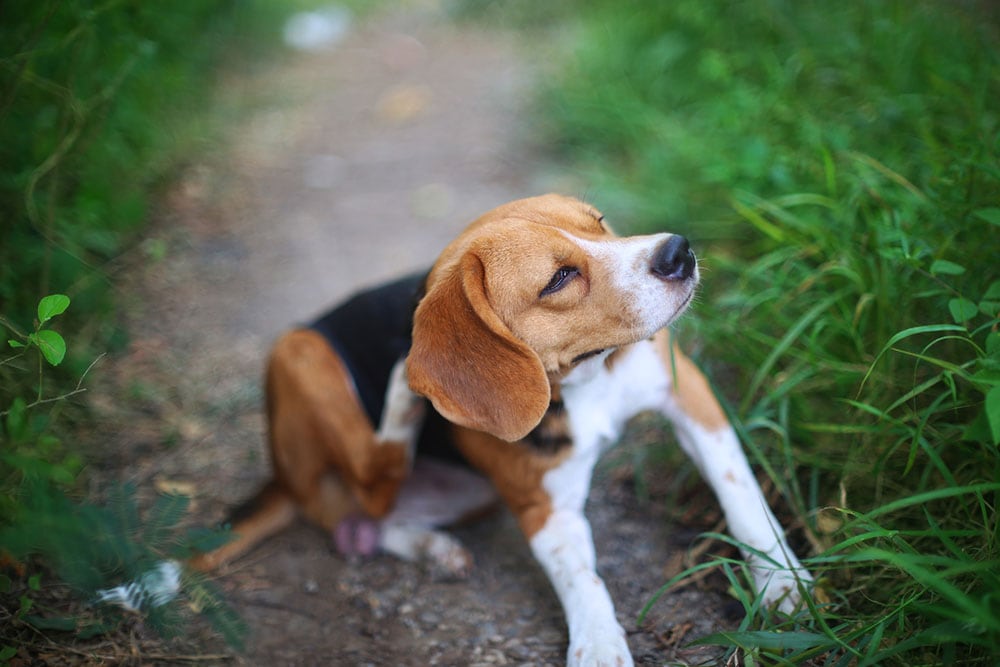
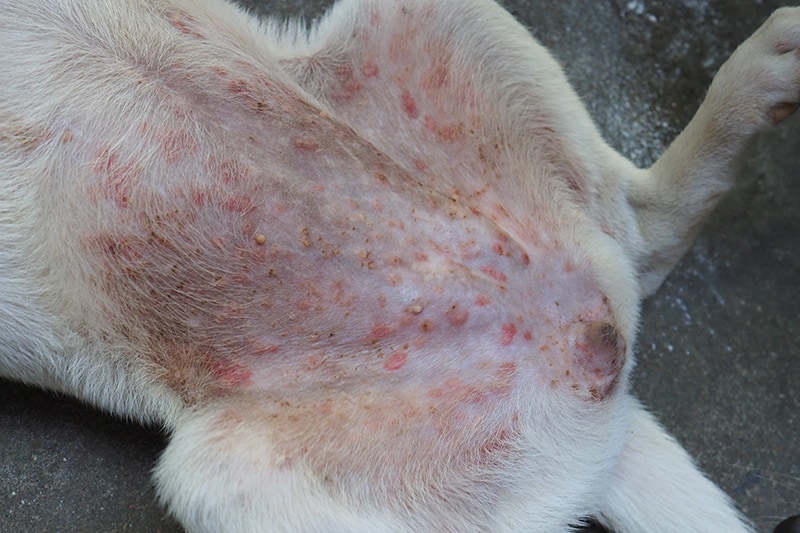
One of the most common causes why dogs may scratch and pull out hair is external parasites or ectoparasites that affect the skin and hair follicles. These include but are not limited to fleas, lice, and mange, as these are some of the most common. Fleas can be seen crawling on your pet, or there may be flea dirt (small black crumbs) that stain red when dissolved in water. This is flea poop from feeding on your dog’s blood. The tail base, groin areas, belly, armpits, and ears are some of the most commonly affected areas.
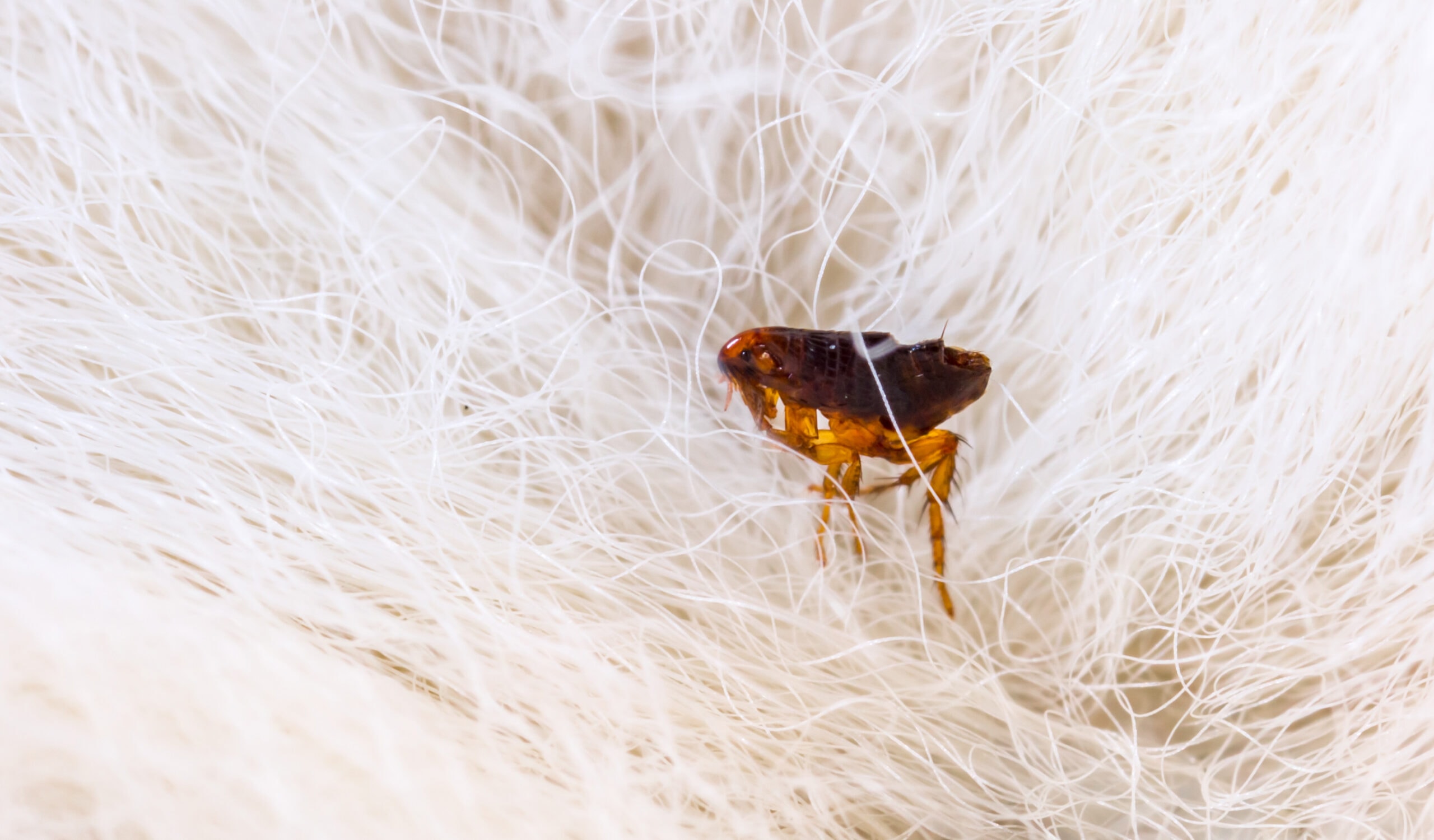
Demodex mites are little critters living on the dog’s skin usually without any issues in healthy dogs.1 However, when a dog's immune system is weakened due to stress or an autoimmune disorder, the mites can multiply and cause skin lesions and hair loss. Demodex doesn’t tend to be itchy.
Sarcoptes mites, also known as scabies, infect dogs’ skin and make them super itchy. They are most common in areas with lots of wildlife to play host to these pests. If you suspect your pup might have mange, don't panic! With proper medication, this condition is totally treatable, but be aware that we can also become infected with sarcoptic mange!
3. Infections
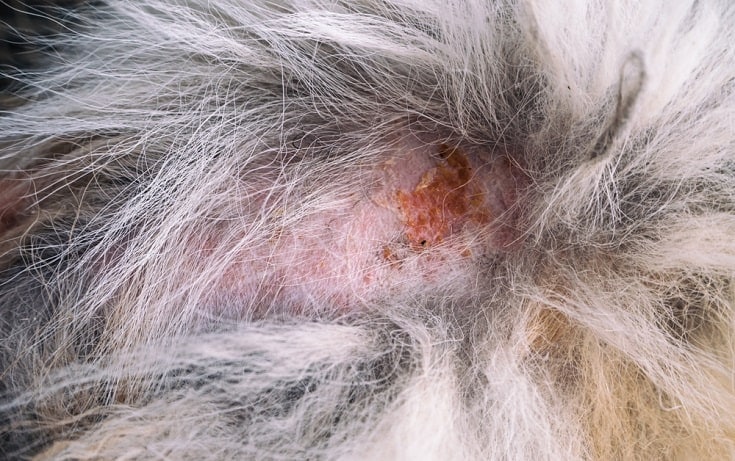
Sometimes even the healthiest pups can get a skin infection that causes them discomfort. Dogs' skin naturally carries bacteria and yeast, but when these microorganisms grow out of control, they can cause a range of signs that can make your pup feel miserable. Think redness, hair loss, pustules, and scabs. Fungal infections like ringworm can also cause your dog to lose their hair.
If you spot any of these signs, don't hesitate to take your four-legged buddy to the vet for immediate care before the condition worsens or spreads to other areas of the skin.
4. Hot Spots
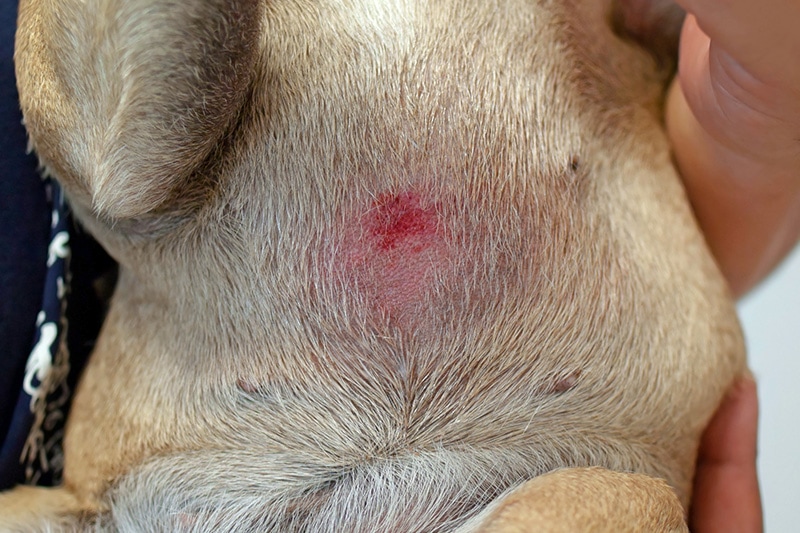
Have you noticed your dog scratching, chewing, or licking on specific areas of their skin that have come up out of nowhere? They could have developed pyotraumatic dermatitis, commonly known as hot spots.2 This is a name used to describe an area of skin inflammation and sometimes infection that can ooze and contain pus and is generally itchy and smelly.
These pesky hot spots can damage your dog's hair follicles, leading to hair loss. They are usually self-inflicted when a dog scratches excessively due to many factors, such as allergies, infections, insect bites, pain, boredom, poor grooming, or others. Further scratching and licking can exacerbate the inflammation and lead to secondary infections.
Don't wait for the hot spot to go away on its own because it won't. Your furry friend needs proper care from a vet to help them heal and get their luscious coat back.
5. Allergies
If you own a dog with allergies, you are aware of how upsetting it can be to see your pet struggle with itchy skin. Allergies are one of the most common issues among dogs. Your dog can be allergic to anything from pollen to flea saliva to dust mites or even certain proteins from their food.3 But the good news is that there are ways to help them feel better. The first step is your vet or a veterinary dermatologist figuring out exactly what's causing their allergies.
If your dog suffers from allergies, you might notice them itching, biting their skin, developing skin irritation and secondary bacterial and fungal infections, or losing hair. A certain body area or the majority of their skin may be affected. Commonly, dogs suffering with allergies will also have frequent ear infections and may lick their paws excessively. This can be due to environmental factors or food allergies.
As soon as your dog is diagnosed with allergies and started on treatment, that may also involve a food trial, and the itching will be better controlled, and any bacterial or fungal infections will be treated and their hair should gradually grow back.
If you think your dog may be suffering with allergies or they are suddenly very itchy, don't hesitate to consult with your vet for the best diagnostic and treatment options.
6. Genetic Factors
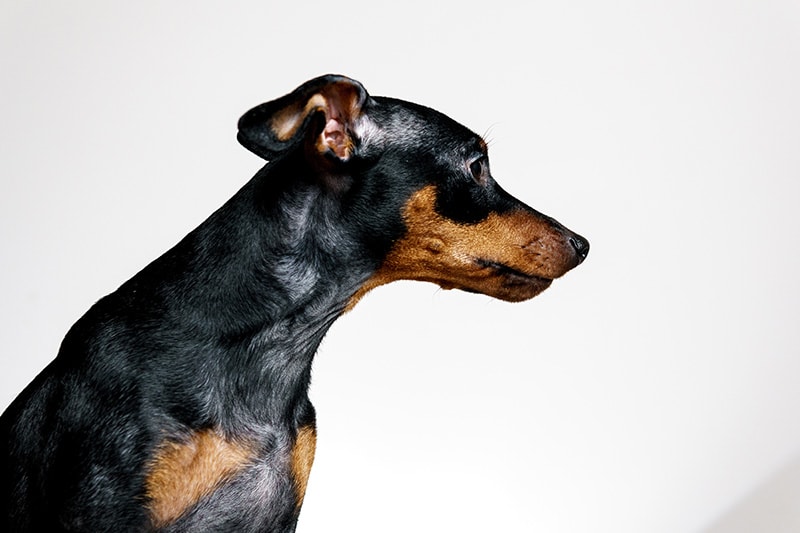
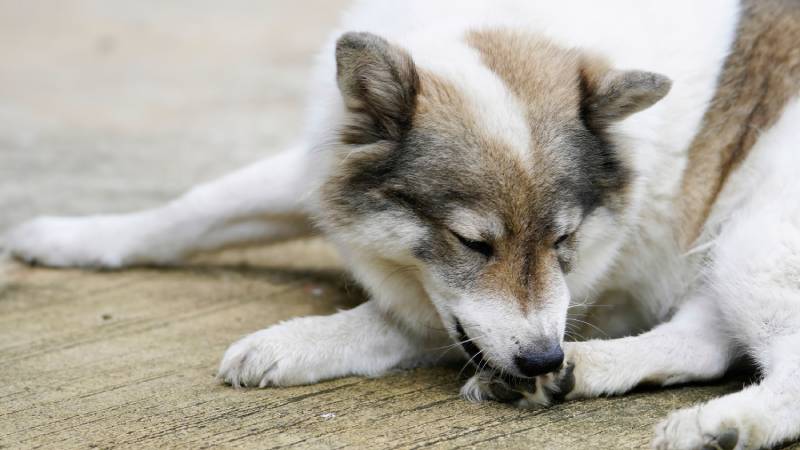
Some dog breeds are more likely to experience hair loss than others. Breeds like the Dachshund, Italian Greyhound, Doberman Pinscher, Chihuahua, and Whippet may develop bald spots on their outer ears, chest, back, or thighs.4
One peculiar type of alopecia in the Nordic or plush-coated breeds, such as American Eskimo, Chow Chow, Pomeranian, Alaskan Malamute, and Elkhound, is called alopecia X. The cause of this condition remains unknown, and it’s believed to be hereditary in Pomeranians. Affected dogs develop hair loss on the body, with dark pigmented skin in the bald areas. The legs and head retain a normal coat. Some studies suggest that mitochondrial gene mutations are features of this condition in Pomeranians.
7. Pregnancy and Lactation
If you're an experienced dog parent, you might notice your furry friend shedding more hair than usual during pregnancy and nursing. Hormonal changes can cause hair loss, but once they return to their normal state, their coat will be back to their full glory.
8. Endocrine Disorders
Endocrine disorders affect the endocrine system, which consists of glands that produce hormones. This leads to hormone overproduction or underproduction that, in turn, affects the whole body. Hormone excess is usually a consequence of benign or malignant neoplasia or non-cancerous tissue and organ enlargement called hyperplasia. On the other hand, autoimmune diseases and organ damage leads to underproduction of these hormones.
Some of the more common endocrine disorders that can lead to hair loss in dogs are those affecting the thyroid gland, adrenals, and the pituitary. Hypothyroidism is the result of an underactive thyroid gland, and is a relatively common hormonal condition in dogs. Low levels of the thyroid hormone, thyroxine, result in lethargy, weight gain, and hair loss. The good news is that this is a manageable condition, but does require blood tests and life-long medication.
Cushing's disease, also known as hyperadrenocorticism, is caused by excessive cortisol hormone levels in dogs. This condition is more common in middle-aged to senior canines. It causes hair loss, recurrent skin infections, darkening of the skin, increased thirst and urination, and a pot-belly appearance.
It's always better to be safe than sorry, so if you notice any of these signs, take your companion to the vet for a proper diagnosis.
9. Nutritional Deficiencies
There are certain nutrients that are needed for the growth and maintenance of healthy skin and coat, and if your dog is lacking in these, their coat will suffer. Nutrient deficiencies will have affects all around the body, so what we see on the outside can be an indication of poor condition elsewhere, so addressing these deficiencies is vital.
These are fairly uncommon in dogs in developed countries that are fed a well-balanced and complete diet that contains all the micronutrients they require. Nutritional deficiencies are usually seen in abandoned, stray, and rescue dogs that are malnourished and were starving for a prolonged period.
If you think your dog might not be getting everything they need for a shiny coat, consult with your vet before considering supplementation. Excess of vitamins and minerals can also be harmful and lead to disbalance.
10. Underlying Medical Conditions
Is your lovely pooch losing hair all over the place? Well, it might not be just a skin-deep issue. The skin is the largest organ in your dog's body and needs plenty of nutrients to stay healthy, but its condition also reflects the dog’s general health. Hair loss could be a sign of an underlying medical illness, such as autoimmune disorders or cancer. If your vet suspects a more systemic problem, they will recommend laboratory testing and possibly X-rays or ultrasound imaging to determine the cause.

What to Do if Your Dog Is Losing Hair
Hair loss in dogs is not uncommon, but addressing the issue early on is essential to prevent it from worsening.
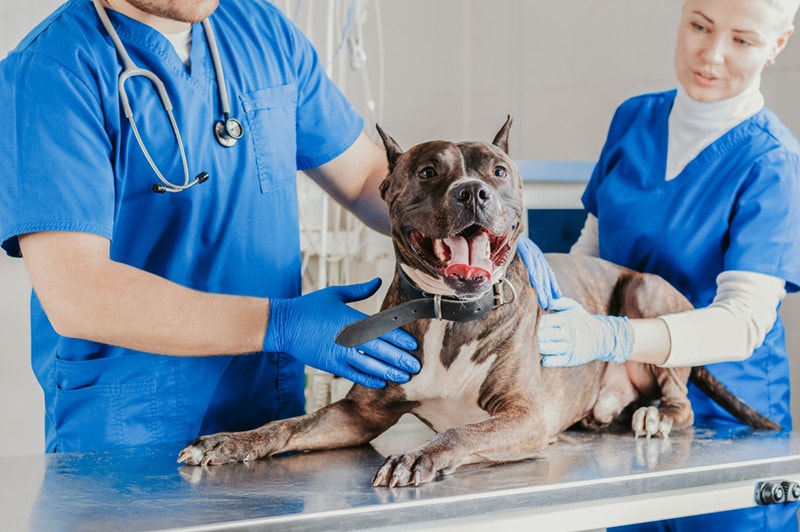
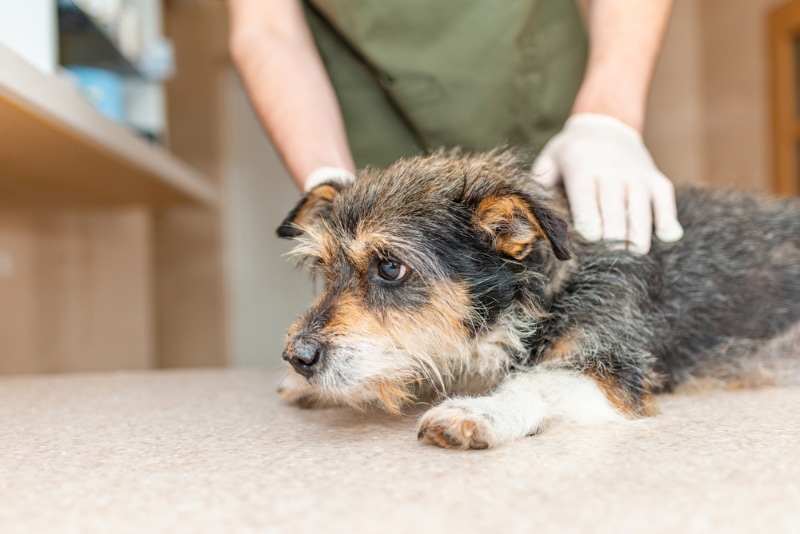
Firstly, it's important to consult your vet if your dog is suffering from hair loss. They can help you identify the cause and suggest the best course of action for treatment. If your dog has a bald spot accompanied by itching, bad odor, irritated or infected skin, changes in behavior, or any skin lesions in other pets or people in the household, seek vet attention immediately.
Remember, if your dog has a bald spot accompanied by itching, bad odor, irritated or infected skin, changes in behavior, or any skin lesions in other pets or people in the household, seek vet attention immediately.
It's essential to stick to the veterinarian's instructions and be vigilant in monitoring their skin and hair regrowth. Follow-up appointments may be necessary to ensure the problem is resolved and any infection is cleared. And if you notice any changes or have any concerns, don't hesitate to communicate them with your vet. Together, you can help your pet feel better and look great!
Tips for Daily Care of Your Dog’s Skin and Coat
Taking care of your furry friend's skin and coat is crucial for their overall health and happiness. If you want to see your dog's tail wag with joy, follow these simple tips:
- Treat your pup to a luxurious moisturizing bath using a high-quality vet-approved shampoo, as required, that will leave their coat feeling soft and shiny. However, don't overdo it; bathing them too often may cause skin irritation and dryness.
- Give your dog a good brushing regularly and be sure to inspect them for pesky parasites after outdoor activities like going to the dog park, hiking, or grooming.
- Ensure your pooch is eating a high-quality, complete and balanced diet appropriate for their age, health, and lifestyle.
- Prevent flea infestations by keeping them and other pets on a reliable vet-approved flea preventive year-round.
Conclusion
As a dog owner, it's natural to feel concerned when you notice your furry friend's hair loss. It's not just about the change in their appearance, but it could also be a sign of a serious underlying health issue. So, if you observe your dog shedding more than usual or notice the thinning of their coat, don't hesitate to reach out to your vet for guidance and support.
The good news is that you're not alone; there are ways to manage dog hair loss with timely medical intervention.
Sources
Featured Image Credit: Alice Rodnova, Shutterstock
Get Hepper In Your Inbox


Pet care tips from our vets and experts, straight to your inbox.
You may opt-out at any time. View our Privacy Policy for more information.
Hanh is a freelance writer living in Vietnam. She has a big love for working online and writing about animals, especially dogs. She finds happiness in helping pet parents across the globe have a fulfilling life with their pets by sharing her knowledge and that of other experts. When not writing, she enjoys traveling and experiencing different cultures.
Join the conversation
Ask a question, share your story, or send private feedback.