Hepper is reader-supported. When you buy via links on our site, we may earn an affiliate commission at no cost to you. Learn more.
Is Cloning A Dog Possible? Feasibility & Ethical Considerations


In this article
Cloning certainly sounds like something from a sci-fi movie, but when it comes to your beloved pet, it may suddenly seem like an appealing option. After spending years with your furry friend, they become more than an animal and are an intricate part of your family and life that you don’t want to lose.
What if you never had to say goodbye to your beloved dog? What if they could live forever? That would be a dream come true, and at first glance, cloning appears to make it possible.
But let’s take a look at the cloning process and discuss the ethical considerations of why it may or may not be a valid option to consider.

What Does It Mean to Clone Your Dog?
What is cloning? Most people know that in general, it means creating a duplicate of the original organism. But do you know what the process entails? It may be more complicated than you think.
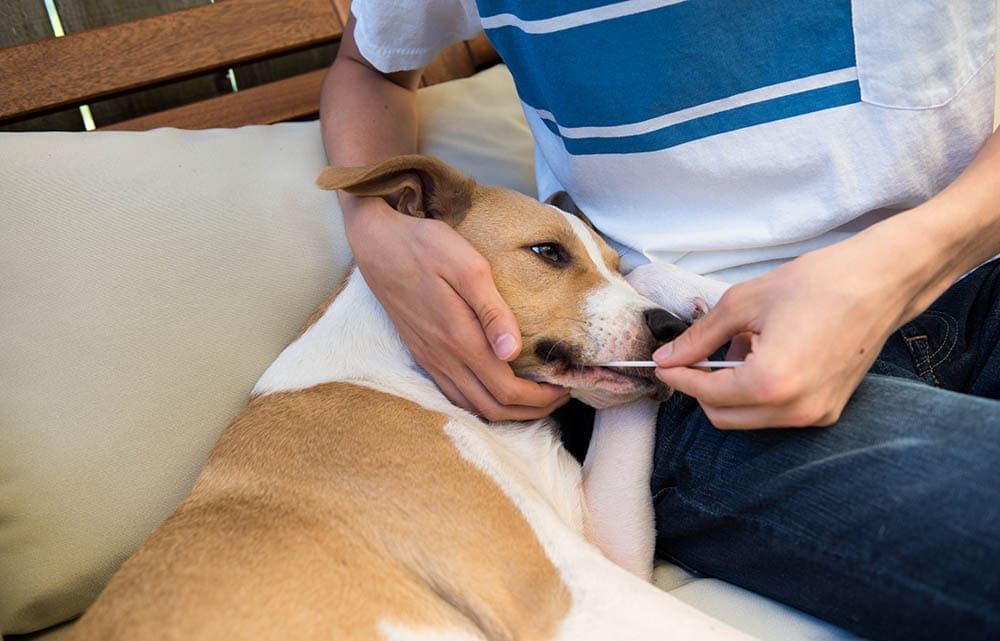
A veterinarian will take a tissue sample from your pet and send it to a cloning company. There, eggs will be taken from a donor animal and the nucleus will be removed. Then, the original pet tissue will be injected into the eggs, so they have the complete genetic material from your pet.
The egg doesn’t need to be fertilized by sperm, but to start the cell division, scientists send an electrical current through the egg. Once it is a viable embryo, the egg is implanted into a surrogate animal.
If the surrogate accepts the embryo, the pregnancy will continue until birth where, hopefully, a cloned puppy is born.
Is It Possible to Clone Your Dog?
Yes, it's possible but pricey. In the United States, dog cloning can start at $50,000 and go up from there. The hefty price tag isn’t the only obstacle. There are other considerations before you fork over the cash.
Should You Clone Your Dog?
Ultimately, you are the only one who can answer this question. When it comes to something so personal, opinions and feelings can vary greatly, and it’s important to gather all the information available to make a decision you can feel good about.
While cloning companies will highlight the advantages of being able to keep your dog forever, there are other realities that should be considered.

The Dark Side of Cloning
You Don’t Get the Same Pet
Even though you may start with the original genetic material, the new version is not guaranteed to have the same features, temperament, and personality. In fact, it most likely won’t.
Fur color can be different due to multiple color options in the DNA. An animal’s personality and behavior are determined more by environment and training than genetics. This is a critical factor to understand before assuming that you’re going to get a younger version of your best friend.
Lab Animals Suffer
Many lab animals are used while trying to clone one dog. Since cloning is usually not successful on the first attempt, there are miscarriages and animals born with birth defects.
Multiple surrogate animals are injected with hormones to prepare for embryo implantation and then often go through the trauma of embryo rejection and miscarriage. If a puppy is born but is deformed, it is euthanized.
Where Do Extra Clones Go?
To increase the chances of success, several embryos are implanted in surrogates at the same time. If two healthy clones are born, what happens to the extra one? Is it euthanized? Unfortunately, we don’t know what will happen to them.

Final Thoughts
When it comes to our pets, it is tempting to find a way to keep them around forever. However, cloning is an expensive procedure in more ways than one that won’t necessarily give you back the dog you know and love.
Other animals will be put at risk, and even if the process is successful, your new dog may have a different personality.
Nobody wants to go through the pain of losing their dog, but it also offers the opportunity to open your heart and home to another dog that can bring their special love to your life.
Related Reads:
Featured Image Credit: Pxfuel
Get Hepper In Your Inbox


Pet care tips from our vets and experts, straight to your inbox.
You may opt-out at any time. View our Privacy Policy for more information.
Nicole is a lover of animals of all sizes but is especially fascinated with the feline variety. She’s the proud mom of Baby, a Burmese, and works every day so he can relax in the sunshine or by the fire. She’s always had a cat in her home and has spent countless days with others, observing behaviors and softening up even the grouchiest of the lot. Nicole wants to share her kitty expertise with you so you and your cat can live happy, healthy, and care-free.
Join the conversation
Ask a question, share your story, or send private feedback.