Hepper is reader-supported. When you buy via links on our site, we may earn an affiliate commission at no cost to you. Learn more.
How Do Dog DNA Tests Work? DNA Testing Explained


In this article
The market for DNA testing kits has grown substantially within the past several years. More and more people are developing a curiosity, not just for their own genetic histories, but for those of their pets as well. By now, you are probably aware of the existence of dog DNA tests that can be done at home. You may also have a general knowledge about the information you can gather about your pooch. We are here to discuss how these DNA tests work and dig further into what you can learn from them.

How DNA Tests Work
In most cases, you will go online and purchase a DNA testing kit from your chosen company’s website. These kits can also be obtained at some pet stores and can also be ordered directly from Chewy. Once you make your purchase, you will receive a DNA kit that comes with complete instructions and all materials you need to properly collect and ship the sample.

Collecting the DNA
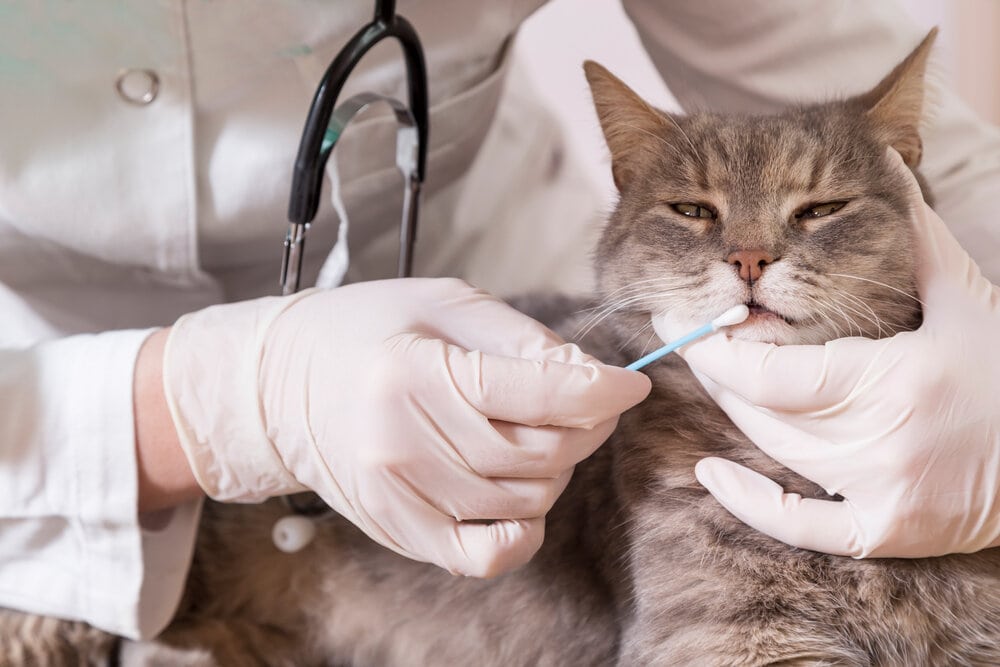
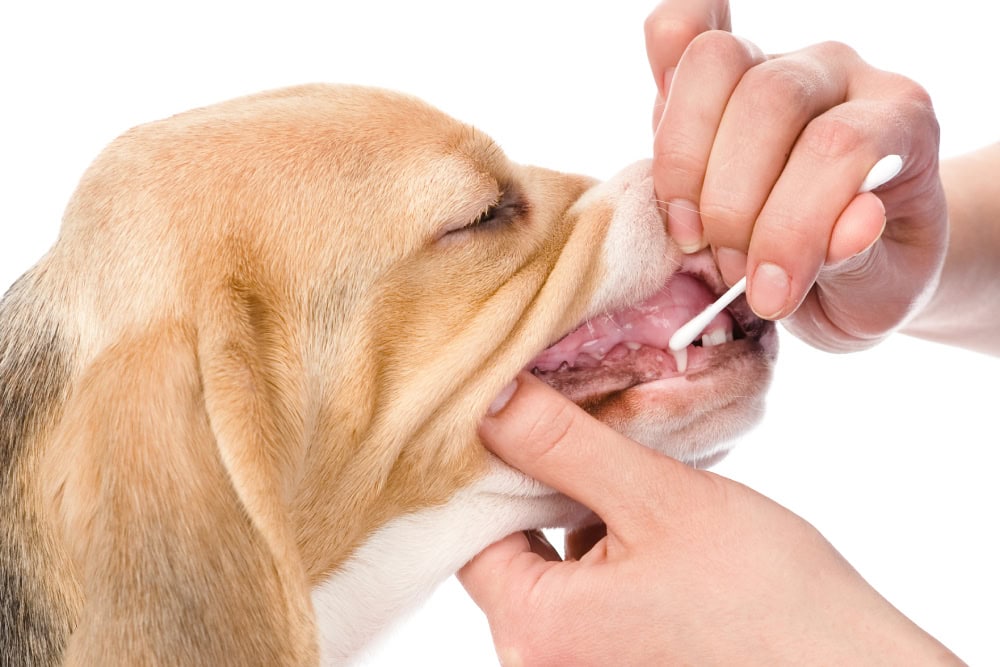
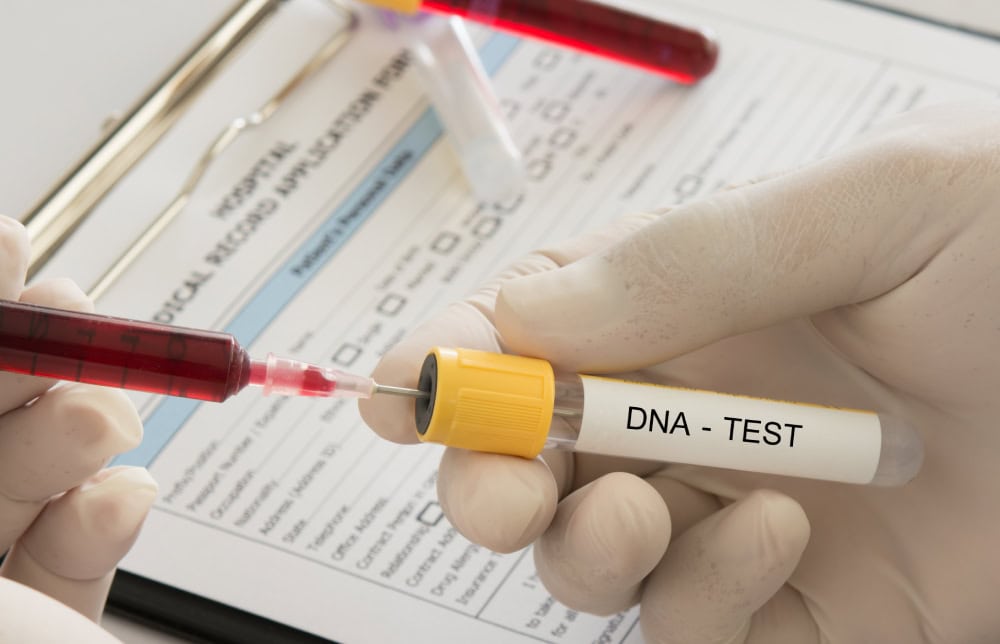
The collection process of your dog’s DNA sample will be dependent on the brand of test you choose. You will need to follow those specific instructions carefully to ensure everything is done correctly. Generally, each DNA test comes with a cotton swab meant to collect your dog’s saliva. Some kits may require blood or hair samples, it is very important to check this before you buy and choose a kit that will be comfortable for you to use.
Once you have collected the sample, you will then place it in the tube or container provided and ship it off to the company so that the sample can be tested. Again, make sure to read the specific instructions carefully for both collection and shipping to ensure the sample is not contaminated in any way to ensure the process goes as quickly and smoothly as possible.
Laboratory Testing
Once received, the company will then test the sample by using a computer algorithm that looks at the number and types of genetic markers and determines your dog’s genetic makeup. The more genetic markers a test searches for, the more likely it is to be reliable and the more information you can gather.

Obtaining Results
It typically takes anywhere from 3 to 10 weeks for results to become available. The timeframe will depend on which company and test you choose, they will have their specific turnaround time available for you. Once the results come in, they will be uploaded into the system for your viewing. Most companies offer to update you as more information becomes available.
What Can a Dog DNA Test Tell You?
1. Breed and Trait Information
The most sought-after result for most owners is breed information. It’s natural for any owner of a dog that isn’t purebred to want to know what different breeds their dog is made of. DNA test results will include your dog’s mixture of breeds by a percentage based on a library of different dog breeds. Each time your pup has a match to a certain breed, you will be provided information on that breed including their history, temperament, appearance, and much more.
You can also find out about your dog’s ancestry; even purebred dogs can trace back their lineage. Genetic age, diversity, and trait information. The traits revealed typically include coat color, coat length, body size, eye color, and even shedding tendencies.

2. Genetic Predispositions and Potential Health Risks
If you have purchased a DNA test that does a health screening, the results can identify any genetic predispositions and potential health risks your dog may face. These health kits have the capability of screening for over 150 genetic diseases that your dog could either be at risk for or a carrier of.
If you find your dog tests positive for any of these health risks, it can help you as an owner be more proactive in keeping an eye out for symptoms and learning more about what can be done for prevention or treatment.
3. Information on Allergies and Sensitivities
Some DNA testing kits will test for allergies and sensitivities. This includes allergies and sensitivities related to both food and environmental factors. It is also possible to find out if your dog has the MDR1 gene, or multi-drug resistance gene, which could cause your dog to have severe adverse reactions to some drugs. Blood and saliva tests are not recommended by most veterinarians for the diagnosis of food and environmental allergies.
4. Size, Weight, and Nutritional Information
Some DNA tests can provide you with important information about your dog’s weight by predicting their full-grown weight and informing you of an ideal weight range for them. Additionally, some tests will also include nutritional information based on your dog’s size and the breeds they are mixed with.
5. Your Dog’s Relatives
While this feature is rare and specific to certain tests, you can even potentially connect with other dogs that are related to yours based on shared DNA. You will get continuous updates if a relative to your dog were to test and come back as a match.

Related Read: Can You Register a Dog with the AKC Using a DNA test?

Picking the Best DNA Test
Picking the best DNA test for your dog will ultimately depend on your preferences and what kind of information you wish to learn. Each company will advertise its available tests and the capabilities of each one.
Do Your Research—It is important to do your research about the different tests on the market and what kind of testing will be completed. Not all tests are the same and they will have different capabilities, instructions, features, and turnaround times. Depending on what you want to know, you will need to find a test that suits your needs.
Check the Price—Dog DNA tests are typically not cheap, though, for owners looking into knowing more about their beloved dog’s genetics, it can be well worth the price for the knowledge you can get. Generally speaking, the less expensive the test, the less information it will provide. That’s not always a bad thing though. If you are just wanting a test that can help you determine something such as allergies or food sensitivities, they have tests that only give those results. You can also keep an eye out for sales and coupons, as most companies offer these as incentives.
Check How Genetic Markers Are Tested—When considering a wide variety of DNA tests, keep an eye out for the number of markers the test looks for. The more genetic markers a test has, the more likely the reliability of the results.
Conclusion
Testing your dog’s DNA with an at-home DNA testing kit is a very simple process. Not all tests are the same so it is important to look for a test that can tell you all the information you are looking for. Most tests will require a saliva sample, but some do require blood or hair samples. Once the sample is collected, you send it in according to instructions and the laboratory will get to work. Within a few weeks, you will get your highly anticipated results.
Featured Image Credit: Ermolaev Alexander, Shutterstock
Get Hepper In Your Inbox


Pet care tips from our vets and experts, straight to your inbox.
You may opt-out at any time. View our Privacy Policy for more information.
Oliver (Ollie) Jones is a zoologist turned freelance animal writer living in South Australia with his partner Alex and their mini zoo consisting of many aquatic creatures, dog Pepper, and of course, cat Steve. Ollie is originally from the USA and holds a Master's degree in wildlife biology. He hopes to share his feline knowledge and expertise with people so they can share in his passion and help their cats live their best lives.
Join the conversation
Ask a question, share your story, or send private feedback.