Hepper is reader-supported. When you buy via links on our site, we may earn an affiliate commission at no cost to you. Learn more.
Dog Peeing a Lot: When to Worry & What to Do (Vet Answer)

In this article
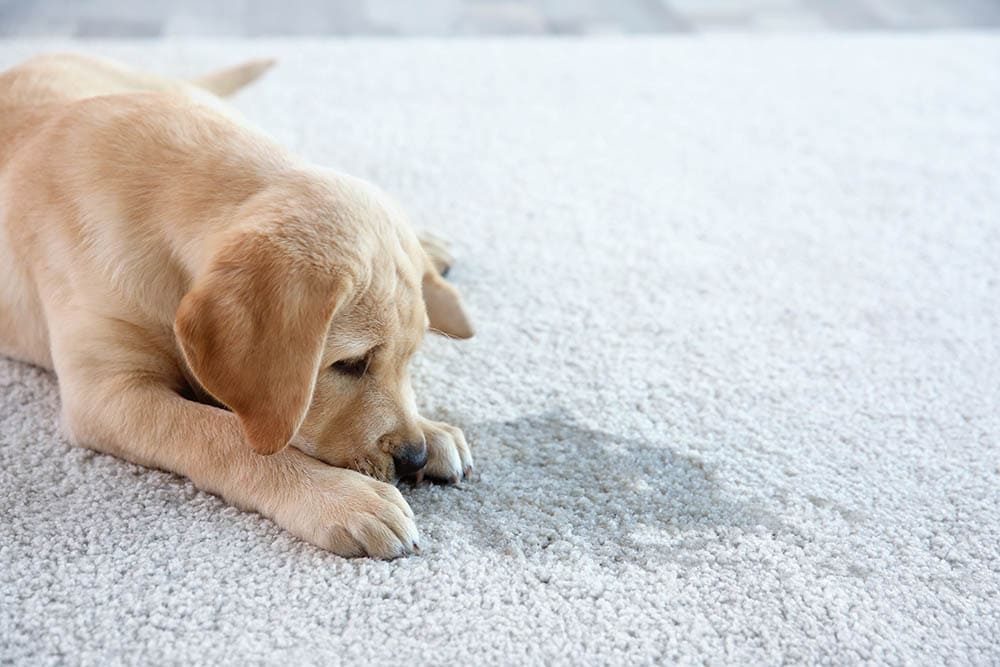
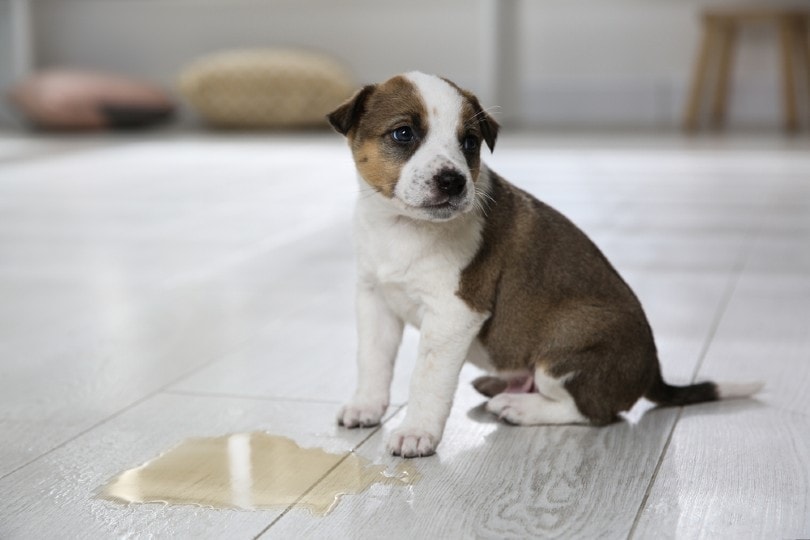
If you have recently noticed that your dog is peeing more than usual, either because they are asking to be let out more often or because you have noticed an increase in the frequency of the dog’s urination, it is very important to examine the case in detail. Sometimes, for many reasons, dogs may drink more water than usual, which can lead to increased urine production.
Detailed observations and general information should help you and your vet distinguish between behavioral, environmental, or medical causes of increased urination.
In many cases of dogs that have started peeing a lot, either suddenly or more frequently over a few weeks or months, there is often an underlying health condition that warrants a prompt veterinary check.

Possible Causes for a Dog Peeing a Lot
There are several possible explanations and causes why your dog may seem to be peeing more than usual. Some are more straightforward to establish, such as territorial marking or frequent peeing in the case of puppies, where the amount of urine produced is actually normal. Others may be more challenging and typically point to a more serious underlying issue. It’s essential to understand if your dog is actually producing more urine than usual.
Many medical conditions can cause a change in your dog’s peeing habits, from the frequency of urination to the amount, smell, or color of urine, and these signs can get worse if left undiagnosed and untreated. Therefore, it's best to consult your vet for a thorough clinical exam and further testing.
Here are some of the more common explanations and reasons for dogs appearing to pee more or genuinely producing more urine, from more benign ones to severe health issues.
Age-related
Territorial
Environmental or Compensatory
Medical
a. Disease
i. Urinary tract infection
ii. Endocrinopathy
iii. Diabetes
iv. Kidney disease
v. Liver disease
b. Incontinence
c. Drug-induced
Polyuria is a term used to describe increased urine production and volume. In the case of the behavioral-related factors and some medical ones, which we will discuss next, the total volume of urine produced by the body remains unchanged. Polyuria is not a disease but merely a sign of a compensatory system or several medical conditions or diseases.
If your dog is genuinely producing more urine than normal, sometimes combined with increased drinking as well, or they are peeing more frequently and not marking their territory, they should get checked out by your veterinarian as soon as possible.
How Do I Know if This Is Behavioral or Medical Related?
As a dog owner, your observations are a valuable asset in understanding any changes in your dog’s behavior. They are also very helpful in building up a complete medical history that will aid the veterinarian in accurately diagnosing a disease if that’s the case.
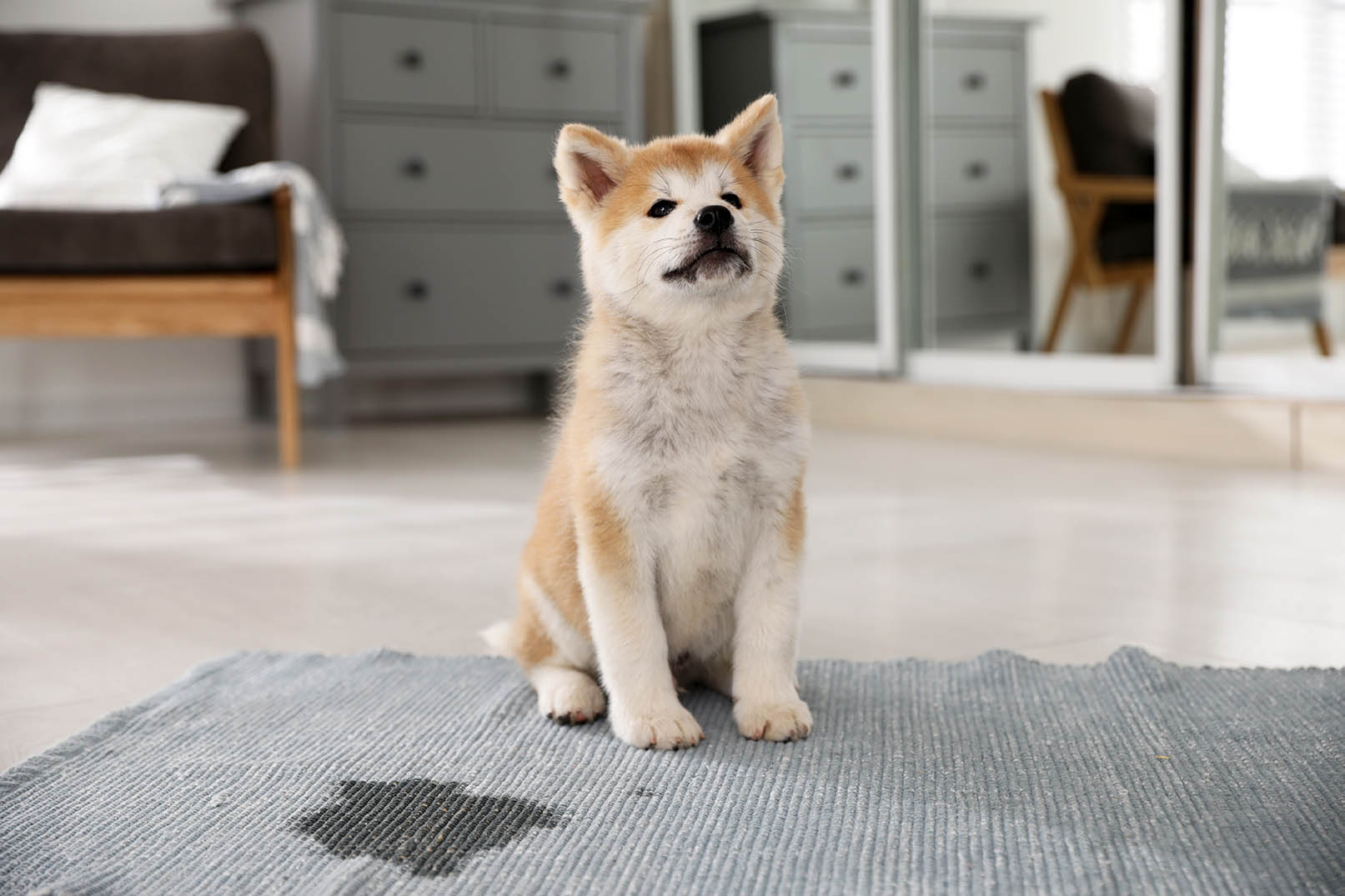
As a general rule, you must be able to clearly distinguish when a dog is peeing from when they are marking or involuntarily leaking urine.

Age-Related Factors That Affect Urination
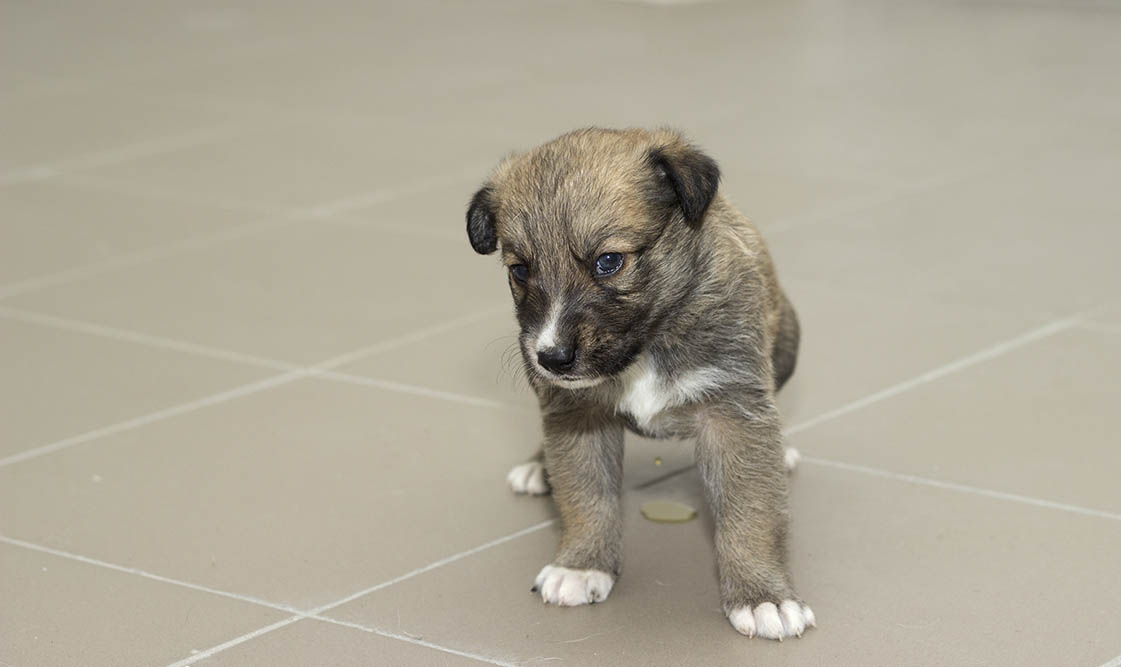
Generally, puppies still learning to control their bladders, urinate more frequently than fully grown dogs. On average, a puppy may urinate once every 2 hours, which is considered normal.
Unfortunately, owners sometimes fail to observe their adult dog's normal urination habits. Once the pet learns how to “go outside” and no longer has to deal with a mess, urine does not even cross their minds again.
It is always a good practice for dog owners to keep a close eye on their dogs and familiarize themselves with their urinating habits. This will allow you to have a baseline of what is normal for your dog and notice any potential problems earlier. On average, an adult dog may urinate every 4 or 6 hours, but it can be longer for some and closer to every 8 hours.
Territorial Factors That Affect Urination
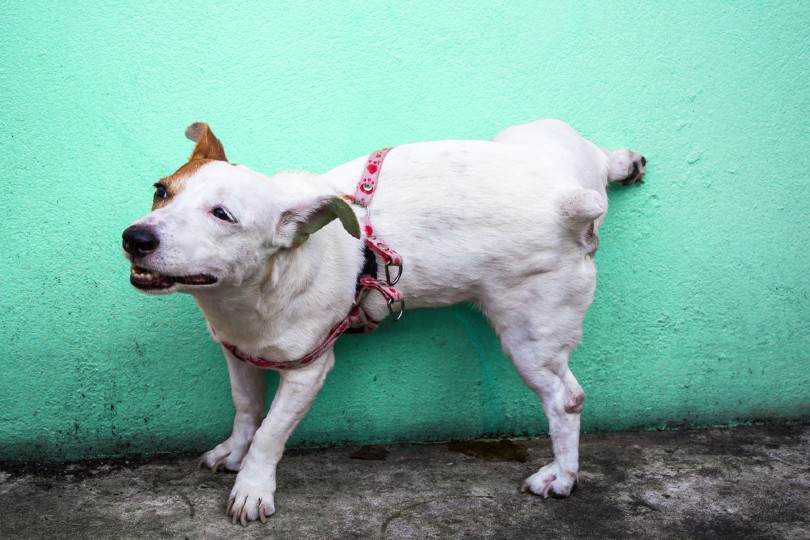
Dogs use their urine to mark territory. This behavior is observed in dogs as they enter puberty and may become evident from 6–9 months of age, depending on their breed and size, which dictates the time of reaching their sexual maturity. Dogs mark the territory where they live, the paths where they walk, objects, and more.
It is a way of social communication between dogs. Marking is more common in unneutered males and unspayed females. This suggests marking is also a way of communicating reproductive and hormonal status. It has been observed that marking behavior in females may correlate with the time surrounding their heat cycle, although some females will do it regardless of their heat.
If you are a first-time dog owner, it is very important to familiarize yourself with how to tell marking apart from urination. Generally, marking is brief; only a small volume of urine is expelled, and it is frequently repeated in the same spots or sites. Marking is part of the normal behavior of dogs. Sometimes, excessive marking can become an issue known as problematic or inappropriate marking; this is a behavioral problem and not a medical problem.
Other Behavioral Factors That Affect Urination
Other behavioral factors that can cause dogs to urinate are anxiety and excitement. Some of the factors that add to the dog’s anxiety are new dogs in or near their territory, separation anxiety caused by their owners being absent for prolonged periods, and the addition of new, unknown objects or noises to their environment.
Some dogs urinate out of excitement, such as when their owner returns home or when they anticipate something that they like. If the dog is urinating while moving their tail simultaneously, it is most likely excited urination.
None of these behavioral factors will cause an actual increase in urine production; instead, the dog is more commonly observed to be peeing, which can be mistaken for peeing a lot. Next, we get into the environmental and medical causes that may lead to a genuine increased volume of urine, but again, not always.
Environmental Factors That Affect Urination
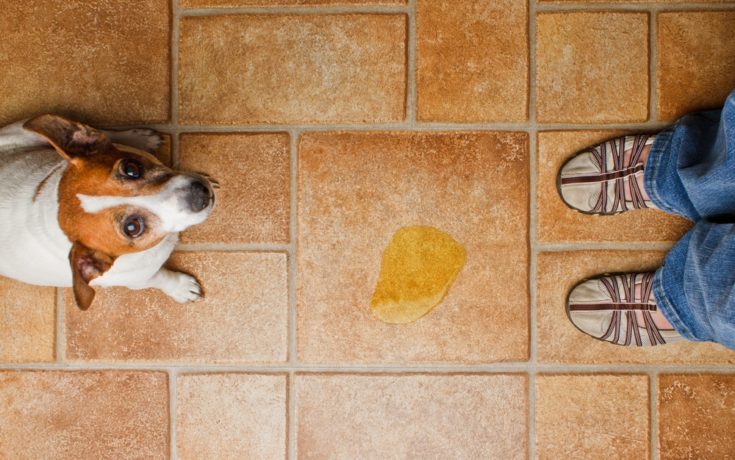
It is normal that during hot summer months, often combined with swimming, dogs drink more water and may urinate more. If your dog is drinking and urinating more, it is vital to consider if the environmental temperature might be the reason.
A slight increase in urination linked to increased water consumption due to higher temperatures is normal. This can be named “compensatory polyuria” and is not a disease.
Health-Related Factors That Affect Urination
Obviously, health-related factors affecting dog urination are the biggest concern. If you are an observant owner, you might have noticed that your dog’s urinating habits have changed. However, it is not always easy to know if the dog is urinating more in total volume or frequency. If this is not related to any of the factors that we mentioned previously, please take your dog to the veterinarian for a checkup.
As explained, increased urination is a sign rather than a disease, and several medical conditions can cause this problem. The veterinarian is trained to collect and interpret the necessary information to diagnose the underlying condition behind your dog’s increased urination.
They will perform a physical examination of your dog and might collect blood and a urine sample. In some cases, the veterinarian will want to collect a sterile urine sample directly from the urinary bladder using an ultrasound to guide the precise puncture with a needle and syringe into the bladder. Depending on the specifics of the case, the veterinarian might need to perform further diagnostic studies such as X-rays or ultrasounds.
Urinary Tract Infection
If the veterinarian finds out that your dog is suffering from a urinary tract infection, the prognosis is usually very good for this condition, especially if it is diagnosed early.
Generally, urinary tract infections increase the frequency of urination but not the total volume of urine produced. It's best to keep a close eye on your dog and familiarize yourself with their urinating habits.
Some of the behavioral changes seen in dogs suffering urinary tract infections include:
Please bring your dog for a veterinary consultation immediately if you notice any of these signs, particularly if your dog is straining to urinate and cannot pass urine. This is more common in male dogs and may indicate a urinary obstruction that can be life-threatening. Your observations are very valuable, especially considering that by acting quickly, you can avoid an infection that can complicate, for example, a urinary tract infection.
Left unattended, a urinary tract infection can develop into a kidney infection. Assuming that the infection did not complicate matters, your dog will most likely be put on oral antibiotics and display normal urinating habits.
Incontinence
There can be several underlying medical causes and treatments for urine leakage or incontinence in dogs. As a general rule, urine amounts are small and you will notice that your dog seems unaware that they passed any urine. Wet patches are often found where your dog is sleeping. The total volume of urine is not increased in this case.
Pathological Polyuria
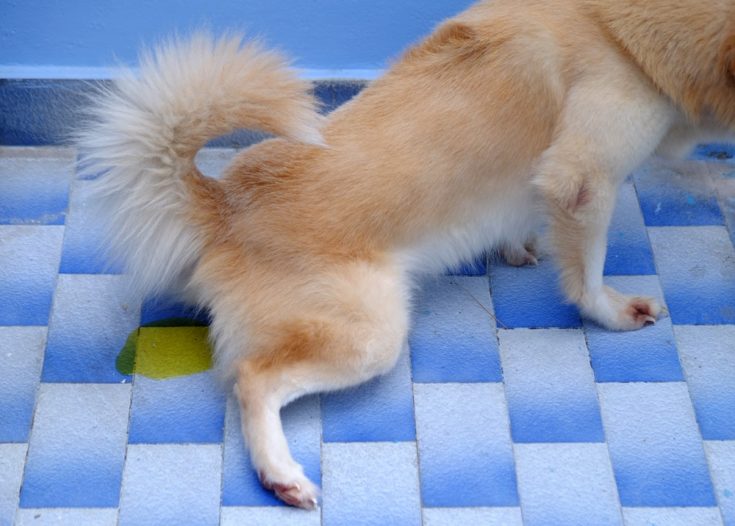
An adult dog’s normal urine volume is approximately 20 to 40 milliliters of urine per kilogram of body weight in 24 hours, and polyuria is defined as a daily urine output of greater than 50 milliliters of urine per kilogram of body weight in 24 hours. However, measuring urine milliliters is not expected from an owner; we only do this at the veterinary clinic if we need precise information for a differential diagnosis between probable causes of polyuria.
Polydipsia/Polyuria
It is common for pathological polyuria to come in combination with polydipsia, the medical term for an abnormally increased consumption of water. This might sound confusing since you just read that increased urine production may sometimes be caused by increased water consumption during higher environmental temperatures.
However, some diseases, such as diabetes, cause increased water consumption and urination. This happens regardless of environmental temperatures, and it is definitely more apparent.
Several diseases can cause pathological polyuria. Among them, the most common are:
To accurately diagnose what is the exact cause of your dog’s disease, a veterinarian relies on a series of tests that might include:
At this point, it is very important to be observant of the details and let your veterinarian know if you notice any other signs in your dog, such as vomiting, diarrhea, lack of appetite, or weight loss.
Drug-Induced Polyuria or Pharmacological Polyuria
Increased urination in your dog might also be a consequence of ongoing treatment or a drug overdose.
Several medications can cause increased urination, including:
Polyuria can also be observed following the administration of intravenous fluids. Although they are not drugs, per se, they are classified in this category.

Final Thoughts
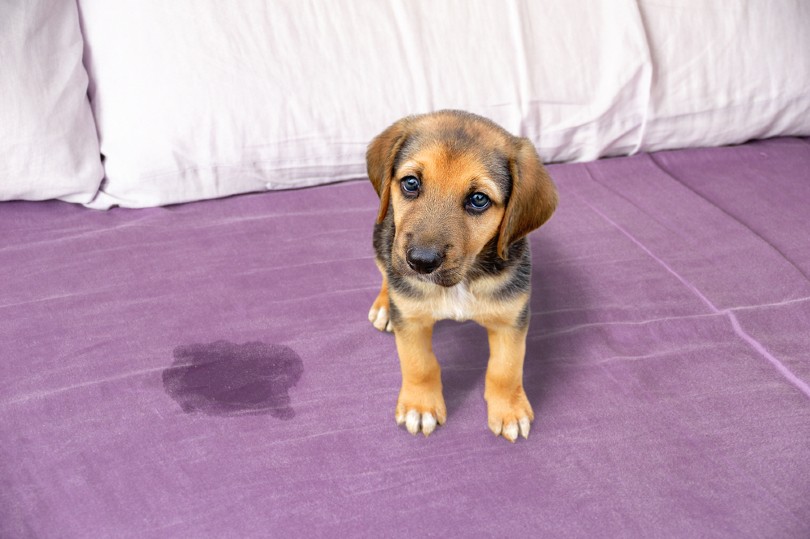
It is recommended to familiarize yourself with your dog's habits. Having a clear idea of how many times a day your dog urinates, where, and at what times is a good starting point before you can grasp if your dog is genuinely peeing a lot. Try to note other details like the position they assume, the color of the urine, and even the amount of water they regularly consume. Behavioral, environmental, or medical issues can cause increased urination in your dog. It is crucial to distinguish between an increased frequency of urination and an increased volume of urine.
If the cause behind your dog’s increased urination is medical, the treatment will depend on the underlying cause. Some conditions resolve completely with medications or surgery, but others do not have a cure and require ongoing management. However, some can be controlled with a therapeutic diet.
If you notice that your dog is urinating frequently and suspect it is due to a medical problem, take them to the veterinary clinic for a checkup. Following the veterinarian’s specific instructions and prescriptions will ensure your dog enjoys the best quality of life.
Featured Image Credit: New Africa, Shutterstock
Get Hepper In Your Inbox


Pet care tips from our vets and experts, straight to your inbox.
You may opt-out at any time. View our Privacy Policy for more information.
Paola Cuevas is a veterinarian and animal behaviorist, with over 18 years of experience working with a variety of species. Her passion is animal welfare and focuses on the importance of preventive medicine. Paola has skills in the fields of nutrition, microscopy, clinical pathology, diagnostic imaging, and endoscopy as well as extensive experience in animal training through positive reinforcement. As our in-house veterinarian, Paola is very happy to share her knowledge and experience with our readers and hopes to be helpful with any issue presented by your non-human family members.
Dr. Paola is our Senior In-House Veterinarian at Hepper, and she loves sharing her knowledge and experience with our readers. Paola hopes to provide helpful information for any issue presented by your fur babies.
Her passion is animal welfare and she focuses on the importance of preventive medicine.
Education
Paola graduated from the University of Guadalajara, Mexico.
Experience
Dr. Cuevas has over 18 years of veterinary and animal behaviorist experience and has worked with a variety of species, from companion animals to exotics. She has skills in the fields of nutrition, microscopy, clinical pathology, diagnostic imaging, and endoscopy as well as extensive experience in positive reinforcement animal training.
Things You Didn't Know About Dr. Paola:
As a student, Paola received an outstanding student scholarship. She had the opportunity to travel to Canada and learn about aquaculture diagnostics and pathology.
Paola and another colleague trained gentoo penguins to recognize shapes and colors and their project achieved an international first-place award in research.
Paola has trained several species of animals to voluntarily accept medical procedures such as ultrasound examinations, X-rays, and the collection of biological samples with the goal of improving their healthcare without additional stressors or the need for physical restrain.
Join the conversation
Ask a question, share your story, or send private feedback.