Hepper is reader-supported. When you buy via links on our site, we may earn an affiliate commission at no cost to you. Learn more.
How To Get a Urine Sample from a Dog: Safe & Easy Vet Approved Steps


In this article
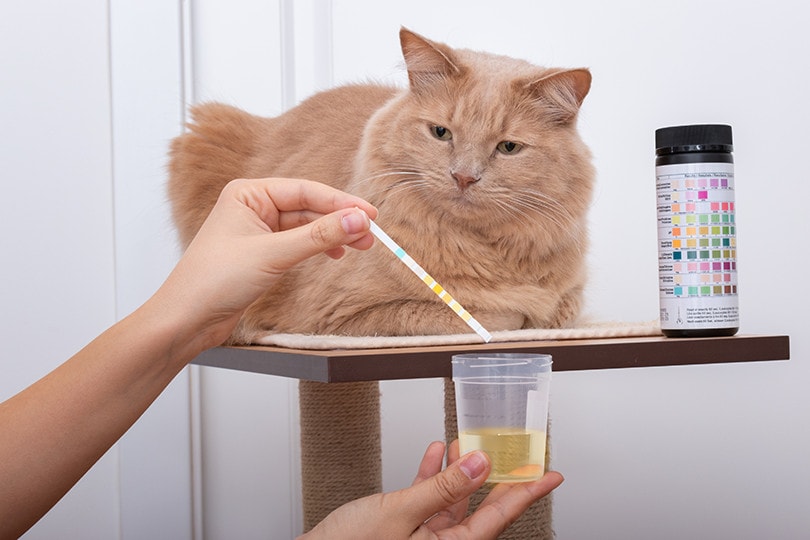
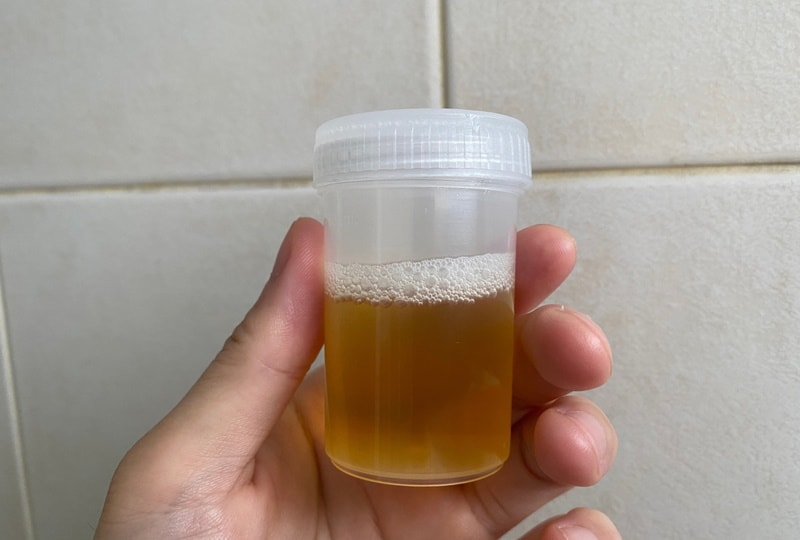
You may need a urine sample from your dog for many reasons. Of course, we can’t just ask our dogs to pee into a cup, so getting the sample is often easier said than done!
Luckily, though, you need very little urine for most urinalyses. You do need a clean urine sample, though, so you’ll need to “catch” the urine sample. You can’t remove or mop it up from the floor after the fact, as this will contaminate the sample. You may even be asked to get a urine sample in the morning when a dog’s urine is most concentrated.
While catching a urine sample may sound complicated, it is pretty simple. Here are the basic steps you should follow.

Materials Needed
First, you need to collect all of your materials. You won’t need that many materials, as getting a urine sample is mostly about the technique.
The most important item you will need is a clean container with a lid. You don’t want any contaminants inside the container, as this can make the sample unusable. You’ll also want a lid to keep the urine from spilling. Sometimes, the vet may provide a vessel they want the sample in. Other times, you may want to use a container from home. Either way, just ensure it is clean.
Many people like to use disposable gloves. However, these are optional.
1. Choose the Right Time and Place
Often, you’ll want to collect a urine sample first thing in the morning, as this is when your dog’s urine is most concentrated. This isn’t always required, so speak to your vet if you can’t accomplish this for one reason or another. Sometimes, getting a sample sooner is more important than waiting until the next morning.
Choose a location where your dog normally likes to pee. If you’re not at home, choose a location with plenty of grass and resembles where your dog normally uses the bathroom. Make sure you bring your container with you.
If your dog is on a schedule, you may be able to predict when they’ll need to go out next. If so, there often isn’t a reason to hurry up the process (unless your vet needs a sample ASAP). You can often wait until the next time they’d typically urinate.
2. Encourage Your Dog to Urinate
Encourage your dog to use the bathroom however you normally do. Often, it works best to stick to the usual routine as much as possible. Therefore, do whatever you normally do. Don’t make this time outside seem unusual or special, as this can make your dog nervous.
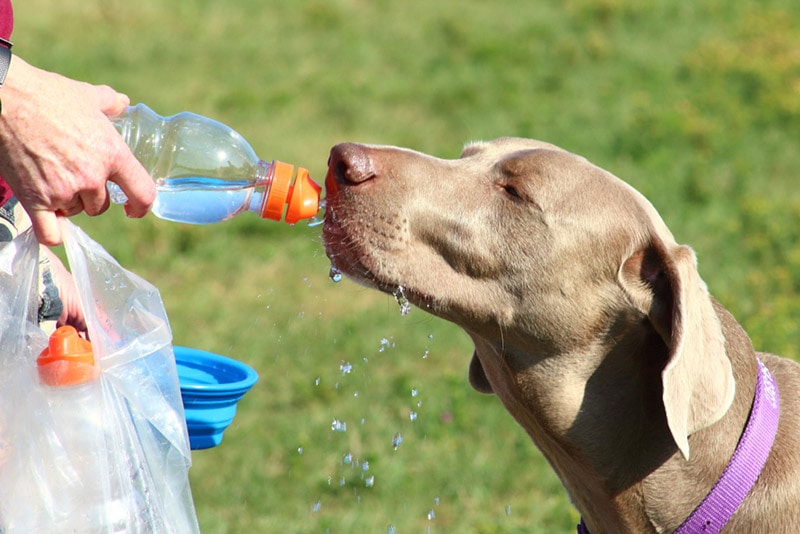
If your dog doesn’t need to go, give them water and encourage them to drink.
3. “Catch” the Urine
Now for the technical part—you’ll need to hold the container under your dog while they’re urinating. You don’t want to touch the container's inside or lid, as this can make it unsterile. You don’t need to collect a lot, so don’t feel you have to hold it while the dog is walking around.
Instead, stay close to your dog, wait for them to urinate, and then move the container into place. A mid-stream urine sample is preferable if possible. Try to be a little sneaky about it to prevent your dog from getting weirded out and moving away.
4. Close the Container
Assuming you caught enough, close the container to prevent spilling any. It’s best to take the sample right away to the vet, as there is often a time limit on how long the urine can sit out. Ask your vet for specifics, but the usual time limit is 2 hours.
If you can’t take it immediately, store it in a cool, dark place away from direct sunlight, which can age the sample prematurely.
Tips for Collecting a Urine Sample
Catching your dog’s urine may be harder in practice than it sounds. Here are some tips to make the process go a bit smoother:
- Use a wide container to make catching the stream easier. The wider the mouth, the more urine you’ll probably catch.
- Don’t use urine from two different urinations. You need to catch all the necessary urine at once.
- It helps to have two people. One person can hold the container while the other holds the dog’s leash. However, some dogs don’t like to urinate in front of people, which can make a crowd less than helpful.
- Ask your vet for help if you’re having trouble getting a sample. Often, vets have ideas that may work well with your specific dogs. Other times, there may be an alternate test. There are also other ways for your vet to collect urine, though these are more invasive.
- Use a short leash to keep your dog close to you while they urinate. You don’t want to miss your opportunity because you chase them around the yard.
- Pie plates can work well for urine collection for dogs that like to squat. Just slide it underneath your dog when they start to go, and then transfer the sample to something easier to store.
- You can also use a ladle for urine collection. However, collecting enough without spilling it can be challenging, so we recommend catching the urine directly in a container.
Summary
Collecting a urine sample may sound overwhelming. However, it’s often a lot easier than you may imagine. All you need is a clean container with a lid. Then, follow behind your dog when they go to use the bathroom. Whenever they start, “catch” the urine in the container.
Many people prefer gloves, too, as you may have to get extra close to collect the urine. Sometimes, you can slide a pie dish or other wide-mouthed container underneath your dog, allowing you to collect the urine sample without much trouble.
You usually don’t need very much urine for most tests. Therefore, don’t feel you must catch all your dog’s urine. It’s perfectly fine to let them start peeing and then move the container into position.
Sources
https://www.lomsnesvet.ca/how-to-collect-urine-sample-from-your-pet/
https://www.akc.org/expert-advice/health/how-do-i-collect-a-urine-sample-from-my-dog/
Featured Image Credit to Elnur, Shutterstock.
Get Hepper In Your Inbox


Pet care tips from our vets and experts, straight to your inbox.
You may opt-out at any time. View our Privacy Policy for more information.
Kristin is passionate about helping pet parents create a fulfilling life with their pets by informing them on the latest scientific research and helping them choose the best products for their pets. She currently resides in Tennessee with four dogs, three cats, two fish, and a lizard, though she has dreams of owning chickens one-day!
Join the conversation
Ask a question, share your story, or send private feedback.