Hepper is reader-supported. When you buy via links on our site, we may earn an affiliate commission at no cost to you. Learn more.
Why is My Puppy Peeing a Lot? Vet-Approved Facts & Advice


In this article
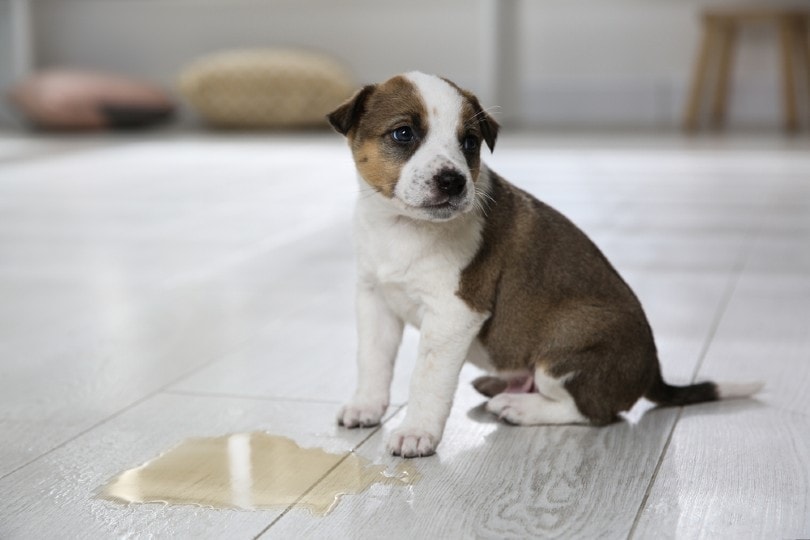
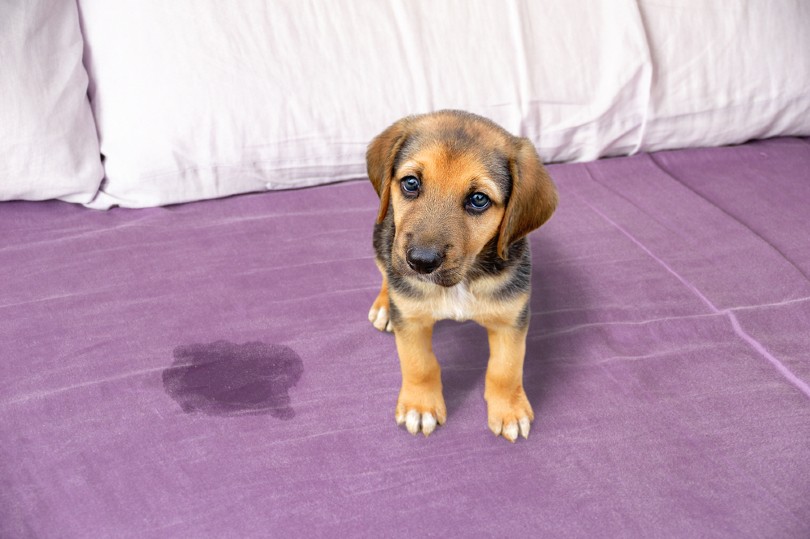
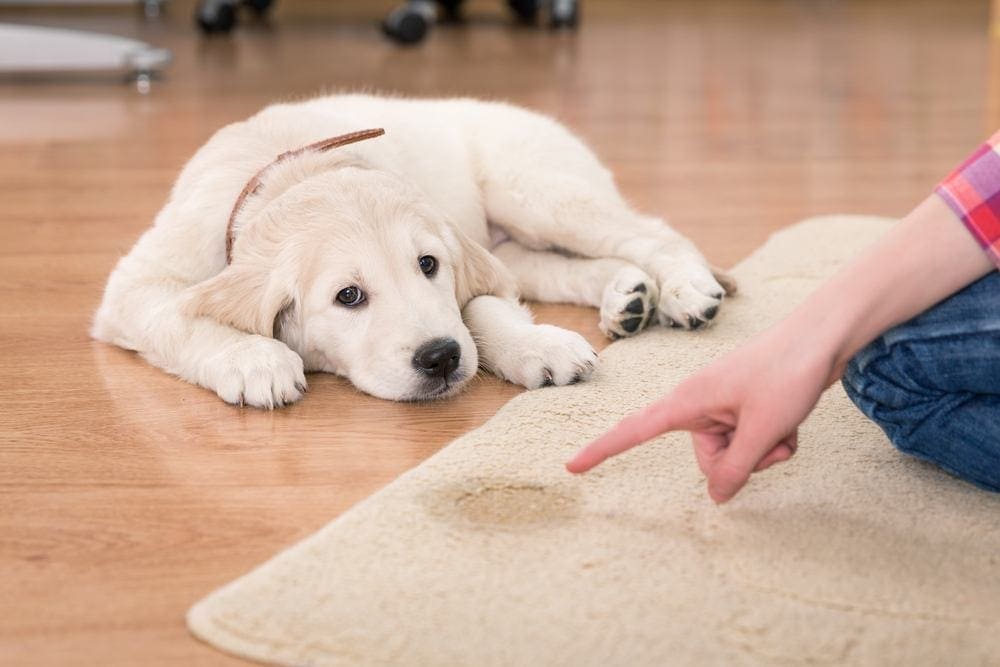
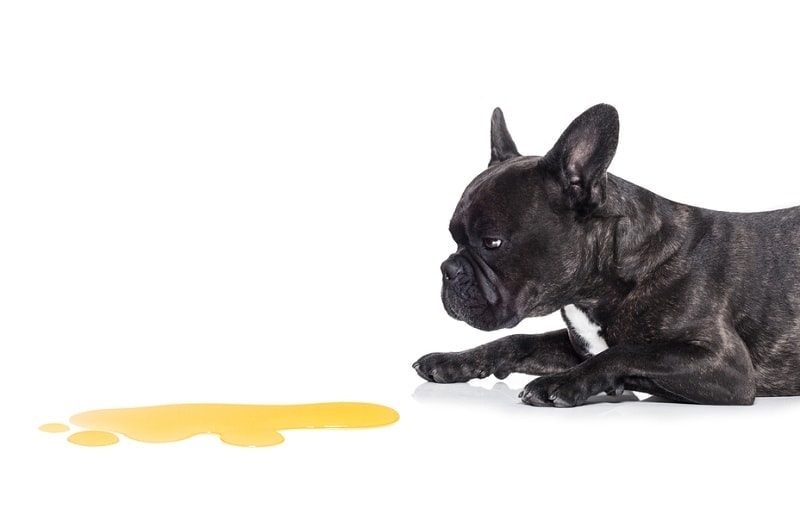
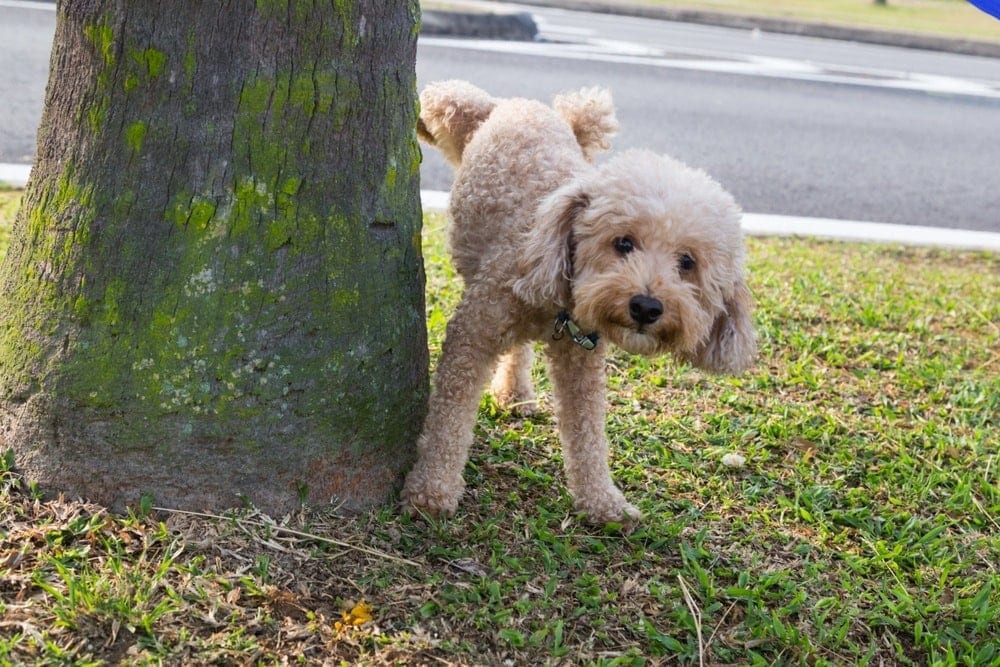
Puppies pee. A lot. But how much is too much? If you find yourself cleaning up after your brand new, absolutely adorable puppy (lucky that they’re so adorable!) far too often, how do you know that this is normal?
We’re here to help you figure out if there’s a problem and how to best deal with it.

Puppies and Pee
When you think about puppies, usually the first thing that probably springs to mind is a ball of fluffy cuteness. But the reality also includes lots of mess. Lots.
So, yes, puppies pee quite a lot, but why exactly is this?
Small Bladders
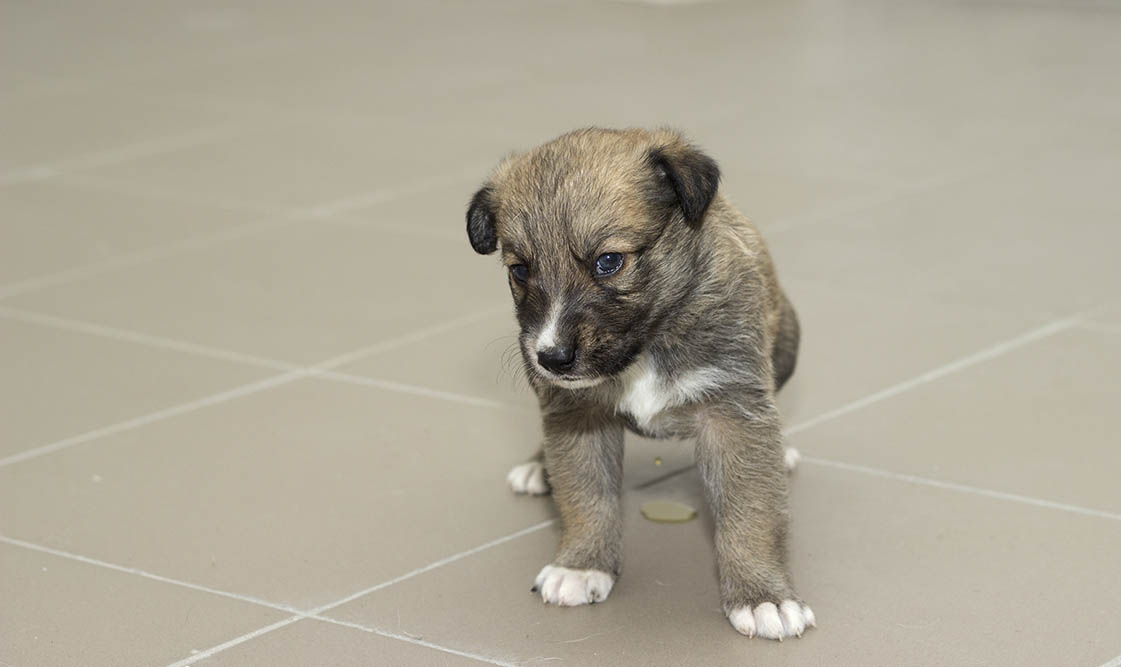
First of all, puppies have tiny bladders, and it’s more difficult for them to hold it in, particularly when they haven’t actually learned the rules of peeing outside yet. Puppies also eat and drink every few hours, and peeing is completely natural after these activities!
In the Process of Toilet Training
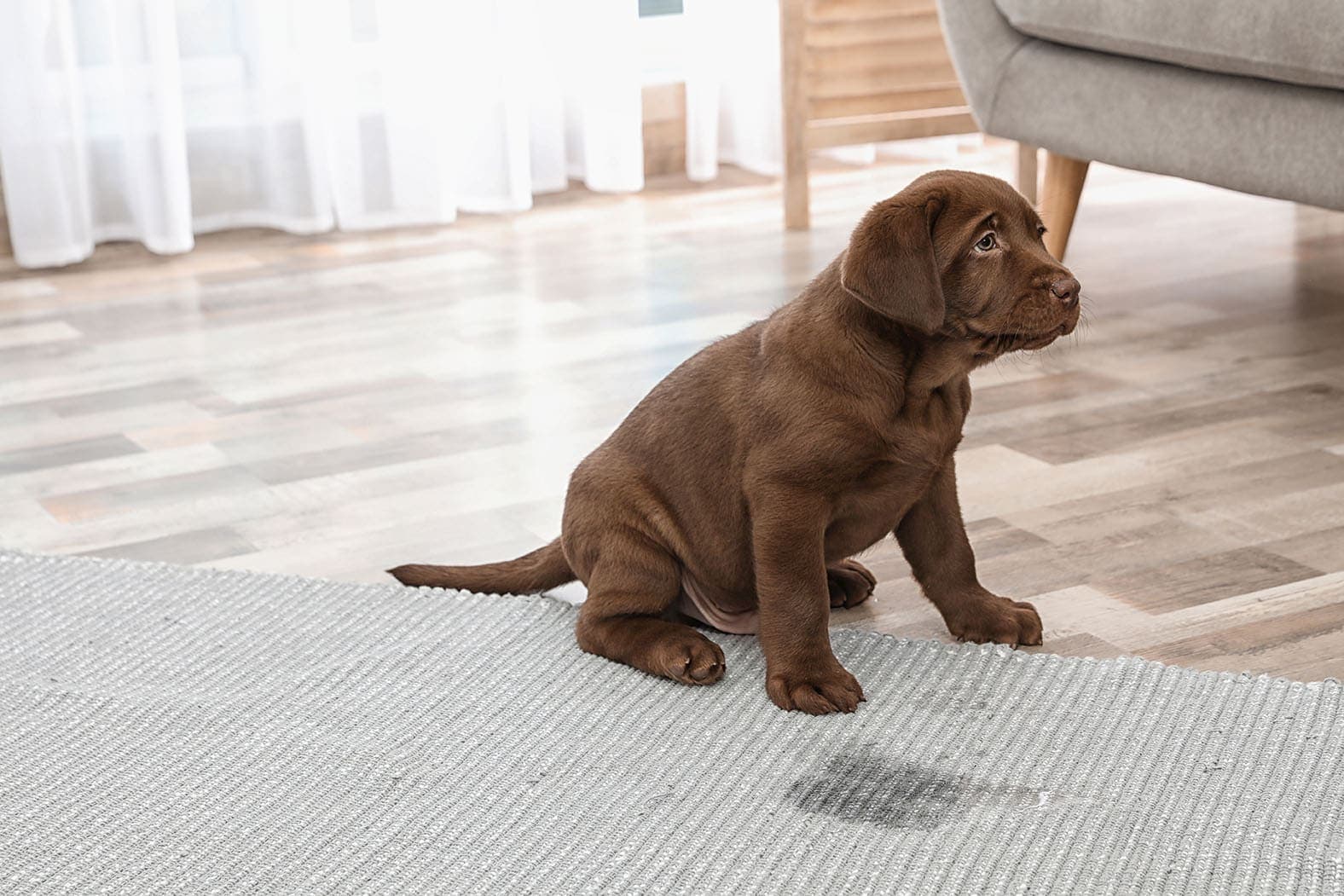
Puppies normally pee whenever they have the urge, as they just don’t have that kind of control yet. It is only a matter of time before your puppy understands the rules and learns to pee when it’s the right time and place.
If you're tired of all the smells and stains that come with pet parenting, you should check out the Hepper Advanced Bio-Enzyme Pet Stain & Odor Eliminator Spray. Okay, it's our product, so we may be biased – but we love it so much, we just have to share it! It permanently removes even the very worst smells and stains, and we offer a 100% satisfaction guarantee.

- ADVANCED ENZYMATIC CLEANER - Penetrates the most stubborn smells and stains at the deepest molecular levels to dissolve any pet mess you encounter and lift it away at the source.
- FOR ANY MESS, ON ANY SURFACE - This pet odor eliminator cleans your carpets, floors, furniture, fabrics, and more. Whether it's urine, feces, vomit, or drool, you can erase all foul spots and smells!
- FRESH, NATURAL ODOR - Our unique formulation doesn't rely on dangerous or unpleasant chemical fragrances to get the job done. We eradicate smells and stains, not just cover them up.
Excitement and Submissiveness
Puppies will sometimes pee when they are super excited and happy. They might pee during playtime or when you walk in the door after being away for part of the day. It could also be a submissive gesture, which can occur when you’re saying hello or by just approaching them.
Stress and Anxiety
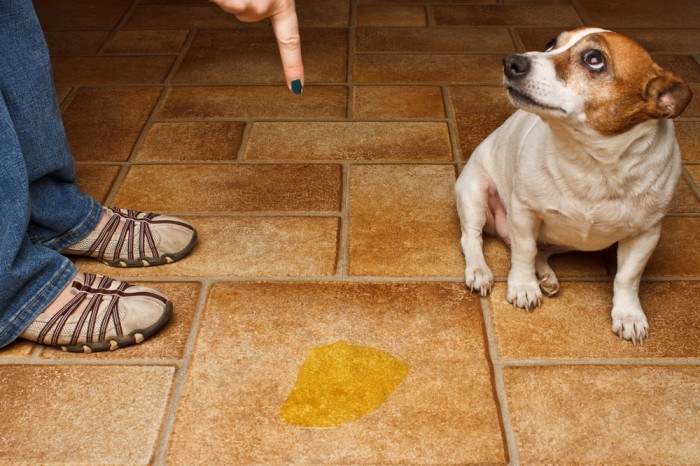
Submissive urination is a part of this category as well. When being scolded (a daily occurrence with a puppy) or if there are loud noises (thunderstorms or sirens), it can create anxiety in the puppy, and they might piddle out of fear.

How Much is Normal? Is Your Puppy Peeing a Lot?
Okay, so we’ve established that puppies do pee a lot, but how much is normal? Generally speaking, puppies under 6 months old need to be taken outside to urinate about once every 2 to 3 hours. The general rule of thumb is that a puppy can control their bladder for 1 hour in relation to how many months old they are (so, a 3-month-old puppy can hold it for about 3 hours, etc.).
However, after drinking a large amount of water, most puppies will need to urinate approximately 10 to 30 minutes afterward.
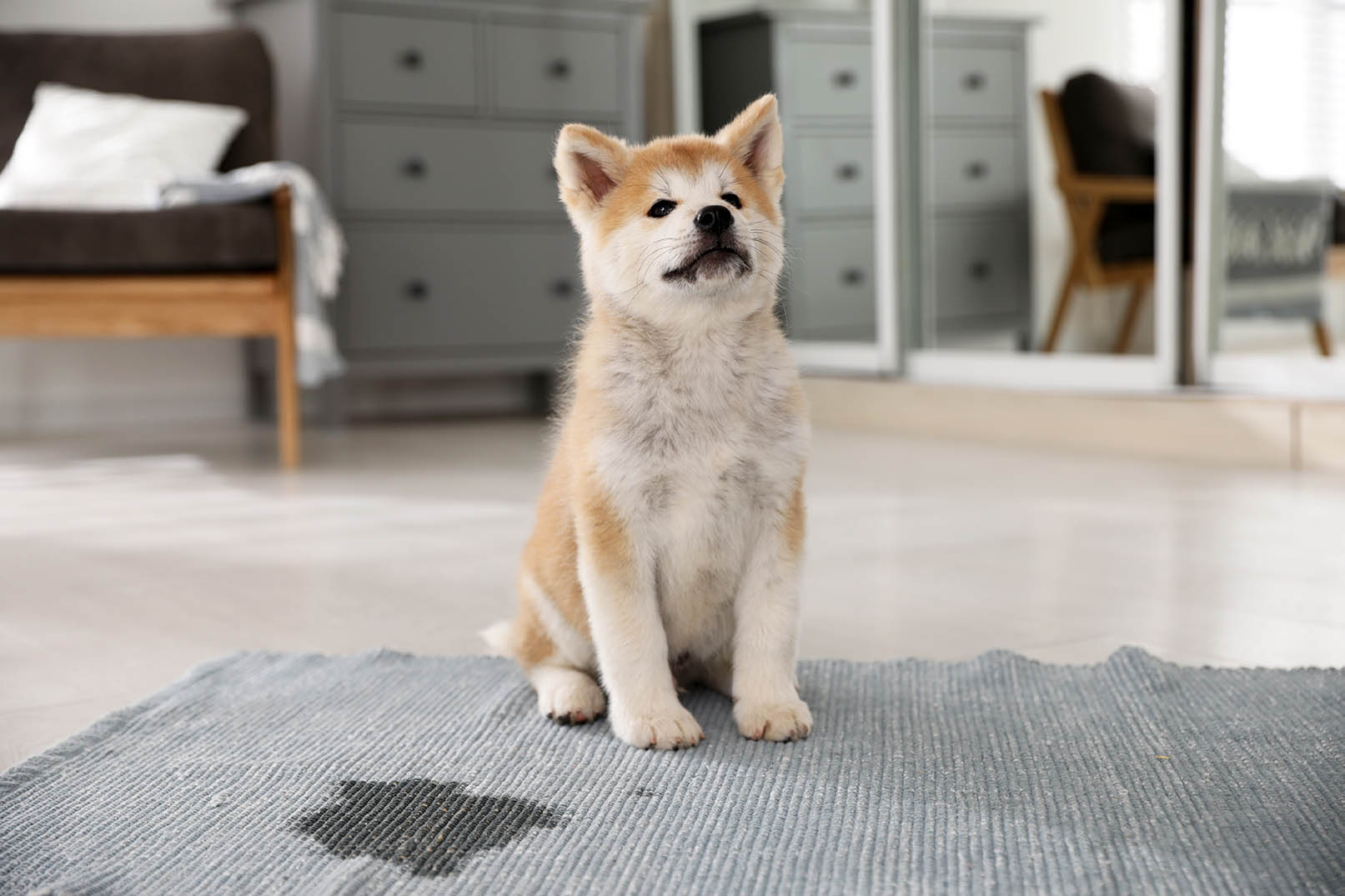
All of this is considered normal urination behavior for most puppies, but if your 6 month old puppy is peeing every 1–2 hours, there could be something wrong.
Possible Medical Issues
If you’re concerned about how often your puppy seems to urinate, bring them to the vet to help rule out any medical problems. They will need to run a variety of tests that will include a urinalysis and possibly X-rays and blood work.
Medical issues that might contribute to frequent urination can include:
All these medical conditions require a vet’s assistance as soon as possible.

Possible Behavioral Problems
If medical issues are ruled out, you’re potentially looking at a behavioral problem.
Anxiety
While your puppy is gradually settling down, you might notice that they occasionally display anxiety or fear. Nervous peeing every time your pup gets stressed is something that you’ll want to work on. Start by providing your puppy with socialization and exercise. Taking them to puppy obedience classes is a great first step.
You should also provide your puppy with a place where they can feel safe and secure. This could be their dog crate with a cover or something like a cave bed. If there’s a thunderstorm coming on, your pup can go to their safe spot and feel a little less anxious—and hopefully won’t urinate.
Lastly, you might need to hire a dog behaviorist or trainer if you suspect that your puppy’s nervous nature isn’t going away anytime soon. They can help you figure out ways to make your dog feel more secure.
Training
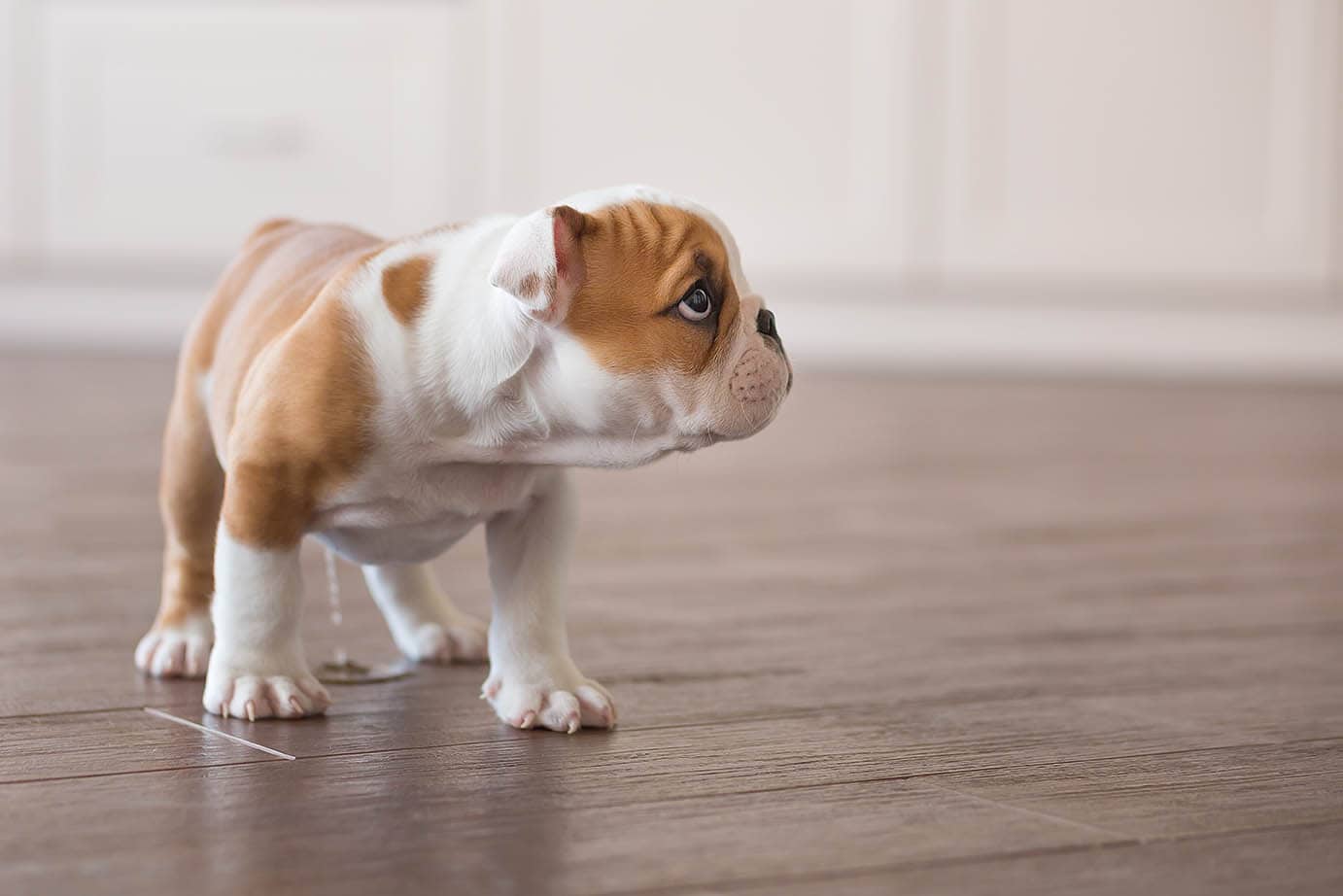
As your puppy’s owner, you’ll need to ensure that you’re using the best training methods. Positive and consistent housebreaking training will help your puppy learn to do their business outside. This also means you should develop a training schedule, which will help your puppy have a consistent and stable routine.
If your puppy has just had a nice long drink of water, you need to take them outside about half an hour later. Then, for the rest of the day, follow the dog’s age in the months-to-hours rule.
However, do not take your puppy out too frequently. If you take them outside every 10 to 15 minutes, they won’t be able to connect urinating with specific activities, especially if they don’t have the urge to go.
Extra Suggestions
We’ve already given a few suggestions in relation to certain behavioral issues, but we’ll go over some other tips as long as the urinating problem isn’t medical in nature.
Pee Spot
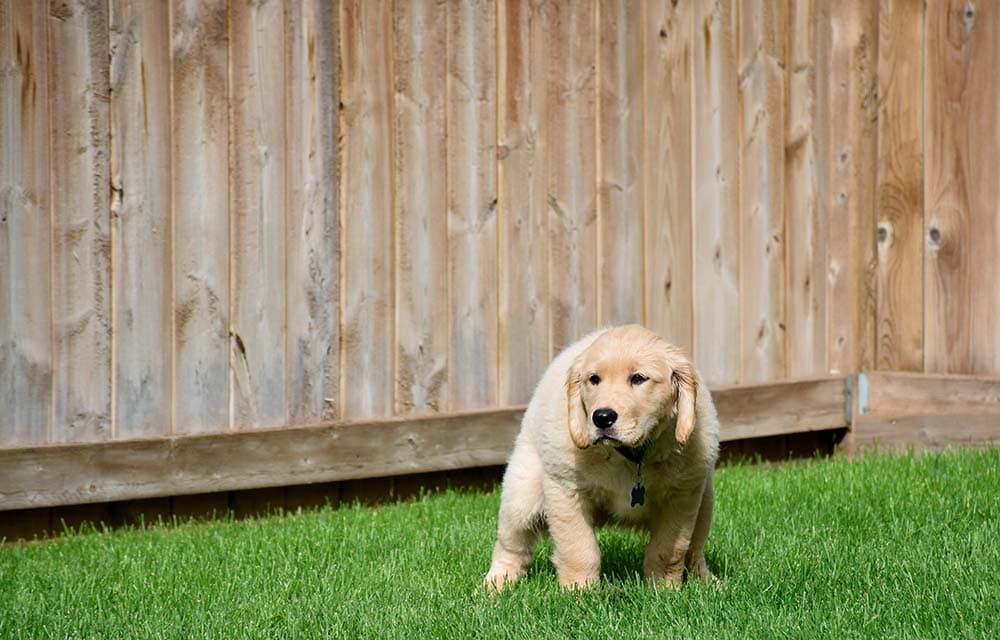
Other than using a regular schedule to get your puppy accustomed to peeing at designated times, you’ll want to provide a consistent area for your puppy to urinate in. Try to find a specific spot in your yard so your puppy will associate urinating with that part of your yard.
Sleep Cycle
Most puppies might be able to go as long as 7 hours before they need to pee, so you will need to organize your own sleep cycle to sync up with your puppy’s. If your puppy is still quite young, it will take some time for her bladder to develop the proper muscle control, so she might need to go out in the middle of the night.
Don’t make a fuss—just take her out, praise her when she urinates, and bring her back in so you can both go back to sleep. Most definitely do not engage in any kind of play with her.
Excited to See You
If your puppy tends to pee when you get home, or even first thing in the morning when you get up, try to get her outside as quickly as possible. You can try not to make a fuss over your puppy, essentially be as blasé as possible, and she’ll eventually not place quite as much importance upon your appearance.
Observe
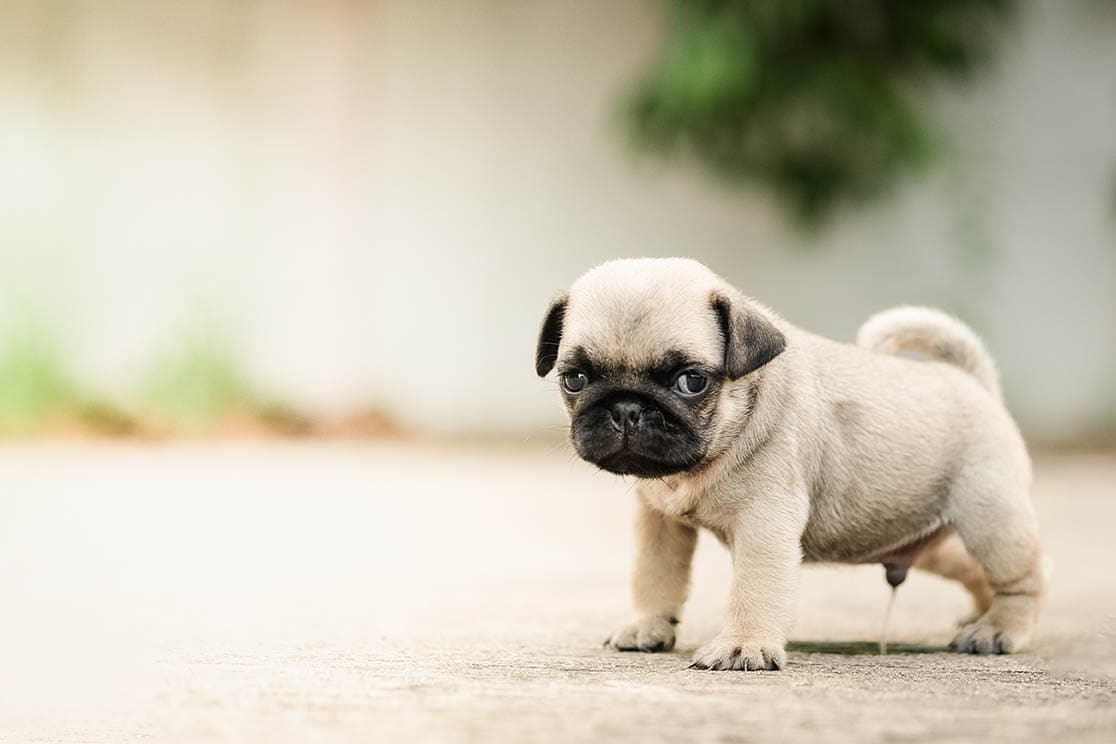
You should keep an eye on your puppy when you see her urinate. Was there anything leading up to the event that might have triggered it? If you can’t determine a specific pattern, it could be behavioral, and you’ll need to ramp up the training. Again, this is when your vet has confirmed that it is not a medical problem.
Other Options
Crate training is an excellent method that can aid in housebreaking. Puppies don’t like to urinate or defecate near where they sleep, so if you place your puppy in the crate when you aren’t able to directly supervise them, they’re much less likely to pee.
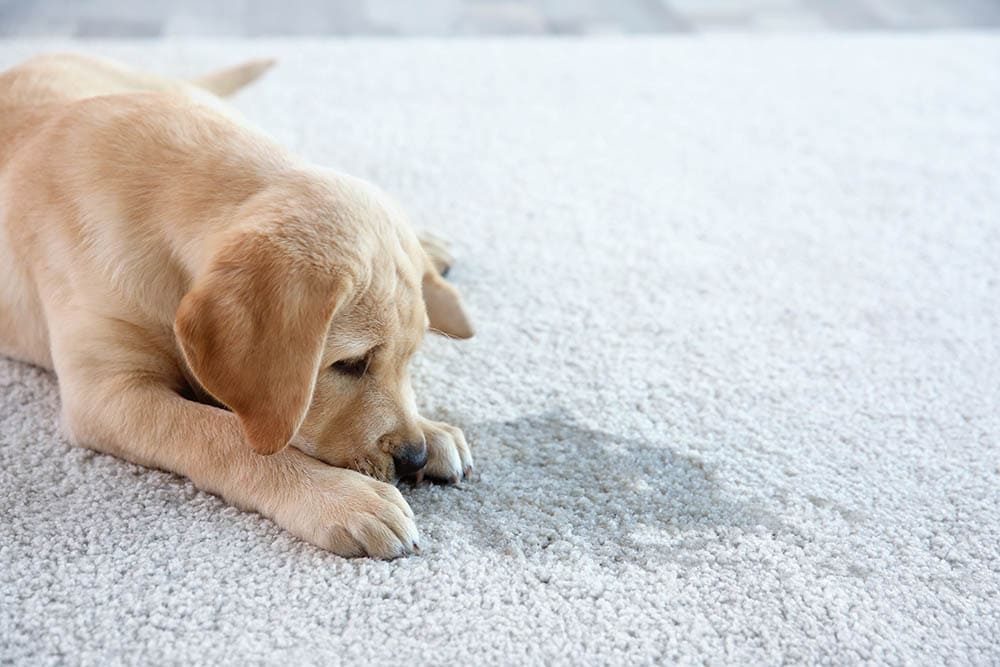
Be sure to use the right products to clean up the mess. Using a product like an enzyme cleaner can help reduce the scent of urine.
Lastly, if you take your puppy out and they pee the moment that you step inside, you might need to extend the length of time that you have them outside. This way, they might be able to wait, as they know that they’ll have more time to eliminate before heading back inside.
Conclusion
Stick with the training, create a schedule, and be sure to spend lots of quality time with your new puppy. Don’t forget that puppies absolutely do not pee out of some kind of spite, even if it feels that way. They are still learning how to be a dog!
So, hopefully, you’ve figured out the problem and the next step is to show your puppy lots of love and patience while you go through this rather challenging aspect of puppy ownership. It's lucky they are so cute!
See also:
Featured Image Credit: Happy monkey, Shutterstock
Get Hepper In Your Inbox


Pet care tips from our vets and experts, straight to your inbox.
You may opt-out at any time. View our Privacy Policy for more information.
Kathryn was a librarian in a previous lifetime and is currently a writer about all things animals. When she was a child, she hoped to work in zoos or with wildlife in some way, thanks to her strong love for animals. Unfortunately, she's not strong in the sciences, so she fills her days with researching and writing about all kinds of animals and spends time playing with her adorable but terribly mischievous tabby cat, Bella. Kathryn is hoping to add to her family in the near future – maybe another cat and a dog.
Join the conversation
Ask a question, share your story, or send private feedback.