Hepper is reader-supported. When you buy via links on our site, we may earn an affiliate commission at no cost to you. Learn more.
Exotic Shorthair Cat vs Persian Cat: Main Differences (With Pictures)
In this article
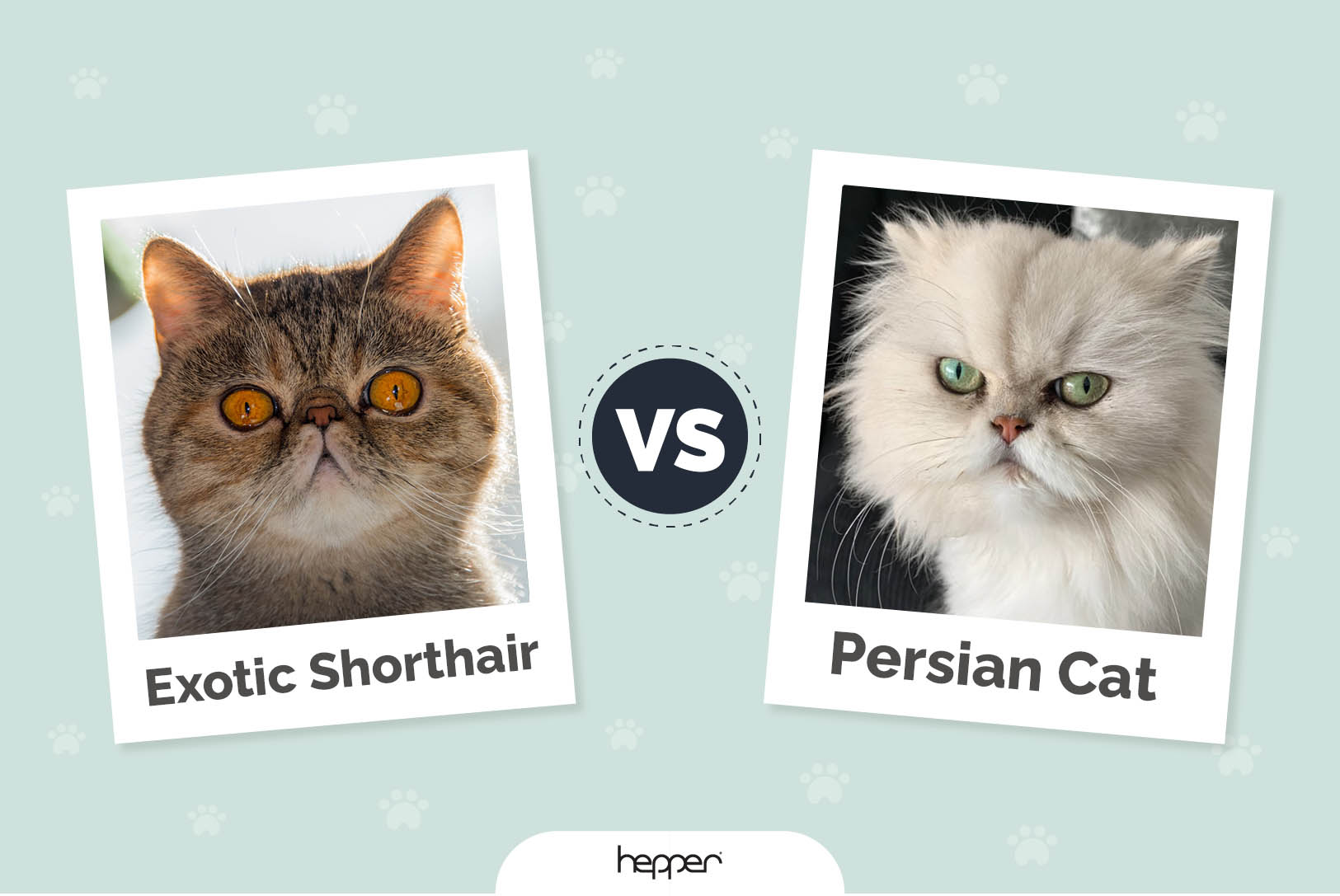
Cats are popular pets, but each breed has its own personality and quirks that may make one more suitable than another for your household. Both Persian and Exotic Shorthair cats are popular pets for their good looks and laid-back attitudes, but they differ in a few ways.
Grooming, health, and athleticism are different between the breeds, as well as the available colors, conformation, and coat lengths. The Exotic Shorthair came from crossbreeding Persian cats and American Shorthair cats, however, so it shares many traits with its Persian parent breed.
If you’re considering one of these Asian cat breeds, read on to learn the differences between them and decide which is the best choice for your personality and lifestyle.

Visual Differences

At a Glance
Exotic Shorthair Cat

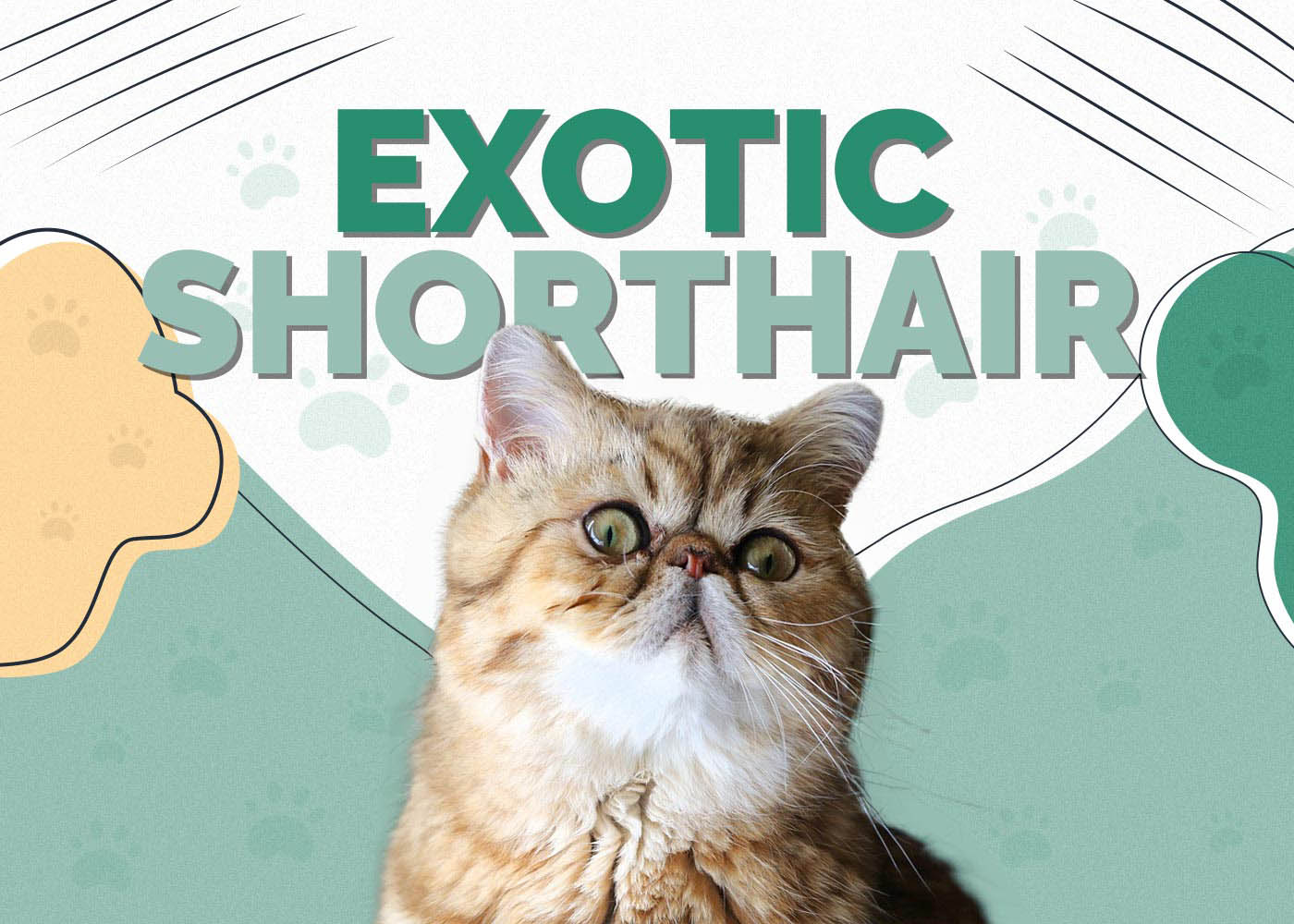
Exotic Shorthair cats were developed in the late 1950s from American Shorthair fanciers. These breeders mixed Persians with American Shorthair bloodlines to produce silver Persian colors, heavy bones, and other distinctive physical characteristics. In 1967, the breed was officially recognized by the Cat Fanciers’ Association and named the Exotic Shorthair cat.
Characteristics & Appearance
Exotic Shorthair cats are playful, affectionate, and generally laid-back cats. They can be somewhat lively and grow attached to their owners. Unlike some cat breeds, Exotic Shorthairs enjoy being cuddled and vocalize their affection readily.
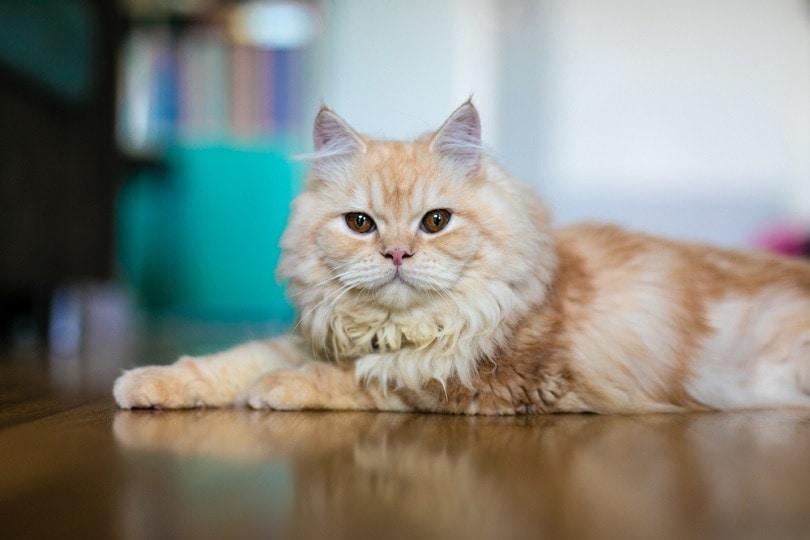
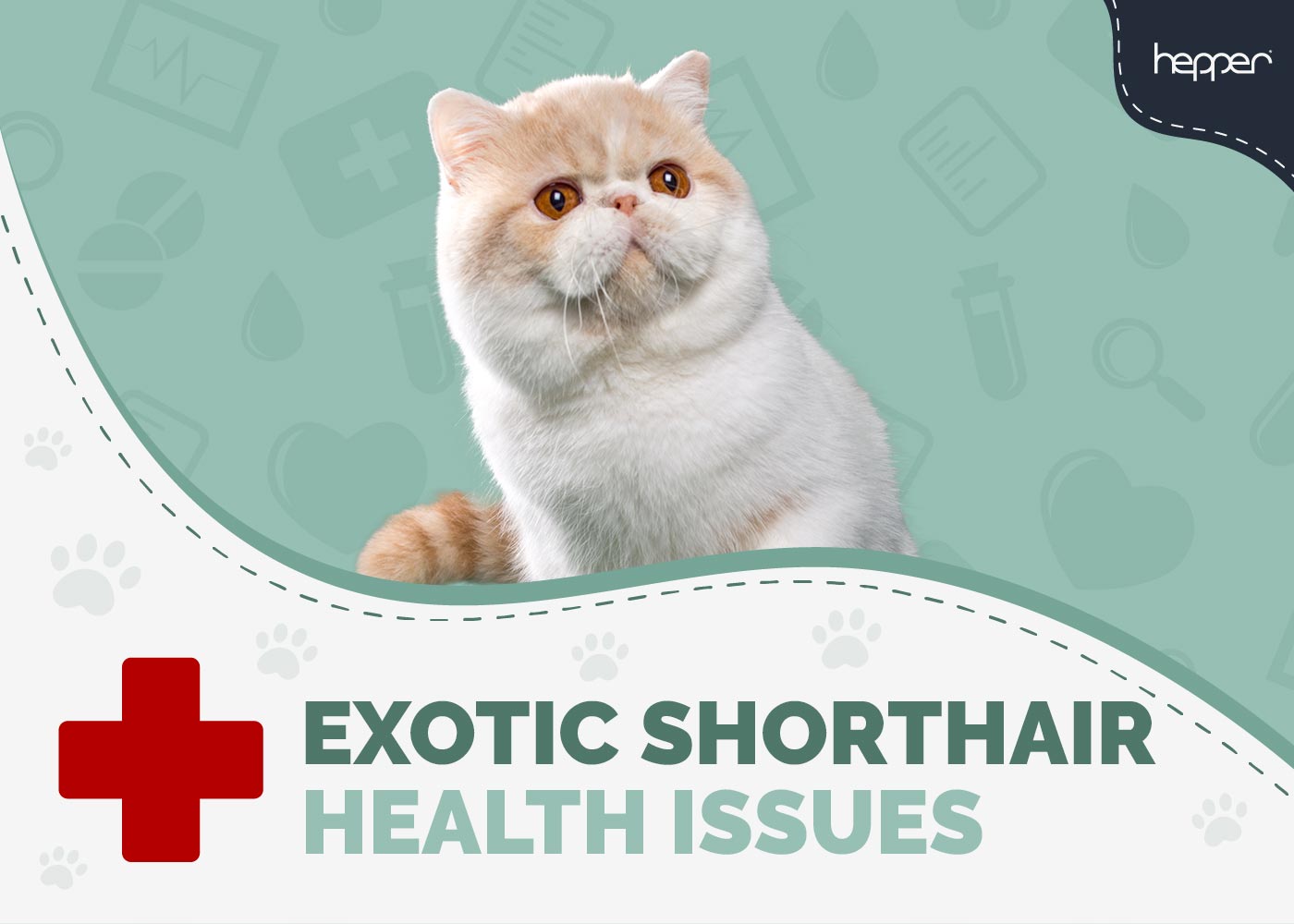
The ideal Exotic Shorthair is a heavy-boned, well-balanced cat with soft, round lines and large, round eyes on a round head. The overall look of this cat is soft, complemented by a thick, luxurious coat. Despite the name, the Exotic Shorthair may be of short- or long-haired varieties and has a thick undercoat. The ears are small and round-tipped.
Exotic Shorthairs come in a variety of colors and patterns, including black, white, cream, chocolate, lilac, silver, golden, tortoiseshell, seal, blue, tabby, calico, and a Siamese-point. Eyes range from blue or blue-green to copper or brown, depending on the genetics that influence the coat color.

Suitable for:
Exotic Shorthair cats are kept as family pets or as show or breeder cats. As a recognized breed by Cat Fanciers’ Association and other breeder associations, show-quality Exotic Shorthairs are popular for professional competitors. Their pleasant disposition also makes them popular as housecats, especially for families with children.
Persian Cat

Originating in Persia (present-day Iran) in the 1600s, Persian cats grew to popularity quickly for their affectionate personalities and luxurious look. The cats became popular during the Victorian Era as status pets but are now one of the most popular cat breeds in North America
Characteristics & Appearance
Persian cats are gentle, quiet cats that enjoy their owners. Unlike more athletic breeds, Persian cats may be interpreted as lazy cats and enjoy lounging around the house. Persians are not as vocal as some cats and may meow quietly.
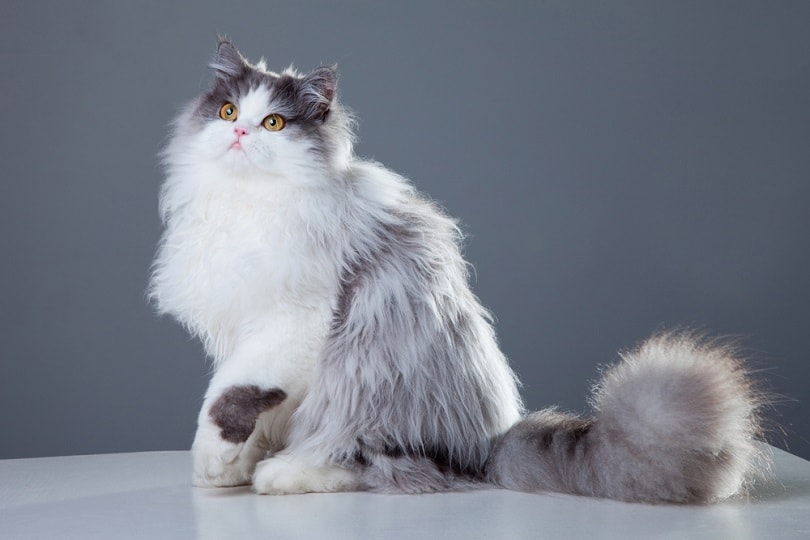
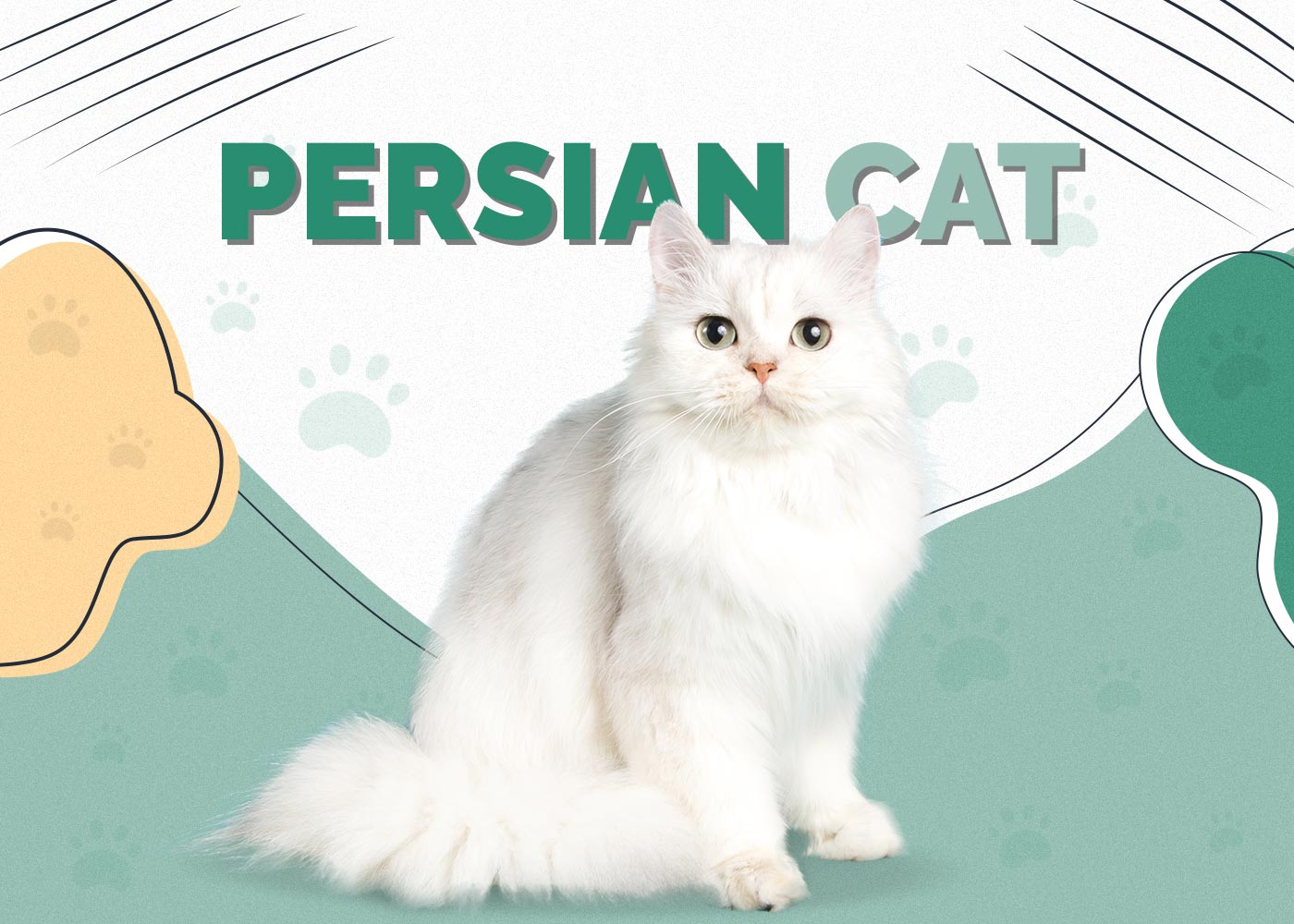
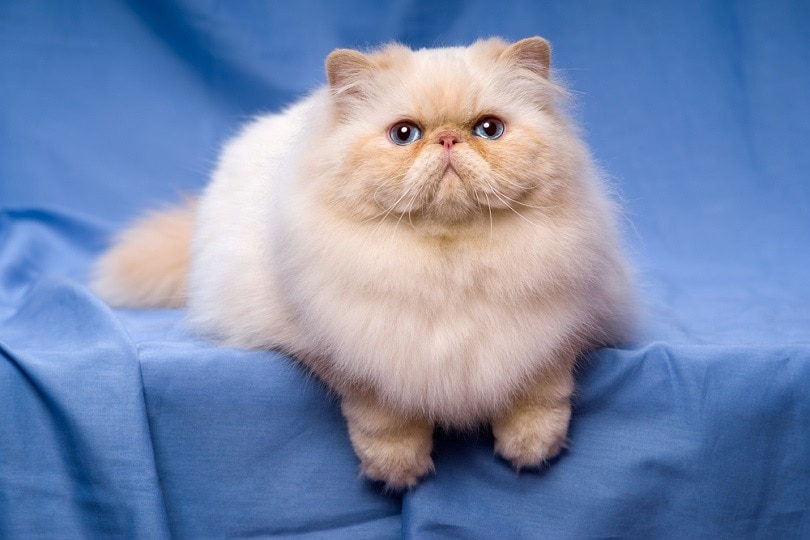
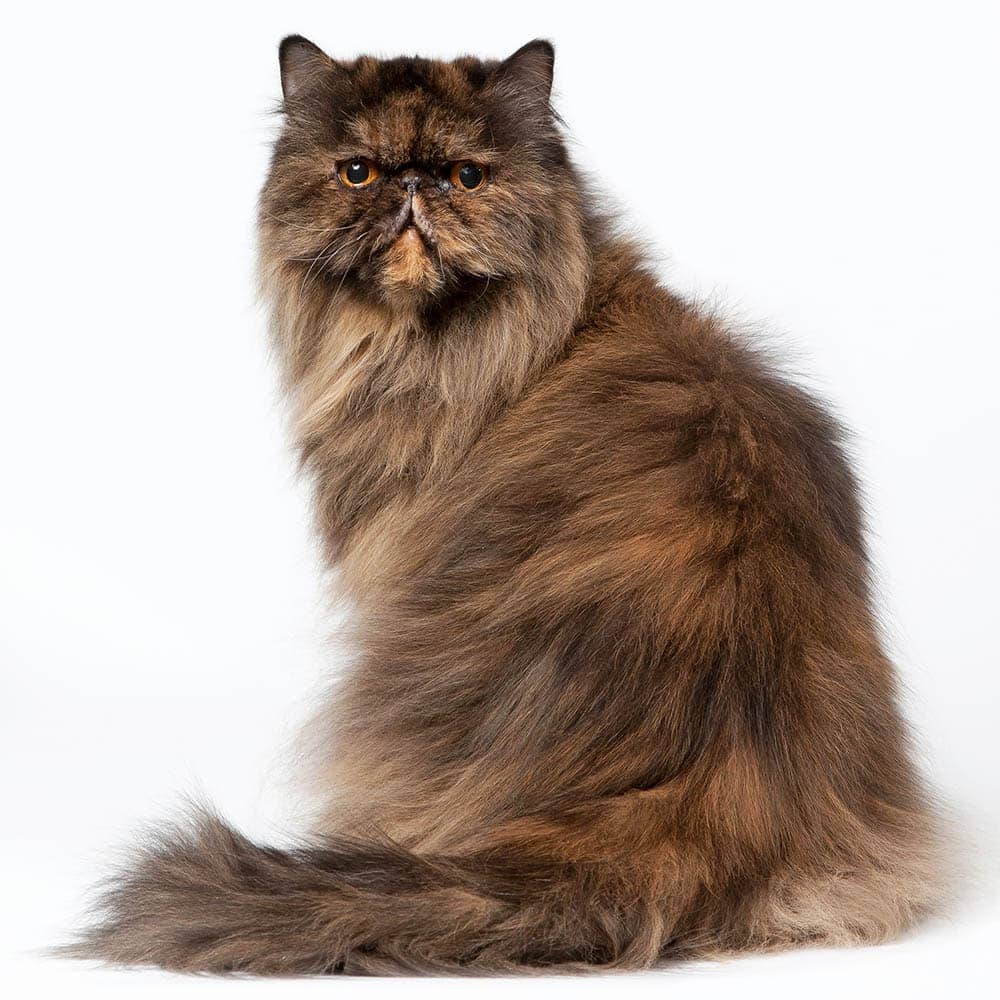
Persian cats come in two varieties: show and traditional. The show Persian is characterized by a round head with small ears, a flat nose, large, round eyes, and a broad, short body with heavy bones. They have thick, luxurious coats and tails with thick fluffs of hair around the ears and face, which lends to their popularity.
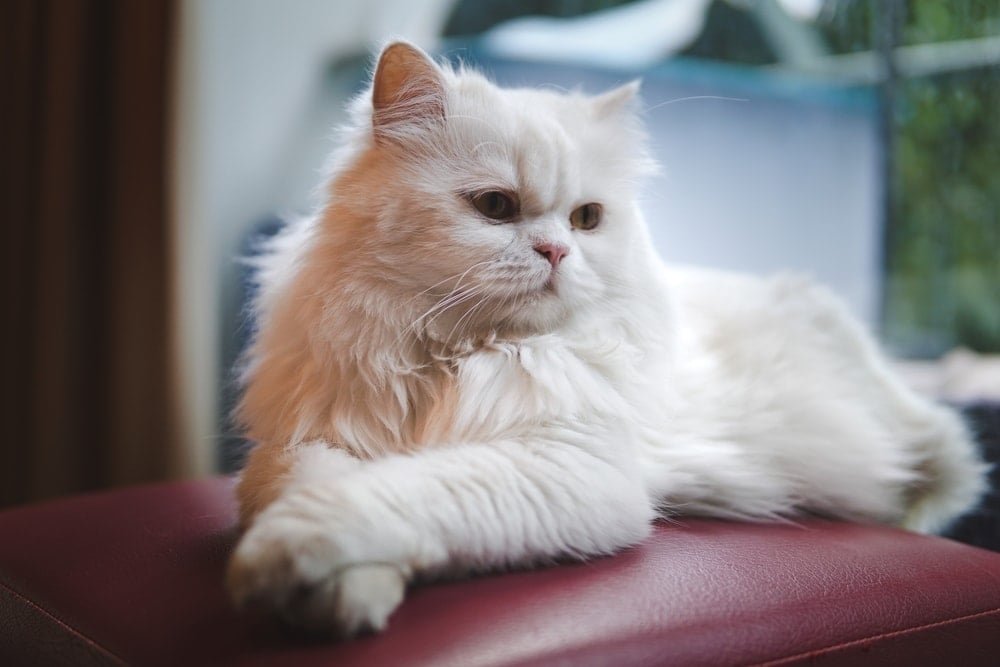
The traditional Persian, or Doll Face, differs from the show variety in that it has softer features, a conventional nose, and a softer overall look. Like the show variety, the traditional Persian has a long, glamorous coat with thick tufts of hair.
Persian cats come in silver, blue silver, brown, red, blue, cream, cream cameo, and cameo as recognized show colors. Some breeders also produce patched tabby patterns with characteristic cream, red, or cameo. Most Persian cats have bright copper eyes, though silver Persians may have hazel or green eyes.
Suitable for:
Persian cats are kept as family pets or for show and breeding purposes. As a traditional Asian breed that’s been officially recognized for centuries, the Persian has strict breed standards and recognized colors for show-quality cats. They’re also popular as family pets and develop a strong affection for family members, but prefer quiet and serene environments.
What Are the Differences Between the Exotic Shorthair & the Persian?
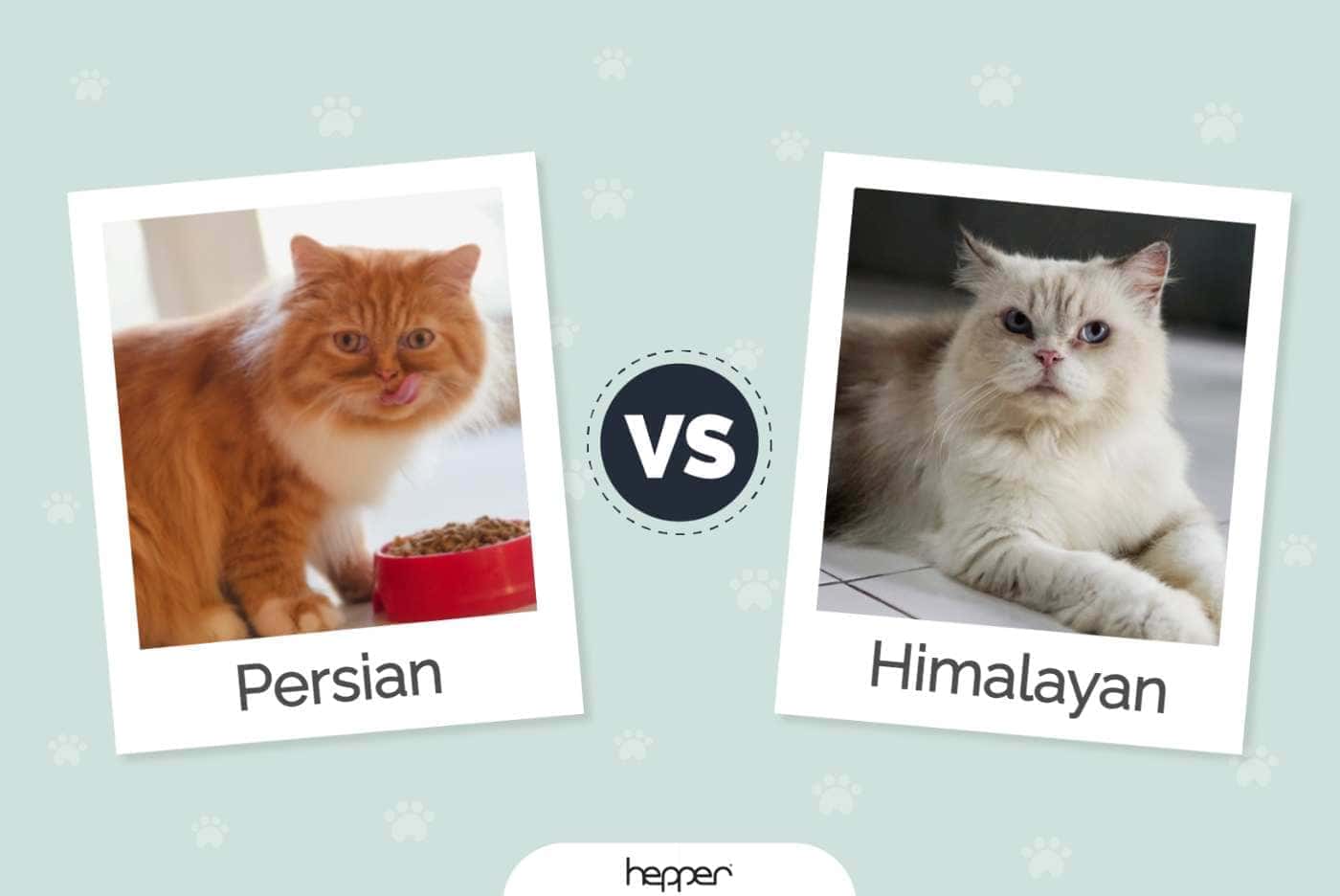
One of the most obvious differences between the Exotic Shorthair and the Persian is the coat. Exotic Shorthairs have shorter coats than Persians, even in long hair varieties. Exotic Shorthairs are also livelier than Persian cats, which they get from the American Shorthair breeding.
They’re equally affectionate cats and both enjoy spending time with their owners. The Persian enjoys lounging in high places like countertops and bookshelves and proves the better climber. This may be a result of the heavy bones of the Exotic Shorthair that impacts litheness. Both the American and British Shorthair varieties share this trait and prefer to lounge closer to the ground.
Both can be vocal, so it depends on the individual cat’s personality. They share the same gentle nature and laid-back temperament.
As far as health problems, the Exotic Shorthair was bred to be a brachycephalic breed, much like the Pug, French Bulldog, English Bulldog, and Boston Terrier. These breeds have short muzzles and noses, which impact their throat and breathing passages. Persians also have brachycephalic traits, though they’re less pronounced than the Exotic Shorthair.
Both breeds may be prone to conditions like progressive retinal atrophy and polycystic kidney disease, as well as respiratory problems from conformation.

Which Breed Is Right For You?
As a crossbreed, the Exotic Shorthair shares many traits with the Persian cat. They both offer excellent temperaments and beauty, as well as incredible color variations with stunning eyes. Aside from the small differences, the biggest consideration in choosing the right breed is grooming—the Exotic Shorthair has a lower-maintenance, shorter coat. Persians are known for being challenging to groom, due to their long and luxurious coat.
Some breeders attempt to get more brachycephalic traits because they’re “cute,” but contribute to health problems. Be sure to choose a cat with a less pronounced button nosed appearance produced by a reputable breeder for long-term health and longevity.
Featured Image Credit: (L) Dan Wayman, Unsplash | (R) Tracy Mitchell, Unsplash
Get Hepper In Your Inbox


Pet care tips from our vets and experts, straight to your inbox.
You may opt-out at any time. View our Privacy Policy for more information.

Nicole is a lover of animals of all sizes but is especially fascinated with the feline variety. She’s the proud mom of Baby, a Burmese, and works every day so he can relax in the sunshine or by the fire. She’s always had a cat in her home and has spent countless days with others, observing behaviors and softening up even the grouchiest of the lot. Nicole wants to share her kitty expertise with you so you and your cat can live happy, healthy, and care-free.
Join the conversation
Ask a question, share your story, or send private feedback.