Hepper is reader-supported. When you buy via links on our site, we may earn an affiliate commission at no cost to you. Learn more.
Exotic Shorthair Cat Breed: Info, Pictures, Care, Traits & Facts
In this article
The Exotic Shorthair is a somewhat newer breed of cat. They were bred in the late 1950s to be a short-haired version of the Persian. This breed was accomplished by introducing American Shorthair genetics into the Persian bloodline.
Originally, these cats were considered to be mixed breeds. However, the Cat Fanciers’ Association (CFA) then began recognizing the Exotic Shorthair as its own breed in 1966. Today, these cats are bred by mating two Exotic Shorthair cats. “Outcrossing,” or breeding the cat back into foundation stock, is no longer allowed under CFA guidelines.
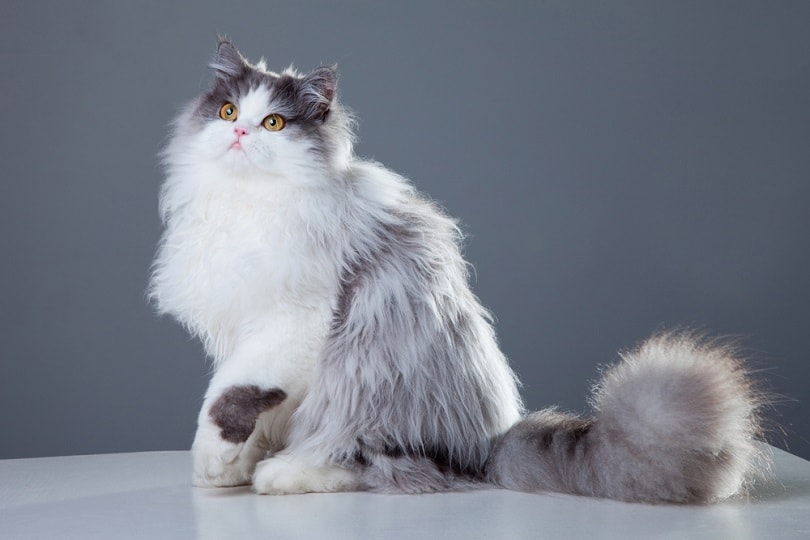
While these cats are usually shorthaired, they can be long-haired as well. The long-haired gene is recessive, so it can be carried through the generations before randomly showing up in a kitten. These long-haired kittens are not considered Persians or Exotic Shorthairs. Sometimes, they can be registered as Exotic Longhair cats.
Exotic Shorthair Characteristics

Exotic Shorthair Kittens
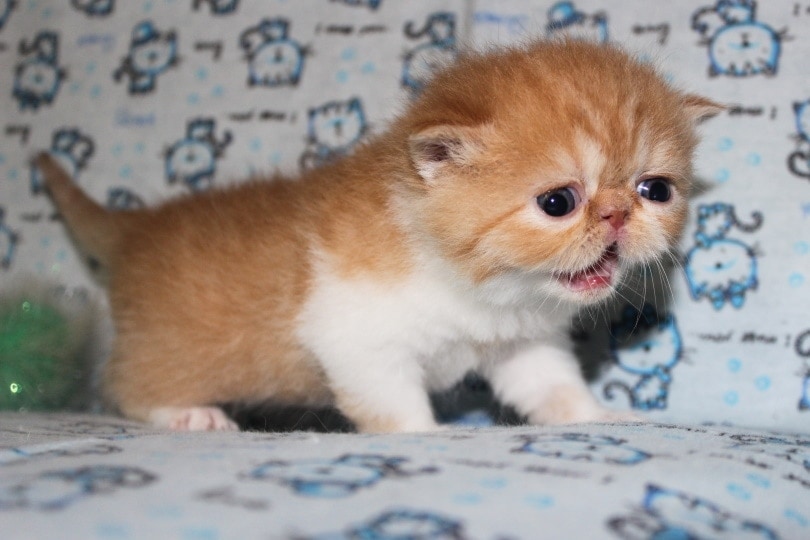
The average Exotic Shorthaired kitten can be a bit pricey. The price depends on the coloration of the cat because some color mutations are rarer than others. The place that you purchase them from also plays a role in the price of an exotic shorthair kitten. Breeders will typically sell their kittens for a lot more in comparison to pet stores.
Adopting an Exotic Shorthair from a shelter is also a great option. You'll save lots of money and you can offer a loving home to a kitty. There are plenty of cats looking for homes, so think about visiting a few local shelters until you fall in love with the right kitty.

Appearance
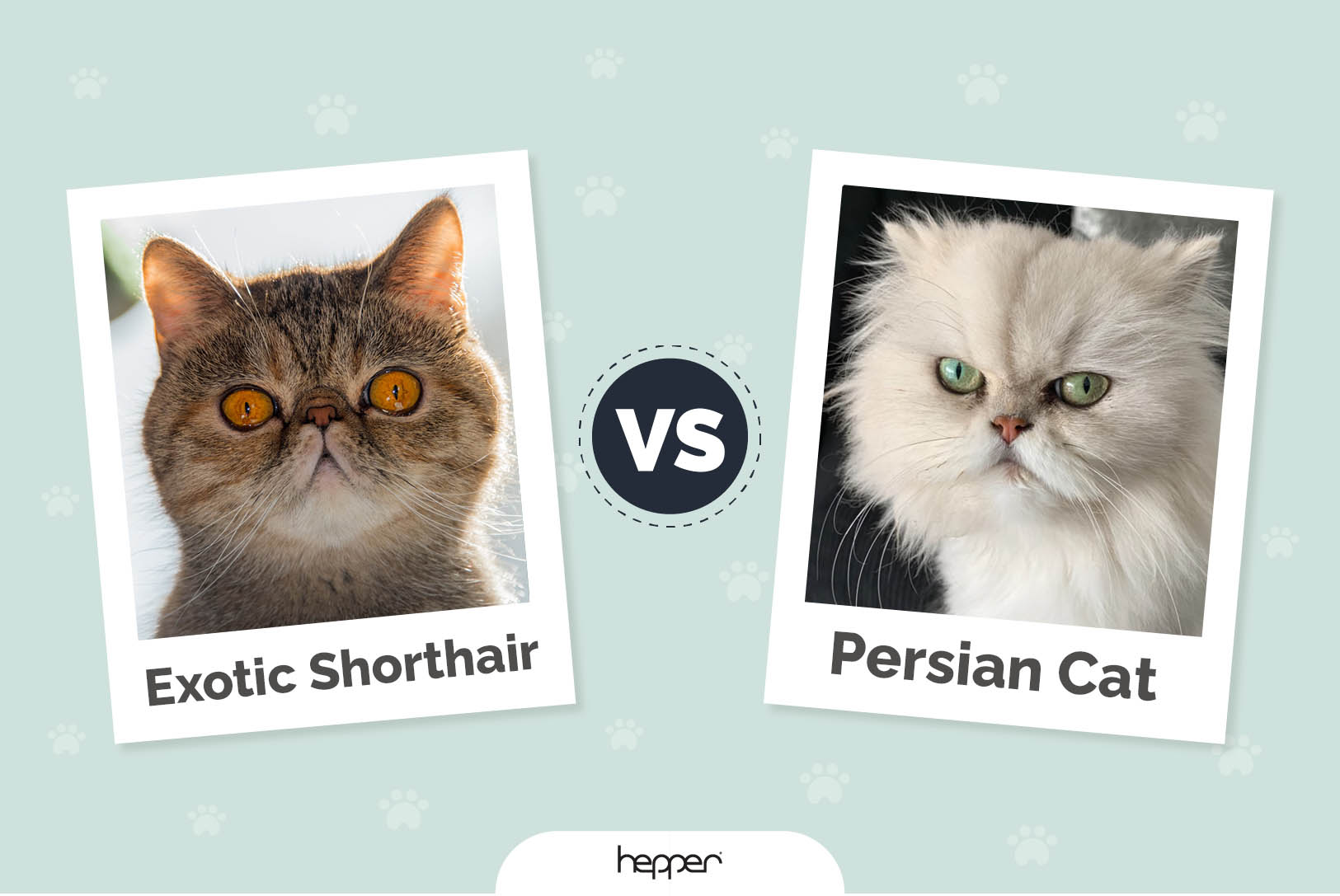
In general, these cats look exactly like Persians—except they have a much smaller coat. Their head is quite large and rounded. They are often considered very broad. In other words, they are usually the opposite of sleek cats like the Sphinx.
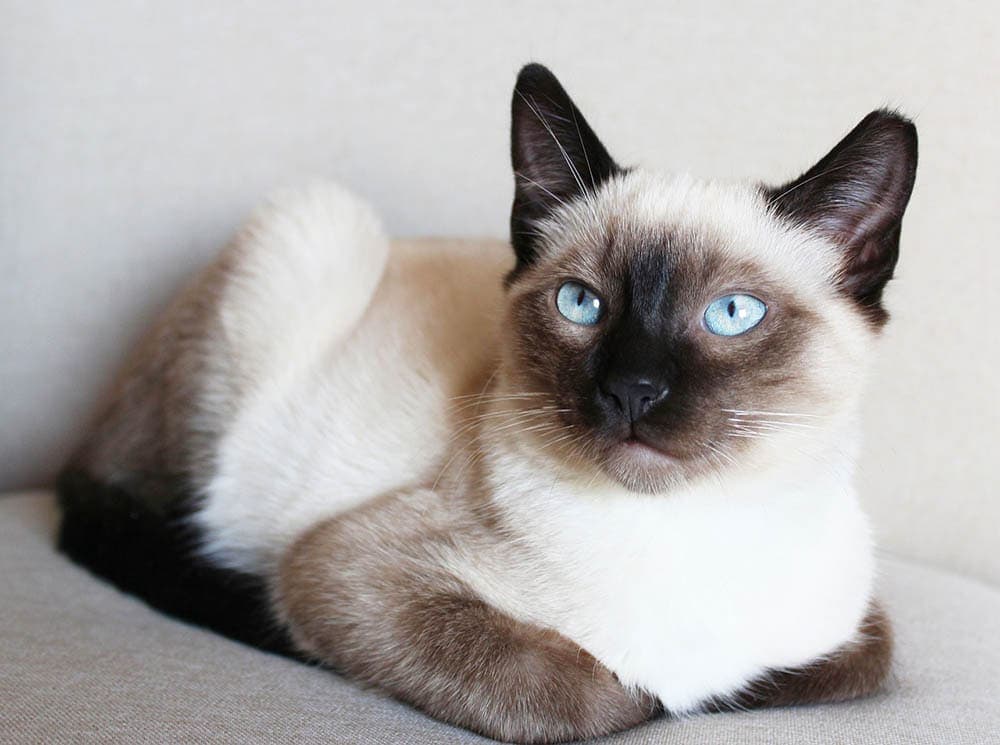
Their ears are small, especially when compared to their giant heads. They have rounded ear-tips, and the base of their ears tends to be very small. Their eyes are extremely large and round. They are often akin to an owl in this way. Gold and copper eyes are the most common colors and fitting for most coat colors. In chinchilla and golden coats, green eyes are accepted. Blue is only allowed in white and colorpoint coats.
Their neck is short and thick. In many cases, they don’t really look like they have much of a neck at all.
Overall, their bodies are extremely broad and sturdy. They were obviously bred to have some heft behind them. Their bones are rather large, and they are often very muscled. This high level of muscle is partially due to their active nature and partially because of genetics.
Their coat is where this breed often really shines. They are shorthaired, but their fur is generally slightly longer than your average shorthaired breed. It is very dense and fluffy. All Persian colors are recognized, which means that they come in many different patterns and colors.
Temperament & Intelligence of the Exotic Shorthaired Cat

Are These Cats Good for Families?
The exotic shorthair cat makes an excellent family-oriented pet. They are good with children and their calm nature enables them to fit into a variety of different quiet households. This cat enjoys cuddles from all family members, and they are tolerant of pets and regular human interaction. On some occasions, the exotic shorthair cat will willingly sit on your lap while you watch a movie or read a book. This cat breed is better suited to families that are not busy and overrun with boisterous pets. They enjoy their peace and require a calm environment.
Does This Breed Get Along with Other Pets?
This cat breed can get along with other docile pets that will not bother them. This can include senior dogs, rodents, and parrots that are in a protected cage. Even though the exotic shorthair cat is not much of a hunter, it is essential to ensure your rodents or birds are protected and in a separate room from the cat.
Exotic shorthair cats will quickly get irritated if there is a bothersome puppy or dog in the household. This cat enjoys relaxing and does not appreciate a dog who keeps chasing or barking at them.
Things to Know When Owning an Exotic Shorthaired Cat
Food & Diet Requirements
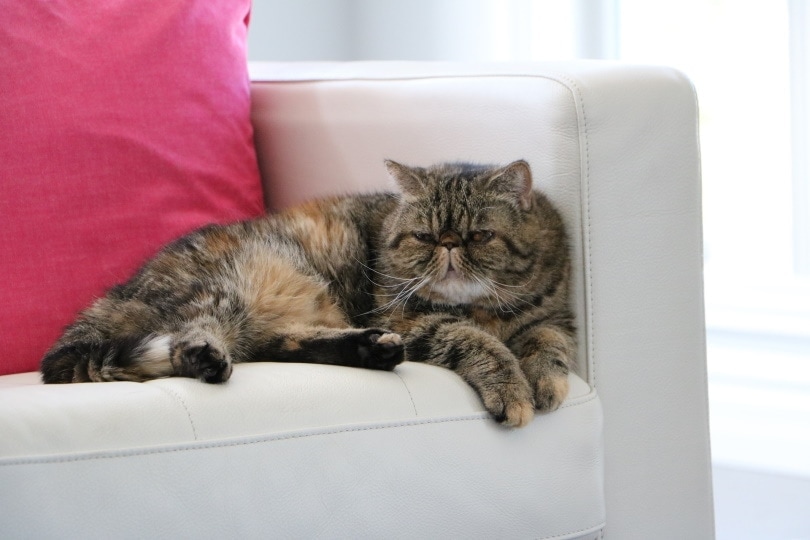
Exotic shorthairs require the standard dietary needs like most domesticated cat breeds. However, their facial features make it difficult for them to eat the same texture and sized foods as other cats. The food should be easy for them to chew and swallow.
Wet kibble is preferred over dry kibble because it is easier for them to eat.
Exercise
This cat breed does not require much exercise. Instead, they are better suited to laying around the house rather than running around and playing with toys. Short exercise sessions are recommended to maintain their health. This can include encouraging them to play with safe cat toys and walk around the garden. Due to the exotic shorthairs’ facial features and increased risk of dental issues, the toys should be soft and safe for brachycephalic cat breeds to minimize the risk of injury.
Training
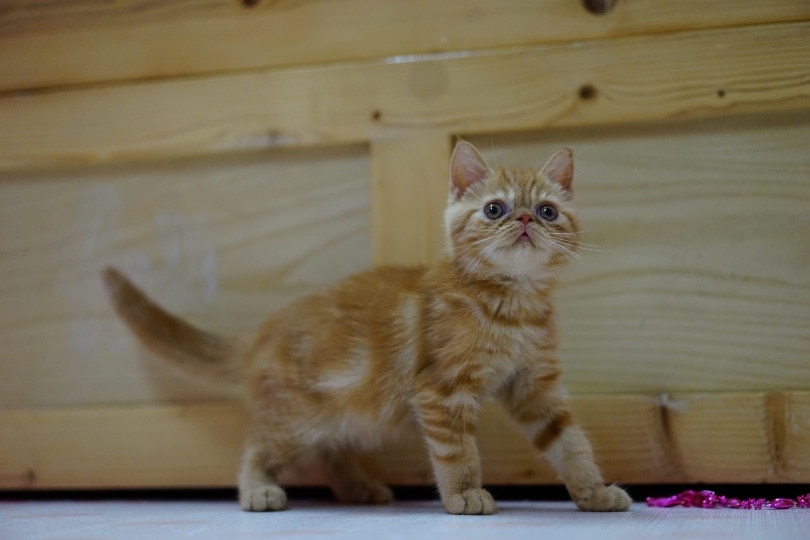
Like most cats, the exotic shorthair can be taught how to use the litter box and taught minor tricks like sit or lie down. In comparison, cats are more difficult to train than dogs, but it is possible with patience and dedication.
Grooming
Unlike their Persian ancestor, the exotic shorthair has shorter fur that is easier to manage. Regular brushing is required at least two times a week if you want to reduce the amount of hair loss around the house. This cat breed does not need to be bathed often, as they clean themselves. Exotic shorthairs shed often and in large amounts, so they are not ideal for families who have allergy problems to pet fur.
Health and Conditions
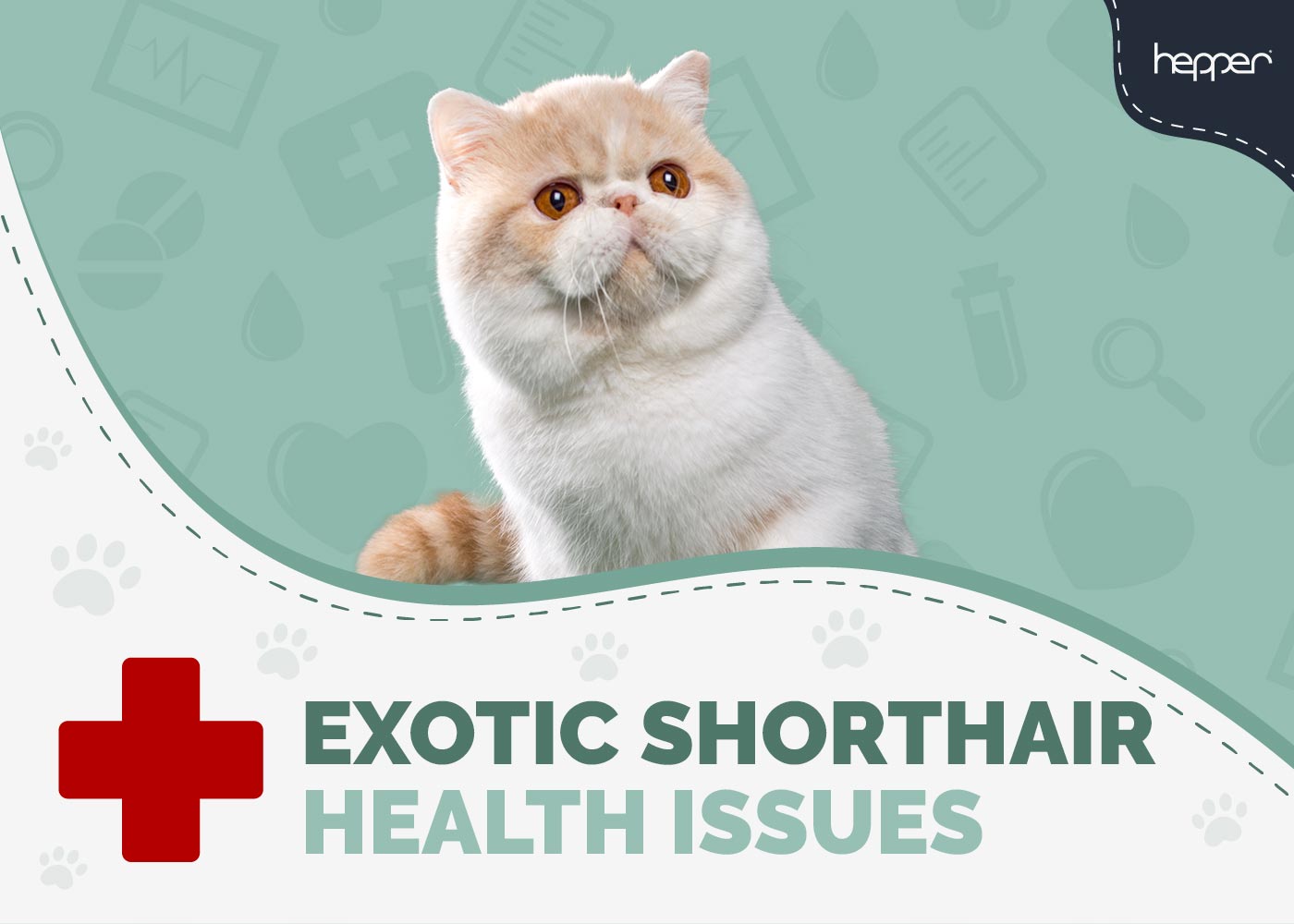
Due to the exotic shorthair being a brachycephalic cat breed, they are prone to health issues relating to their flattened face and upturned nose. These conditions are typically minor and unavoidable in this cat breed.
Male vs Female
There is not much of a difference between a male and female exotic shorthair cat, and they are equally as intelligent and loving. However, it is believed that males have a reputation for being exceptionally sweet and affectionate, whereas females are more independent. Both genders have similar characteristics and they both are loyal to their family but can be cautious towards strangers who enter the home.
3 Little-Known Facts About the Exotic Shorthair
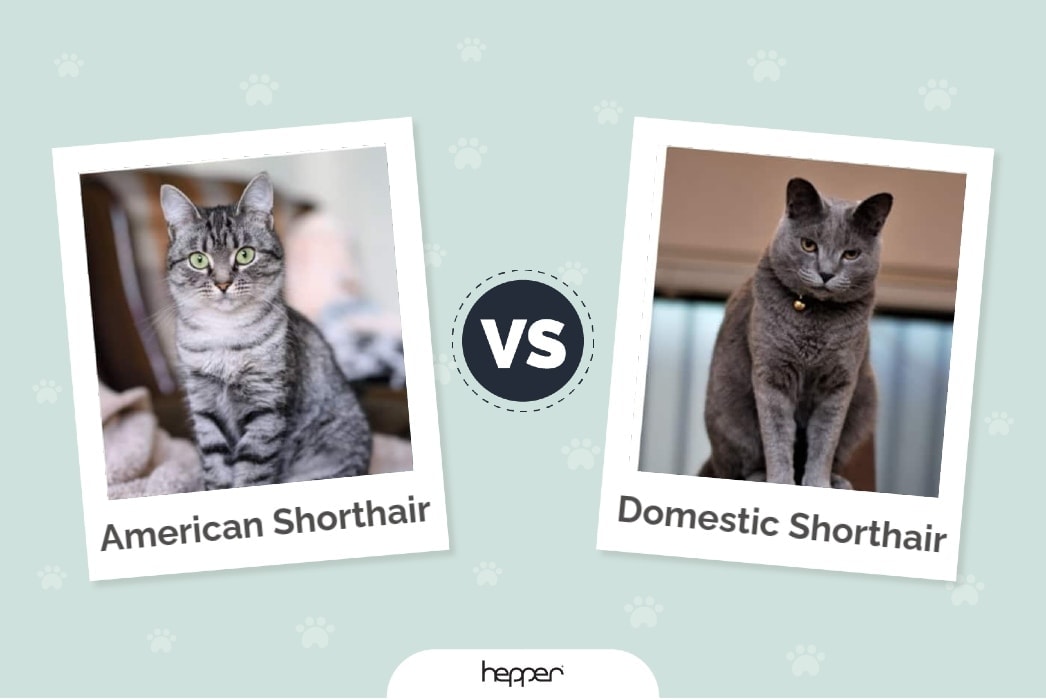
1. They are not a variant of the American Shorthair.
These cats are sometimes roped in as a variant of the American Shorthair. This was likely a holdover from the 1950s when they were considered to be the same breed. However, Exotic Shorthairs have been considered their own breed since 1967—nearly 50 years.
2. They aren’t always shorthaired.
While the word “shorthair” is in the name, these cats aren’t always shorthaired. Because they have Persians in their bloodline, some cats may carry the recessive long-haired trait. When two of these cats breed, about one-quarter of the litter ends up being long-haired. However, these cats are not considered to be Exotic Shorthairs and cannot be registered as such.
3. Exotic Shorthairs are prone to separation anxiety.
These cats are known for being very curious and playful. They are also extremely friendly and tend to be a bit more affectionate than most other breeds. Due to their highly devoted nature, they can also be prone to separation anxiety. Most of them do not like being left alone. They are not suitable for extremely busy families, therefore.
Final Thoughts
Many people are a bit confused about where exactly this cat falls. It was once simply considered a variant of the American Shorthair. However, after diverging so much from the original American Shorthair line, the breed was no longer counted as such and was disallowed from the show ring.
Luckily, the breed was quickly recognized as a breed in its own right under the name Exotic Shorthair. Today, they are considered purebred cats. While the breed was originally created as a mixed breed, it is no longer considered as such.
Related Reads:
Featured Image Credit: Wutlufaipy, Shutterstock
Get Hepper In Your Inbox


Pet care tips from our vets and experts, straight to your inbox.
You may opt-out at any time. View our Privacy Policy for more information.

Kristin is passionate about helping pet parents create a fulfilling life with their pets by informing them on the latest scientific research and helping them choose the best products for their pets. She currently resides in Tennessee with four dogs, three cats, two fish, and a lizard, though she has dreams of owning chickens one-day!
Join the conversation
Ask a question, share your story, or send private feedback.