Hepper is reader-supported. When you buy via links on our site, we may earn an affiliate commission at no cost to you. Learn more.
Ferret vs Cat: The Main Differences (With Pictures)

In this article
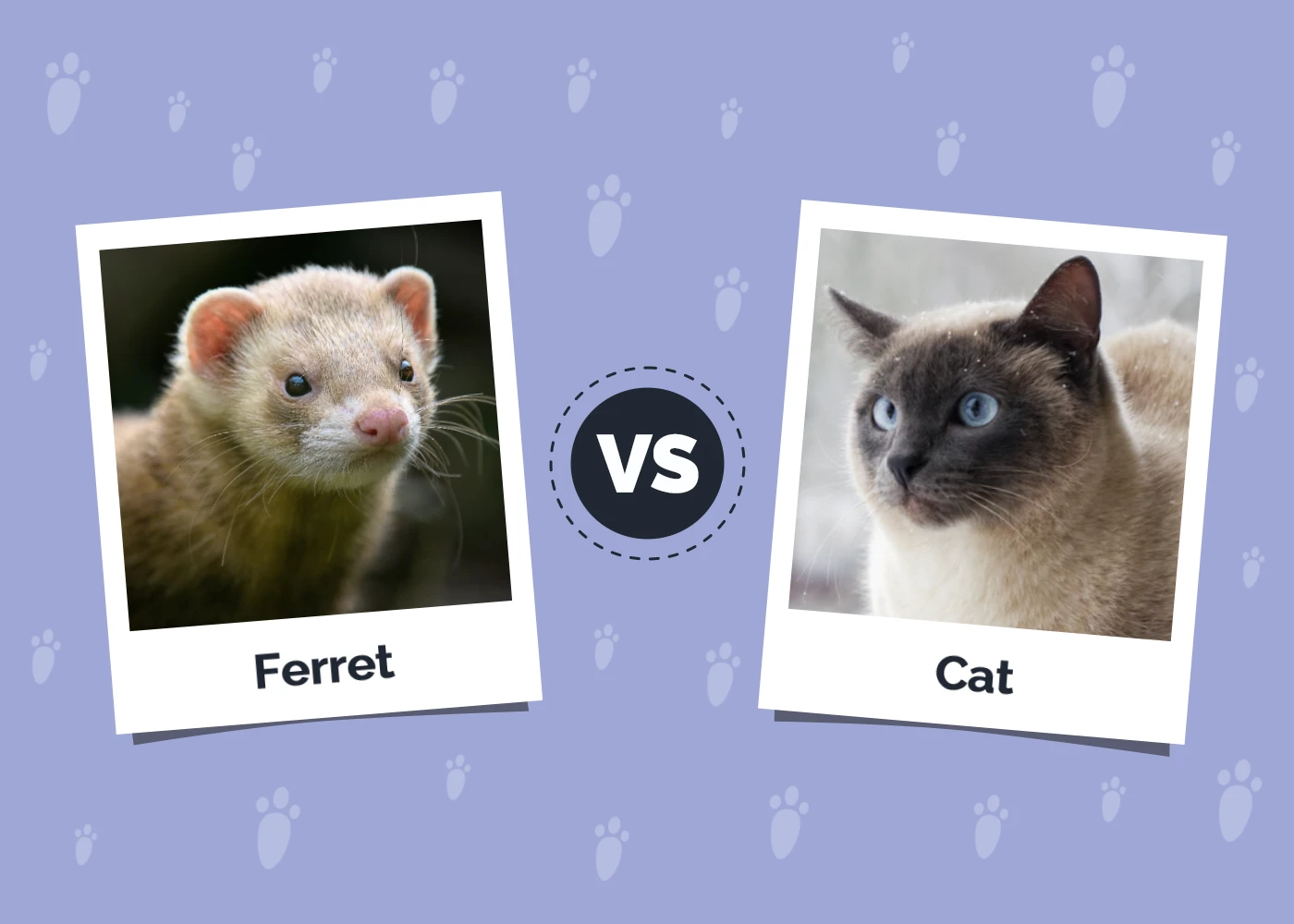
Cats and ferrets are hugely popular pets in the United States, and this popularity seems to keep increasing, especially after the COVID-19 pandemic. Both animals are also excellent hunters and will work tirelessly to ensure that your home is free from rodents. However, it can be difficult to choose between them if you can only have one. If this sounds like your situation, keep reading as we compare these pets’ attributes, including size, diet, grooming needs, and health issues, to help you determine which would make a better fit for your home.

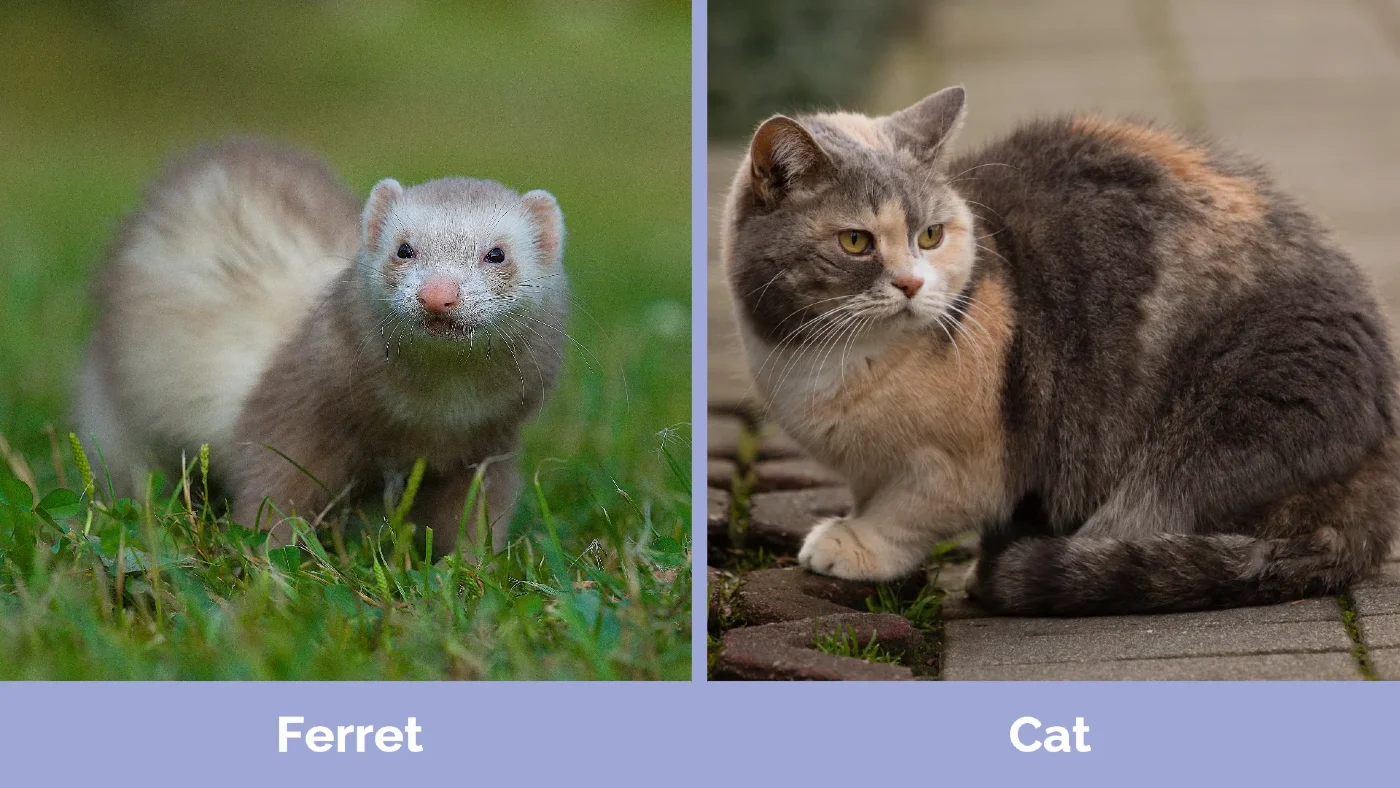
Visual Differences
At a Glance

Ferret Overview

History
Ferrets are domesticated animals, though their exact origins are not entirely clear. However, there is evidence that they have been around humans for more than 2,500 years. Breeders originally used them for hunting rabbits and rodents because their small size enabled them to go down into the ground and scare the animals out to the waiting hunters. Domestication likely occurred in ancient times, possibly by the Egyptians or Greeks, who probably used the European Polecat.
Appearance
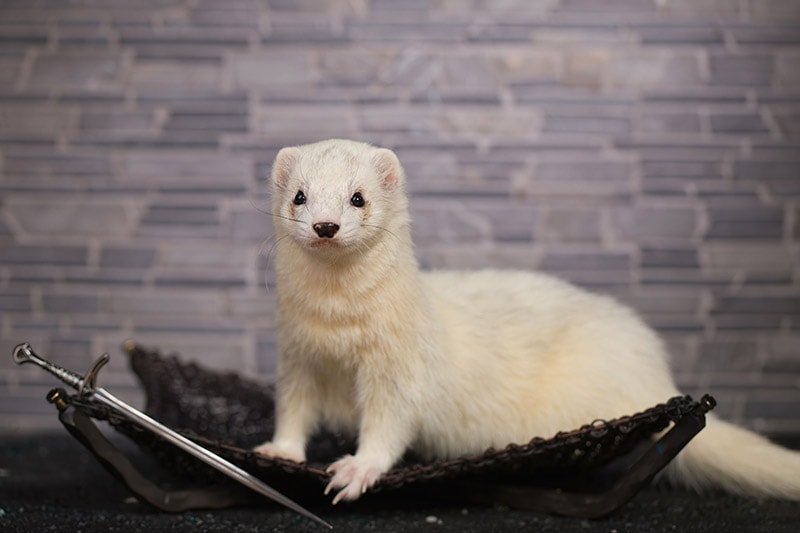
Ferrets have long, slender bodies with short legs. They are built for agility and have a flexible spine that enables them to navigate tight spaces. Their fur can come in various colors and patterns, including sable, albino, cinnamon, and silver, and it’s soft to the touch. They have a pointed snout, a small pink nose, dark eyes, and small, rounded ears that stand erect on their heads. Their bushy tail helps them balance, and they have sharp, retractable claws for climbing and digging. They also have scent glands that produce a musky odor.
Health & Care
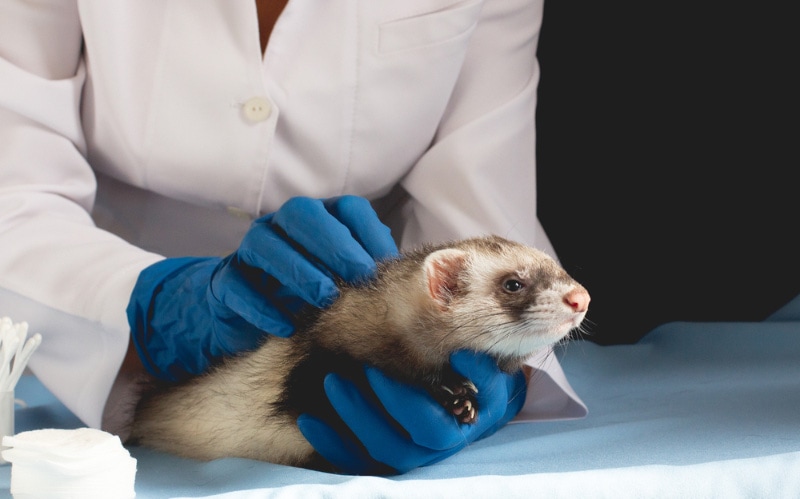
Ferrets need regular vet visits and vaccinations that include rabies and distemper. They will also need flea-and-tick preventatives, and most experts recommend having them spayed or neutered to prevent unwanted litters and health issues that can occur later in life. Other health issues that Ferrets can face include adrenal disease, dental issues, upper respiratory infections, ear infections, skin issues, heat stress, and lymphoma.
Habitat
Ferrets should have a spacious cage with room to move around, play, sleep, and eat. A multi-level cage with ramps and platforms is ideal for ferrets, as it maximizes their living space and enables them to stay active. The cage should have horizontal bars to allow for climbing, and the spacing between bars should be narrow enough to prevent escape. Ferrets often enjoy sleeping in hammocks, tunnels, or cozy bedding and will need a litterbox.
Suitable For:
Ferrets are best suited for individuals or families with experience with small pet care and time to spend helping them get the activity that they need. They may not be suitable for households with very young children or aggressive, predatory pets like large dogs or cats with a strong prey drive. They also need owners who can tolerate their natural odor.
Cat Overview
History
The domestic cat has a long and complex history of domestication that spans thousands of years. It likely began more than 9,000 years ago in the Near East, in what is now Cyprus. Most experts believe that cats were attracted to human settlements due to the presence of rodents, which came for the stored grains. Cats gradually spread to other parts of the world through trade and exploration and have become one of the most popular and beloved pets worldwide.
Appearance
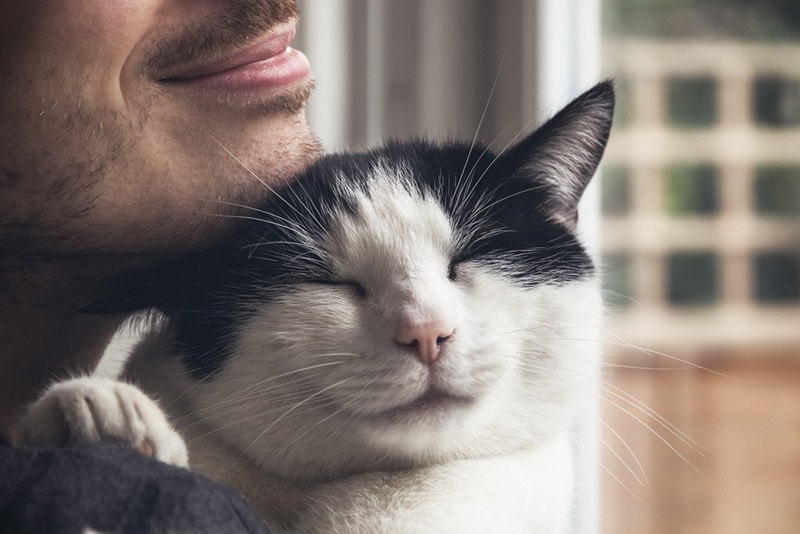
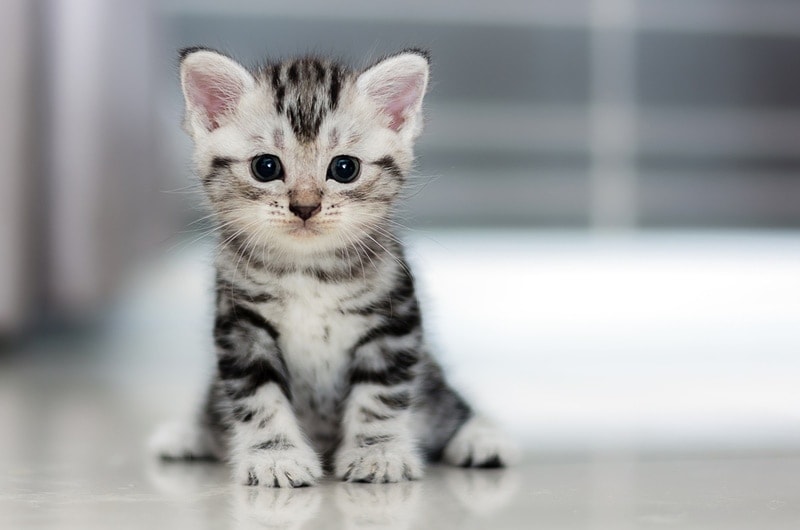
Domestic cats vary in size, but most are small to medium-sized animals weighing 5–20 pounds. They have compact, muscular bodies with retractable claws and relatively small, triangular-shaped heads with two erect, pointed ears on top. Their eyes are typically oval-shaped and come in various colors, including green, blue, yellow, and brown. Common coat colors include black, white, gray, brown, and orange, and patterns can include tabby stripes, solid, and bi-color, with coat lengths ranging from hairless to long, depending on the breed.
Health & Care
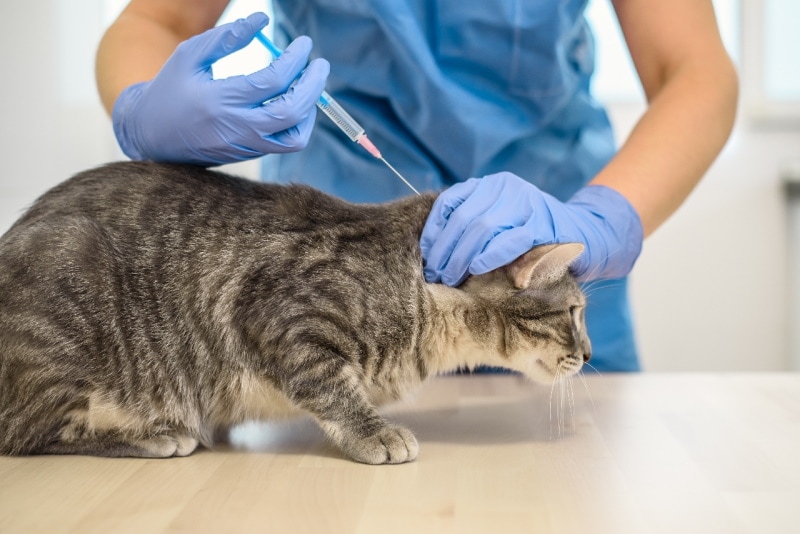
Like ferrets, cats need regular vet visits and vaccinations to stay healthy. They will also need medications to prevent fleas and ticks, which can transmit disease, and you should spay or neuter them to prevent unwanted litters and health problems. Other health issues common to cats include urinary tract infections, dental issues, obesity, diabetes, kidney disease, and cancer.
Habitat
Most cats worldwide are domesticated pets living in people’s homes. They should have a warm and safe environment with access to food, water, shelter, and human companionship. They don’t need any special enclosures or environmental modifications but enjoy perches where they can look over their territory and sheltered places to retreat when needed.
Suitable For:
Cats are perfect pets for almost any family. They are easy to maintain and get along well with children and even other pets with proper socialization and introductions.
Which Pet Is Right for You?
Deciding between adopting a ferret or a cat as a pet depends on your lifestyle, preferences, and the commitment that you’re willing and able to make. Ferrets are known for their high energy and playful nature, requiring significant playtime and mental stimulation. While kittens and adult cats can be energetic, they mellow out with age. Ferrets are social creatures and often do best when kept in pairs or small groups, while cats usually prefer a solitary life. Ferrets also require a dedicated living environment, while cats will adapt to your home and won’t produce a musky odor like a ferret.
Featured Image Credit: Left - ambquinn, Pixabay | Right - Rodica Vasiliev, Shutterstock
Get Hepper In Your Inbox


Pet care tips from our vets and experts, straight to your inbox.
You may opt-out at any time. View our Privacy Policy for more information.
Ed Malaker is a veteran writer who has contributed to a wide range of blogs that cover pets, tools, guitars, fitness, and computer programming. When he’s not writing, Ed is usually performing DIY projects around the house or working in the garden. He’s also a musician and spends a lot of time helping people fix their guitars and composing music for independent films.
Join the conversation
Ask a question, share your story, or send private feedback.