Hepper is reader-supported. When you buy via links on our site, we may earn an affiliate commission at no cost to you. Learn more.
Fin Rot in Aquarium Fish: Our Vet Explains

In this article
We all want to see our beloved fish happy and healthy in their aquarium. If you peer into the aquarium to admire your fish, only to find out your fish has ragged fins, you may be dealing with a case of fin rot.
Many different diseases can still affect healthy fish even if they are kept in ideal conditions. One of the main concerns in both tropical and cold-water freshwater fish is fin rot. It's heartbreaking to see your fish battle this infection, and it not only affects their appearance but their quality of life too.
Diagnosing and treating fin rot in the early stages will prevent it from developing into a severe case. Fin rot is not often fatal if it's treated early, but it can become deadly very quickly. This article will tell you everything you need to know about this common infection.

Quick Fin Rot Fact Sheet
| Severity: | Moderate to severe |
| Common names: | Fin melt, fin rot, & tail rot |
| Caused by: | Bacteria or fungi, can happen on its own or in association with other ailments |
| Most susceptible fish: | Freshwater fish kept in poor conditions |
| Bacterium strain: | Pseudomonas fluorescens |
| Affects: | All freshwater fish |
| Treatment: | A good-quality medication and water changes |
What Is Fin Rot & How Is It Caused?
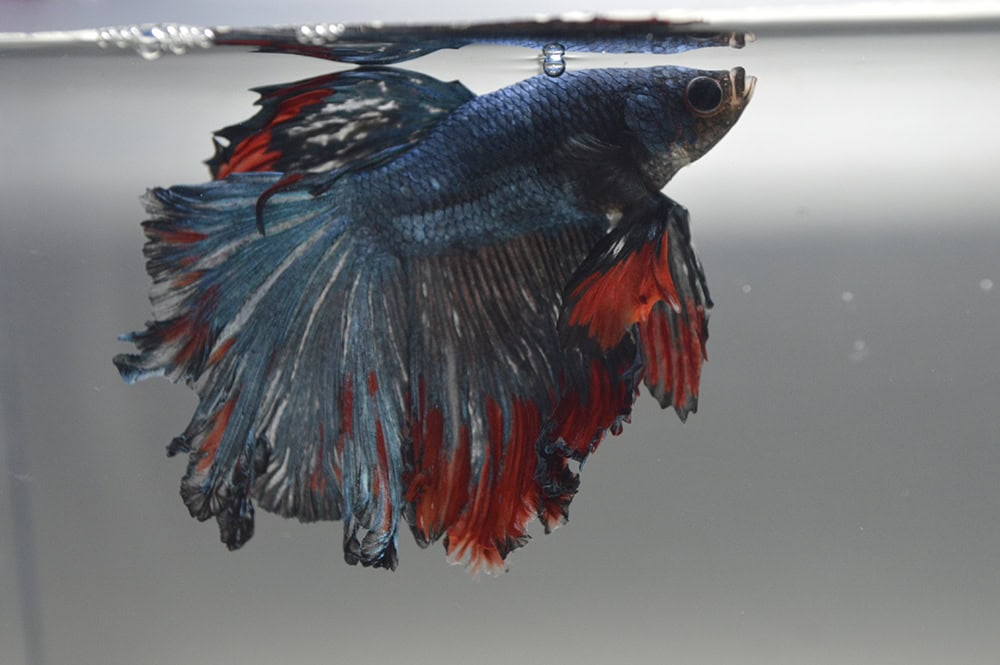
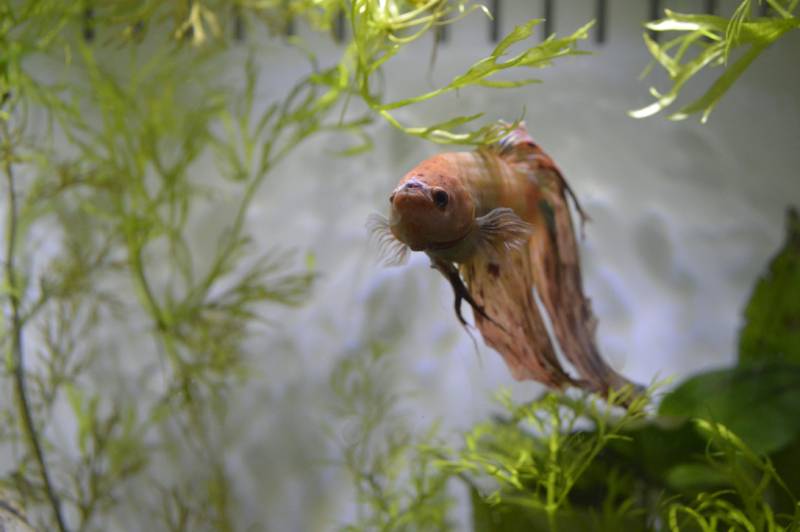
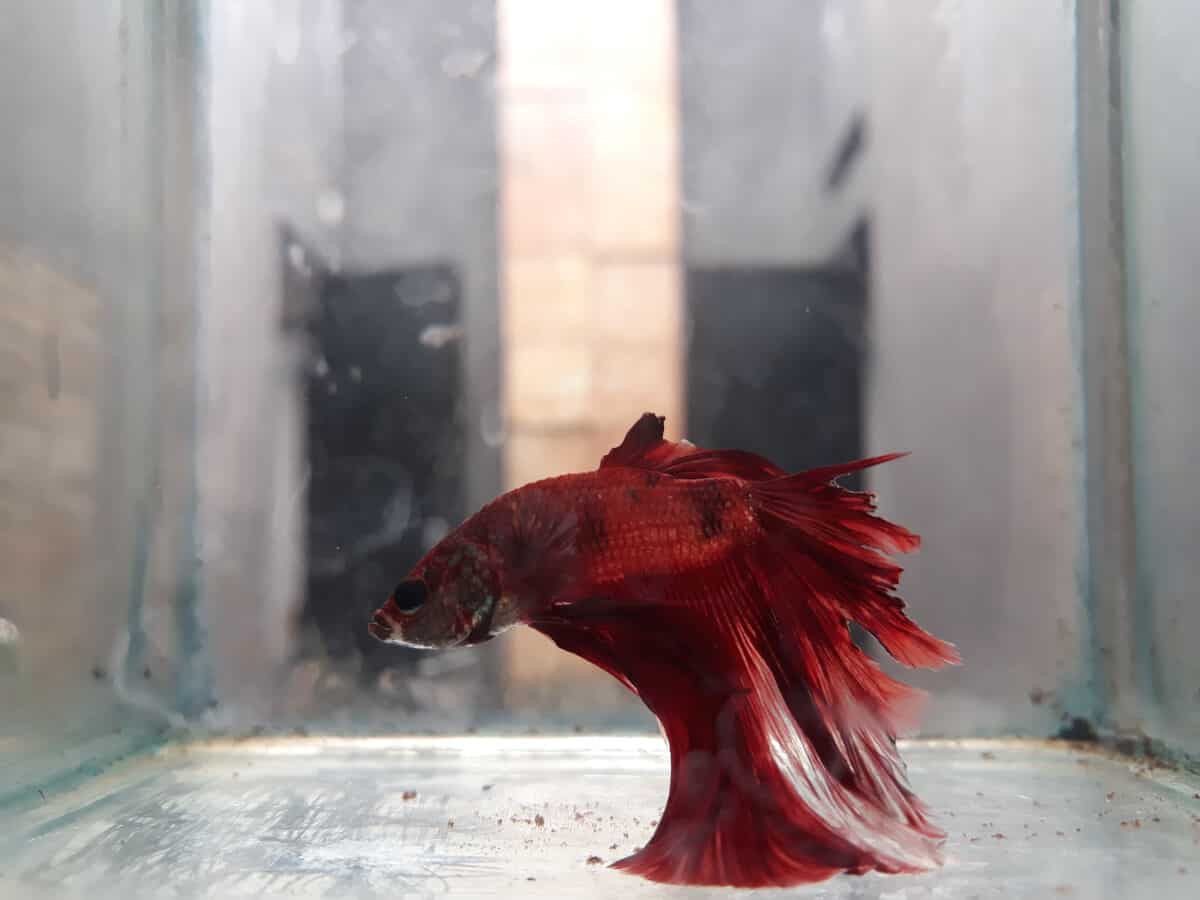
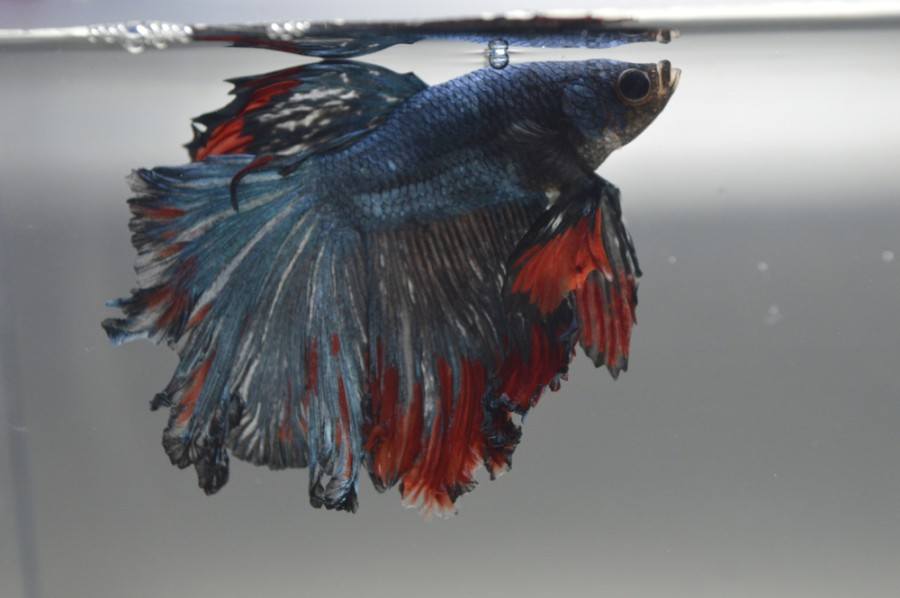
Fin rot is a term used to describe an infection that slowly begins to eat away at a betta's fins. This infection can be either bacterial or fungal. At times, your fish can be infected with both agents simultaneously.
Fin rot is interesting because it can be classified as a disease in itself but can also be a sign associated with other diseases. Left unchecked, fin rot continues to destroy a fin until it reaches the base. If this is destroyed, the fin is completely lost and won't regrow even after treatment. Also, once the infection reaches the base of a fin, it can spread to the body, and it's called advanced fin rot or body rot when this happens.
Causes
There are six main causes of fin rot. At times, many of these causes occur simultaneously.
1. Bacterial Infection
This is the most common cause of fin rot and is from a gram-negative bacterium, Pseudomonas fluorescens. It can enter the smallest wound on a fish and become severe if not treated properly. This bacterium naturally thrives and grows best in temperatures that are ideal for tropical fish.
2. Fungal Infection
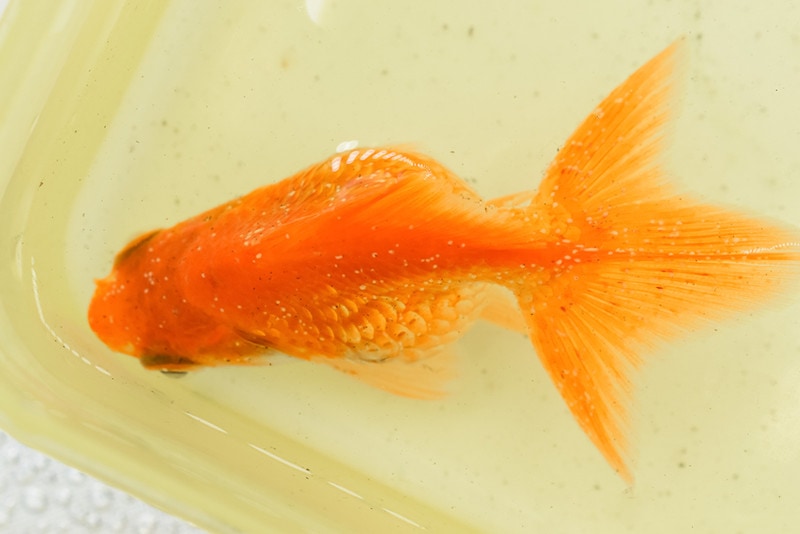
This is a less common reason that causes fin rot, but the white fluffy growths accompanied by a fungus infection can cause fin rot.
3. Poor Water Conditions
It's no surprise that dirty water hosts a variety of disease-causing bacteria. If your tank is dirty, your fish are susceptible to bacteria that will eat away at their fins. Regular water changes should also be done to keep the tank clean. Poor water conditions also predispose a fish to stress, which weakens the immune system and makes them more susceptible to catching fin rot.
4. Poor Diet
Being fed an inappropriate diet means the normal metabolic processes of the body don’t occur effectively and efficiently. This can result in poor fin conformation and a suppressed immune system, which makes fish more susceptible to diseases like fin rot.
5. Injury
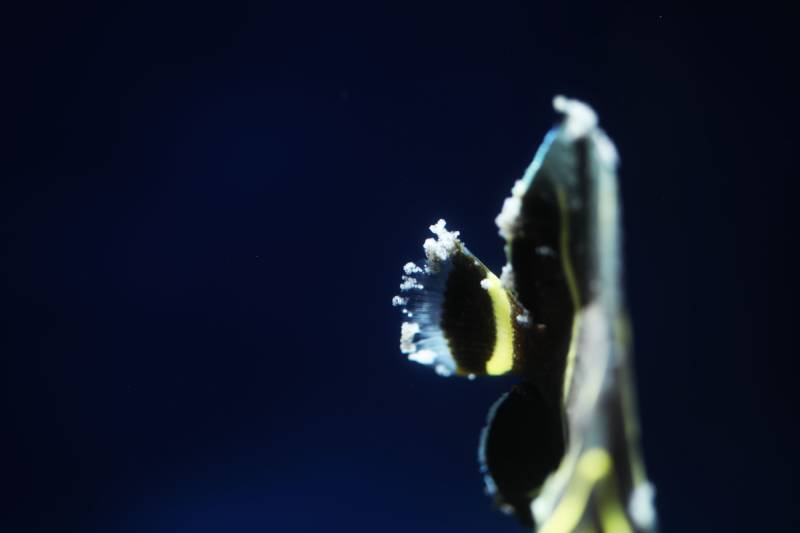
At times, your fish can sustain injuries from rough decorations and fake plants, getting stuck in a filter, or as a result of fin nipping or tail biting from bullies in a community aquarium. This can predispose them to fin rot.
6. Other Illnesses
Fin rot can be a secondary infection when your fish are unwell. It can set in after trauma in the form of injury or when your fish is infected with another disease, such as columnaris or velvet.
Which Species of Fish Are More Likely to Develop Fin Rot?
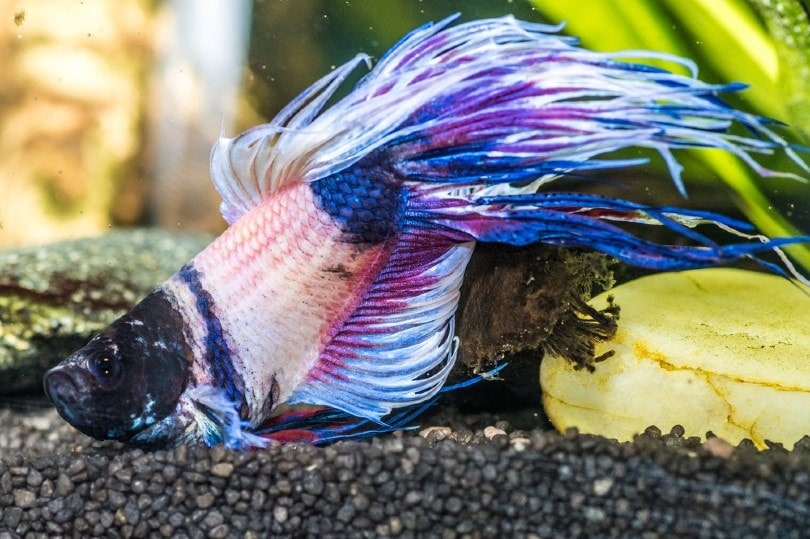
Fin rot is most commonly seen in goldfish and betta fish; however, almost any species of fish can be affected by this disease.
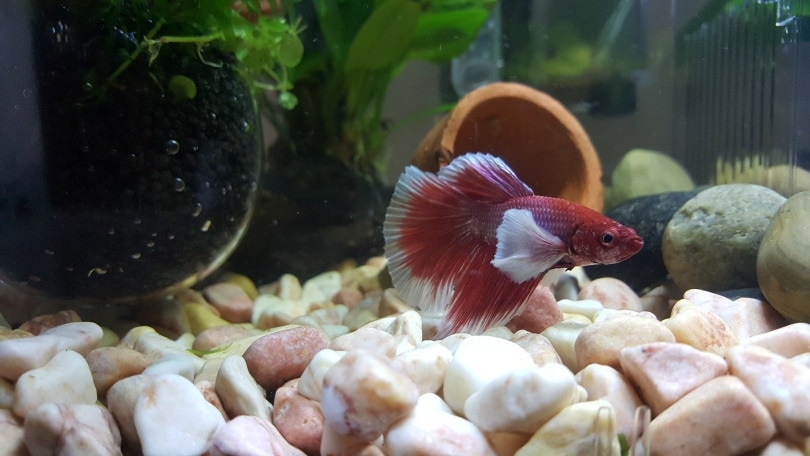
Bettas are the number one species of aquarium fish that is likely to develop fin rot in their lifetime. This is because bettas are unfortunately usually housed in poor conditions which predisposes them to the disease.
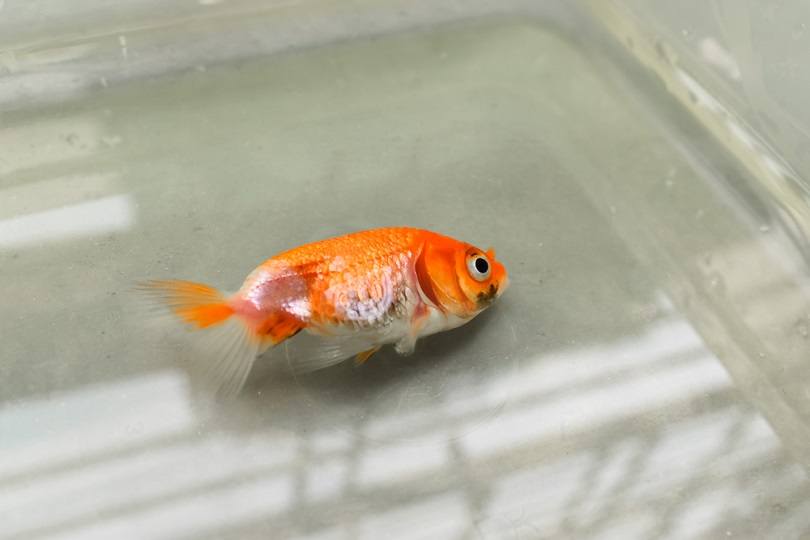
Goldfish can develop this infection from poor water conditions which harbor a variety of pathogens that can lead to infections. Goldfish produce a large amount of waste which makes the water quality deteriorate rapidly. These bacteria or fungi then eat away at the fins, resulting in fin rot.
Treating Fin Rot
Here is a thorough treatment option list to help your fish successfully heal from their ailment. Depending on the severity of your fish’s signs, you may have to combine multiple options (for example, aquarium salt with a medication).
Before You Medicate
Medication Options:
It is best to consult with an aquatic veterinarian if you’re unsure which drugs to use. As a rule of thumb, if the fins appear jagged, you should opt for an antibacterial agent. If the fins appear white and somewhat smooth-edged, you should opt for an antifungal agent. It is best to use a supportive option (such as aquarium salt) in conjunction with a medicine. You should follow all instructions on the product label when it comes to dosing your fish.
How Long Does Fin Rot Take to Heal?
Fin rot takes about 2 to 6 weeks to fully heal depending on the severity of the infection. Fin rot can only heal if proper treatments are administered, along with clean aquarium water and lots of time to heal without stressors being present in their environment.
Sometimes the fin rot may be too severe, and the only option is to humanely euthanize the fish to end their suffering. If your fish has extremely damaged fins with little to none left to keep them afloat in the water, your fish may lay on its side or float around the tank. This is a good indication that the infection is too far along for a successful recovery.

Preventing Fin Rot in Fish
Fin rot can be prevented by implementing the following tips:
- Provide your fish with the right tank conditions. All freshwater fish should be kept in a fully cycled tank (established beneficial bacteria from the nitrogen cycle). The tank should have a filter and heater (for tropical fish) to keep the conditions ideal. A 25% water change should be done weekly to remove toxins that build up in the water.
- Ensure that your fish can’t get injured by removing any sharp ornaments from their tank.
- Minimizing bullying by ensuring all your fish are compatible with one another
- Ensure that the filter current or intake is not strong enough for your fish. A tail or fin caught in a filter intake can easily tear. Research your fish beforehand to assess their current preference
- Feed your fish an appropriate diet suitable for their specific needs.
- Do not clutter or overstock your aquarium with too many fish, as this can spread fin rot faster.
- Always quarantine your new fish or plants for at least 4 weeks.
Conclusion
Fin rot is an infection of the fins that can quickly spiral out of control and lead to permanent fin loss. Prompt identification, treatment, and long-term care can help manage this disease and offer your fish the best chance at recovery.
We hope that this article has helped inform you on everything you need to know about fin rot, and how you can diagnose and treat your fish for a successful recovery.
Featured Image Credit: Wirestock Creators, Shutterstock
Get Hepper In Your Inbox


Pet care tips from our vets and experts, straight to your inbox.
You may opt-out at any time. View our Privacy Policy for more information.
Dr. Luqman grew up with an extreme fondness for animals and turned a childhood dream into reality by becoming a veterinarian. His goals are now focused on helping pet owners understand their pets better in order to ensure the best quality of life for all pets globally. He is passionate about wildlife, exotic pets, pet owner education, and animal welfare. Luqman has 3 years of professional experience working with a variety of animal species. He has skills in demonstrating proper animal husbandry and training some exotic species, such as parrots. Additionally, he has decades of personal experience with keeping many exotic pets: freshwater fish, parrots, songbirds, chickens, ducks, turtles, and hamsters.
Dr. Luqman grew up with an extreme fondness for animals and turned a childhood dream into reality by becoming a veterinarian. His goals are now focused on helping pet owners understand their pets better in order to ensure the best quality of life for pets all around the world. His passions are wildlife, exotic pets, pet owner education, and animal welfare.
Education
Luqman received his degree from Universiti Putra Malaysia.
Experience
Luqman has 3 years of professional experience working with a variety of animal species. He has skills in demonstrating proper animal husbandry and training some exotic species, such as parrots. Additionally, he has decades of personal experience with keeping many exotic pets: freshwater fish, parrots, songbirds, chickens, ducks, turtles, and hamsters.
Join the conversation
Ask a question, share your story, or send private feedback.