Hepper is reader-supported. When you buy via links on our site, we may earn an affiliate commission at no cost to you. Learn more.
Why Is My Betta Fish Turning White or Losing Color? Vet-Approved Advice & Tips


In this article
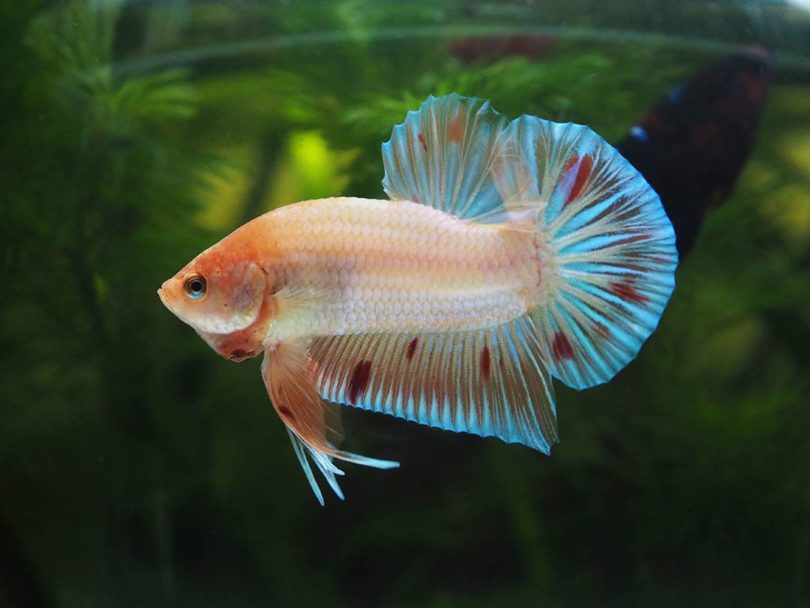
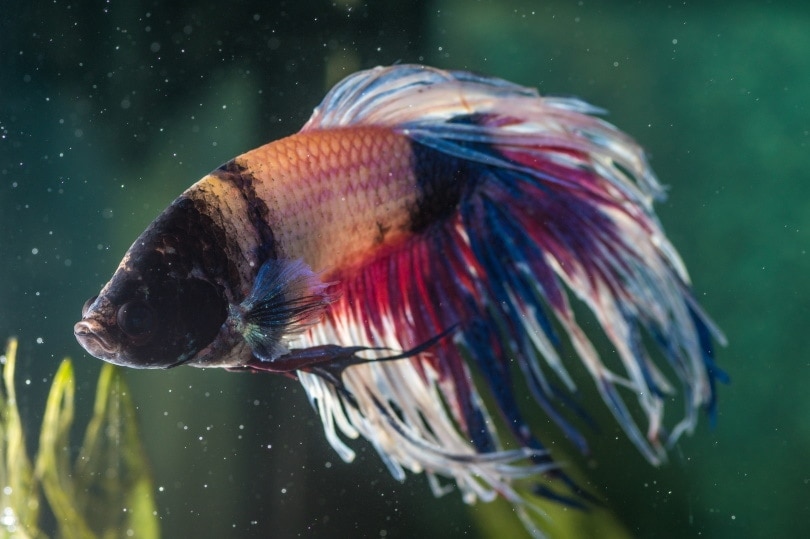
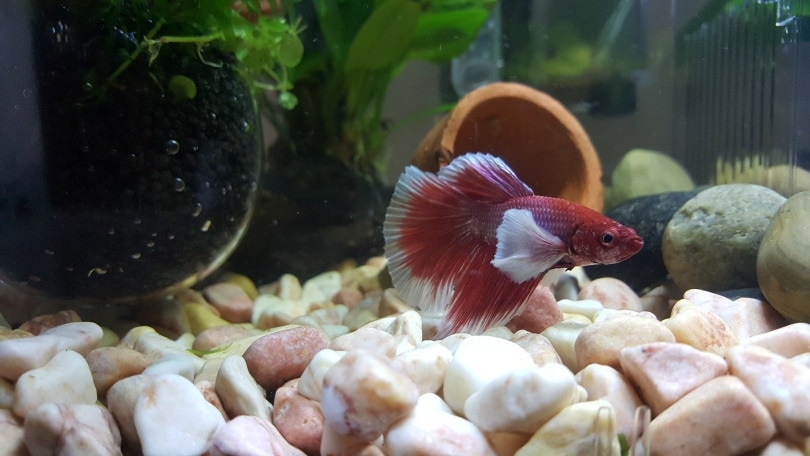
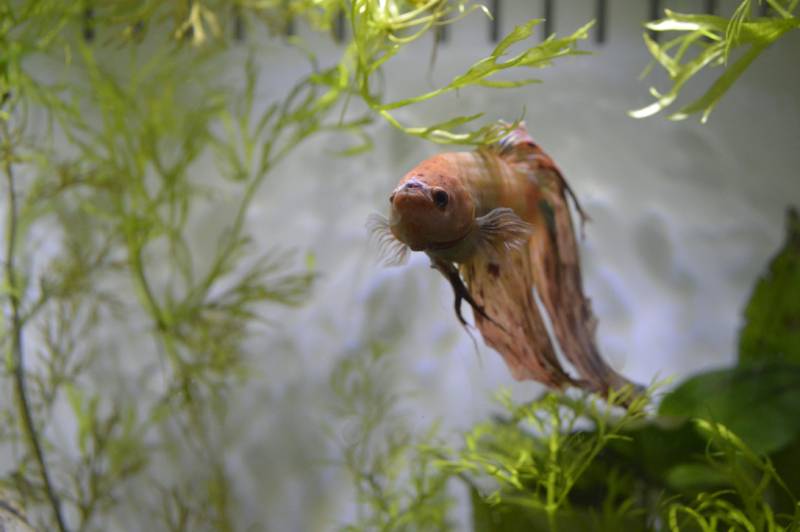
Betta fish are widely regarded for their stunning, bright colors and patterns. Many people choose a Betta fish based on their color preferences. You’ll often see people standing in the pet store in front of the wall of cups full of Betta fish, looking the fish over to find the most perfect and beautiful color in the bunch. Obviously, if you have a Betta fish and you’re in love with its colors, then you would become very concerned if you suddenly noticed your Betta fish’s colors fading. Here are the things you should know about what causes colors to fade in Betta fish and what you can do about it.

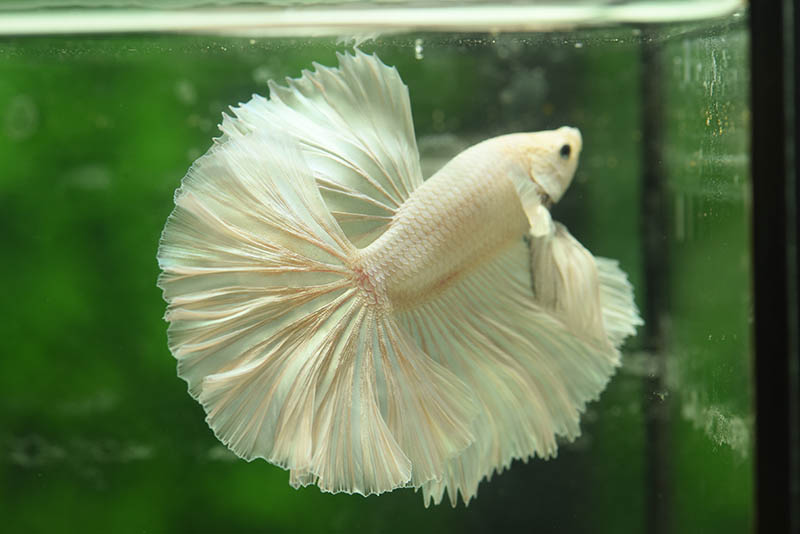
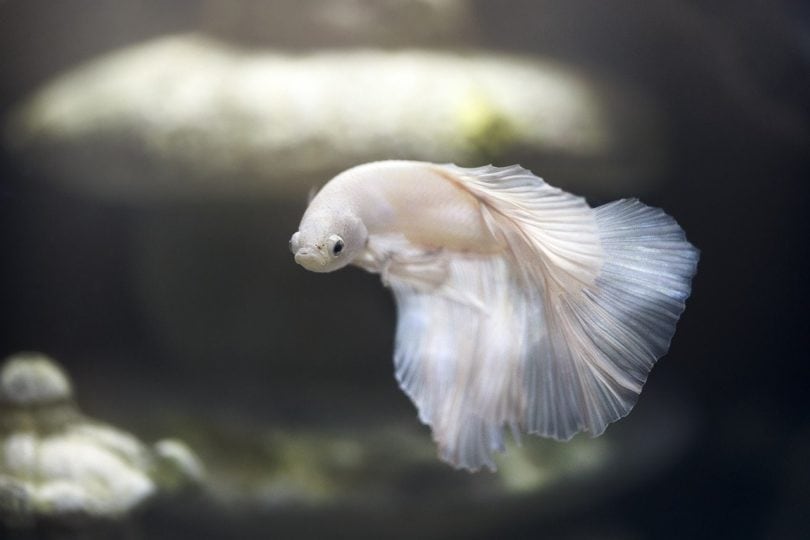
Why Is My Betta Fish Turning White?
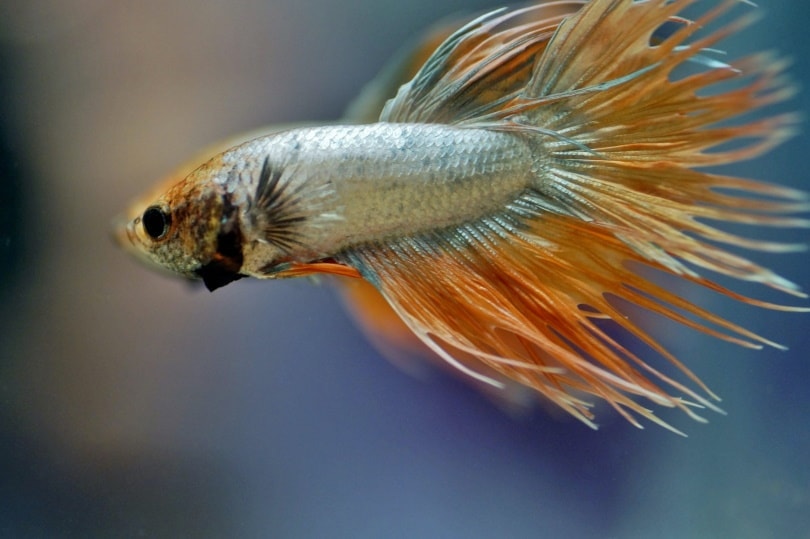
There are a few reasons you may see your Betta fish beginning to develop a white coloration, and all of them indicate health problems. External parasites, namely anchor worms, can cause white colors to appear on your Betta fish. This is because these worms anchor themselves to the skin under the fish’s scales. This creates the illusion of white patches on your Betta fish’s body. These worms can be treated by gently removing the visible worms from your fish and treating them with an anchor worm treatment.
Ich is another type of parasite that can make it appear like your Betta fish is turning white. Ich causes small white dots to appear on your fish’s body, gills, and fins. These dots often look like someone has sprinkled your fish with salt or sugar crystals. Ich can be treated with anti-ich medications can take multiple rounds due to the life cycle of these parasites. These dots often look like someone has sprinkled your fish with salt or sugar crystals. Ich can be treated with anti-ich medications.
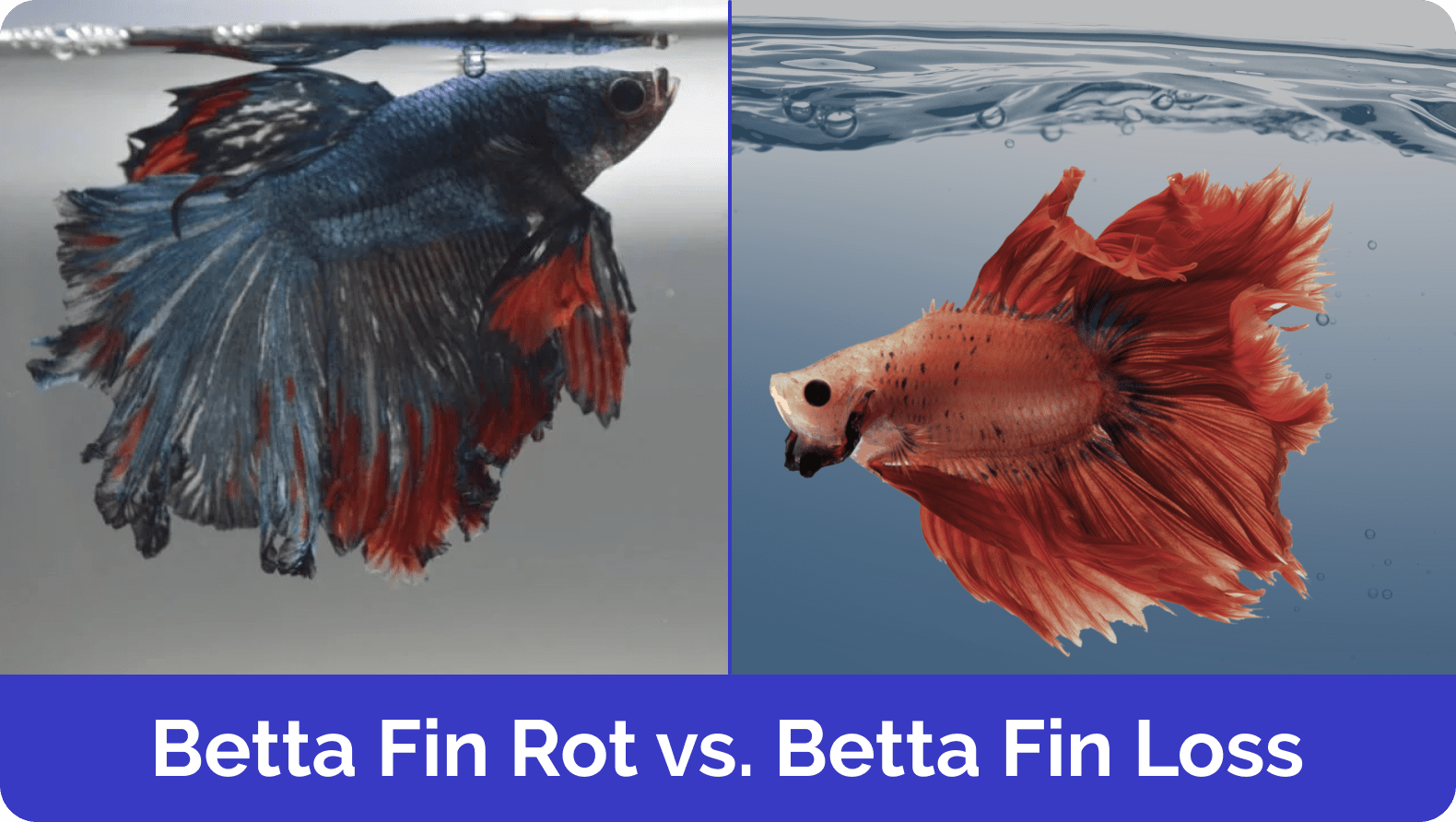
Fungal infections can create white patches on your fish’s fins, gills, and body. They tend to show up most often on the fins or around the mouth. Fin rot and mouth rot are examples of diseases that can be caused by fungal infections that are treatable with antifungal medications. Please note that these diseases can sometimes be caused by other agents (such as bacteria). In such an instance, a fungal medicine won't be effective.
Columnaris is another type of infection, often called cotton wool disease, that creates white patches on fish. Columnaris is a bacterial infection and should be treated with antibacterials or antibiotics. This infection does tend to appear more frequently on the body in white, mold-like patches, as opposed to fungal infections, which usually appear as furry patches or white, rotting edges on fins. Columnaris is not particularly common in Betta fish.
What Can I Do About It?
The top reason for your Betta fish to develop any of the conditions discussed above is poor water quality. Parasites can be introduced to the tank with new tank mates or live plants, but they tend to thrive in poor water conditions.
Bacterial and fungal infections occur more commonly in tanks with poor water quality. This is due to the stress of the poor water quality causing decreased immune response in your fish, making them more susceptible to infections. Routinely monitor your water parameters and perform water changes on a regular basis. It’s important to the health and livelihood of your Betta fish for you to maintain excellent water quality.

Why Is My Betta Fish Losing Color?
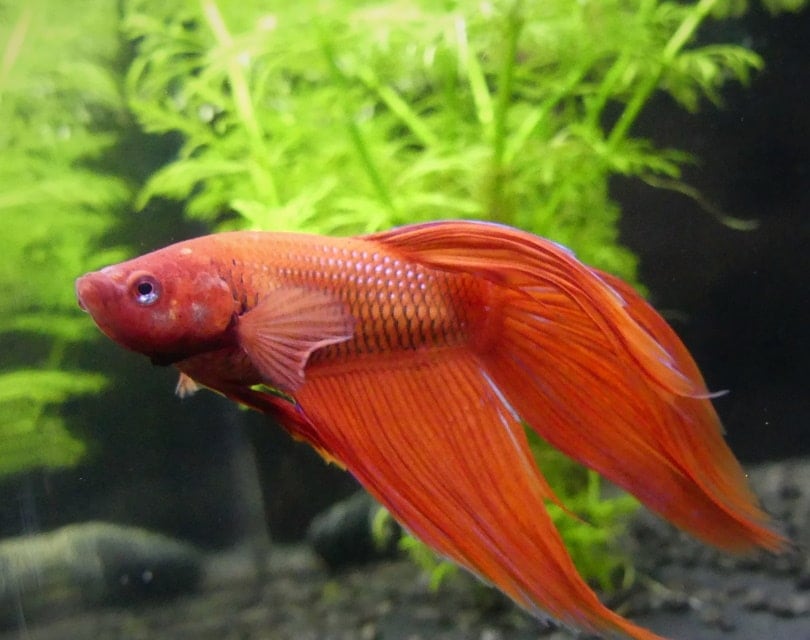
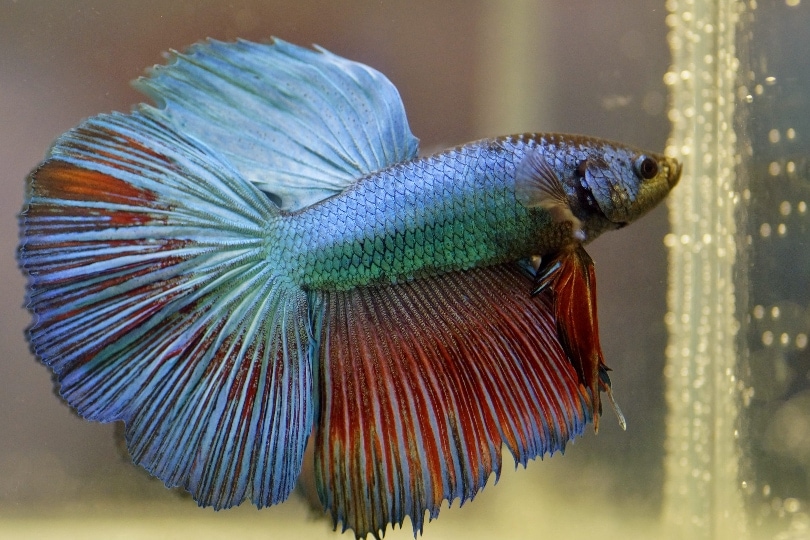
A Betta fish that seems to be dulling in color isn’t quite as concerning as the appearance of white patches or splotches on the fish. However, if your Betta fish’s colors seem to be fading or becoming dull, then it may be related to stress or diet. The happier and healthier your fish is, the more vibrant its colors will be. Poor-quality food can lack all the nutrients necessary to support bright colors, which can lead to a dulling of colors over time.
At other times, a Betta may simply lose color due to the natural aging process or a decrease in the amount of light exposure they receive.
What Can I Do About It?
One of the things you can do if you’ve noticed your Betta fish losing some of its vibrancy is to ensure your water quality is high and there is nothing in the tank causing undue stress to your Betta, like tank mates that fin nip and bully. A low-stress environment that makes your Betta fish feel safe will bring out its brightest, healthiest colors.
Your other option for enhancing the vibrancy of your Betta’s colors is to feed a high-quality diet that contains nutrients that support bright color development. Many Betta-specific foods will say on the label if the food supports color development. These foods are usually packed with vitamins and minerals that support bright colors. They also usually contain a high content of marine proteins, like shrimps and fish, and may include nutrient-dense ingredients like spirulina algae.
Lighting issues can easily be fixed by assuring your Betta gets at least 14 hours of “daytime” every day with an aquarium light placed on top of their enclosure. Though nothing can be done about the natural aging process, it’s important to congratulate yourself if you’ve taken care of your Betta well into their senior years. Additional care for senior Bettas can be discussed with your veterinarian.

Conclusion
Any noticeable change in your Betta fish’s color should be cause for investigation. It doesn’t always indicate there is a serious medical problem occurring, but color changes, especially the development of white, can indicate medical problems. Catching illnesses and water quality issues early will help your Betta fish recover more quickly and easily. It will also help your Betta retain more of its vibrancy. Feed your Betta a high quality Betta-specific diet that supports color development, and make sure your Betta is living its best, low-stress life.
Featured Image Credit: SoReaux, Shutterstock
Get Hepper In Your Inbox


Pet care tips from our vets and experts, straight to your inbox.
You may opt-out at any time. View our Privacy Policy for more information.
Lindsey discovered her passion for fish keeping after a junior high school field trip to the Shedd Aquarium in Chicago. Prior to becoming Editor-in-Chief of It's a Fish Thing, Lindsey studied marine biology at the University of California-Santa Cruz. She loves goldfish, tetras, and mystery snails, and recently began experimenting with a saltwater aquarium.
Join the conversation
Ask a question, share your story, or send private feedback.