Hepper is reader-supported. When you buy via links on our site, we may earn an affiliate commission at no cost to you. Learn more.
Pros and Cons of Neutering a Male Dog (Vet-Approved Facts)


In this article
You may not be sure whether fixing your male dog is the best option. Conventional thinking states that unless you are planning on breeding your dog, it’s important and necessary to have your male dog neutered. However, you still may be considering leaving your male dog intact, possibly in light of recent research indicating that there may be more risk involved than previously thought.
If you are unsure of the pros and cons of fixing your male dog, read on. We’ve thoroughly researched the latest findings to offer you the most current and accurate information available. It’s important for your male dog’s well-being and health to separate facts from misconceptions.
We’ve included the benefits associated with fixing your male dog, as well as the disadvantages you should consider before deciding on this type of surgery. We understand that you only want the best for your male dog. We hope that this information can offer you guidance.

The 7 Pros of Fixing Your Male Dog
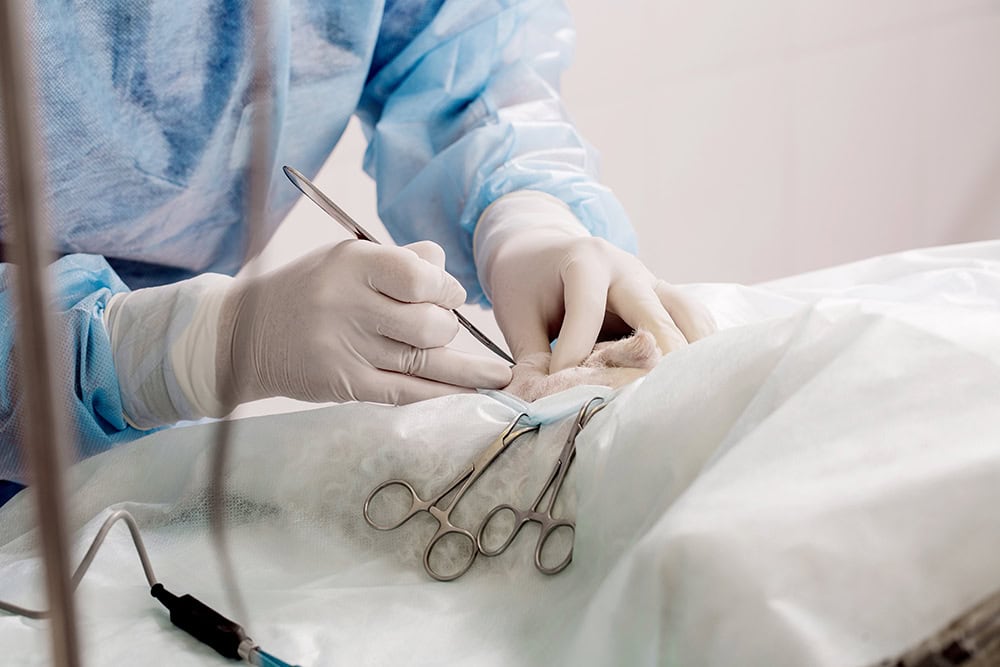
Fixing your male dog is also known as neutering, castrating, and de-sexing. Spaying refers to sterilizing female dogs. No matter the terminology, they describe the removal of your male dog’s testicles so that your dog is no longer able to sire puppies. A male dog who does not undergo this surgical procedure is considered intact.
Generally speaking, if you’re not planning on breeding your male dog or you’d like to keep your male dog from being responsible for a boom of puppies in your neighborhood, you most likely want to have your male dog fixed. Beyond this most obvious reason, fixing your male dog may have other behavioral and health benefits.
1. A Reduction in Certain Health Issues
One of the best benefits of fixing your male dog may be eliminating their risk for testicular cancer and some prostate disorders, as well as lowering the incidence of other health conditions such as perianal fistula. Without testicles, your dog cannot develop testicular cancer.
Additionally, some intact male dogs will encounter an enlarged prostate by the age of 5, making it difficult for them to urinate. Neutering reduces the prostate to a healthy size. Finally, the occurrence of infections and painful cysts, such as perianal fistula, is also reduced with neutering.
2. Less Territory Marking
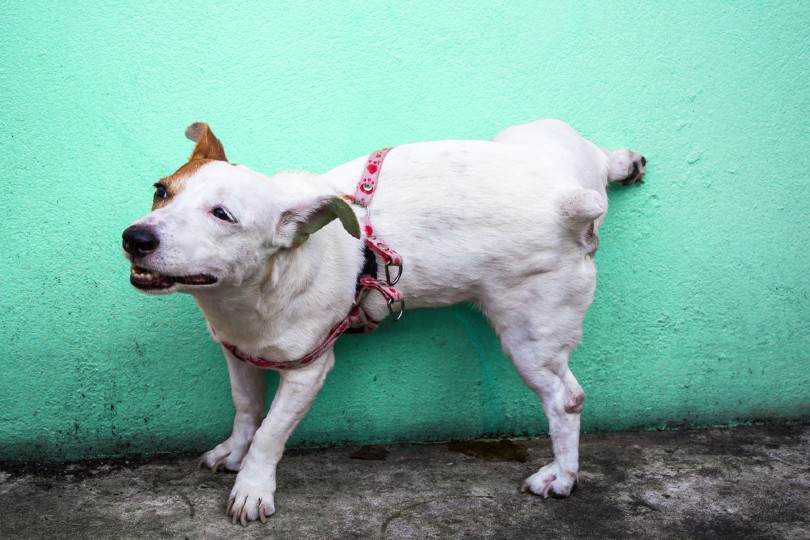
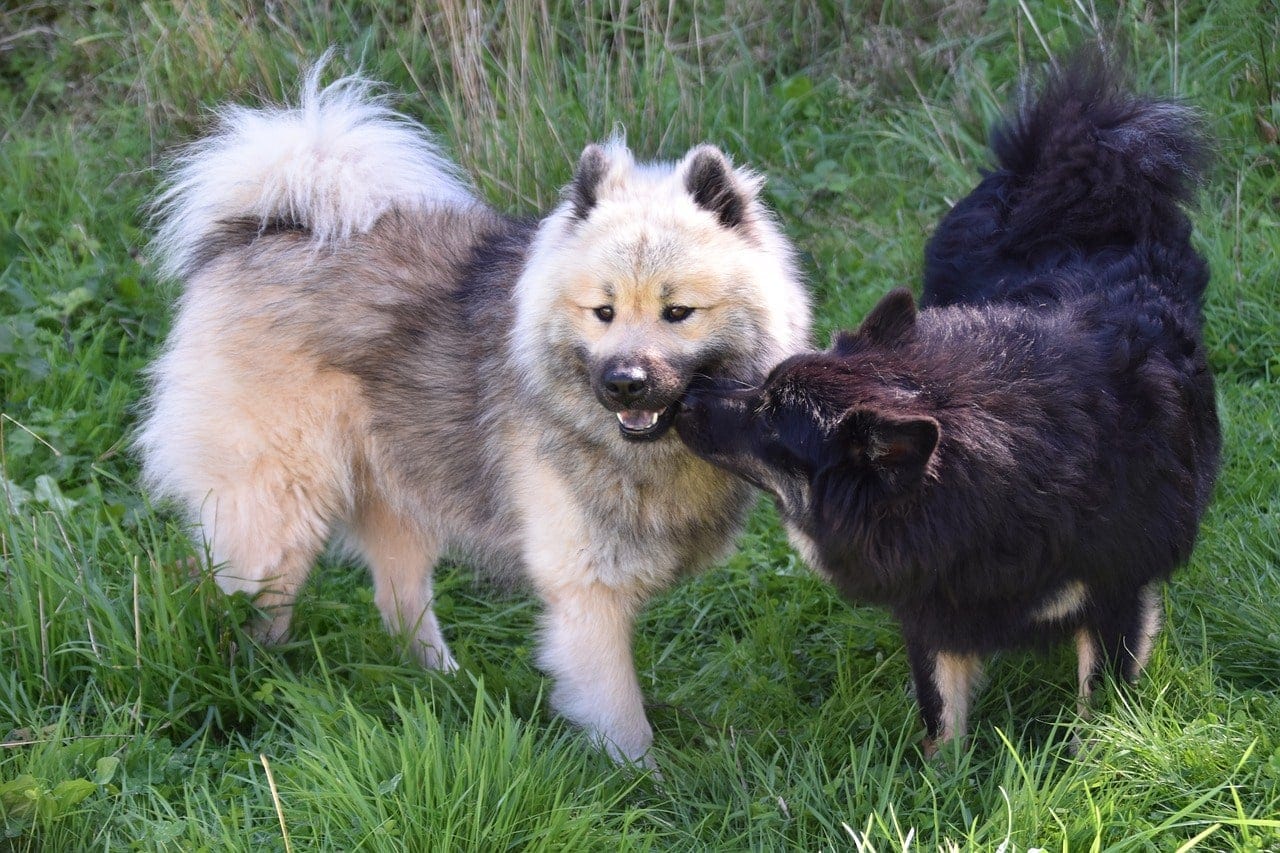
Intact males lift their legs when urinating in order to mark their territory. The idea behind the leg lifting is to create a higher spray in order to impress other male dogs. Testosterone in intact males fuels their instinct to mark their entire surroundings, which, unfortunately, may include the inside of your home.
Fixing your male dog early should reduce this urge. Removal of the testicles should cause a lower production of the source of the problem, testosterone. However, your fixed male dog may still have enough testosterone produced elsewhere in the body to still want to mark their territory, just not as obsessively.
3. Less Dominance and Aggression
You can probably blame your intact male dog’s worst behaviors on an abundance of testosterone. Even though testosterone is also produced elsewhere in your dog’s body besides the testicles, a fixed male dog will be less inclined toward dominance and aggression. Obviously, your dog’s breed and a caring environment also play a role in limiting dangerous behaviors.
It’s important to note that even a calm, intact male dog may become a target of other male dogs. They may see your dog as a potential rival. Neutering greatly reduces these aggressive incidents. Since your fixed male dog doesn’t have to worry about other male dogs, they can better focus on you and your training.
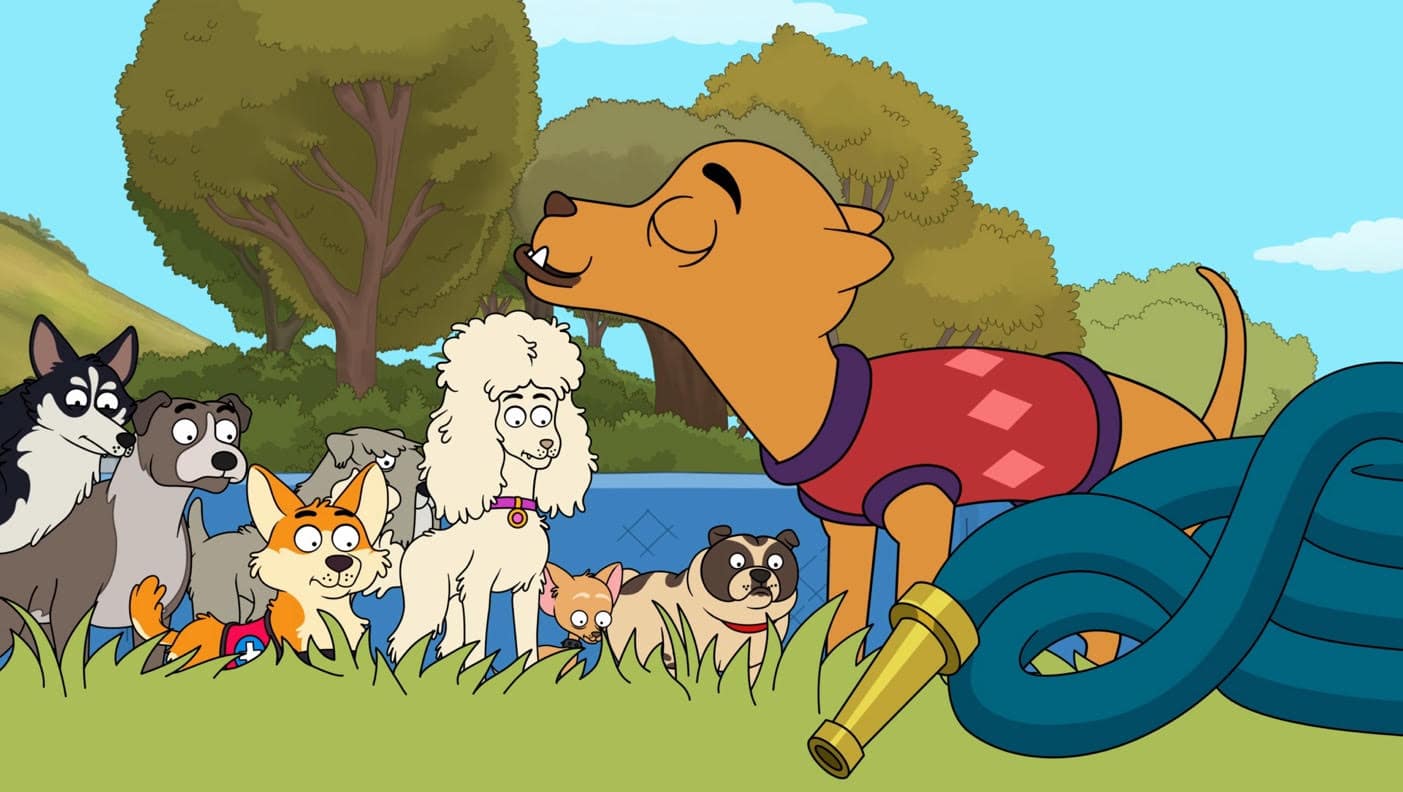
One of our favorite TV shows about dogs takes a funny play on the concept of neutering. One of the dogs, Diablo, gets fake balls and becomes the boss of the dog park. Watch HouseBroken Sundays on FOX and stream the next day on Hulu to find out how Diablo asserts his dominance and if the other dogs follow in line.
4. Minimized Sexual Behavior
Intact male dogs will frequently hump and mount other dogs of any gender, as well as possibly anything or anyone else in their path. Neutering helps reduce the frequency of these incidents. Although not as often, a fixed male dog still may engage in such behaviors due to overexcitement, as a habit, or an exertion of dominance.
5. Fewer Incidents of Your Dog Running Off
For intact males, the urge to mate often takes precedence, and you may have a difficult time keeping your dog within the confines of your yard. A fixed male dog may still want to expand their territory, but it will be for less urgent reasons than finding a female in heat.
6. Lower the Dog Population
It’s no new revelation that rescue centers are overwhelmed. The sad truth is that every day, dogs in these animal shelters must be put to sleep because there are not enough resources and nowhere to house them. If you care about the welfare of dogs, take measures to reduce the population of unwanted litters of puppies by having your male dog fixed.
7. Prevent the Passing of Unhealthy Genes
If you know your male dog carries a gene for a health problem, you shouldn’t plan to breed him. Certain genetic disorders are passed along from generation to generation. By recognizing the defective gene and isolating it so it isn’t passed on, you’ll help future dogs live healthier and longer lives.


The 6 Cons or Risks of Fixing Your Male Dog
For all the benefits listed above, there are still several risks to consider when fixing your male dog. From unexpected health issues to behavioral expectations, neutering your male dog can come with a potential downside.
1. Neutering Is a Surgery
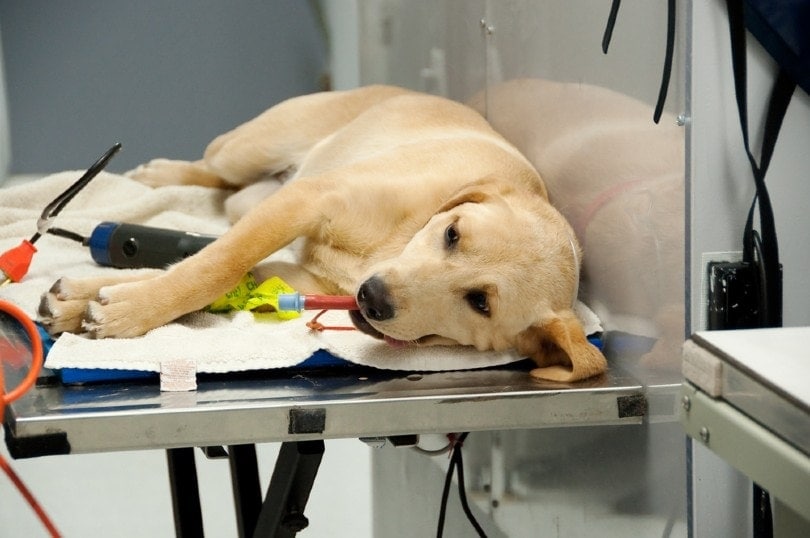
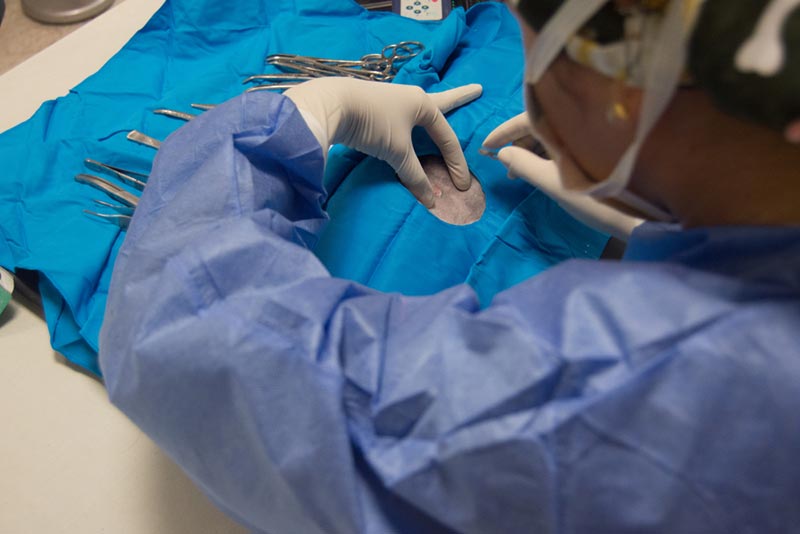
To perform the surgery, your veterinarian will need to put your dog under anesthesia. Although less invasive than spaying a female, there is always a level of risk for complications with any surgical procedure. Your dog may have an adverse reaction to the anesthesia or may develop an infection or abscess afterward.
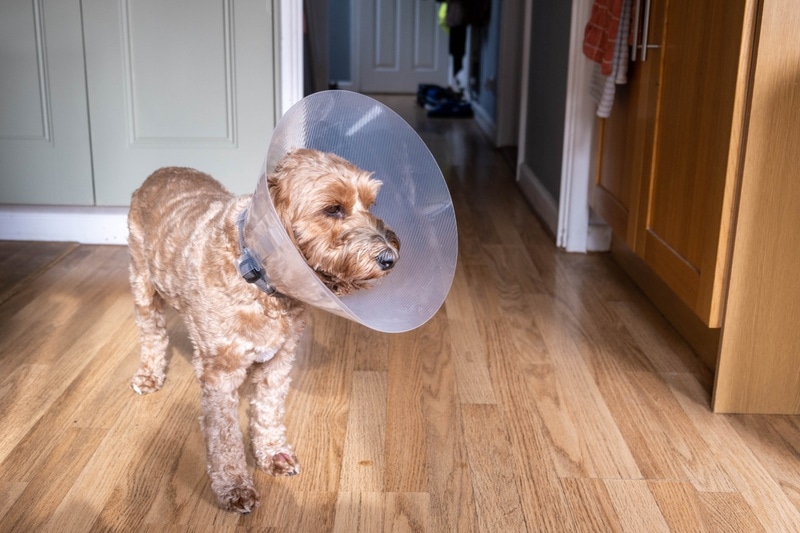
You’ll also need to be prepared to care for your male dog post-surgery. Most likely, your dog will be issued an Elizabethan collar to prevent him from licking the area. This hard plastic cone around your dog’s head may create quite a few inconveniences as he spends the next two weeks healing.
2. The Wrong Age
After 8 weeks of age, your male dog can be neutered. However, be aware that many factors go into determining the ideal window of time to neuter your dog. Your veterinarian should instruct you when your puppy reaches the proper age. Depending on your dog’s breed, maturation toward puberty, and possible health issues—such as cryptorchidism, in which their testicles don’t descend—you may need to adjust when you schedule the surgery.
The risks of neutering at the incorrect age can last for the lifetime of your dog. Testosterone is essential to bone growth. Too early neutering can lead to hip dysplasia and torn ligaments. Large and giant dogs may become more vulnerable to bone cancer if neutered too young.

3. There’s Still a Cancer Risk
Unfortunately, while testicular cancer is eliminated, the reduction of testosterone increases the chances of your dog developing the potentially deadly cancer, hemangiosarcoma.1 Certain dog breeds are more predisposed to this form of cancer. Check with your vet if you’re concerned about this possibility.
4. Other Potential Health Concerns
In addition to the cancer risk, neutering your male dog increases the risk of several health conditions, including hypothyroidism and geriatric cognitive impairment, a form of dog dementia. If the surgery occurs before your dog’s bladder has fully developed, your dog may develop weak bladder muscles, resulting in urinary incontinence.
Additionally, your dog’s metabolism may not perform well enough to keep off added weight. A healthy diet and plenty of exercise should help prevent your fixed dog’s inclination for obesity. If you have any concerns about the potential health risks, the best thing you can do is talk to a veterinarian.
5. Doesn’t Eliminate Poor Behaviors
Neutering your male dog will not fully address or eliminate your dog’s misbehaviors. While getting your male dog fixed does give you an edge by lowering your dog’s urges and aggression, it doesn’t replace proper training paired with a loving, caring home.
6. Unable to Breed Good Genes
If your male dog possesses a high level of proper breeding, such as being a papered purebred with strong genetics, you may want to think twice before conducting a surgery that can’t be reversed.

Conclusion
The decision to neuter your male dog may be a difficult one to make, as there are many pros and cons of fixing a male dog. You’ll need to consider your dog’s breed and temperament, along with your own willingness to provide special care for an intact male dog.
If you decide to go forward with the surgery, you’ll need to weigh the risks and determine the best age to schedule it. Hopefully, we’ve given you plenty of helpful information to make the best choice for your male dog.
Related Reads:
Featured Image By: PRESSLAB, Shutterstock
Get Hepper In Your Inbox


Pet care tips from our vets and experts, straight to your inbox.
You may opt-out at any time. View our Privacy Policy for more information.
Nicole is a lover of animals of all sizes but is especially fascinated with the feline variety. She’s the proud mom of Baby, a Burmese, and works every day so he can relax in the sunshine or by the fire. She’s always had a cat in her home and has spent countless days with others, observing behaviors and softening up even the grouchiest of the lot. Nicole wants to share her kitty expertise with you so you and your cat can live happy, healthy, and care-free.
Join the conversation
Ask a question, share your story, or send private feedback.