Hepper is reader-supported. When you buy via links on our site, we may earn an affiliate commission at no cost to you. Learn more.
French Brittany vs American Brittany: The Differences (With Pictures)
In this article
Brittanys are medium-sized pups that are renowned for their prowess as gun dogs. These animals love to chase after anything that moves, but their soft mouths ensure they’ll bring back a dead bird without doing any damage to the carcass.
Even if you don’t enjoy hunting, these dogs are fantastic athletes and are well-suited for all sorts of canine competitions. Whether it is agility training, obedience trials, or Frisbee in the park, a Brittany is up to the task.
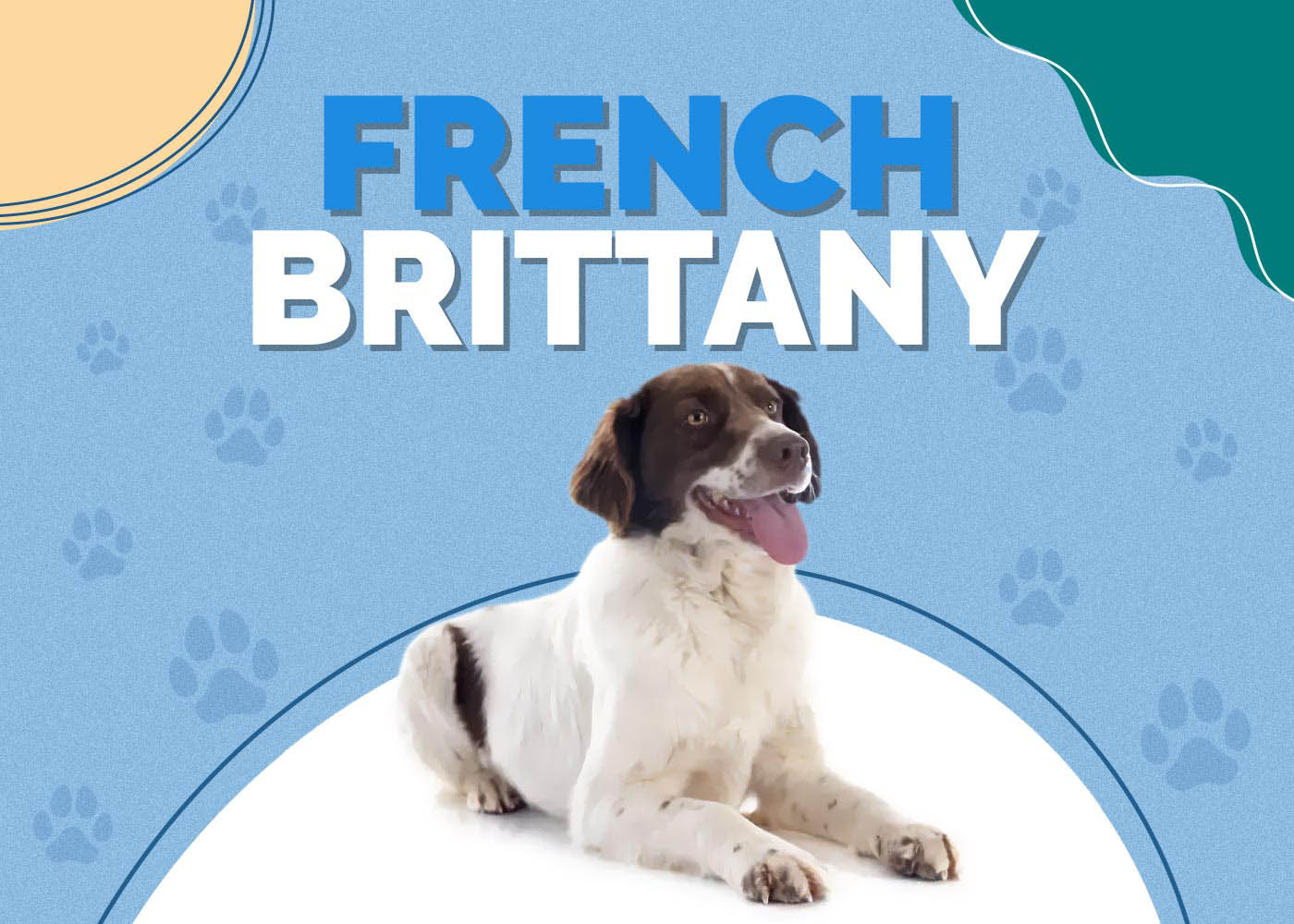
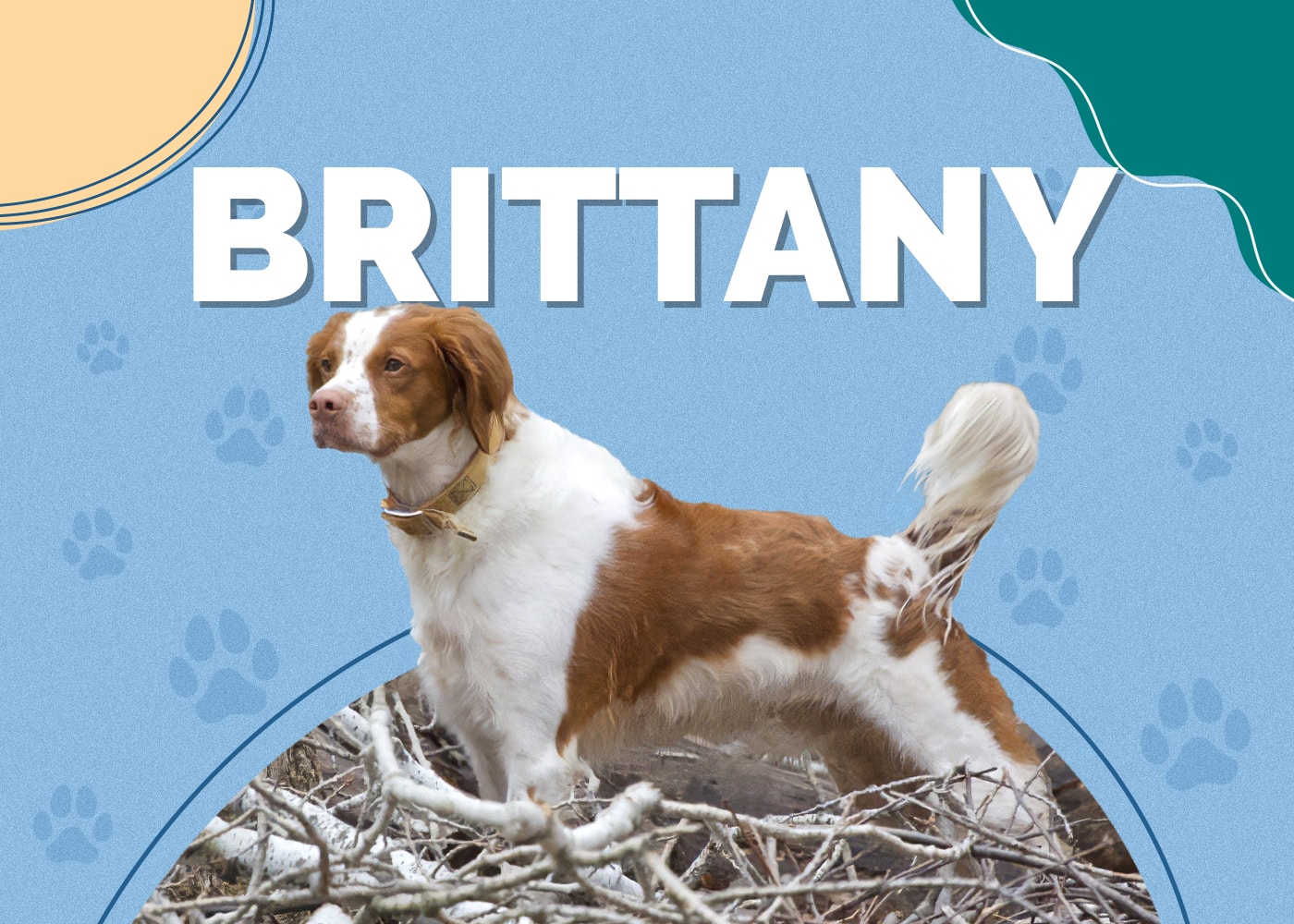
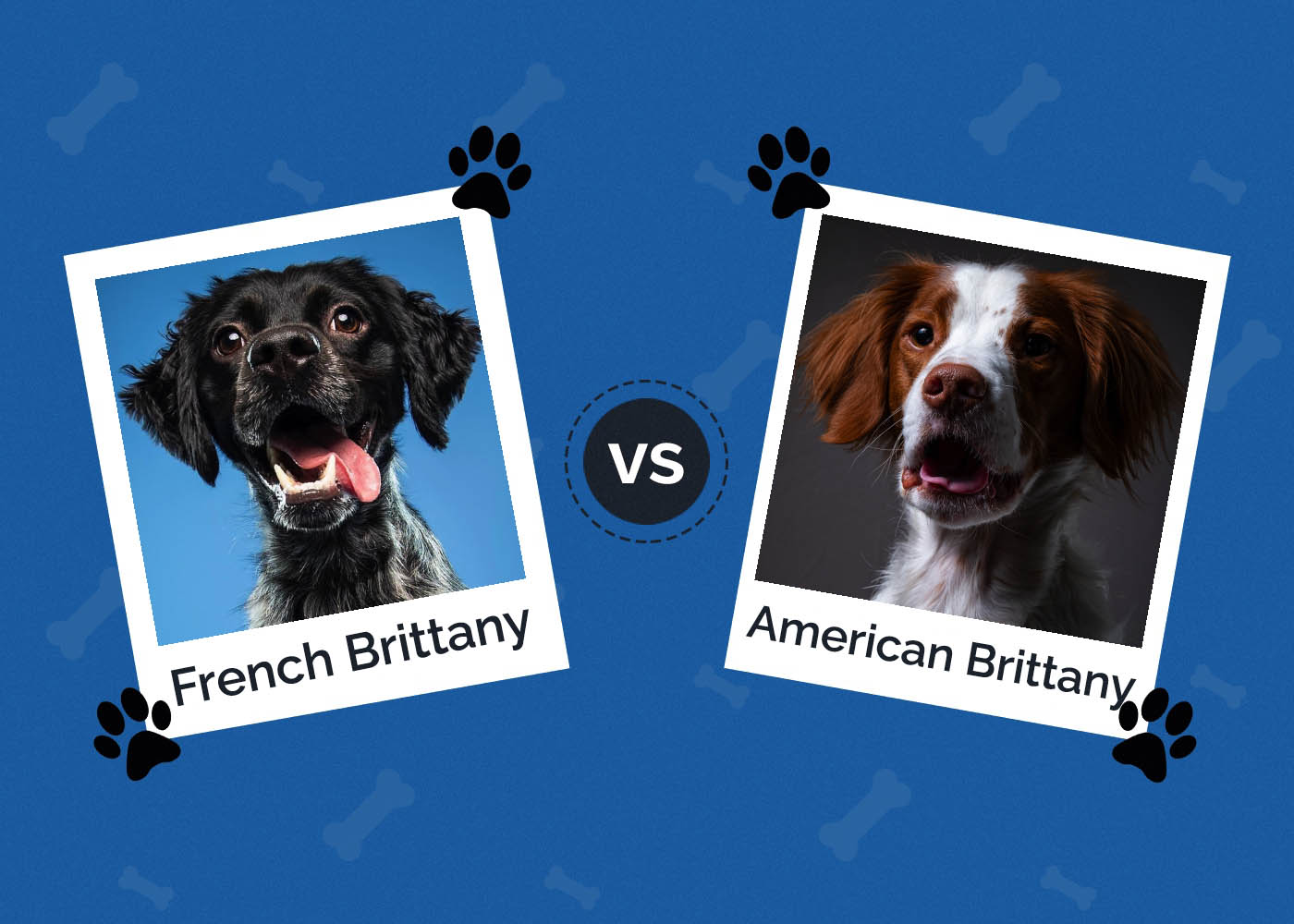
Most people don’t realize, however, that there are two distinct types of Brittany: the French and the American. The French version is the original, but as they do with everything else, the Americans took a good idea and made it bigger.
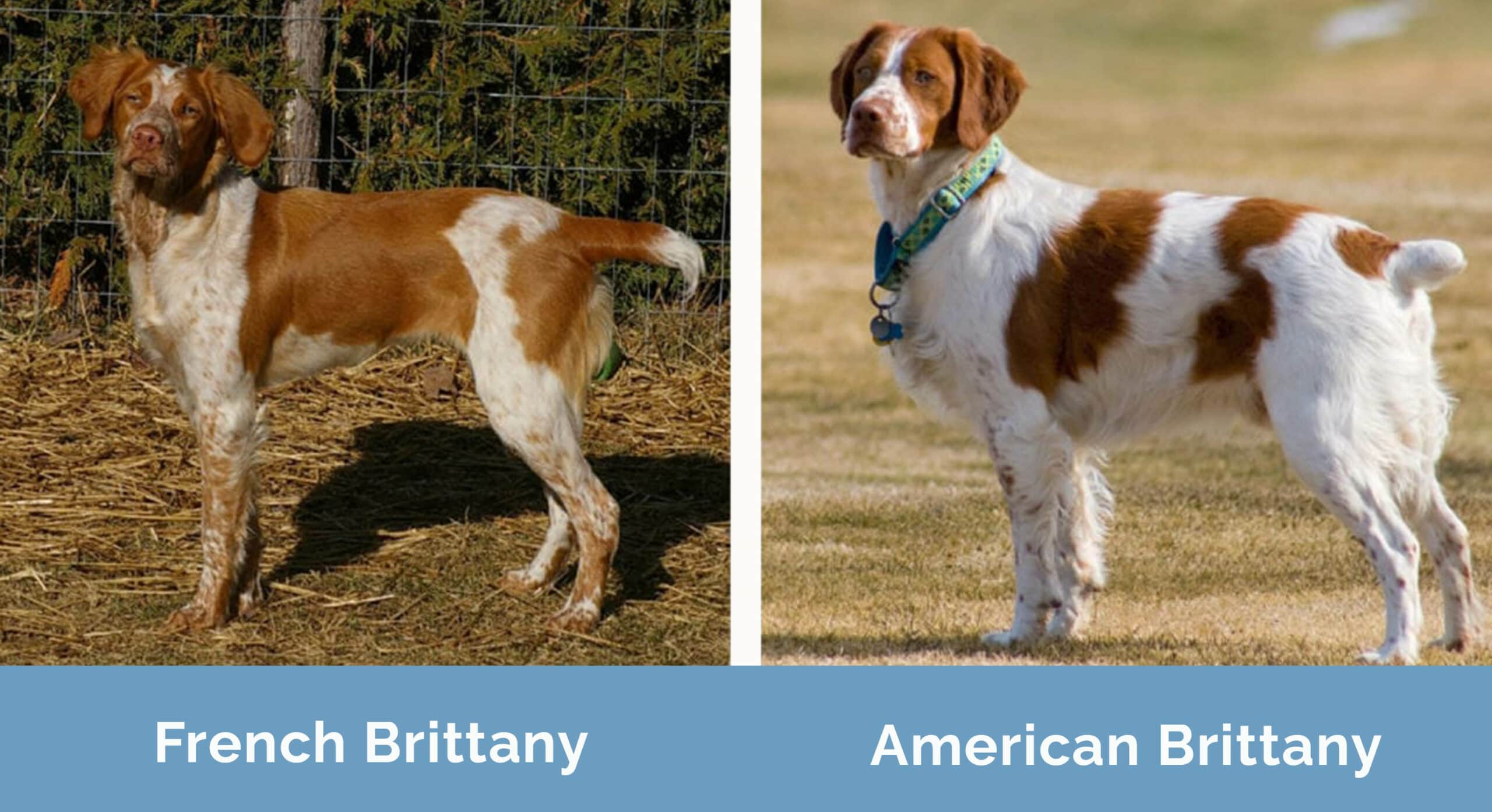
The French Brittany and American Brittany are remarkably similar, as you might expect, but there are a few key differences, each of which we’ll explore below.

Visual Differences
At a Glance

French Brittany Breed Overview
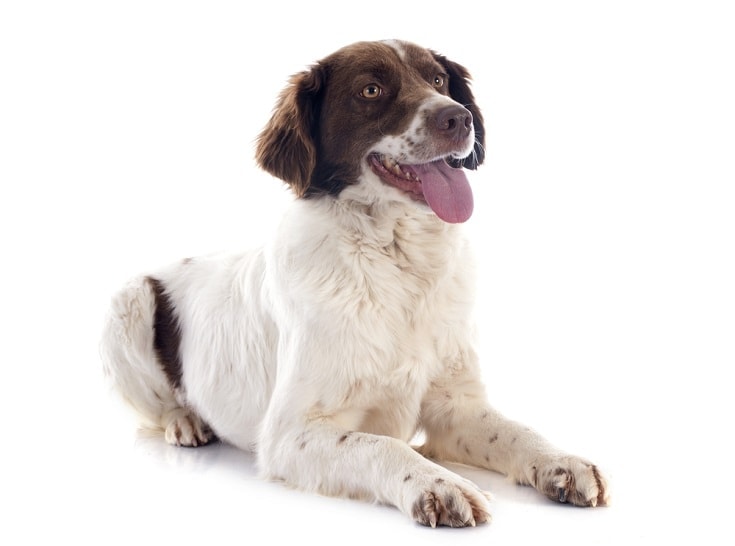
The French Brittany is an old breed — just how old is a matter of some dispute. However, they started cropping up in paintings and tapestries during the 17th century, so we know that they were fairly established as hunting dogs by that time.
Unlike many dog breeds of yesteryear, the Brittany was not a royal pooch. Instead, it was reserved for the working class; while the rich could afford to keep many different dogs, each one a specialist, the less fortunate had to have a single dog that was capable of doing everything they needed on a hunt. The Brittany was that dog.
Personality/Character
French Brittanys are extremely gentle, sweet-natured dogs that live to please their owners. They’re fiercely intelligent, but unlike other extremely smart breeds, they use their intellect to find new ways to please you rather than undermine you.
Their sweet nature also means that they’re more sensitive than other breeds to harsh corrections, so you should always use positive reinforcement when training one of these pups. Punishing them is likely to cause them to withdraw and become fearful, which is the exact opposite of what you want.
They make loving and trustworthy family pets, and while you should never leave a child unattended around a dog, a Brittany is about as safe a bet as you’ll find. They thrive on affection and attention and will likely follow you everywhere you go.
You should remember that these dogs were bred to hunt, however. That means they have boundless energy and stamina, and so they’re poor fits for apartment dwellers. If you don’t have plenty of time to dedicate to tuckering them out, you may need to find a more laid-back breed.
While naturally friendly, these dogs can be shy and withdrawn around strangers unless they’re properly socialized. You should take care to introduce your Brittany to as many new people and situations as you can while they’re puppies.
Health & Care
The French Brittany is a healthy and sturdy dog with few congenital health issues to worry about. The most significant issues to watch out for are canine lupus, hip dysplasia, and epilepsy.
These dogs require little in the way of grooming. They’re not big shedders, as they lack an undercoat, so an occasional brushing is likely all you need to keep their coats lustrous and manageable.
They also don’t need to be bathed unless visibly dirty, but Brittanys tend to get dirty quite often. It goes with being an athletic, outdoorsy type of dog, so be prepared for it. Of course, if you’re taking your dog outside and letting them roam, be sure to give them a flea and tick treatment regularly.
They have floppy ears that trap moisture, so you should dry them out thoroughly if they get wet. You should also clean the insides of their ears weekly with a damp cloth to prevent infections. Beyond that, all you have to do is brush their teeth and trim their nails regularly.
You should feed your Brittany high-protein kibble without any cheap fillers or animal by-products. Be careful not to overfeed them, as obesity can make them more likely to develop conditions like hip dysplasia.
Suitable For:
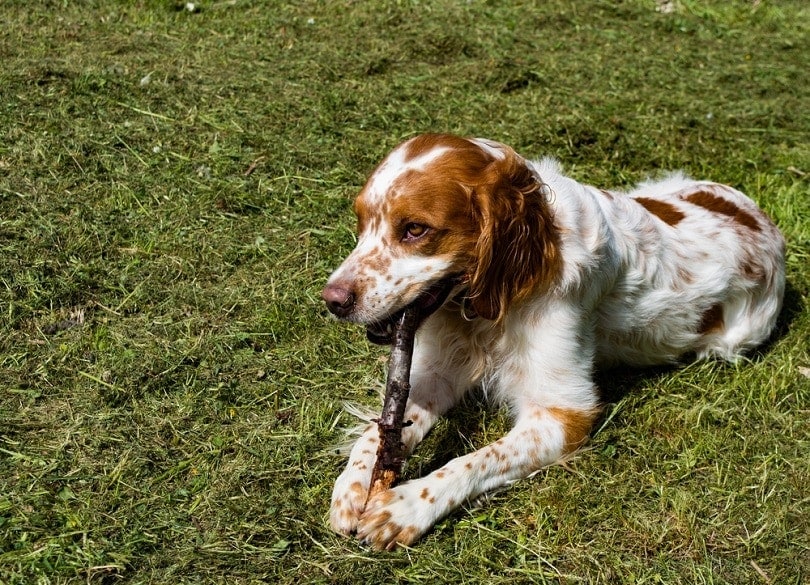
The French Brittany is a loving and loyal pet that can fit in with just about any family, as they live to make their humans happy. They can be patient and forgiving around young children, and they’ll love romping around with older kids.
Hunters will also get quite a bit of use out of them, as they respond favorably to gun training and enjoy flushing out and retrieving game.
However, these dogs have high exercise needs, so you shouldn’t adopt one if you can’t provide them with all the stimulation they need. If you have limited mobility or lead a sedentary lifestyle, this isn’t the dog for you.

American Brittany Breed Overview
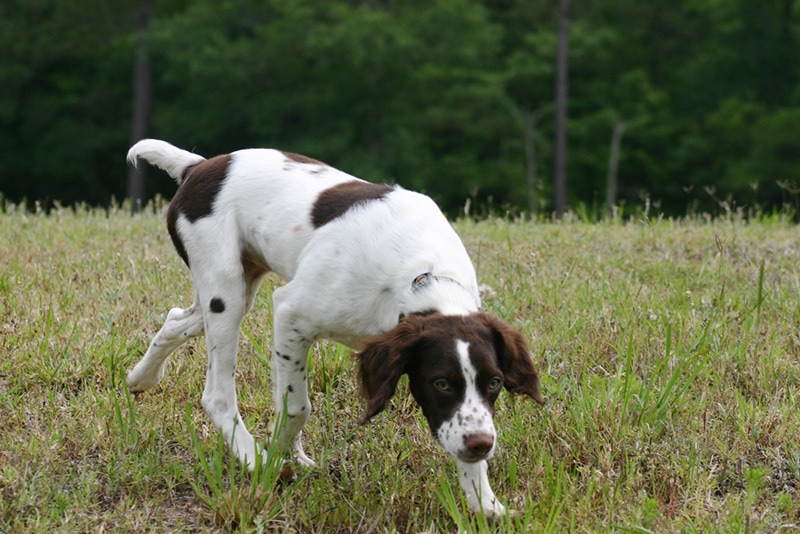
In 1931, the first French Brittanys made their way onto American shores. These dogs were quickly adopted by American hunters who loved their athleticism and eagerness to please.
However, for whatever reason — perhaps the fact that America has more wide-open spaces than France — the American Brittanys began to develop a different hunting style than their French cousins.
While French Brittanys stay close to their masters and check in with them often, the American version tends to roam more freely. American Brittanys also behave more like pointers than Spaniels while on a hunt, so don’t expect them to bring your quarry back to you once you’ve killed it.
American Brittanys also tend to be the larger of the two breeds for some reason (possibly because they’re swelled with pure American pride).
It’s worth noting that the American Brittany isn’t recognized as an official breed, and some organizations don’t distinguish between the two, lumping them both under the title of “Brittany.”
Personality/Character
There isn’t much in the way of personality differences between the two breeds. Both are energetic and affectionate, and both are very sensitive animals.
American Brittanys may have a bit more stamina, as they tend to cover more ground on hunts. This shouldn’t make much difference in their exercise needs, though, and you should expect to spend an hour or two per day tuckering them out.
Health & Care
As with their personalities, the two dogs have very similar health backgrounds. An American Brittany should be just as healthy as their French counterpart.
However, the fact that the American version tends to be a little stockier also makes them a bit more susceptible to hip dysplasia. This shouldn’t be seen as a deal-breaker by any means, but it is something to keep in mind when raising your dog.
Suitable For:
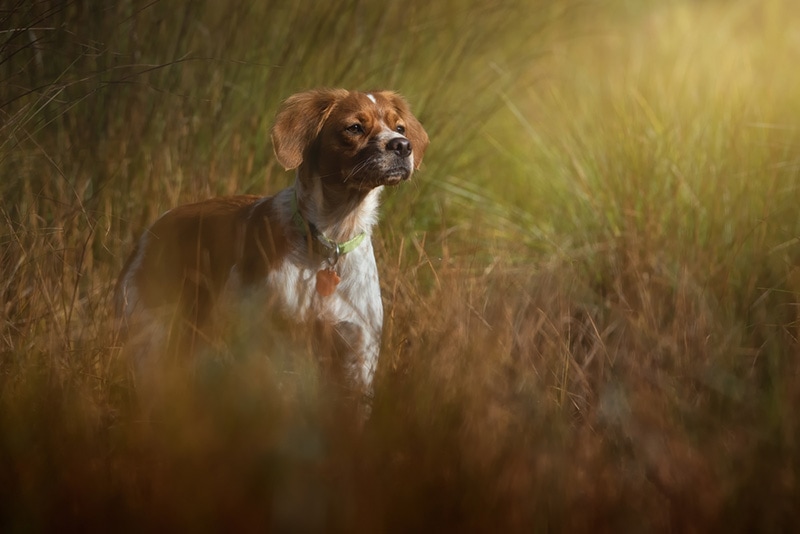
The American Brittany is suitable for the exact same type of person that the French Brittany is, namely, an active owner who’s willing to train their dogs with kindness.

Which Breed Is Right for You?
If you’re trying to choose between a French Brittany or American Brittany, take heart — there’s really no wrong answer. These dogs are so similar that you likely won’t see much of a difference regardless of which one you pick.
Really, when it comes to a French Brittany vs American Brittany, only dedicated hunters should have much of a preference. The French Brittany is usually considered a better hunting dog, as they’re more attentive while on the prowl than their American cousins. The American Brittany can still be trained to excel in the field, though.
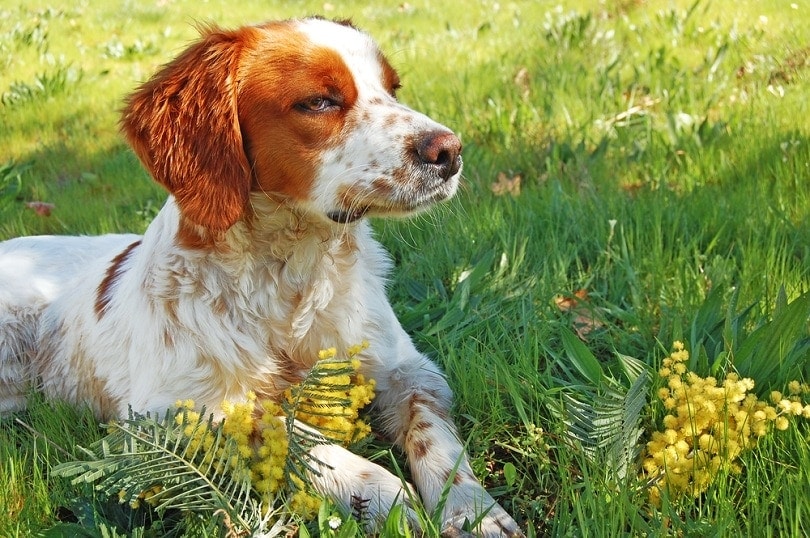
The only other question you really need to ask yourself is how big you prefer your dogs to be. If you want a stockier pup, then the American Brittany will often have 5 or 10 pounds on the French version. This isn’t a huge difference, but again, there really are not many huge differences between the two dogs.
At the end of the day, you may just want to flip a coin. Oh, and don’t worry if the coin gets away from you — your Brittany will track it down real quick.
Featured Image Credit By: (L) Mamo studios, Shutterstock | (R) D.G. Oakill, Shutterstock
Get Hepper In Your Inbox


Pet care tips from our vets and experts, straight to your inbox.
You may opt-out at any time. View our Privacy Policy for more information.

Nicole is a lover of animals of all sizes but is especially fascinated with the feline variety. She’s the proud mom of Baby, a Burmese, and works every day so he can relax in the sunshine or by the fire. She’s always had a cat in her home and has spent countless days with others, observing behaviors and softening up even the grouchiest of the lot. Nicole wants to share her kitty expertise with you so you and your cat can live happy, healthy, and care-free.
Join the conversation
Ask a question, share your story, or send private feedback.