Hepper is reader-supported. When you buy via links on our site, we may earn an affiliate commission at no cost to you. Learn more.
Fungal Infections in Dogs: Causes, Signs & Treatment (Vet Answer)

In this article
Fungal infections in dogs can range from a localized process (one involving the skin or affecting the nasal passages and associated sinuses) to systemic (generalized) disease. Various fungal organisms have been identified in dogs, some more common than others. However, the incidence of specific types of infections is typically related to the distribution of the fungal organisms.
Given the variability in the extent of disease and which organ systems might be involved, the prognosis for fungal infections can also vary significantly. Ideally, the organism responsible for the infection needs to be identified so that a treatment plan can be tailored specifically for the patient. Below, we’ll focus on the more common fungal infections described in dogs and address the issue of which of these can be transmitted to humans.

What Is a Fungal Infection?
A fungal infection, also known as a mycosis, is a disease caused by a fungus. Fungi are parasites that absorb food from the hosts on which they grow. A fungus can either be a yeast or a mold, with some species of fungi being able to exist as both a mold and a yeast. They are spore-producing organisms, with most fungal infections typically originating from the soil.
As mentioned above, fungal infections can either be localized or more invasive, typically referred to as systemic infections. Systemic infections, as the term suggests, involve multiple organ systems within the body.
What Fungal Infections Have Been Identified in Dogs?
Given the ubiquitous nature of fungi, it’s not surprising that various fungal infections have been described in dogs. That being said, broadly speaking, when it comes to fungal infections in dogs, it is worth differentiating between opportunistic and pathogenic fungi.
Pathogenic fungi can infect an apparently normal or healthy host. In contrast, opportunistic fungi are more likely to bring about infection in patients with a compromised immune system.
The following is a list of pathogenic fungal infections:
Miscellaneous and opportunistic fungal infections that have been identified in dogs include the following:
Where Do the Different Fungal Infections Most Commonly Occur?
For this article, we’ll focus on the most common systemic fungal infections and aspergillosis.
Aspergillus species are found worldwide and thus, aspergillosis has been described worldwide.
Blastomycosis is generally limited to the Mississippi, Missouri, Tennessee, and Ohio River basins and along the great lakes and the St. Lawrence Seaway. It also occurs in the Pacific Northwest.
Coccidioidomycosis is typically limited to the dry, desert-like regions of the southwestern United States and the valleys of southern California (hence, the other name for this disease is Valley Fever). It has also been described in areas of Mexico and Central and South America with similar climates.
With cryptococcosis, the causal fungi are found worldwide in soil and bird manure (particularly pigeon droppings), and thus, the disease has also been described globally.
While the fungus responsible for histoplasmosis is found worldwide, it appears to be more common in certain geographical regions, such as the midwestern and southern United States, especially in river valleys. It has also been described in certain parts of central Africa. Distribution of the organism is typically via bird and bat populations.
What Are Signs of Fungal Infections in Dogs?
Clinical signs seen with fungal infections depend on whether the disease process is localized or systemic and, if systemic, what organ systems are all involved.
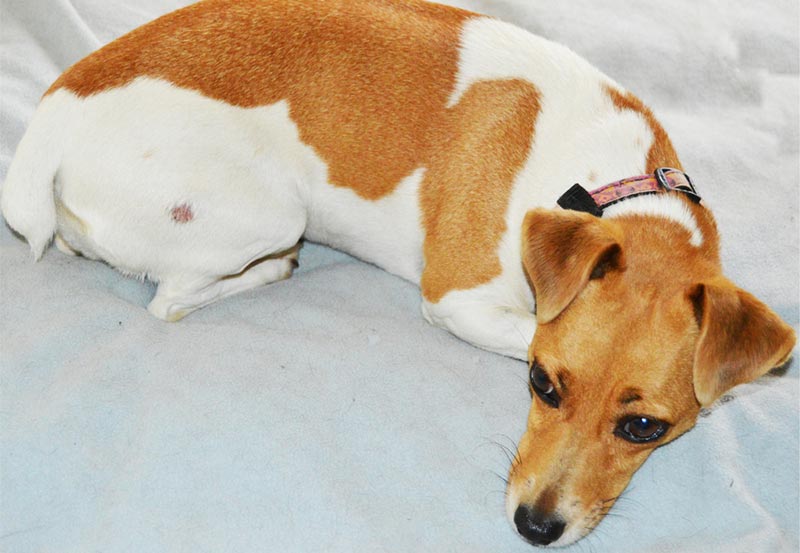
Sinonasal aspergillosis is an excellent example of a localized fungal infection and can present with any or a combination of the following clinical signs: nasal discharge, pain on palpation over the nasal cavity/associated sinuses, nasal depigmentation, ulceration surrounding the nostrils, sneezing, and lethargy.
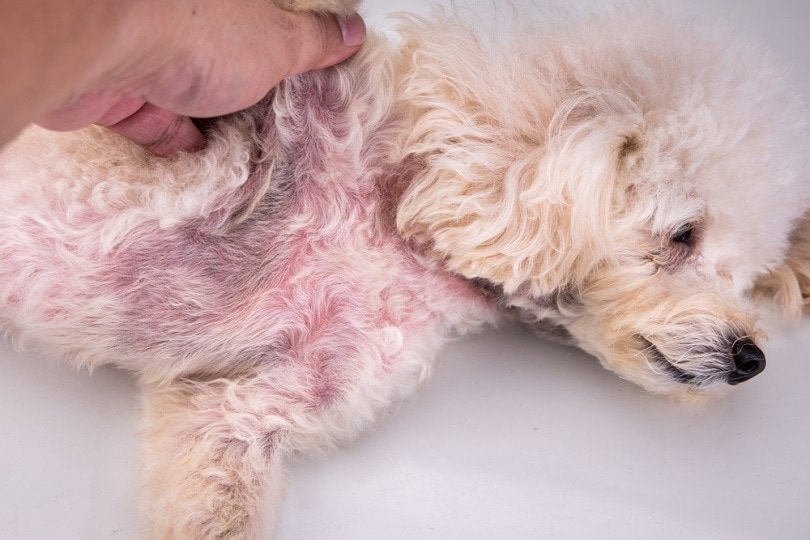
Coccidioidomycosis is a systemic fungal infection that primarily causes chronic respiratory tract disease but can spread to many tissues, such as the bones, eyes, and joints. Thus, dogs with systemic disease can present with any combination of the following signs: chronic cough, fever, lameness, swollen joints, diarrhea, and skin lesions, including ulcerations and draining tracts.
What Are the Causes of Fungal Infections in Dogs?
Fungal infections can be acquired by inhalation, ingestion, or through the skin, with the latter often associated with some degree of trauma.
As alluded to above, some fungi can cause disease in otherwise healthy animals, whereas others require changes in a host animal's normal defense mechanisms, or a compromised immune system, for them to establish an infection. Various factors can contribute to a compromised immune system, including viral infections, poor nutrition, cancer, prolonged use of antibiotics, or immunosuppressive drugs like steroids. The presence of such factors increases the likelihood of some fungal infections.
How Do I Care for a Dog With a Fungal Infection?
Again, depending on the extent of the disease, various treatment options exist. Topical antifungal therapy may be appropriate to control the disease process with a fungal skin infection that is well-localized. Systemic fungal infections, however, always require systemic treatment (e.g., oral antifungal medication).
Further treatment of cases of fungal infection is very much on a case-by-case basis. Surgery may be necessary in some cases, with a good example being in cryptococcosis to remove cryptococcal lesions from the nasal cavity or bridge of the nose. Fungal infections, such as pythiosis and lagenidiosis, generally require aggressive surgical resection as the mainstay of treatment.
Treatment courses can be lengthy. In the case of coccidioidomycosis, particularly in patients where the infection has spread, it is not uncommon for treatment courses to be at least 6 to 12 months. Unfortunately, the associated costs can be pretty expensive with such protracted treatment.
It is also worth touching on ringworm. This infection is typically a self-limiting disease in animals with a competent immune system and generally doesn’t require any treatment. However, given the potential for the spread of this organism to other animals in the household and even people, treatment is often instituted to shorten the disease course and prevent the spread as best as possible.

Frequently Asked Questions
Which of the fungal infections in dogs are considered zoonotic?
A zoonosis or infection with zoonotic potential can be transmitted between species, from animals to humans. Out of the fungal infections listed and discussed above, the following are considered to be potentially zoonotic, and extra care needs to be taken with handling animals with such infections:
- Basidiobolus (rare, opportunistic)
- Dermatophytosis (ringworm)
- Possibly histoplasmosis (reports in Africa)
- Sporotrichosis
What is the prognosis for dogs with fungal infections?
With systemic fungal infections, the prognosis for long-term survival is generally considered guarded to even poor. This is dependent on the extent of the disease. Pythiosis and lagenidiosis are, unfortunately, generally regarded as fatal.

Conclusion
Fungal infections in dogs can range from localized processes to often more life-threatening systemic diseases. As such, the treatment for fungal infections and the prognosis can also vary significantly. Ideally, to optimize treatment and the chance of a successful outcome, the underlying organism for the disease needs to be identified to select the most appropriate therapy. It is also essential to recognize that some fungal infections in dogs are considered zoonotic.
See Also:
Sources
Featured Image Credit: Tienuskin, Shutterstock
Get Hepper In Your Inbox


Pet care tips from our vets and experts, straight to your inbox.
You may opt-out at any time. View our Privacy Policy for more information.
Matt is a veterinarian whose professional interests include gastroenterology, the nutritional management of pancreatitis, immune-mediated diseases, and the various ‘zebra’ cases that he tends to attract. He holds a BVSc (Honours) from the University of Pretoria, South Africa, and most recently became a Diplomate of the American College of Veterinary Internal Medicine in Small Animal Internal Medicine. In his spare time, you'll find Matt drinking coffee, watching horror movies, writing, drawing, and running.
Matt is a veterinarian whose professional interests include gastroenterology, the nutritional management of pancreatitis, immune-mediated diseases, and the various ‘zebra’ cases that he tends to attract. In his spare time, you'll find Matt drinking coffee, watching horror movies, writing, drawing, and running.
Education
Matt earned a BSc (majoring in veterinary biology) in 2009 from the University of Pretoria, South Africa. In 2013, he earned a BVSc, and in 2016 with BVSc (Honours) in small animal internal medicine and diagnostic imaging.
Experience
In 2014, Matt completed a small animal rotating internship at Onderstepoort Veterinary Academic Hospital (University of Pretoria), followed by a small animal internal medicine internship in 2015. Matt worked as an emergency veterinarian at Bryanston Veterinary Hospital from 2016-2017 before moving to New Zealand, where he began a small animal internal medicine residency at Massey University. Matt joined the Veterinary Nutrition Group after completing his residency in 2020, to offer remote consultancy in internal medicine and nutrition, and in 2022 he became a Diplomate of the American College of Veterinary Internal Medicine in Small Animal Internal Medicine.
Join the conversation
Ask a question, share your story, or send private feedback.