Hepper is reader-supported. When you buy via links on our site, we may earn an affiliate commission at no cost to you. Learn more.
Can Humans Get Yeast Infection From Dogs? Vet Approved Facts


Yeast can be both problematic and beneficial. It depends on its location, population, and effects. Like bacteria, it’s typically found on your skin and in your digestive tract. Your dog also has yeasts on its skin. Usually, our bodies naturally keep things under control, and the yeast isn’t allowed to replicate to such an extent that it causes problems. However, some conditions may cause the yeast to proliferate and become symptomatic. These infections are common in humans and canines.
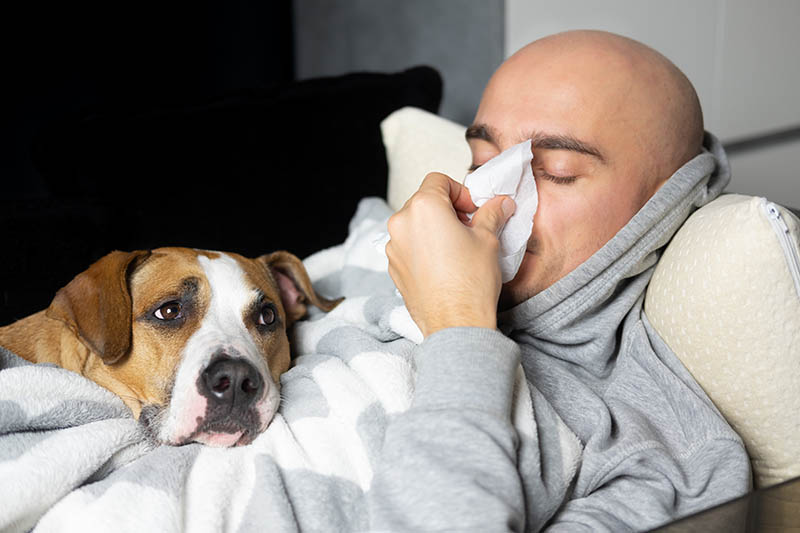
You may wonder if you can get a yeast infection from your pet if your vet has diagnosed it. The answer is almost certainly not. Your dog probably didn’t get it from another dog. Yeasts are normally present on both your and your dog’s skin, and they need specific conditions to survive and multiply within the infected animal. While yeast infections aren’t believed to be contagious, it’s best to err on the side of caution if your pup has one, especially if you are immuno-suppressed (pregnant, on chemotherapy or steroids). That means the same precautions you’d take to prevent the spread of any contagious disease.

About Yeast Infections
Yeasts are a kind of fungus. Some, such as Saccharomyces cerevisiae, are beneficial as a leavening and fermentation agent in bread and wine. Others can be described as opportunistic pathogens which means they live in harmony on and in an organism, but they will invade and cause disease if the right conditions arise. Our immune system keeps them in check normally. However, overgrowth of these fungi can occur in immuno-compromised individuals, cancer patients, those with allergies and those on antibiotics.
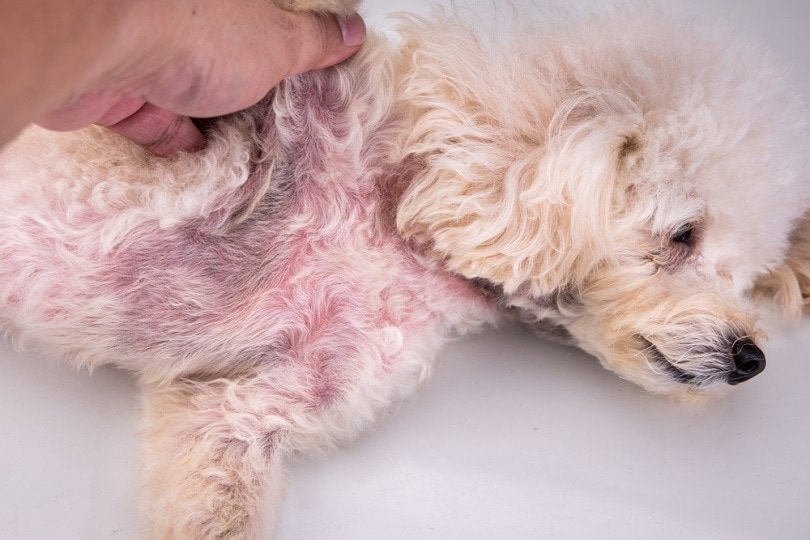
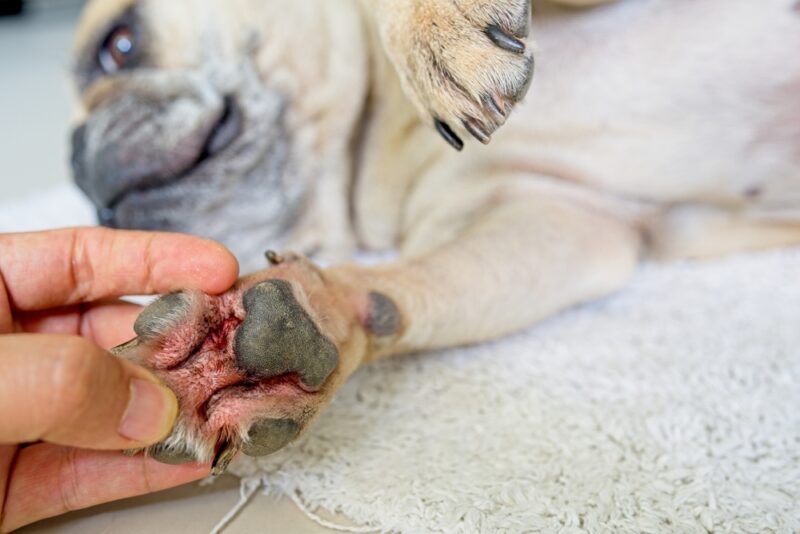
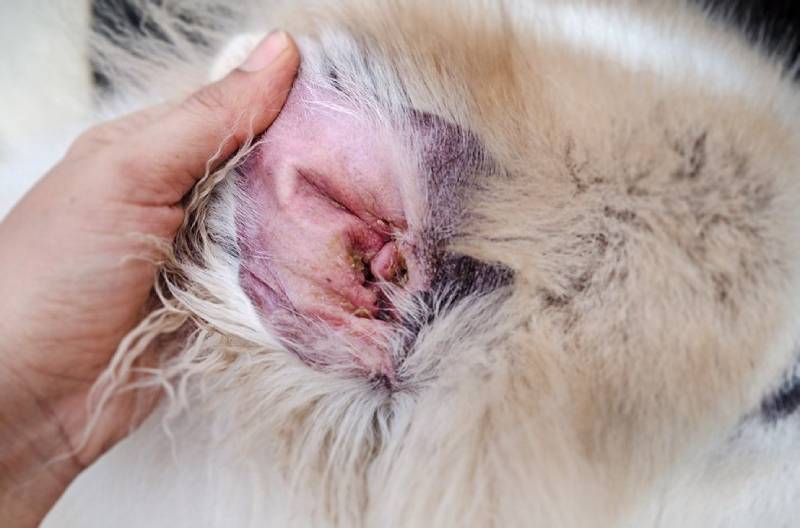
The most common species of yeast that causes disease in our canine friends is called Malassezia pachydermatis. It is a common commensal (occurs without causing disease) in both humans and animals, but an abnormal overgrowth can cause Malassezia dermatitis (inflammation of the skin). The signs of Malassezia dermatitis that you may notice in your dog include the following:
- Unpleasant odor
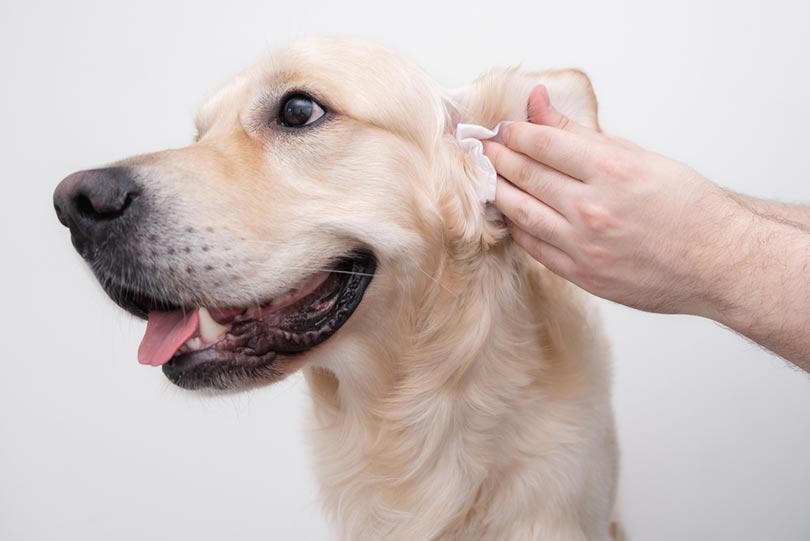
- Dark, greasy discharge from the ears
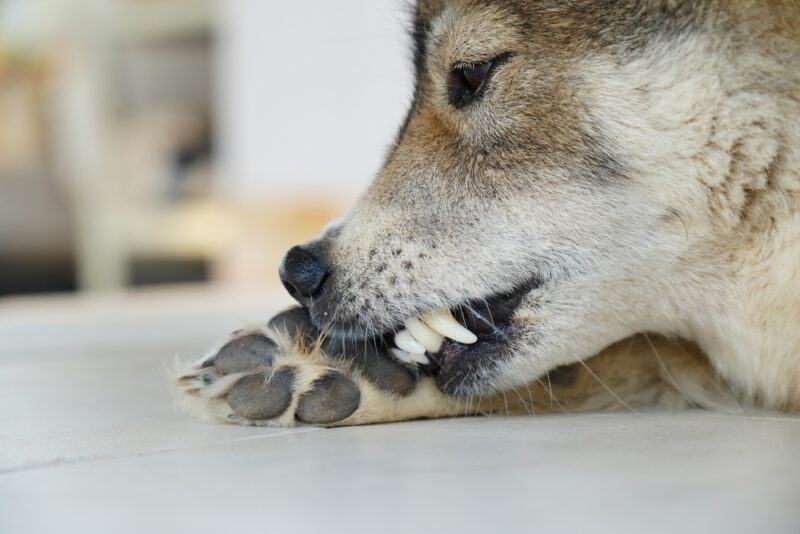
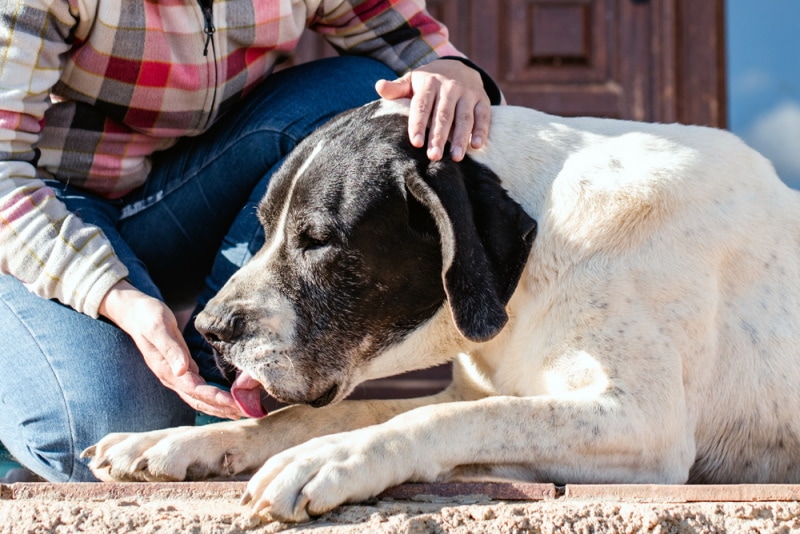
- Itching or constant licking of the area
- Thickened skin
Yeast infections are not fatal. However, they are hugely uncomfortable and can lead to secondary bacterial conditions, which are potentially serious. Some breeds, such as Chihuahuas, Cocker Spaniels, and West Highland White Terriers, are more susceptible than others. Ears, paws and skin folds are commonly affected areas.
The common yeast infection that occurs in humans that are run-down or immunosuppressed is caused by a type of fungus called Candida. Infections by Candida species are uncommon in dogs, but frequently affect birds.
Barriers and Avenues of an Infestation
Scientists have documented and described roughly 1,500 yeast species. However, it’s worth noting that this may be a gross underestimate of the actual number. That adds a wrinkle to answering the question of human-dog transmission definitively. Nevertheless, barriers often exist with many yeast infections that prevent it from occurring.
Yeasts need specific conditions to allow them to multiply and cause infection. If these conditions aren’t met, a yeast shouldn’t cause disease. Therefore, stroking a dog with a yeast infection is unlikely to cause disease in the human contact, unless that person has a cut on their hand or is immuno-suppressed in some way.
Many parasites are host-specific, meaning they target only certain animal species. Yeast infections however are opportunistic pathogens, and can infect different species if the conditions are right. One genera typically affects dogs; Malassezia. Candida species most commonly affect people, although both genera have the potential to infect both species. The former can cause conditions like seborrheic dermatitis in humans and canines. The latter rarely affects dogs, and is more common in birds than other domestic species.
A study considered the genetic properties of Candida albicans to determine if species-specificity existed within the various strains, including samples from dogs. The researchers found no evidence that this trait was present. They concluded that other species could carry the C. albicans infection without this genetic separation. But wait, there’s more!
Another scientific paper documented two causes of the relatively rare periorificial dermatitis caused by Candida parapsilosis. This yeast lives on the skin of dogs and humans. The individuals infected by the condition both volunteered at animal shelters, raising the possibility of this form of candidiasis being zoonotic or transmissible from other species to humans.
If these weren’t merely isolated incidences, it would flip the script on whether humans can get yeast infections from dogs. A growing body of evidence suggests it is possible which leads us to only one conclusion.
Playing It Smart
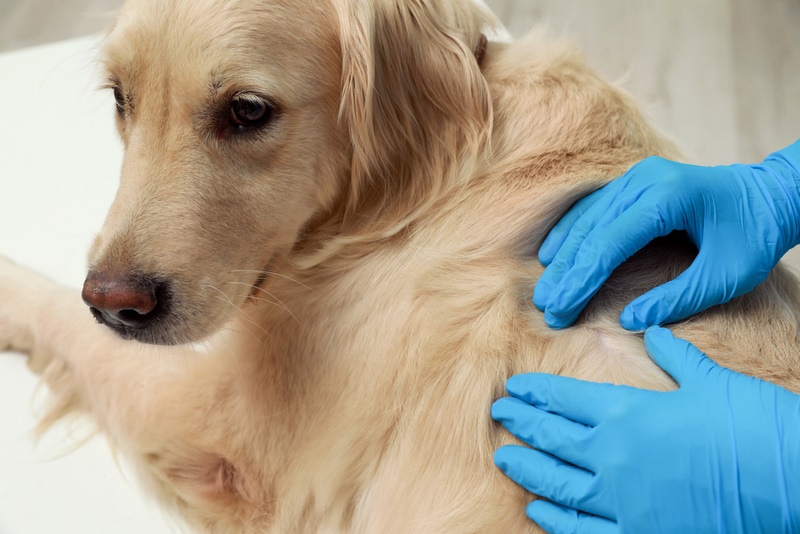
If your dog—or you—have a yeast infection, it’s best to take precautions when handling your pet. If you notice any signs we discussed, consult your veterinarian. In the meantime, wash your hands after petting your dog and instruct your children to do the same.

Final Thoughts
Many sources we checked dismissed the notion of a yeast infection being contagious to humans. However, new findings may tell a different story. We recommend letting common sense prevail as you would if anyone in your household were ill. Washing your hands thoroughly is one of the easiest and most effective ways of preventing an infection from spreading.
Also see:
Sources
Featured Image Credit: ThamKC, Shutterstock
Get Hepper In Your Inbox


Pet care tips from our vets and experts, straight to your inbox.
You may opt-out at any time. View our Privacy Policy for more information.
Chris is an experienced pet writer specializing in science topics, with a particular passion for health and the environment. She has been a writer for over 15 years and lives with her husband and three cats in Michigan.
Beyond writing about cats and dogs, Chris loves to learn about wine. She has WSET 1 and 2 certifications and is currently pursuing her Certified Wine Specialist Award (CSW).
Join the conversation
Ask a question, share your story, or send private feedback.