Hepper is reader-supported. When you buy via links on our site, we may earn an affiliate commission at no cost to you. Learn more.
Can You Catch a Stomach Bug from a Dog? 14 Diseases You Can Catch



Your best friend follows you around the house, sleeps at your feet, and waits at the door for you to come home. A loyal dog rarely leaves your side, but should you distance yourself when your pet has a stomach bug? Although canine influenza virus cannot be spread to humans, several other infections and diseases can be passed on from your dog, or vice versa and it’s vital to improve your sanitary practices when caring for a sick pet. Yes, it is possible for your dog to make you sick, infections that can pass from animals to humans are Zoonotic.
Norovirus is one of the primary causes of foodborne illness in the United States, and until recently, experts believed that the virus could not be transmitted from dogs to humans. However, a 2015 study published by The Journal of Microbiology found the human norovirus can cause an immune response in dogs.1 That means that dogs can carry the norovirus, but it is unclear yet if dogs can transmit the virus to humans. Veterinary specialists recommend frequent hand washing, house cleaning, and minimizing contact with a dog when it’s ill to reduce the chances of contracting a zoonotic disease that has been proven to be spread from dogs to humans.

The 14 Diseases That Spread from Dogs to Humans

Although some illnesses spread from canines to humans cause minor symptoms, others can lead to severe medical conditions and death. The Centers for Disease Control and Prevention (CDC) suggests following sanitary guidelines and maintaining routine veterinary care to minimize the chances of contracting an infection from your furry friend.
1. Giardiasis
Contracting giardia from a dog is rare but possible. Most of the time, humans with giardia suffer from a different type of disease than the one common in dogs. The parasite can be spread when the contaminated feces of an infected animal or person are transmitted by food, water, soil, or on surfaces. Humans who are most at risk of becoming ill from giardia include:
- International travelers
- Caretakers of children in diapers
- People swimming in natural lakes, rivers, and ponds
- People who consume contaminated water in natural bodies of water
- Sexual partners exposed to contaminated feces from someone infected with giardia
Symptoms of a giardia infection in dogs can include greasy stools, dehydration, and diarrhea. Infected humans can experience gas, abdominal pain, diarrhea, vomiting, and nausea.
2. Hookworm
Puppies can get hookworms from drinking their mother’s milk and when they’re in the womb. Adult canines can get them from consuming the parasites outdoors or when the worm penetrates their skin. Human infections occur when someone comes in contact with contaminated soil by kneeling, sitting, or walking barefoot.
Hookworms are more common in subtropical and tropical areas, but the parasite is present in North America. Dogs with hookworms can experience weight loss, bloody stools, anemia, and death if it’s not treated. Humans with hookworms often have skin irritation where the parasite entered, but most symptoms clear up after 4 to 6 weeks. However, in rare instances, a hookworm can cause intestinal inflammation.
3. Ringworm
Dogs suffering from ringworm, a fungal infection, may have broken hairs, bumps similar to acne on their skin, and bald patches on fur. Ringworms can be spread by touching infected people or animals or contacting surfaces such as towels or blankets contaminated by the parasite. Humans with weak immune systems are more vulnerable to ringworm. Human symptoms include cracked skin, scaling, discolored nails, redness, and a ring-shaped rash.

4. Roundworm
People can contract ocular toxocariasis or visceral toxocariasis after exposing themselves to roundworms. Dogs with roundworms expel the parasites’ eggs in their feces, and the eggs can contaminate soil, toys, food, and sleeping areas. Washing your hands after touching infected animals or feces is the best protection against infection. Dogs with parasite can have a swollen belly and dull coat, and puppies with severe conditions can die without treatment.
5. Brucellosis
Sheep, goats, dogs, and pigs are common carriers of the bacterial disease Brucellosis. Humans often contract the disease by consuming unpasteurized milk but can also get it by touching a contaminated animal or animal products like birthing fluids or placentas. Raw milk drinkers and people who work closely with animals are more susceptible to Brucellosis, and most people with the disease may have symptoms similar to the flu for 2 to 4 weeks. Dogs do not always display symptoms, but Brucellosis can lead to spinal problems, infertility, reproductive organ infections, and brain or eye inflammation.
6. Tapeworm
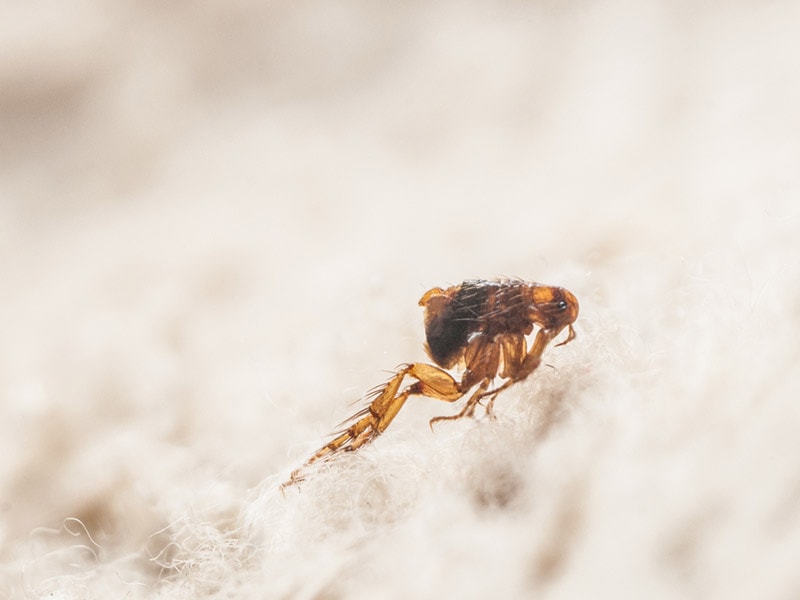
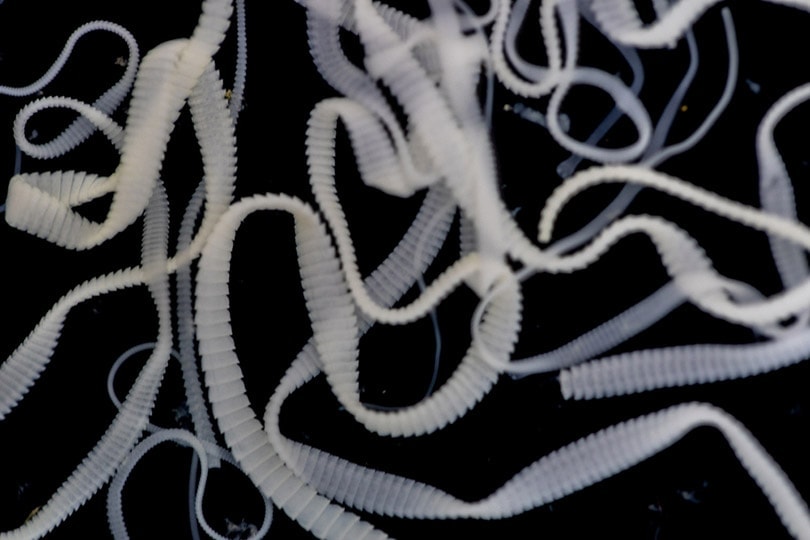
Tapeworms rarely cause severe illness in humans, but they can be spread when a human, cat, or dog eats an infected flea. Tapeworms do not usually cause troubling symptoms in dogs, but they can cause gastrointestinal problems and weight loss without treatment. The parasite can be detected when tiny, rice-like worms are seen in the feces of dogs or humans.
7. Capnocytophaga
People with a Capnocytophaga infection may experience redness, swelling, blisters, fever, headache, diarrhea, and vomiting. The bacteria are common residents in the mouths of cats and dogs, but they do not cause illness in the animals. The infection can be transmitted from a dog to a human from a bite or scratch. Most people do not become ill from the bacteria, but those with compromised immune systems are at higher risk.
8. Campylobacteriosis
The Campylobacter bacteria can be spread when humans touch an infected animal, the animal’s feces, toys, bedding, or food. Washing your hands after touching infected dogs or surfaces is the ideal method of preventing an infection. Dogs may not show symptoms of an infection, but some can have diarrhea. Symptoms in humans may include fever, bloody diarrhea, and abdominal cramps.
9. Leptospirosis
This bacterial disease is spread through the contaminated urine of pigs, cattle, rodents, horses, or dogs, and the bacteria can survive in contaminated soil or water for months. The people most vulnerable to an infection include veterinarians, farmers, sewer technicians, and slaughterhouse workers. Infected dogs may experience diarrhea, vomiting, appetite loss, fever, jaundice, conjunctivitis, and in severe cases, the animals can get liver or kidney failure. Some humans may not show symptoms, but others can experience chills, fever, muscle pain, vomiting, jaundice, abdominal pain, rash, or conjunctivitis.

10. MRSA
Methicillin-Resistant Staphylococcus aureus is an antibiotic-resistant bacteria spread by touching an infected dog or person. Dogs without symptoms can spread MRSA, but most people who contract the infection may only suffer from skin irritation. However, the bacteria can move to a human’s bloodstream or lungs if left untreated. It is a particular concern for those undergoing surgery. Common symptoms in canines include respiratory, skin, and urinary tract infections.
11. Plague
The Yersinia pestis bacteria can be passed to people or animals from the bite of an infected flea, inhaling droplets from a coughing animal, or touching an infected carcass. People living in the rural areas of the Western United States who have close contact with animals are more at risk for contracting the plague. Dogs with the plague can experience appetite loss, decreased energy, fever, swollen lymph nodes, breathing problems, and death. In humans, bubonic plague is the most prolific form of the bacteria and can cause fever, headaches, chills, and swollen lymph nodes. Septicemic plague and plague pneumonia can lead to more severe illnesses.

12. Rabies
Although rabies is a fatal neurologic disease, it’s less prevalent in domesticated animals because of effective vaccination and animal control methods. People and dogs are more vulnerable to the disease when they frequently encounter foxes, raccoons, skunks, and bats. Dogs with rabies can die shortly after symptoms such as restlessness, appetite loss, panting, and aggressiveness appear. Dog bites must be treated immediately to rule out a rabies infection because symptoms in humans can occur months after exposure when it’s too late to treat the disease.
13. Salmonellosis
Salmonella bacteria can be spread from dogs to people and from people to people. It’s often spread through contaminated food. Pets can spread the infection without displaying symptoms, but people who wash their hands after touching an animal, pet food, or feces are less likely to get infected. Humans can experience fever, abdominal pain, and diarrhea, and dogs may have fever, vomiting, appetite loss, or diarrhea, but most do not get sick from Salmonella.
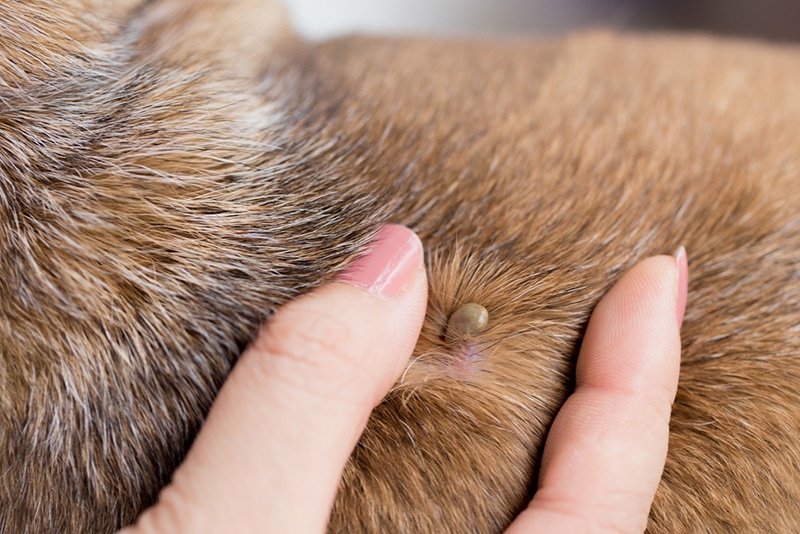
14. Diseases Spread by Ticks
Periodic veterinary visits, tick repellant (for humans), and preventative medication (for dogs) can keep you and your pet safe from tick-borne diseases. Ehrlichiosis and Lyme disease are common diseases spread by the bite of an infected tick. Ehrlichiosis in dogs can cause weight loss, vomiting, fever, nosebleeds, and decreased energy, and it can lead to fever, body aches, chills, and rashes in humans. Dogs suffering from Lyme disease can have a fever, leg lameness, and loss of appetite. The disease in humans can cause multiple symptoms that include fatigue, headache, fever, rash, muscle pain, and swollen lymph nodes.

Final Thoughts
Although you cannot get the canine flu from your pet, plenty of diseases can be spread from dogs to humans. The threat of deadly illnesses may seem concerning, but most infections can be avoided with preventative measures. Keeping your home and pets clean, visiting the veterinarian twice a year, monitoring your dog outside, and using flea and tick medications and repellents can reduce your chances of getting sick from your canine.
Related Reads:
Sources
Featured Image Credit: unknownuserpanama, Pixabay
Get Hepper In Your Inbox


Pet care tips from our vets and experts, straight to your inbox.
You may opt-out at any time. View our Privacy Policy for more information.
Nicole is a lover of animals of all sizes but is especially fascinated with the feline variety. She’s the proud mom of Baby, a Burmese, and works every day so he can relax in the sunshine or by the fire. She’s always had a cat in her home and has spent countless days with others, observing behaviors and softening up even the grouchiest of the lot. Nicole wants to share her kitty expertise with you so you and your cat can live happy, healthy, and care-free.
Join the conversation
Ask a question, share your story, or send private feedback.