Hepper is reader-supported. When you buy via links on our site, we may earn an affiliate commission at no cost to you. Learn more.
Small Münsterländer: Breed Info, Pictures, Temperament & Traits
In this article
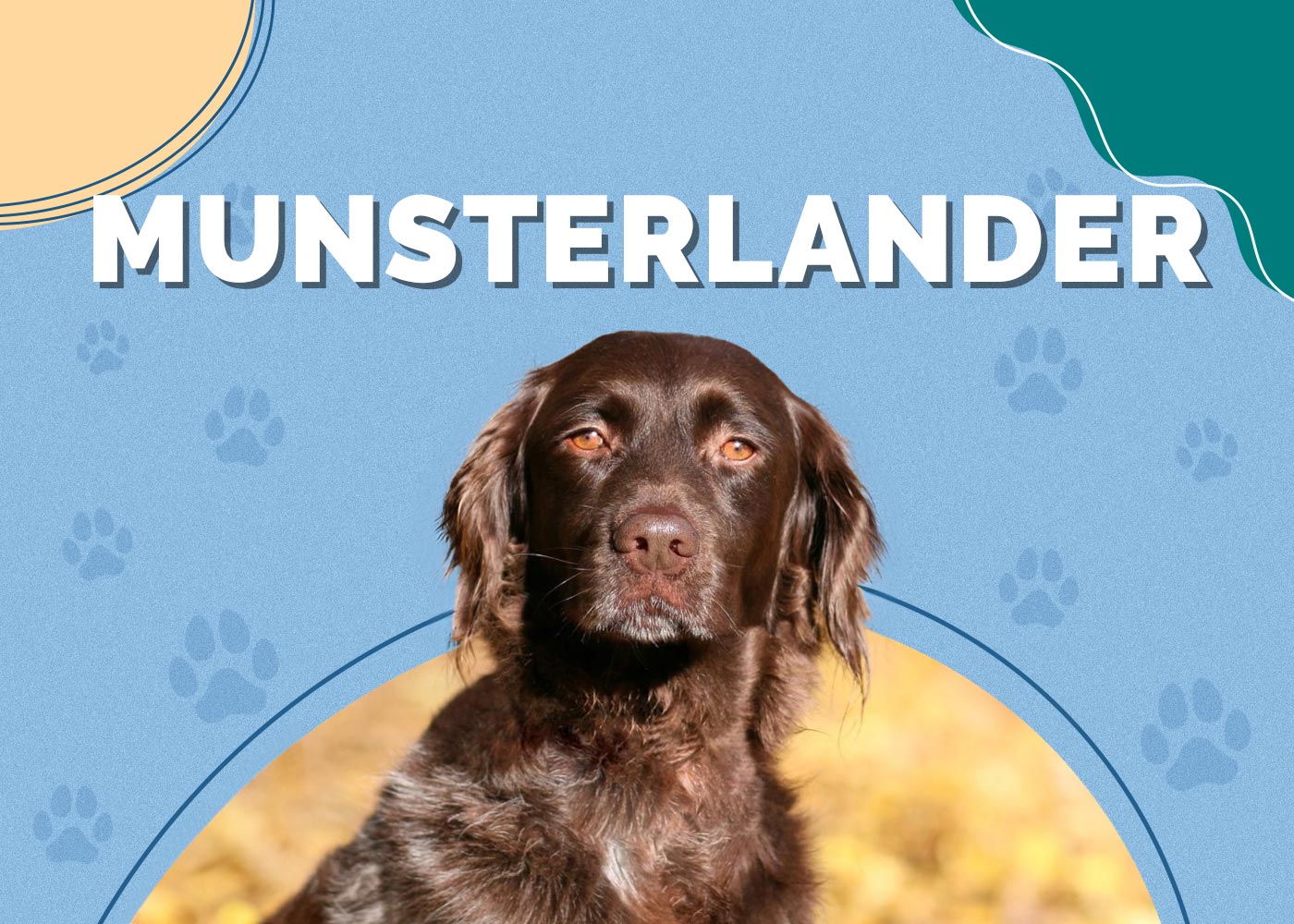
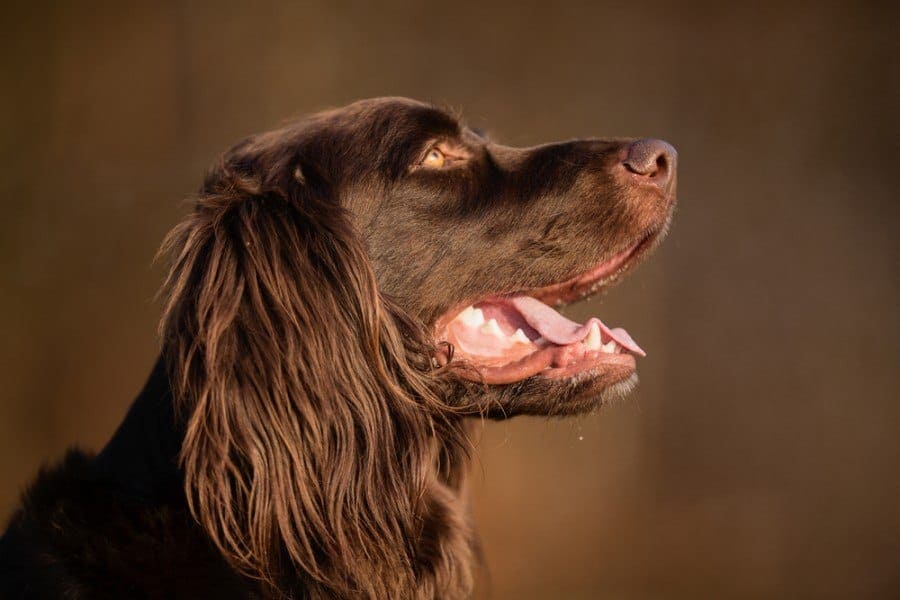
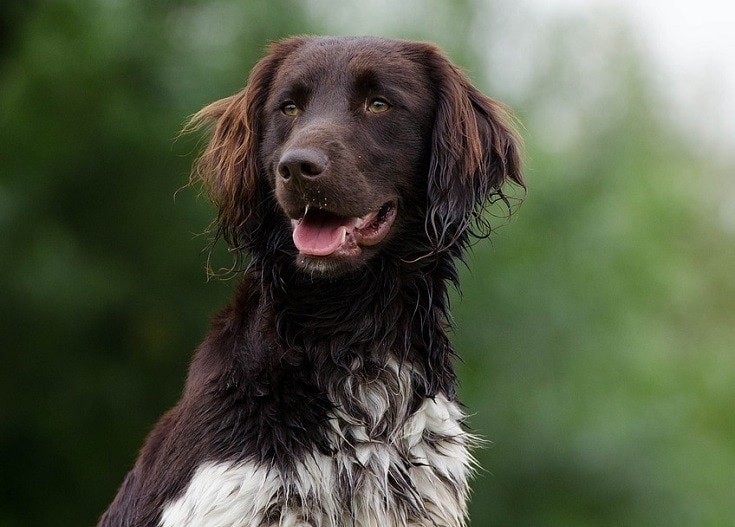
The Small Munsterlander (sometimes written as Muensterlaender) is a medium-sized purebred dog from Germany used for hunting and as a family dog. They are called “small” to differentiate between the Large Munsterlander, which is slightly larger than the smaller but unrelated Small Munsterlander. They originated in the Münsterland region in Germany in the mid-1800s and are used for pointing, retrieving, and tracking.
Breed Overview
Height:
Weight:
Lifespan:
Colors:
Suitable for:
Temperament:
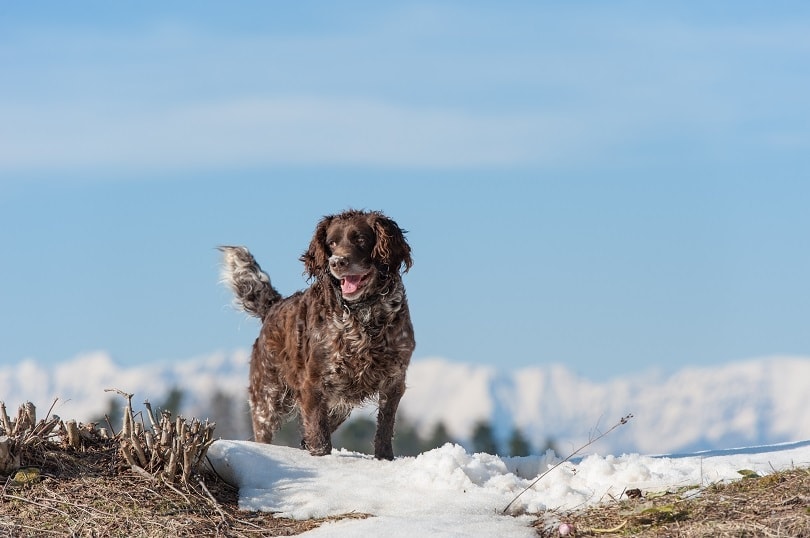
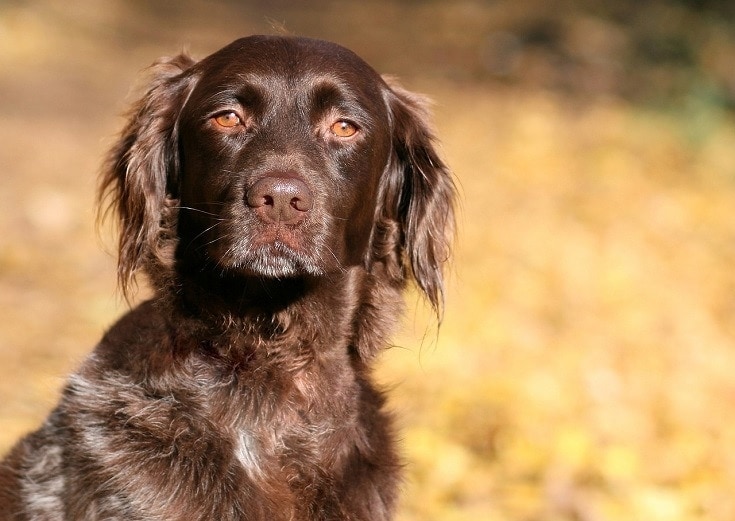
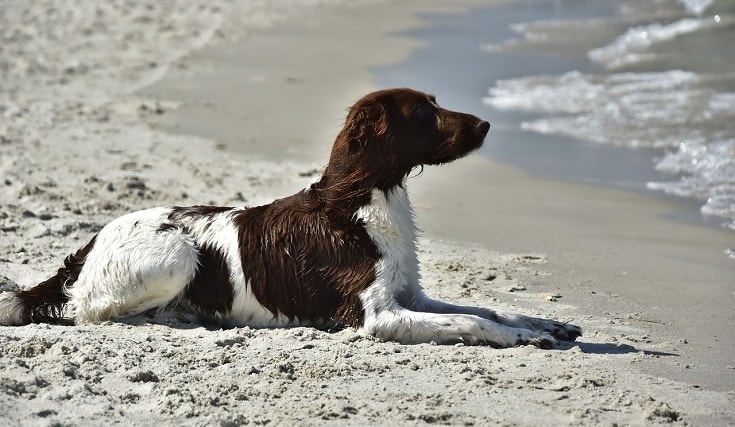
The Small Munsterlander has a long muzzle with long, folded ears and a beautiful feathered tail. Their coats are glossy and thick, usually medium in length, straight or with a slight wave, and have feathering on the ears and legs. They can be brown and white or brown roan with large brown patches or brown ticking.
Small Munsterlander Characteristics

Small Munsterlander Puppies
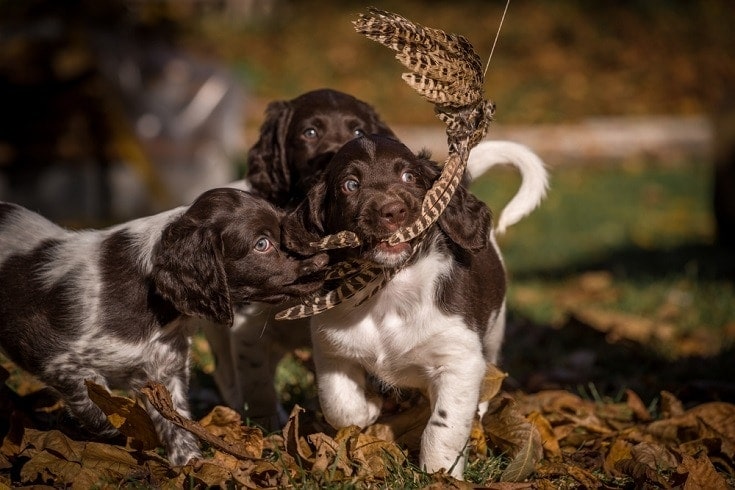
The Small Munsterlander is a very active and energetic dog known to be very healthy and has an average lifespan expected for its size. Their intelligence and agreeable natures make them easy to train, and they are very friendly, social dogs with everyone they meet.
Be sure to find a reputable and responsible breeder and avoid puppy mills at all costs.
Here are four tips when dealing with a breeder:
You could also consider adopting a dog or puppy through a rescue group. If you rescue a dog, you will give the dog a second chance at a happier life. Also, many rescue groups waive adoption fees if you take a special needs or senior dog home.

Temperament & Intelligence of the Small Munsterlander
The Small Munsterlander is a very social and friendly dog with other dogs and strangers and will demonstrate his love for everyone with exuberance. They are very adaptable dogs that are confident and devoted and will want to sleep at the foot of your bed.
The Small Munsterlander is intelligent, proficient at learning, and is very even-tempered. They are energetic and playful when outside but calm while indoors.
Are These Dogs Good for Families?
The Small Munsterlander is a fantastic dog for many families. However, be prepared to spend a lot of time playing with and finding activities for your dog so he won’t become bored. They are very patient and loving with children but always supervise when any dog is around young children. You should consider teaching your children to respect all dogs, which makes things safer for both your children and your dog.
Does This Breed Get Along with Other Pets?
The Small Munsterlander gets along very well with all animals, particularly with other dogs, as they were bred to be pack animals. They are strong hunting dogs, which needs to be considered if you have any smaller pets in the home. Like with any dog, they should be trained and socialized well when they are puppies.

Things to Know When Owning a Small Munsterlander:
Food & Diet Requirements
Start by finding a high-quality dry dog food (like this one). How often and how much you feed your Small Munsterlander will depend on his age, size, and activity level. You can also follow the guidelines found on the back of the dog food bag that can help you determine the daily amount you should feed your dog. Consider consulting with your vet if you’re concerned with your dog’s health or weight.
Exercise
Exercise is the name of the game for the Small Munsterlander! These dogs have very high exercise needs that are usually dealt with while out hunting. If you don’t hunt, you need to take your dog for long walks and allow him the chance to run in an enclosed area but be sure to keep him supervised, or he might run away. You can also provide him with a variety of activities to keep him entertained, including puzzle toys. Also, consider signing him up for obedience and agility trials as well as the aforementioned hunting and retrieving trials and tests.
Training
Training the Small Munsterlander is relatively easy. They are very intelligent dogs that are strongly devoted to their owners, so they learn quickly and are able to retain what they learn. They prefer to spend time with their families, so incorporate them into your daily activities while socializing, and you’ll have well-adjusted family members.
Grooming
The Small Munsterlander only needs about a weekly brushing unless he’s been running through dirt and bushes. They tend to be seasonal shedders, so increase the brushing to several times a week, if not daily, in the spring and fall to keep up with the excess fur. They only need an occasional bath, no more than once a month with a dog shampoo.
You should brush your Small Munsterlander’s teeth about 2 or 3 times a week, clean his ears around once a month, and trim his nails every 3 to 4 weeks.
Health Conditions
The Small Munsterlander is a very healthy breed with no known predisposed health conditions. Your vet will want to conduct the usual physical exam as well as run blood and urinalysis tests to ensure your dog is in good health, but your breeder should also provide you with a full medical background on your puppy before you bring him home.
Male vs Female
One difference between the male and female Small Munsterlander is in size. The male can be 20.5 to 22 inches, and the female stands about 19 to 21 inches in height. They tend to weigh 40 to 60 pounds so expect the female to weigh closer to the lighter side and the male on the heavier side of that range.
One of the biggest differences between males and females will depend on whether or not you decide to have surgery for your dog. Neutering the male dog isn’t as challenging a procedure as spaying the female, so it will be less expensive and easier to recover from. Having your dog spayed or neutered will potentially give your dog a longer life as it is known to prevent serious health conditions.
The final main difference is thought to be the distinction between the personalities of male and female dogs. It is believed that males are a little less affectionate and not as easy to train as females, but there are debates about that. What can genuinely determine a dog’s personality and temperament is how he was trained and socialized as a puppy and how he is treated as an adult.

3 Little-Known Facts About the Small Munsterlander
1. The Small Munsterlander stays puppyish for at least 2 years.
They are fairly slow to mature, and you can expect to have a “young at heart” puppy for at least the first 2 years of their lives.
2. The Small Munsterlander might do best hunting.
They were bred to become versatile hunting dogs, and they are usually happiest and at their best when hunting with their owner.
3. The Small Munsterlander has an amazing sense of smell.
Again, this goes back to their talent for hunting, as their sense of smell makes them fantastic tracking dogs, which could also be used for retrieving and hunting trials or tests.
Final Thoughts
These dogs have gained more popularity in North America, and you can find breeders in Canada and the United States with a quick Google search. Just don’t forget to follow the tips listed earlier to ensure your breeder is a good one. You may also post a request for a puppy on social media if you can’t find a puppy in your area. Paying airfare to bring a puppy to you can be quite expensive. Also, don’t forget to consider adopting. There are breed-specific rescue groups, such as the SMCA Rescue Program run out of the Small Munsterlander Club of America.
The Small Munsterlander is a gorgeous dog that is affectionate and smart and makes an excellent companion for the entire family.
Sources
https://www.akc.org/expert-advice/lifestyle/9-tips-finding-working-responsible-breeder/
https://www.akc.org/expert-advice/training/teaching-young-children-respect-dogs/
https://www.petmd.com/dog/conditions/musculoskeletal/c_dg_hip_dysplasia
https://www.petmd.com/dog/care/spay-and-neutering-dogs-101-everything-you-need-know
Featured Image: 825545, Pixabay
Get Hepper In Your Inbox


Pet care tips from our vets and experts, straight to your inbox.
You may opt-out at any time. View our Privacy Policy for more information.

Nicole is a lover of animals of all sizes but is especially fascinated with the feline variety. She’s the proud mom of Baby, a Burmese, and works every day so he can relax in the sunshine or by the fire. She’s always had a cat in her home and has spent countless days with others, observing behaviors and softening up even the grouchiest of the lot. Nicole wants to share her kitty expertise with you so you and your cat can live happy, healthy, and care-free.
Join the conversation
Ask a question, share your story, or send private feedback.