Hepper is reader-supported. When you buy via links on our site, we may earn an affiliate commission at no cost to you. Learn more.
Munsterlander | Dog Breed Info: Pictures, Personality & Facts
In this article
Breed Overview
Height:
Weight:
Lifespan:
Colors:
Suitable for:
Temperament:
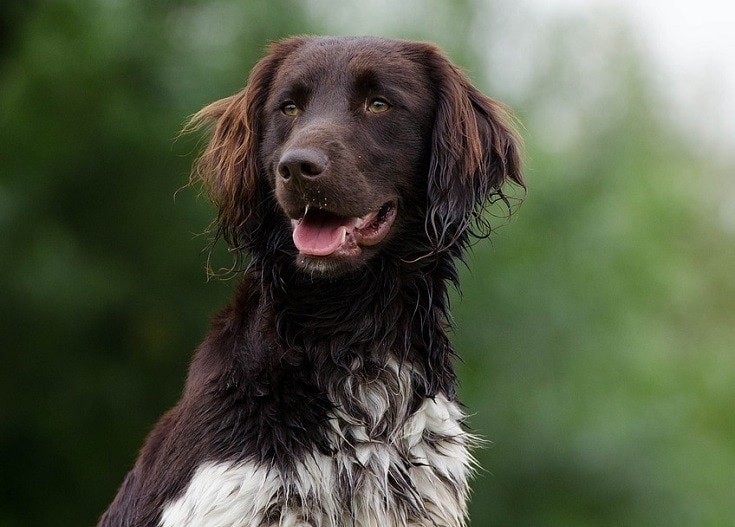
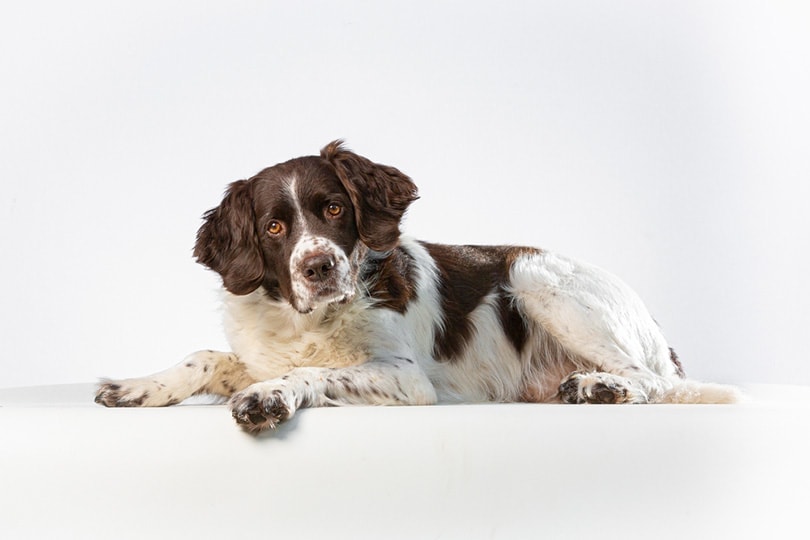
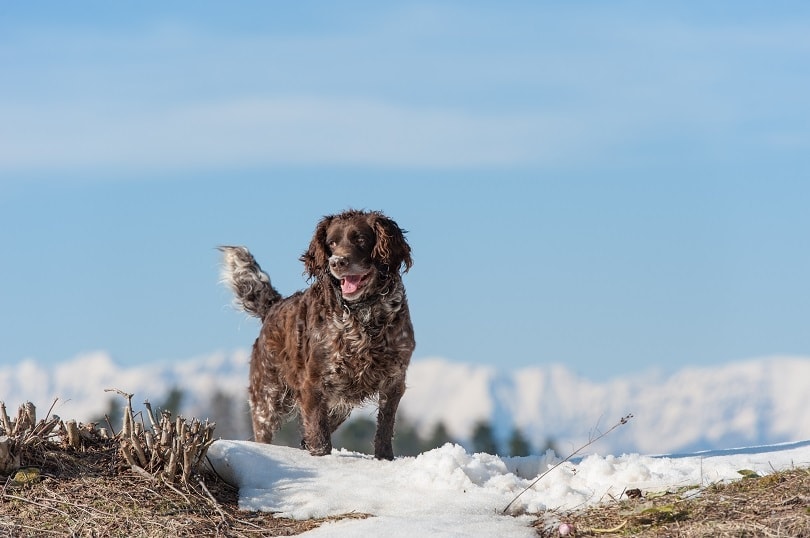
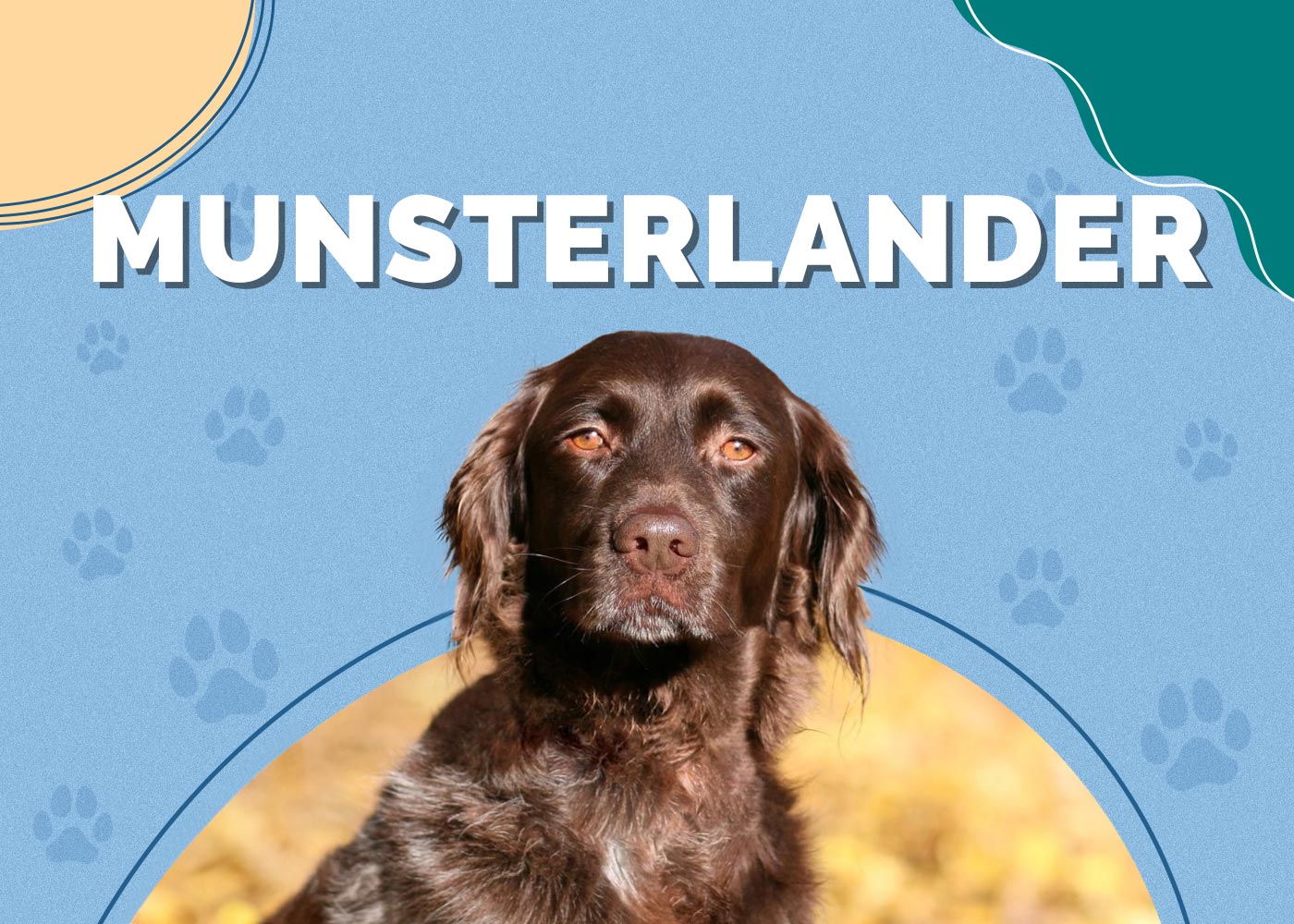
The Munsterlander is a large breed that was developed by Long-Haired German Pointer breeders in the early 1900s. These breeders chose to ignore the rigid rule that only liver or liver-and-white colors be allowed as the breed standard for Pointers and continued to breed dogs based on performance rather than appearance. The breeders formed their own club in 1919 and named their new breed, the Munsterlander.
The Large Munsterlander is not to be confused with the Small Munsterlander, as the two are actually different breeds. The Small Munsterlander is a far older breed that was bred exclusively for nobility and is known to be a stubborn and independent dog that is excellent for close searching and pointing. Large Munsterlanders are more well-rounded hunting dogs in general that excel at pointing and retrieving.
If the Munsterlander sounds like the dog for you, read on for more information about this energetic breed.

Munsterlander Puppies
Munsterlander Characteristics
Before bringing home a Munsterlander puppy, you need to understand that these are exceedingly energetic and active animals that need a great deal of daily exercise. Preparation is essential, and these large animals need a large yard to run and play in and at least 2–3 hours of exercise per day, and dedicated time for training. As you can see, bringing home a dog like this requires a great deal of dedication and is not a commitment to be taken lightly.

Temperament & Intelligence of the Munsterlander🧠
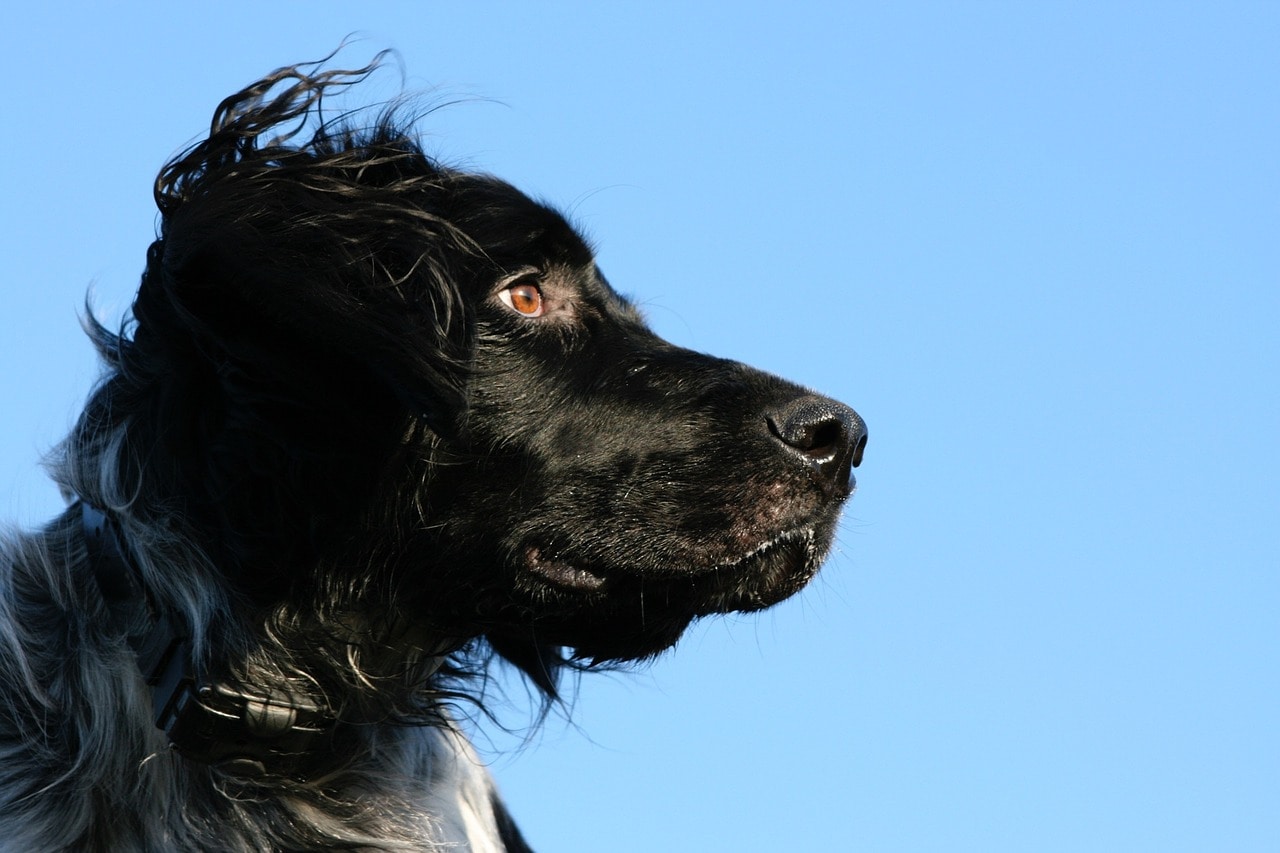
The Munsterlander is a highly intelligent and easily trainable dog, and they may not be able to reach their full potential when kept solely as a pet. They are highly responsive and obedient in the field yet responsible and independent enough that they can behave well even when running a mile or two ahead of their owner.
In general, these dogs are gentle and affectionate animals that get along great with humans, but if they are not exercised enough, they can quickly become high-strung and even destructive. They are cheerful, loyal, and self-confident animals that make ideal companions for hunters. In the field, they are supremely versatile, experts at both tracking and retrieving. They make great family companions too, but they will require more exercise, training, and patience.
Are Munsterlanders Good for Families?🏡
The Munsterlander can make a wonderful family dog, although this is not what they were developed for. When used primarily as hunting and retrieving animals and then brought home in the evening, they make great family dogs because they are serving their instinctive purpose. Without being put to a specific use, however, they can quickly become bored and destructive and require much more exercise than the average person can supply.
They are great with children and highly tolerant of being played with, though, and are rarely aggressive if exercised adequately.
Do Munsterlanders Get Along with Other Pets?🐶 😽
The Munsterlander has a powerful, instinctual prey drive that can be difficult to keep at bay. Even with the right socialization and training, they are still likely to see smaller pets and cats as prey rather than friends. While small prey is almost impossible to resist for a Munsterlander, they can be trained to leave larger animals like cattle and sheep alone and are not interested in chasing cars or joggers.

Things to Know When Owning a Munsterlander
Food & Diet Requirements
The Munsterlander is a big dog with a great deal of energy and a large appetite. They’ll need about 2-3 cups of high-quality kibble per day, ideally divided into two meals. With their high energy demands, we highly recommend supplementing their diet with organ meats and lean meats whenever possible. Dogs derive a large portion of their energy needs from protein, and dogs like the Munsterlander need all the energy that they can get!
Try to feed them a specially formulated, high-protein dry food, and add in animal proteins occasionally. Their kibble should be free from filler ingredients, like corn, wheat, and soy, and should contain protein derived from animal sources. Check the ingredient list, and make sure the first two or three listed ingredients are animal-sourced.
Exercise🐕
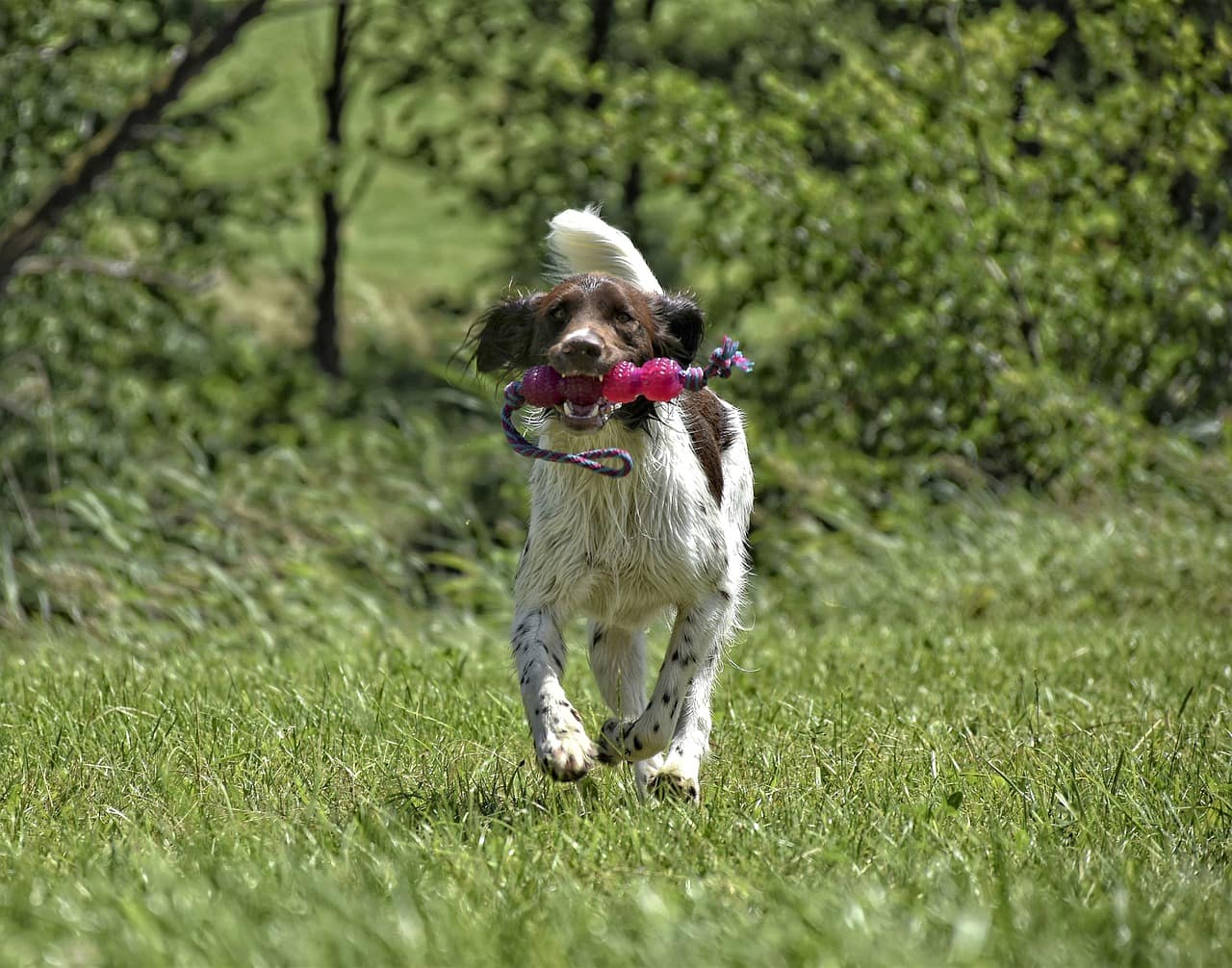
Adequate exercise is essential for this breed, and without it, they can swiftly become destructive. If you are not keeping a Munsterlander for hunting, they will need 1–2 hours of intensive exercise per day at a minimum, but the more, the better. This could involve running, chasing, and swimming, and ideally, they’ll need another hour or so of playtime.
This is why the Munsterlander is such a massive responsibility and is rarely kept solely as a companion animal. It is exceedingly difficult to keep them properly exercised without using them for hunting.
Training🦮
These dogs are eager to please and usually easy to train, but they mature slowly and display puppy-like tendencies for up to a year, so you’ll need a good dose of patience during training. They pick up commands quickly, although they are known to be highly sensitive animals that do not respond well to harsh training methods. Such methods only serve to sever trust and communication between you and your dog. We highly recommend positive reinforcement training methods, as these are likely to get the best and quickest results.
Begin training as early as possible, as these dogs are ready to soak up commands when as young as 8 weeks. Also, begin socializing your puppy as early as possible, as this will help greatly with future training and help them obey commands while distracted—a vital aspect of being a good hunting companion.
Grooming ✂️
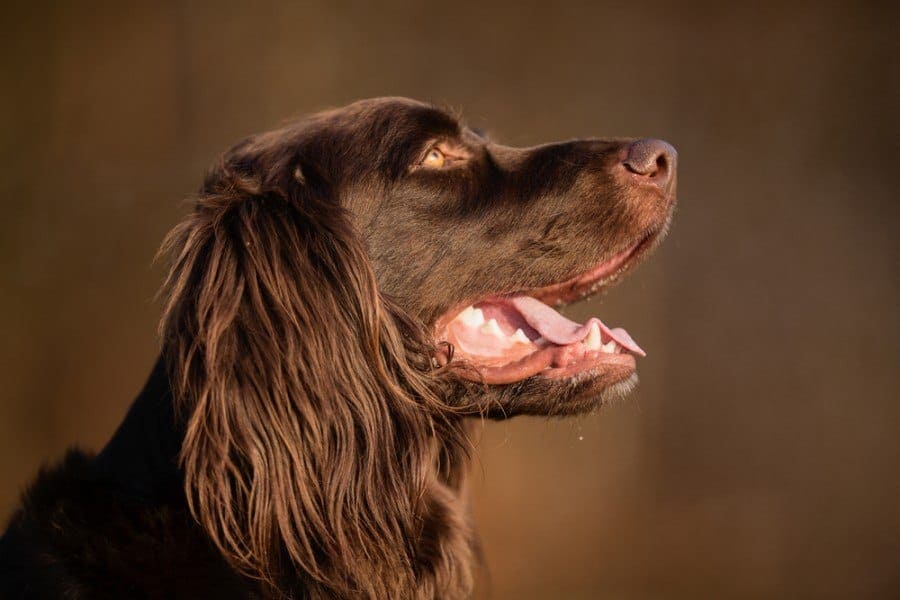
The Munsterlander has a long and wavy coat that needs to be brushed at least two or three times a week to keep it smooth, sleek, and knot-free, as well as free from all the collected grass and debris that it easily attracts out in the field. These dogs shed moderately, and regular brushing will remove any excess dead hair. Bathing is not necessary, especially not with shampoos or soaps, as these can disturb the coat’s natural oils and affect its waterproofing capability.
These dogs have droopy ears that hang alongside their heads, so they are prone to ear infections. Be sure to regularly check the insides of their ears for any signs of infection.
The rest is basic care common to all dog breeds: regular nail trimming and teeth brushing to avoid dental issues.
Health and Conditions❤️
The Munsterlander is a healthy breed overall, but like all dogs, they are prone to certain health problems. Due to their athletic and active nature, hip and elbow dysplasia is commonly seen in the breed, as well as patellar luxation and osteochondrosis, a developmental disorder of rapidly growing medium- and large-sized dogs.
They are also known to develop cataracts, epilepsy, and allergies occasionally, but the most common health issue among Munsterlanders is otitis externa. This is due to their pendulous ears and the subsequent lack of airflow to their ear canals, making them susceptible to infection.

Male vs. Female
Now that you have decided to bring home a Munsterlander, the last decision to make is whether to get a male or female. There are few differences between male and female Munsterlanders, although males are slightly bigger and more muscular. Both males and females are slow to mature, but males may take a bit longer, and this makes training them slightly more difficult.
We highly recommend neutering males, as this will make them less likely to wander, less prone to aggression, and more even-tempered all around. Unless you intend on breeding, spaying females is a good idea too, as you’ll prevent unwanted pregnancies, and they are far less likely to have mood swings.
Remember, though, that all dogs are unique individuals, and their characters are far more dictated by their upbringing and environment than their sex.
3 Little-Known Facts About the Munsterlander
1. The Munsterlander is a rare breed
The Munsterlander was only developed in the early 1900s, making it new in terms of dog breeds, especially among hunting breeds. Pointers, by comparison, were used for hunting in Europe as far back as the 1600s. The Munsterlander only arrived in the United States in the 1960s and is not yet recognized by the AKC.
This makes the breed rather expensive and difficult to find due to the lack of breeders in the United States.
2. The Munsterlander almost went extinct
Like many breeds at the time, the Great Depression and World War II almost decimated the Munsterlander, and it was only through the dedication of a select few breeders in Europe that the breed was brought back from the brink.
3. They are exceedingly energetic
The Munsterlander is an expert hunter and thrives on having a job to do. These dogs have been known to chase wild boars for miles, seemingly without getting tired, and this hunting instinct is strong within the breed’s genetics. So, unless you are using the dog for their intended purpose, few homes can meet the energy needs of these pooches.
Final Thoughts: Munsterlander
The Munsterlander is a rare, fairly new, and truly hardworking animal. They are well-suited to active owners, particularly hunters, and it can be difficult to give them the required exercise if they are not put to work. They are exceedingly loyal, affectionate, and obedient, and there is arguably no medium-sized pooch better suited for hunting.
While they mature comparatively slowly, they are eager-to-please animals that are not difficult to train, even for novice dog owners, although they are sensitive and don’t respond well to harsh training methods.
If you are a hunter or spend a great deal of time outdoors, the Munsterlander is an ideal choice!
See also:
Featured Image By: Pixabay
Get Hepper In Your Inbox


Pet care tips from our vets and experts, straight to your inbox.
You may opt-out at any time. View our Privacy Policy for more information.

Nicole is a lover of animals of all sizes but is especially fascinated with the feline variety. She’s the proud mom of Baby, a Burmese, and works every day so he can relax in the sunshine or by the fire. She’s always had a cat in her home and has spent countless days with others, observing behaviors and softening up even the grouchiest of the lot. Nicole wants to share her kitty expertise with you so you and your cat can live happy, healthy, and care-free.
Join the conversation
Ask a question, share your story, or send private feedback.