Hepper is reader-supported. When you buy via links on our site, we may earn an affiliate commission at no cost to you. Learn more.
Goldfish Swimming Erratically? 6 Vet-Approved Reasons & What They Mean


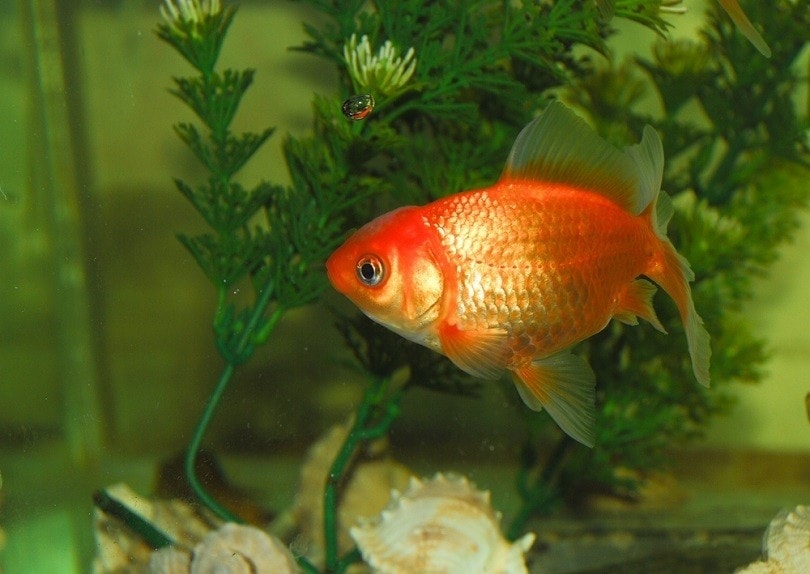
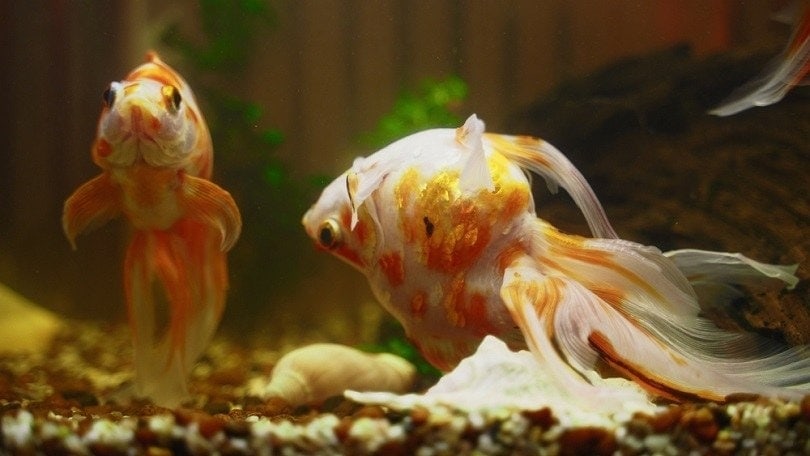
Fish are seemingly simple and straightforward creatures—they only have a small environment to spend their entire lives in. Goldfish will randomly dart around the tank or seem to do all kinds of abnormal movements. They commonly like swimming in circles, up and down, or sinking to the bottom and lying there for a while.
Although you don’t typically have to be overly concerned, swimming erratically can also be your fish’s way of communicating that there is a problem in their little world.
In this article, you will learn about the six most common reasons that goldfish begin to swim more erratically.

The 6 Reasons Your Fish Could Be Swimming Abnormally
1. Glass Surfing
Glass surfing is typically when a fish begins to swim up and down the glass. Some call this pacing as well since they might swim along the glass from side to side. Often, this is a response to their environment. The fish are trying to say that they feel stressed or something in their environment makes them unhappy.
If you notice this behavior continues for several days, try changing things in their environment to calm them down. If you have recently introduced something new, assume it wasn’t a hit and take it out to see if there is a difference in their behavior.
This response often has more to do with inappropriate tank mate choices, overstocking, or a tank size that is too small for the fish. Even something like the water pH and temperature might be driving them up the wall—pun intended. Tank stress is one of the major causes of premature death for aquarium fish. Working out what causes their new stress is essential to ensuring their longevity.
2. Ammonia Poisoning
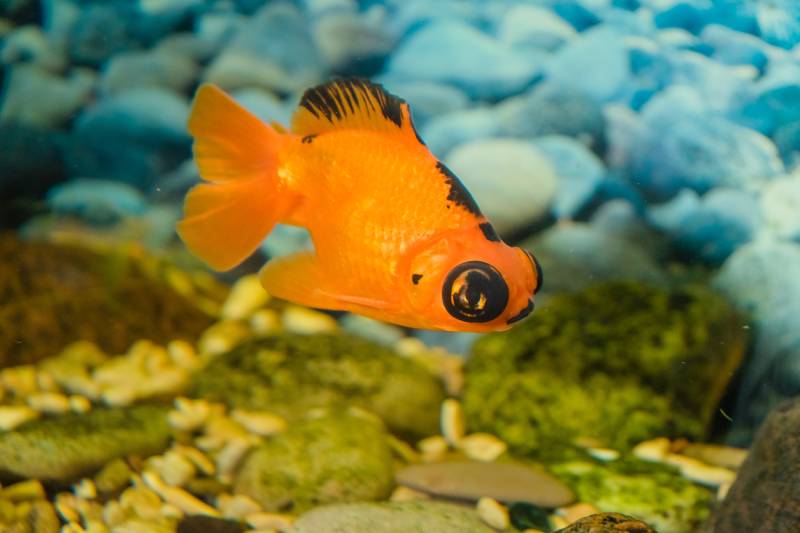
If your fish begins to swim frantically in a consistent manner, especially if they are jerking and darting, they could be suffering from ammonia poisoning. Rapid circling with tucked fins is another vital sign. If it is a very severe case, then you will see ammonia burns turning black on your fish.
Other signs of ammonia poisoning include:
Ammonia and nitrites are toxic to fish, and you should keep these levels at 0 parts per million (ppm). Ammonia gets released into the tank as a by-product of fish metabolism and rotting fish waste or food. It is a common issue with overstocked tanks. Keeping a clean substrate and rotating your water are excellent ways to keep ammonia levels down.
If you catch an ammonia issue from a fish’s reaction, treat it by halting your feeding schedule for a while. Perform a large water change. Aerate the tank heavily. Doing so helps fish breathe easier since ammonia in the water robs fish of oxygen (it burns their gills). Afterward, test for ammonia and repeat until the levels are as close as possible to 0 ppm.
Ammonia poisoning is a common issue in new tanks that have been cycled, also known as “New Tank Syndrome”. Fish tanks should be cycled before deciding to add fish to them.
If you're new to the world of goldfish or are an experienced goldfish keeper that loves to learn more, we recommend you check out our best-selling book, The Truth About Goldfish, on Amazon.
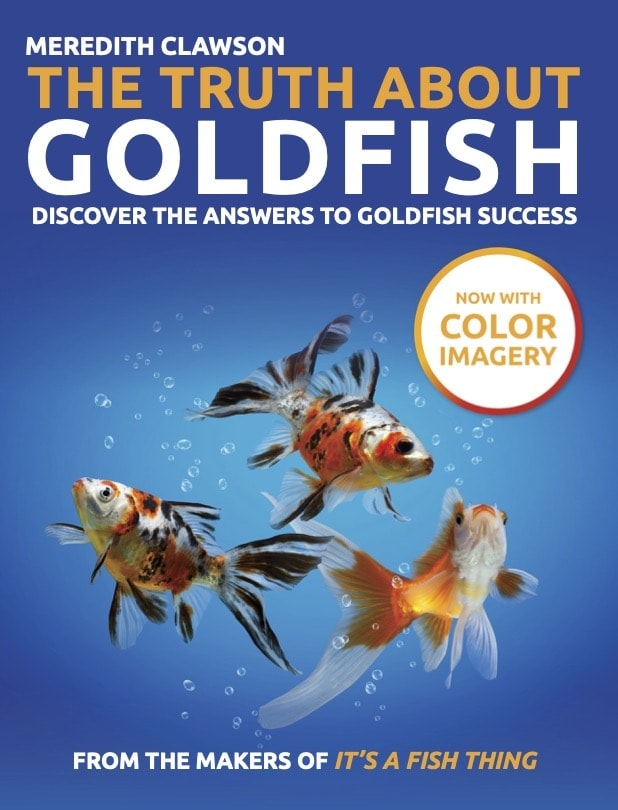
From diagnosing illnesses and providing correct treatments to ensuring your goldies are happy with their setup and your maintenance, this book brings our blog to life in color and will help you to be the best goldfishkeeper you can be.
3. Swim Bladder Disease
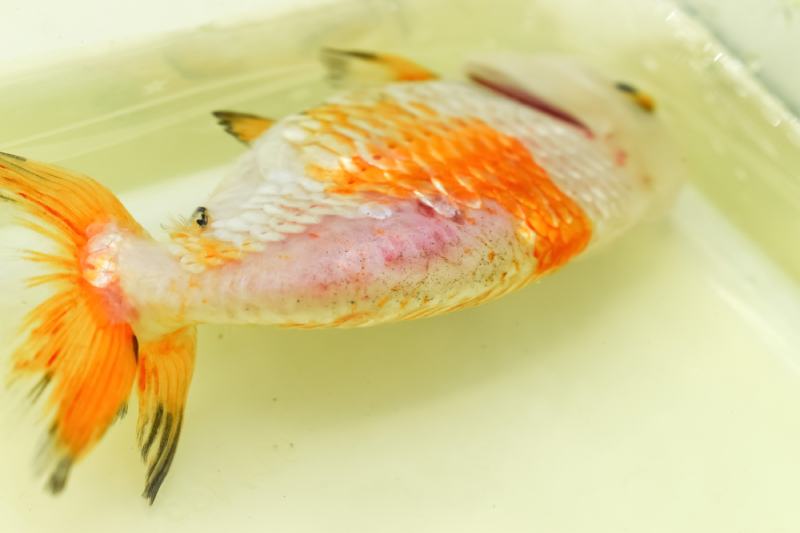
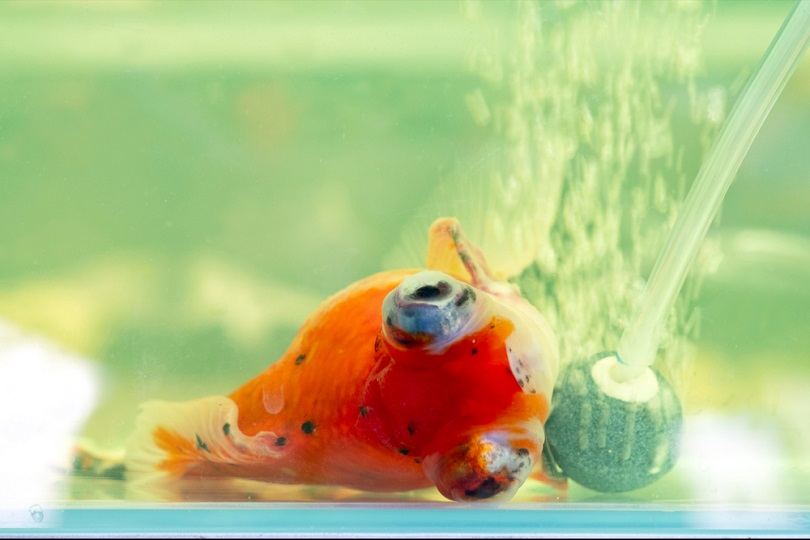
A fish’s swim bladder regulates its buoyancy. Typically, their swim bladder problems will result in them sinking to the bottom, listing towards one side, swimming upside down, or floating to the top of the tank and not moving. Swim bladder disease is not one specific ailment but can result from various issues that impact the organ. The disorder is most common among goldfish and bettas.
Since all kinds of possible issues can impact the swim bladder, multiple sources could be at fault for the problem. Overfeeding is one of them. Feeding your fish too much leads to constipation and feeding at the surface will cause them to gulp air, ultimately causing the disorder.
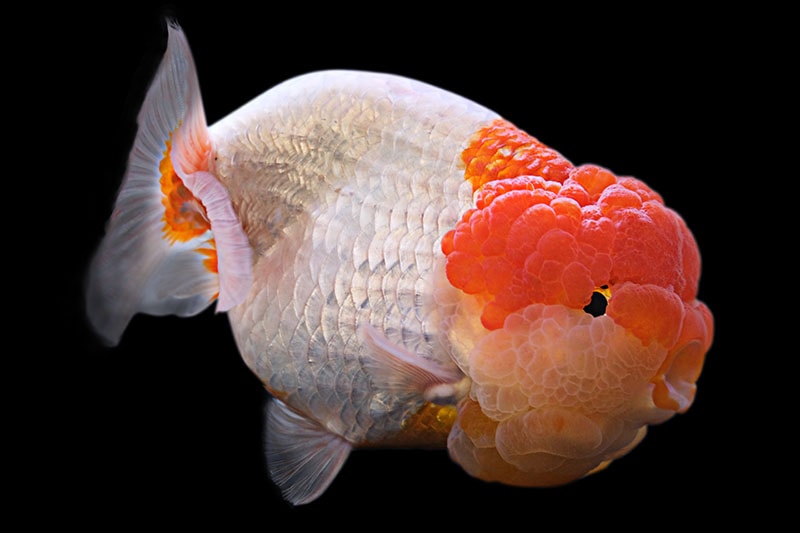
Another common cause of this disease is improper water temperature. Know the best temperature for the fish species that your tank contains and keep the water temperature balanced. Keeping your tank clean is also essential. Many breeds of goldfish (especially the fancy variants) are also more susceptible to swim bladder issues because of their conformation. Special care is needed when housing these fish to ensure that they don’t develop swim bladder issues.
4. External Parasites
Perhaps your fish is performing all kinds of erratic movements, but they seem to always direct them towards some of the rougher materials in the tank. If your fish appears to rub itself against objects within their tank or bang themselves against the side, scraping at their scales or fins, it could be a sign they have an external parasite.
Examine their scales carefully since these parasites are generally relatively easy to spot. If there is anything there, ask an aquatic veterinarian or a fisheries expert for diagnosis and advice. They may recommend that you invest in a parasite treatment from any pet store to treat them immediately.
Gill or skin flukes are worm-like parasites that are more difficult to detect than other external parasites. They cause your fish’s color to fade or their appearance to change, often with excessive mucus when it is severe.
5. Spawning Behavior
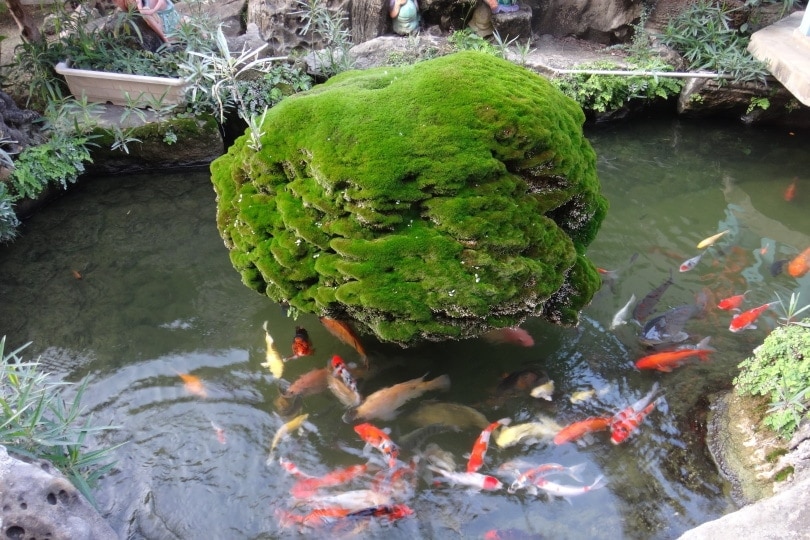
Goldfish spawn around springtime, and during this time of the year, it’s common to see mature adult goldfish swim in odd ways all over a pond or spawning tank. Typically, the males will tailgate the female goldfish and chase them with nudges, in order to stimulate them to release their eggs, which they then fertilize externally.
Fish keepers experiencing this for the first time might confuse the swimming pattern as problematic, especially because male goldfish develop white spots around their head at this time, which they may misconstrue as Ich.
6. Playing Detective
Finally, we want to end on a positive note. Goldfish are somewhat mysterious and social creatures. Swimming erratically doesn’t always mean that there is anything wrong. Swimming in circles could be a form of play. Some species are particularly investigative and will use their detective skills by trolling all over the tank in odd ways.
Keep your goldfish’s tank clean, with plenty of aeration, and buy them from reputable sources. These are the best ways to keep them healthy for the long term.
Final Thoughts
Observing your goldfish swimming around erratically can be somewhat concerning as a pet owner. In this article, we’ve gone over several reasons that might cause this behavior. With a better understanding of the underlying causes of erratic swimming behavior, implementing a fix becomes much easier and more effective.
Featured Image Credit: HUANSHENG XU, Shutterstock
Get Hepper In Your Inbox


Pet care tips from our vets and experts, straight to your inbox.
You may opt-out at any time. View our Privacy Policy for more information.
Lindsey discovered her passion for fish keeping after a junior high school field trip to the Shedd Aquarium in Chicago. Prior to becoming Editor-in-Chief of It's a Fish Thing, Lindsey studied marine biology at the University of California-Santa Cruz. She loves goldfish, tetras, and mystery snails, and recently began experimenting with a saltwater aquarium.
Join the conversation
Ask a question, share your story, or send private feedback.