Hepper is reader-supported. When you buy via links on our site, we may earn an affiliate commission at no cost to you. Learn more.
Why Is My Goldfish Swimming Upside Down? 8 Vet-Reviewed Causes & Advice


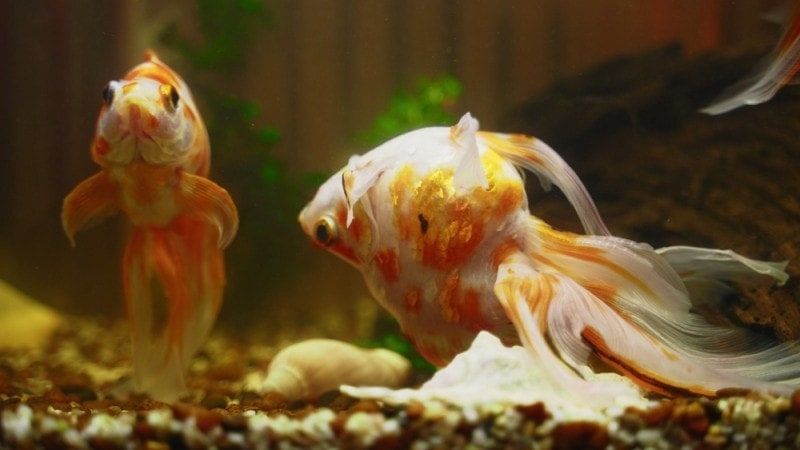
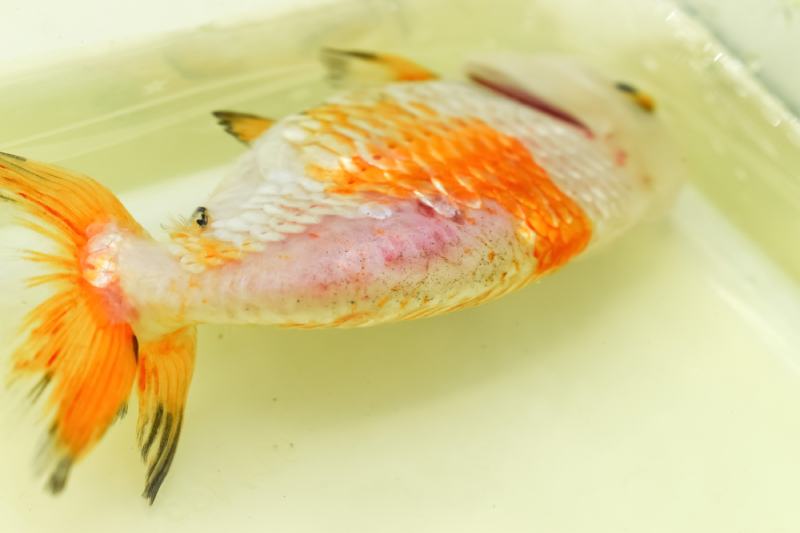
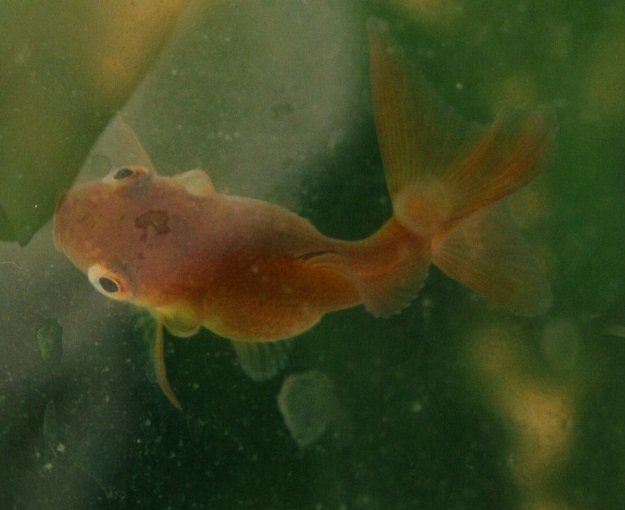
Ever found yourself asking the question, "Why is my goldfish swimming upside down?" If you look in your tank only to see this, it doesn’t necessarily mean they’re dead, so don’t panic them just yet!
Unfortunately, it is fairly common for goldfish to end up floating and swimming upside down, but that doesn’t mean it's normal behavior. Buoyancy problems such as swimming sideways or upside down in their tank is a sure sign that there’s something up with your goldfish. This article is going to shed some light on what’s happening and what you can do about it. There are few possible reasons, nearly all are down to poor health, but the good news is, it's pretty much always curable, too.

Possible Reasons Why Your Goldfish Swimming Upside Down
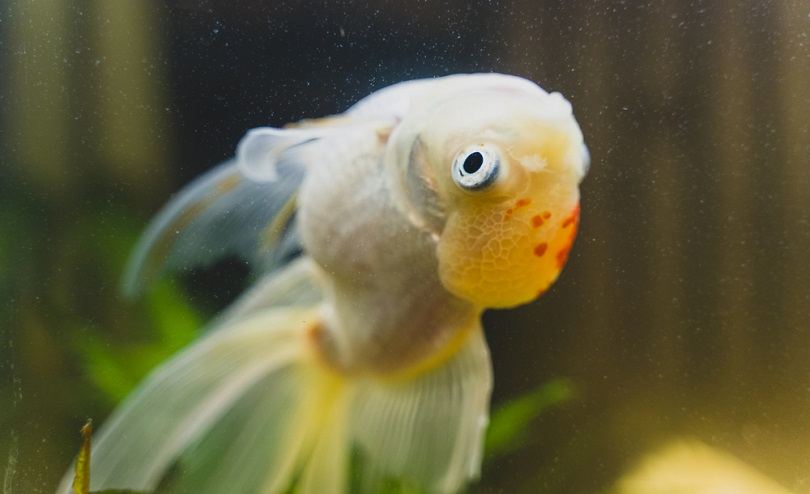
If your goldfish is swimming upside down, the most probable cause is swim bladder disease or disorder. Despite the name, it really is not a disease; it’s a sign of one of several issues that could be affecting your goldfish’s swim bladder.
The swim bladder is a gas-filled internal organ that fish use to regulate their buoyancy and orient themselves normally in water.
So, when something’s affecting it, it can cause a fish to float upside down or to swim on their side.
Another explanation for your fish’s buoyancy issue is a nervous system disorder. Movement is coordinated by the nervous system, and if there is an ailment that’s causing the nervous system to not work properly, your fish might find themselves unable to swim properly.
There are many causes behind nervous system disorders in goldfish. Some are non-infectious, such as tumors that affect the nervous system. Others are the result of various diseases or poisonings. For example, ammonia poisoning eventually harms the fish’s nervous system and causes them to swim erratically at first, culminating in a complete loss of the ability to swim properly.
What Might Have Caused it to Happen?
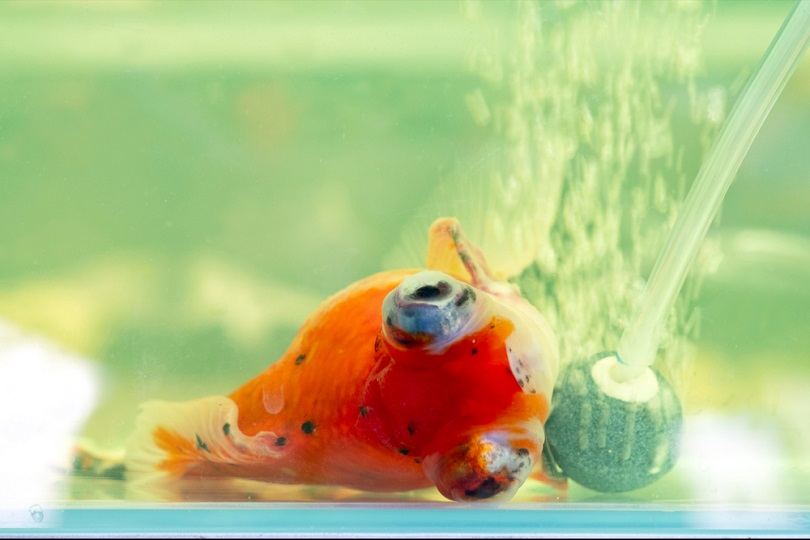
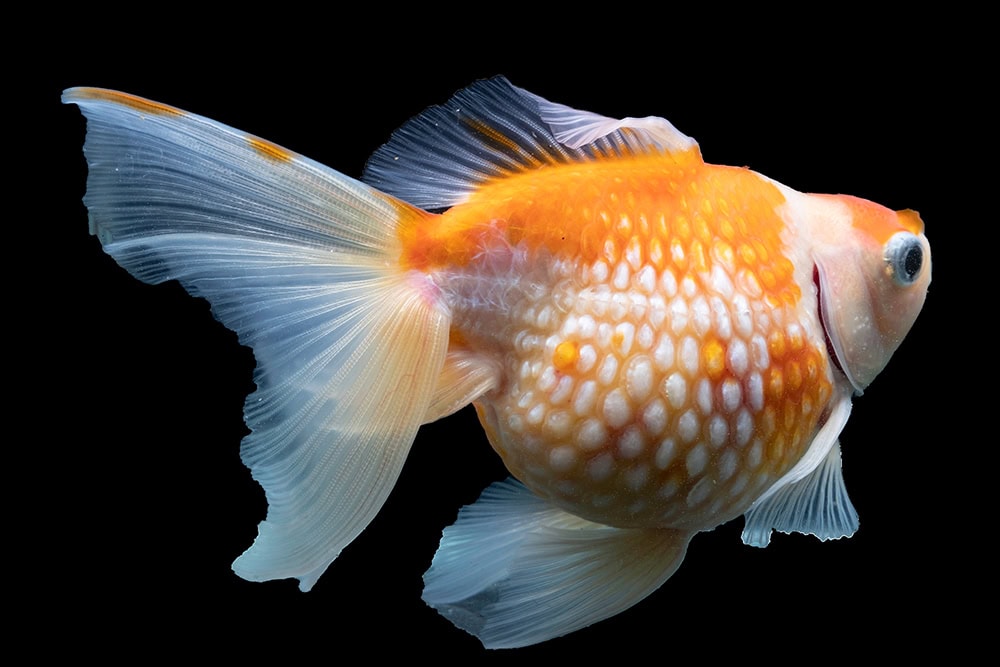
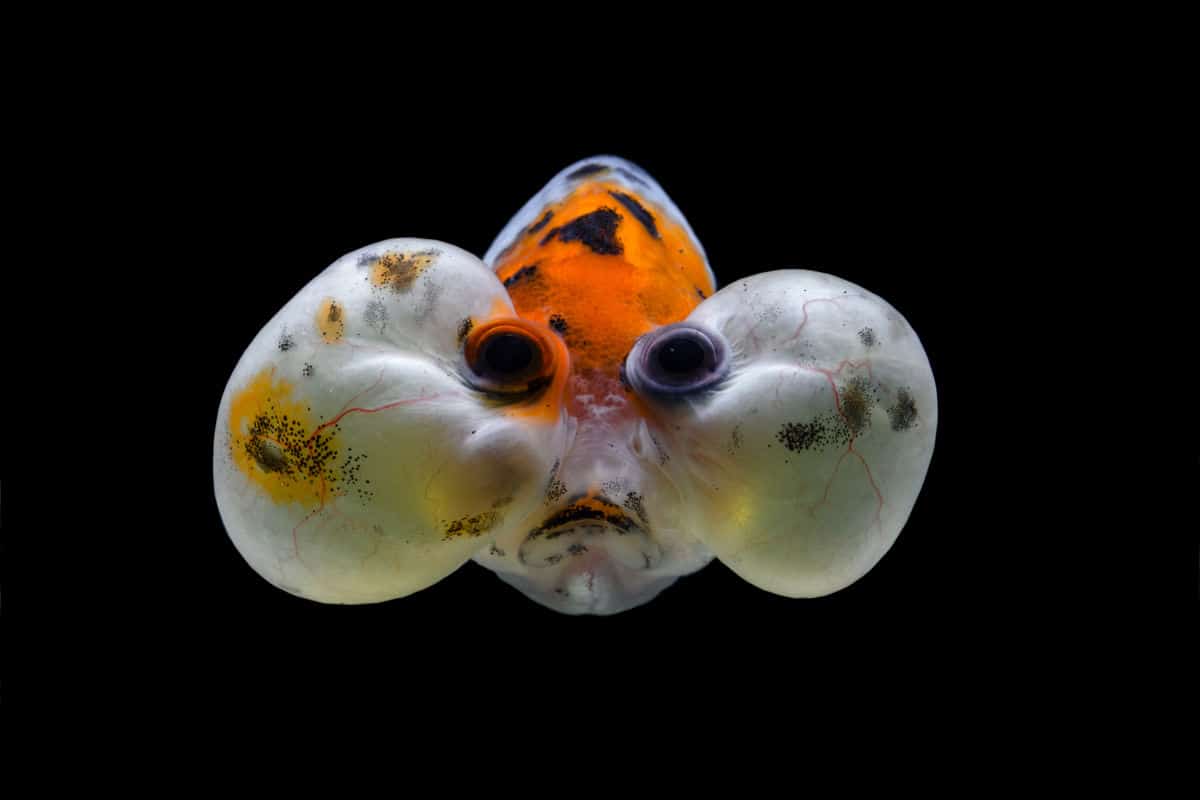
Fancy goldfish are prone to issues with their swim bladders, especially those varieties that have been bred to have bulbous or balloon-like bodies, like most fancy varieties.
That said, there’s still always a reason behind swim bladder disease/disorder, so let’s look at some of the possible causes:
- Feeding a poor-quality diet or too large a meal can cause your goldfish to become constipated, and the blockage can temporarily stop the fish from being able to regulate their swim bladder.
- Many intestinal parasites can lead to swim bladder issues.
- Food expanding in the stomach. Certain types of dry pellets and freeze-dried food expand when moist, so if your fish eats it as soon as it hits the tank, it can expand in their stomach, which stops them from being able to properly regulate their swim bladder.
- Bacterial infection. Sometimes SBD can be a symptom of an underlying bacterial infection.
- Changes in water temperature. Certain varieties of goldfish—such as round-bodied varieties—are susceptible to sudden changes in water temperature.
- Large amounts of nitrate in the water. Some fish keepers have found their goldfish react badly to having high levels of nitrate in their aquarium water.
- Other impaired organs. Other organs that are impaired may at times cause issues with the swim bladder.
- Many times, high amounts of inbreeding can lead to poor genetic stocks of fish which are more susceptible to swim bladder issues.
Should I Be Worried About My Goldfish Floating Upside Down?
Regardless of the cause of swim bladder disorder, intervention is warranted.
What Can I Do to Treat the Problem?
The treatment for swim bladder disease depends on the cause.
If the issue is down to water quality (like too high nitrates), then the cure can be simple! Make sure you improve on the water quality care for your fish tank. Start with a large water change, clean the substrate of any waste and uneaten food, and then make sure to perform ongoing monitoring of key factors using a water quality testing kit. Ensure all parameters are within safe levels.
If the problem is down to constipation, which is very common, the first thing you should do is to 'fast' your goldfish for 3 days. This means do not feed them at all for 3 days, to give their digestive system time to clean itself out completely.
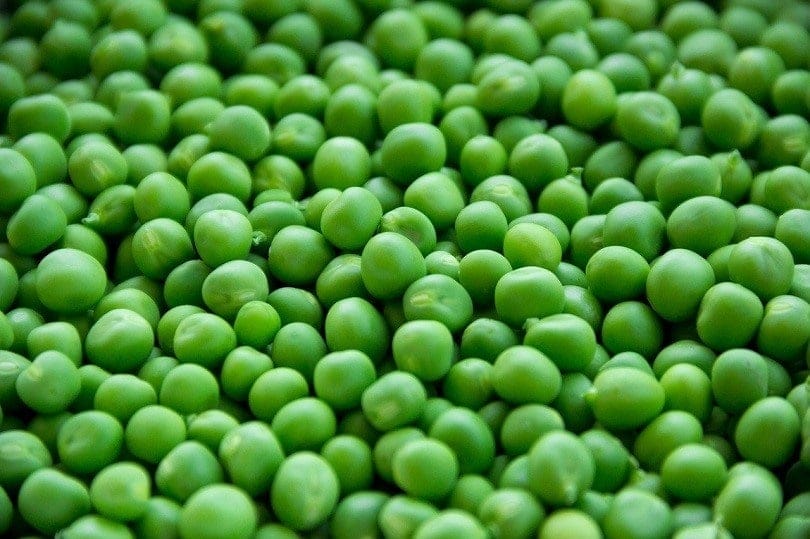
Next, you should feed your goldfish cooked and shelled peas at a rate of about 2 to 3 per day, which is a known way to relieve constipation issues, then move them back onto a species-specific diet.
However, if the swim bladder disease is due to a bacterial infection, is a genetic defect or the swim bladder has some form of permanent injury, feeding peas will not have any effect; this is only for constipation-related issues.
If, after fasting and feeding peas, the issue persists, you can rule out digestive issues and then have to try cures for alternative causes.
Can Swim Bladder Disease be Cured?
Sometimes it can, yes. Though, sadly, it can be permanent. In such an instance, you can ask a veterinarian for surgical options. At times, veterinarians can help a fish reorient themselves with floatation devices, or by placing an object (such as a pebble) in a heavily distended swim bladder.
Usually, it's just an issue with the digestive system that affects the swim bladder. As suggested above, a few fasting days, followed by feeding skinned peas will alleviate the problem. However, if it's due to permanent swim bladder damage, or genetic in nature, there may not be a cure.
Is Swim Bladder Disorder Fatal?
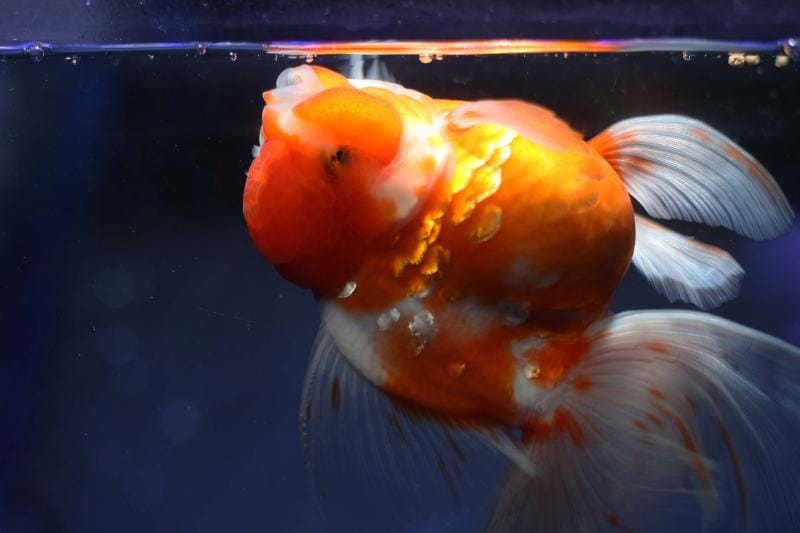
Unfortunately, it can be, but some fish can live many years with the problem. It depends on the cause and the severity.
Mostly, if the issue is down to digestive issues or bacterial infection, it can be treated and will clear up. However, if the infection leaves lasting damage, or if the swim bladder disease is down to a genetic defect or another ailment (such as a tumor), the prognosis varies.
Even if permanent, it's not necessarily fatal. Most fish seem able to cope with it, and can right themselves often enough to be able to feed and perform natural behaviors, so swim bladder disease isn't fatal in itself. However, in some cases, euthanasia might be warranted and is something you might want to discuss with your veterinarian.
Is There a Way to Prevent Swim Bladder Disease?
The best way to deal with swim bladder disorder is with a pre-emptive strike. Here are some ways you can lessen the chance of it ever developing from environmental or management causes.
- Feed foods that sink to the bottom of the tank rather than floating on the top.
- Avoid feeding dried pellets or freeze-dried foods unless you soak them before putting them into the tank.
- Don’t overfeed your goldfish.
- Make sure the water in your tank is kept at a stable temperature.
- Check the water parameters in your tank to make sure it’s not too high in nitrates or any other undesirable substances.
If you're new to the world of goldfish or are an experienced goldfish keeper that loves to learn more, we recommend you check out our best-selling book, The Truth About Goldfish, on Amazon.
From diagnosing illnesses and providing correct treatments to ensuring your goldies are happy with their setup and your maintenance, this book brings our blog to life in color and will help you to be the best goldfishkeeper you can be.
Conclusion
Most goldfish found swimming upside down are suffering from some form of swim bladder disease. On its own, it isn’t necessarily too serious, but it can be a sign of a more problematic underlying issue.
In some cases, swim bladder issues will go away on their own or can be dealt with at home. But, if in doubt, it’s wise to seek advice from a veterinarian who’s experienced in working with aquatic creatures.
Happy fishkeeping!
Sources
Featured Image Credit: M-Production, Shutterstock
Get Hepper In Your Inbox


Pet care tips from our vets and experts, straight to your inbox.
You may opt-out at any time. View our Privacy Policy for more information.
Lindsey discovered her passion for fish keeping after a junior high school field trip to the Shedd Aquarium in Chicago. Prior to becoming Editor-in-Chief of It's a Fish Thing, Lindsey studied marine biology at the University of California-Santa Cruz. She loves goldfish, tetras, and mystery snails, and recently began experimenting with a saltwater aquarium.
Join the conversation
Ask a question, share your story, or send private feedback.