Hepper is reader-supported. When you buy via links on our site, we may earn an affiliate commission at no cost to you. Learn more.
Why Is My Goldfish Sitting at the Bottom of the Tank? 10 Vet-Reviewed Reasons


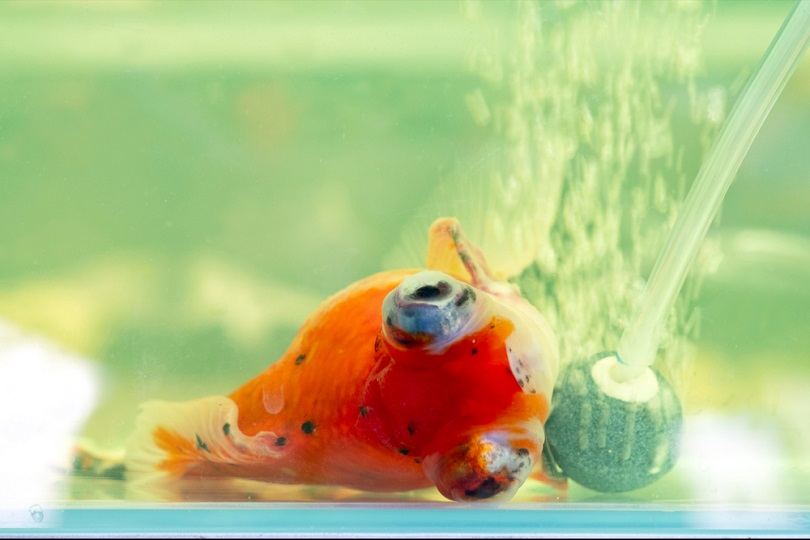
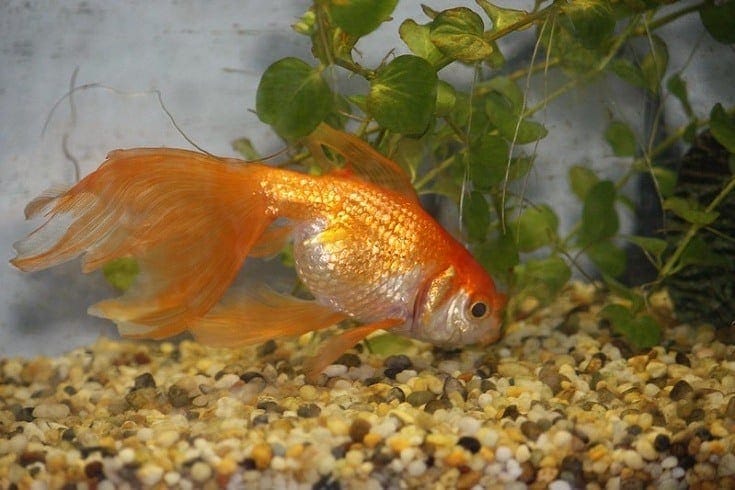
Goldfish are lively fish and should be swimming around the tank. If you find that your goldfish is spending most of its time laying at the bottom of the tank, this is a clear indication that something could be wrong. It is not normal for a goldfish to lay at the bottom of the tank when they are supposed to be active, regardless of their breed. As goldfish owners, it is important to determine the reason behind any abnormal behaviors in your fish. This will allow you to determine the root cause and ways that you can help your goldfish feel good enough to swim normally again.
Since there can be so many reasons behind your goldfish’s inactivity, this article will explain the most likely reasons.

The 10 Likely Reasons Your Goldfish is Sitting on the Bottom of the Tank
1. Poor Water Quality
Goldfish rely on having good water quality to stay healthy and survive in an aquarium. Regardless of how big the tank is and how many live plants are inside, if the water quality is poor, your goldfish will let you know.
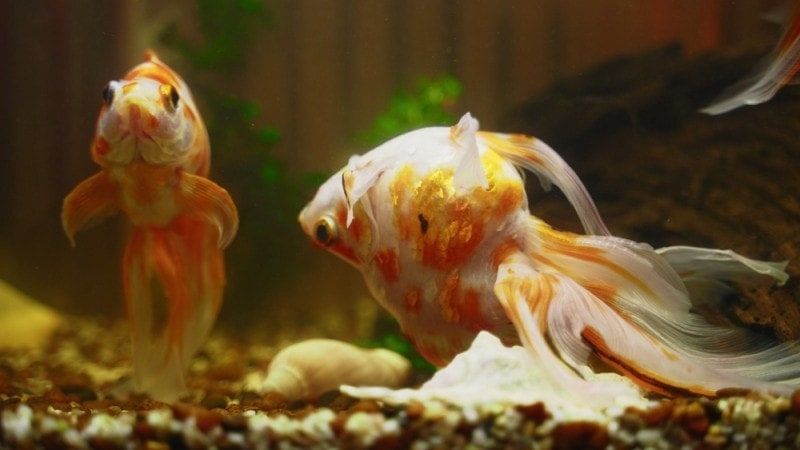
Aside from frequent bottom-sitting, goldfish that are affected by poor water quality will have either red or black markings on their fins. This happens in response to high levels of ammonia, nitrite, or nitrates in the water which can cause burns to appear on their bodies. Even low levels of ammonia in the water can cause issues in goldfish, and your goldfish will experience ammonia poisoning.
This is why the tank should undergo the nitrogen cycle before placing any goldfish inside. Poor water quality can also cause your goldfish to become lethargic and breathe rapidly. They may refuse food and spend most of their time bottom-sitting. In severe cases, your goldfish may rapidly lose weight, gasp air, and have red or purple gills followed by death.
Tip: You can use a liquid testing kit to find the readings of ammonia, nitrite, and nitrate levels in the aquarium. Ideally, the ammonia and nitrite should be at 0 ppm (parts per million), and the nitrate below 20 ppm.
2. Disease
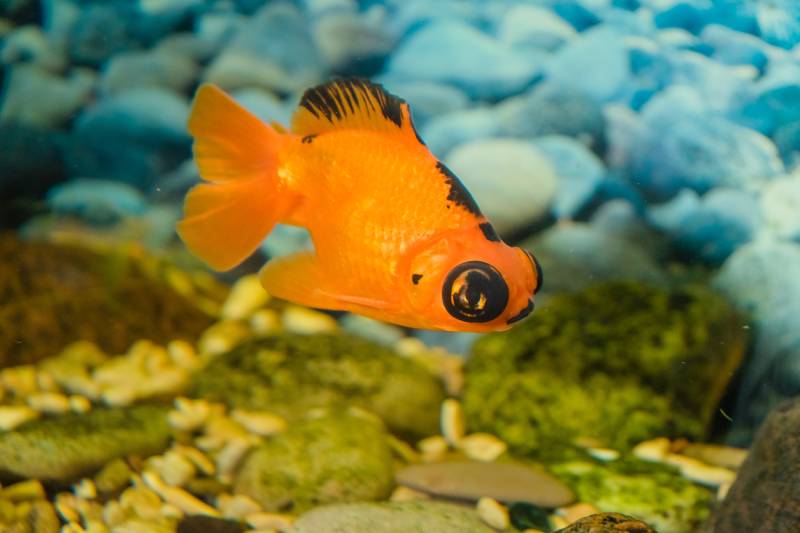
Goldfish who are suffering from a disease will become more lethargic and bottom-sit more often. If a disease is a reason for your goldfish’s unexplained bottom-sitting behavior, they will usually show other signs as well.
This includes diseases like:
Goldfish diseases can progress quite rapidly, so it’s important to start treating them as soon as you notice the first signs of the disease. Many goldfish diseases can be combated with a quality medication formulated for the specific disease or infection, however, no medication is effective if water quality issues aren’t addressed. Once your goldfish recovers with the right treatment and is given time to heal, it should be back to swimming normally once again.
3. Parasites
There are both external and internal parasites that can affect goldfish. This includes parasites like anchor worms, gill flukes, intestinal worms, and intestinal and ich-causing parasites. These parasites can attach themselves to your goldfish and make them feel unwell. Over time, these parasites can cause various health problems for your goldfish. It is more difficult to determine if your goldfish has intestinal parasites rather than external parasites. While external parasites can be visibly seen, most goldfish keepers need to consider their goldfish signs to determine if they could be internal parasites.
4. Heavy Fins
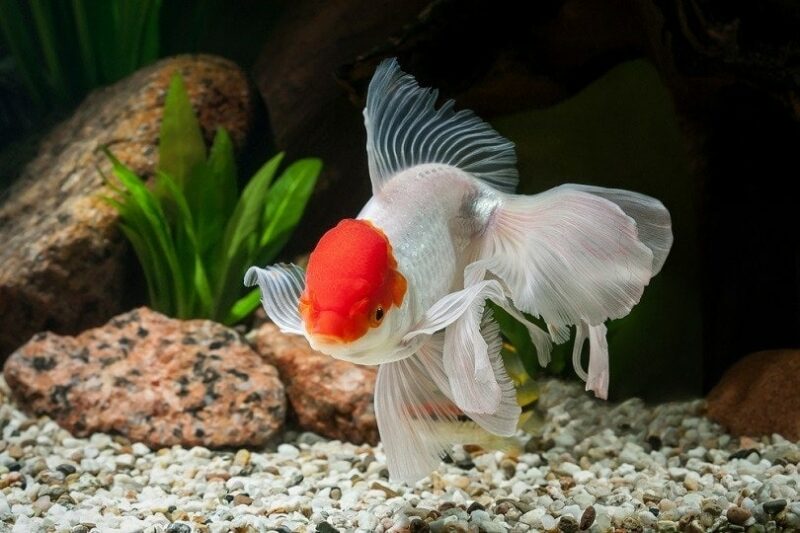
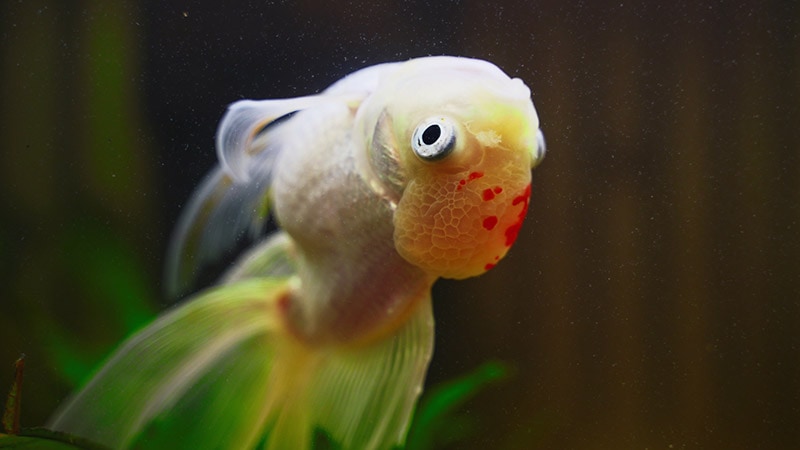
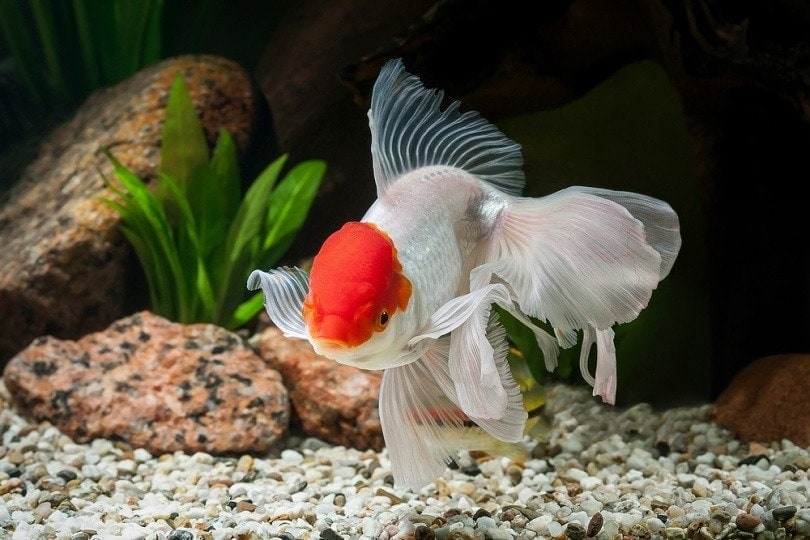
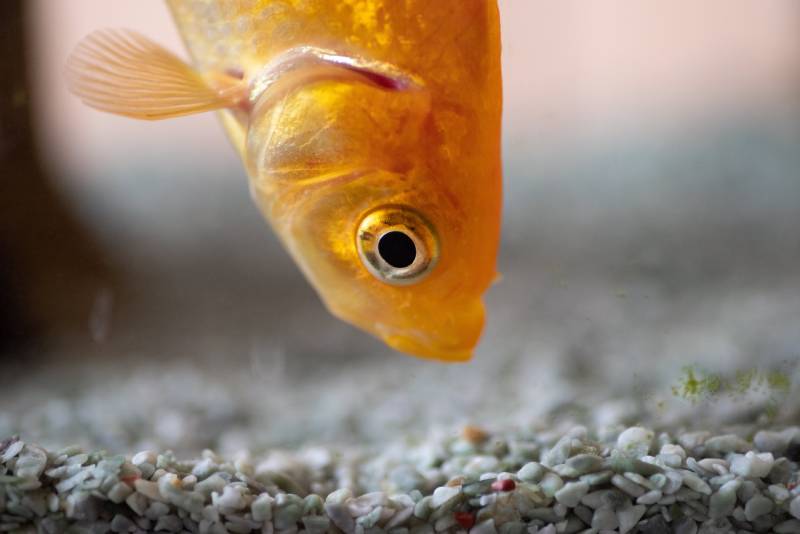
While goldfish themselves have been selectively bred over the years, some goldfish have body modifications that can affect their swimming ability. This includes things like long and heavy fins, fleshy growths, or extremely rounded bodies with no dorsal fin. Most of these body modifications make the goldfish look more appealing to humans for aesthetic purposes, but it may affect the goldfish’s ability to function normally.
If you have a Lionhead goldfish, you may find that when the fleshy growth on their head gets too large, your goldfish may seem more top-heavy when they are swimming. Goldfish with extremely long and heavy fins can also have difficulty swimming for long periods without getting tired.
5. Swim Bladder Problems
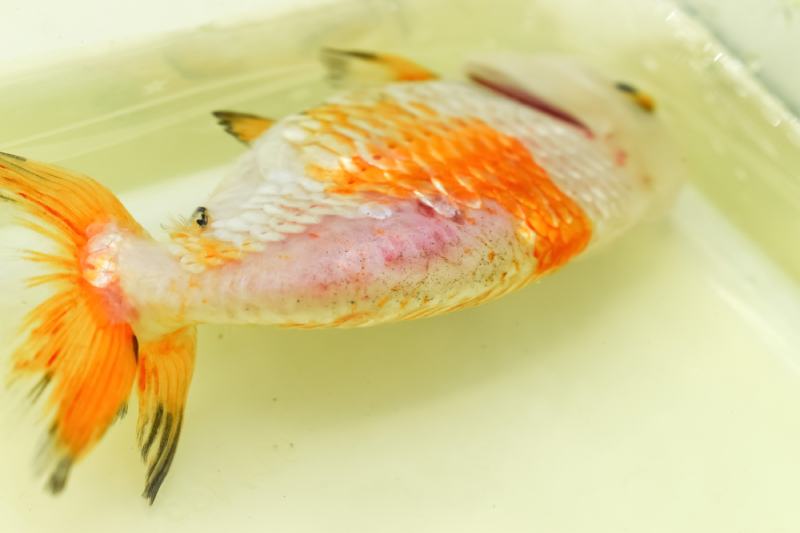
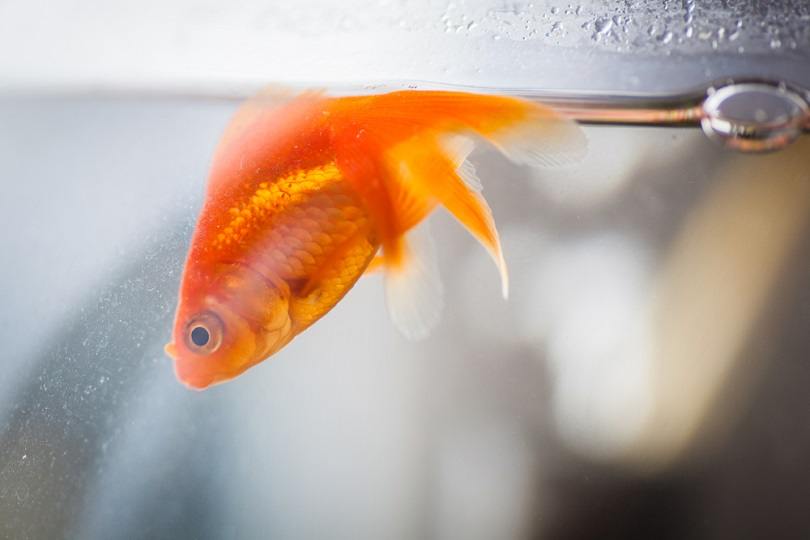
Goldfish, particularly fancy goldfish, are prone to swim bladder problems. Goldfish who are experiencing swim bladder problems will have difficulty maintaining their buoyancy in the water, causing them to float upside down.
In some cases, your goldfish will be unable to move at all in the water. Instead, they can only lay on the bottom of the tank because they cannot swim at all. This can be incredibly stressful for your goldfish, and it is usually too late. Most goldfish will need to be humanely euthanized by an aquatic veterinarian if their swim bladder problems are affecting their quality of life. However, some can be offered a second chance with surgical intervention.
6. Stress
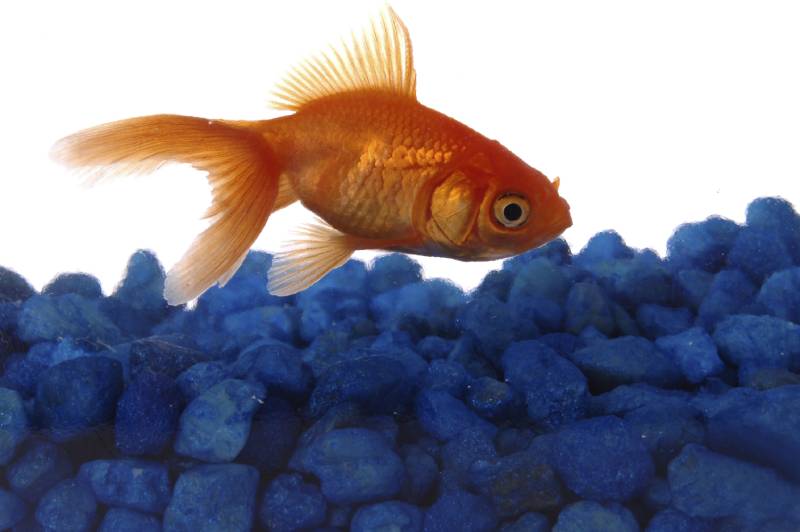
Goldfish can get stressed for several reasons, such as small aquaria, incompatible tank mates, improper water quality, and illness. When a goldfish is stressed, it will become more lethargic and spend most of its time hiding. It is not normal for goldfish to hide in the tank if their environment is right. Goldfish who are feeling highly stressed may also bottom-sit more often, and they might be experiencing health or environmental problems that are causing their stress.
7. Resting
In some rare cases, goldfish may rest on the bottom of the tank. However, this isn’t the norm for most instances where goldfish are bottom sitting. Some goldfish keepers have observed that their groups of goldfish will huddle near the bottom of the tank when the lights get switched off at night. This has led them to believe that their goldfish are resting close to the bottom. Once the lights get switched back on during the day, your goldfish should be swimming and active as usual.
The majority of goldfish are going to rest by minimizing their movement in the water rather than spending time at the bottom. Goldfish who are laying directly on the bottom of the aquarium do so for another reason than resting.
8. Water Temperature
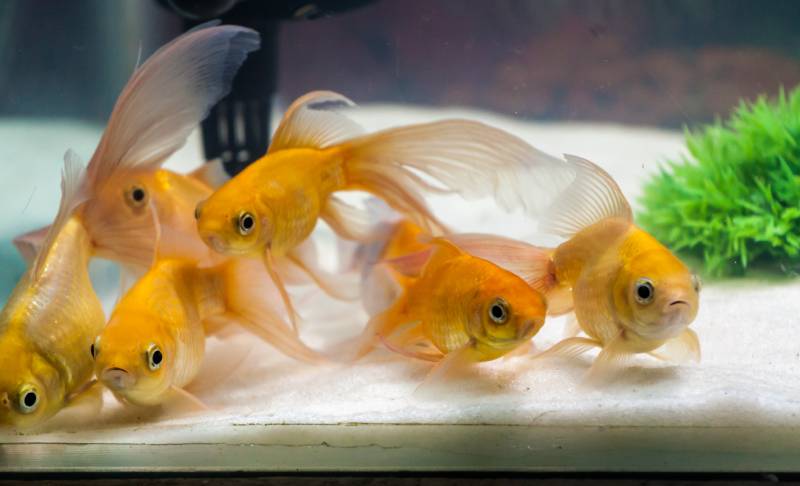
If your goldfish are kept in a pond outdoors, they may sit at the bottom of the pond as winter approaches. As the water gets colder than their ideal water temperatures, usually below 52 °F (11 °C), you may notice that your goldfish start to slow down and don’t eat as much. This is because colder temperatures will slow your goldfish’s metabolism—their ability to process and convert their food into energy. If your goldfish are of the fancy variety, it’s best to bring them indoors at this point; their tolerance for hibernation isn’t as good as their common counterparts or koi fish.
9. New Tank Syndrome
Unless a goldfish’s tank has been cycled and the water conditions are good, most goldfish will become inactive in new tanks. In cases where water quality is an issue, new goldfish may die. This is usually referred to as new tank syndrome, and it can easily be prevented. When a tank has just been set up, the ammonia, nitrites, and nitrates are going to be unstable and at dangerously high levels. This is because the tank needs to go through the nitrogen cycle, which can take anywhere from months to weeks.
If you place a goldfish in this new tank with poor water quality, your goldfish will not be able to adjust to this new environment and improper water conditions. This makes it important to fully cycle a tank before placing any goldfish inside and allow your goldfish to adjust to the new water conditions.
10. Loneliness
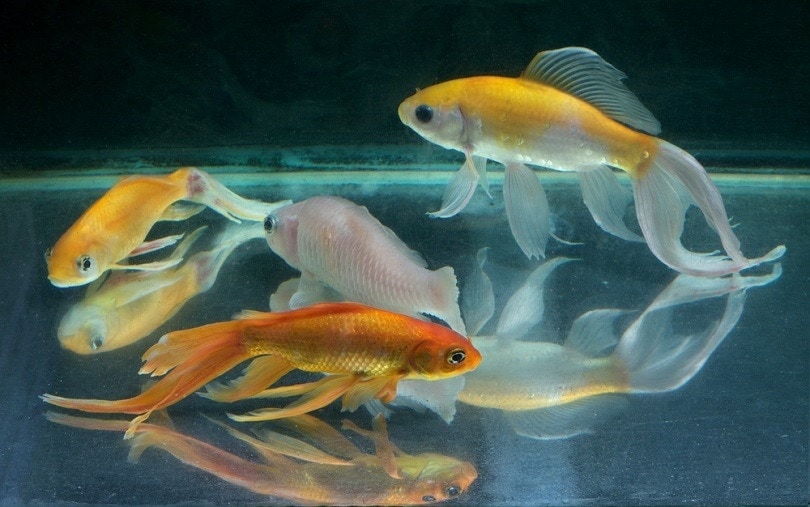
Goldfish are social fish that enjoy each other’s company. When they are kept alone, you might find that your goldfish becomes more stressed and inactive. This could lead to your goldfish bottom-sitting or spending more time hiding. However, you should first rule out disease or water quality issues before determining if it is indeed loneliness causing your goldfish behavior. If the tank is spacious enough and the filtration can handle the added bioload, you can look into adding another goldfish into the tank. Goldfish do best with their species as tankmates and not other types of fish.
Aside from loneliness, a bored goldfish that is kept in a bowl or small tank isn’t going to be very active and happy, which may cause bottom-sitting.
Conclusion
Overall, there can be several reasons for your goldfish's bottom-sitting behavior. From issues like poor water quality or disease to loneliness or overfeeding. Bottom sitting is usually an indication that something is wrong with your goldfish or their environment, and it’s important to treat or fix the cause to get your goldfish to swim normally again.
Sources
Featured Image Credit: Klemen Lorber, Shutterstock
Get Hepper In Your Inbox


Pet care tips from our vets and experts, straight to your inbox.
You may opt-out at any time. View our Privacy Policy for more information.
Sarah is residing in South Africa with her partner and pets. She currently is interested in veterinary science and ichthyology, which she wants to study alongside her main passion: pet content writing. Sarah has over 60 fish including goldfish, tropicals, shrimp, and snails. She also keeps hamsters and a tarantula and wishes to provide quality content for readers and allow others to learn from her knowledge and experience. Sarah has much experience in all aspects of pet care, and providing the world with knowledge on ethical pet ownership is her lifelong dream.
Join the conversation
Ask a question, share your story, or send private feedback.