Hepper is reader-supported. When you buy via links on our site, we may earn an affiliate commission at no cost to you. Learn more.
7 Possible Great Pyrenees Behavior Problems: Vet-Reviewed Issues


In this article
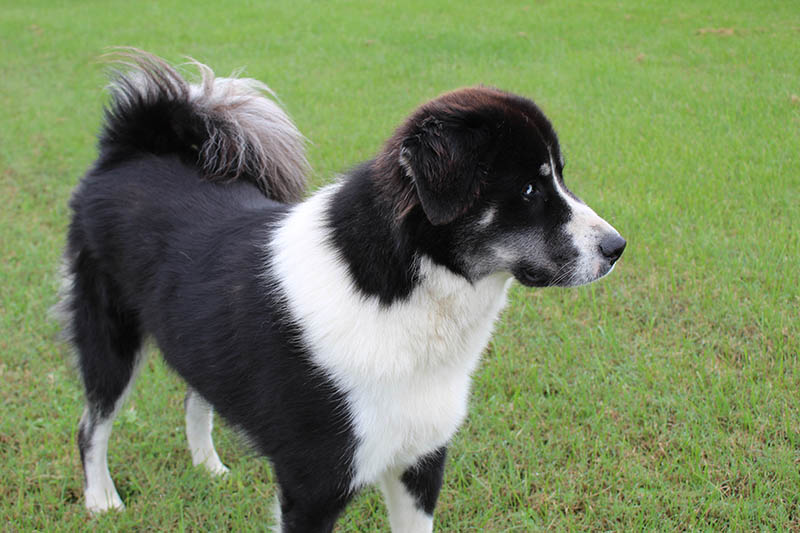
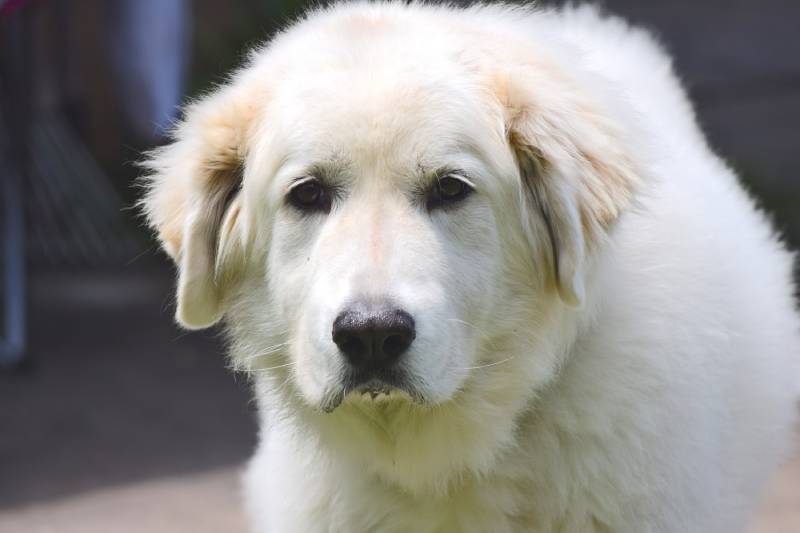
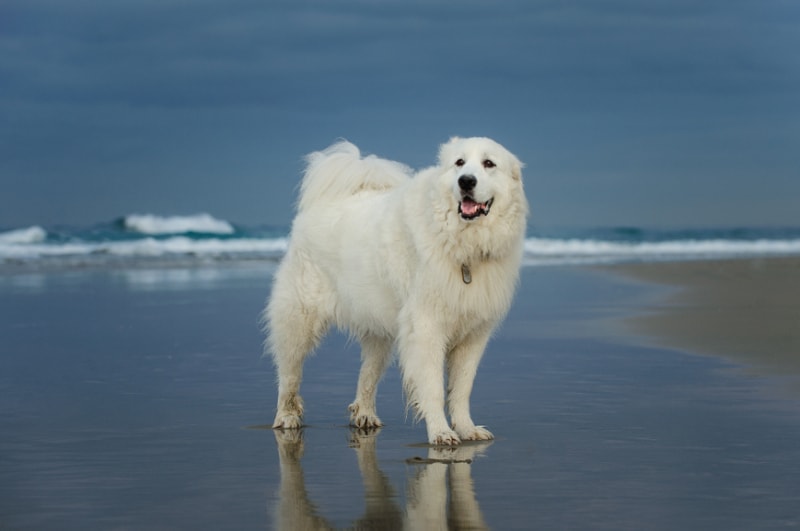
The Great Pyrenees is a giant dog breed that is known for its white, fluffy coat, large size, and laid-back personality. Unfortunately, many people have learned the hard way that this breed isn’t the ideal house pet.
This breed was designed to guard and protect livestock, which can make the average household unsuitable for many of these dogs. If kept in an inappropriate situation or not properly socialized, there are a number of behavioral issues that the Great Pyrenees is prone to.
Some of these behavioral “issues” are simply related to the breed itself, which is also something to consider when thinking about bringing one of these gentle giants home.

The 7 Possible Great Pyrenees Behavior Problems
1. Straying Tendencies
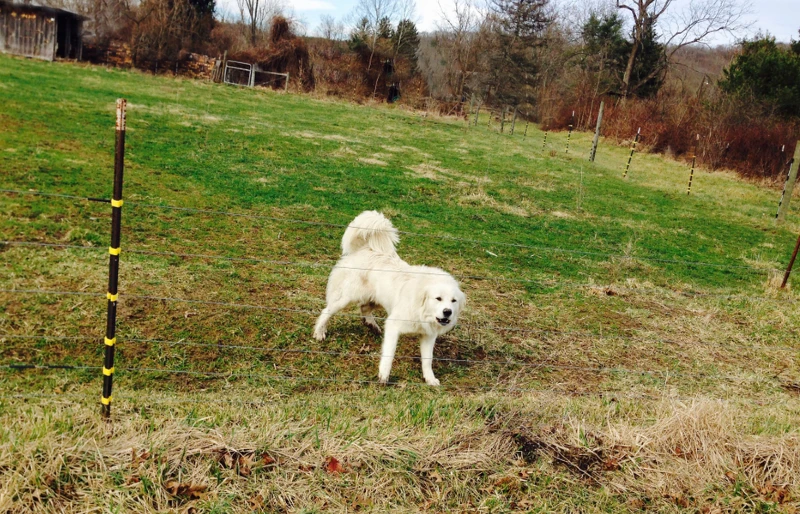
One of the top complaints that you’ll hear about Great Pyrenees dogs is that they have a tendency to go on walkabouts, often wandering onto neighbors’ properties and even into roads and other dangerous situations. Since this breed is intended to guard livestock, these dogs will usually stay close to their livestock.
When livestock isn’t available to protect, then you can count on your Great Pyrenees to go wandering if given the opportunity. Even if you live on a large amount of land, you should consider keeping your Great Pyrenees in a securely fenced area. Although unfortunate, it is a reality that there are a lot of hazards to a wandering dog, including being shot if someone feels threatened by the presence of a dog on their property.
2. Ignoring Commands
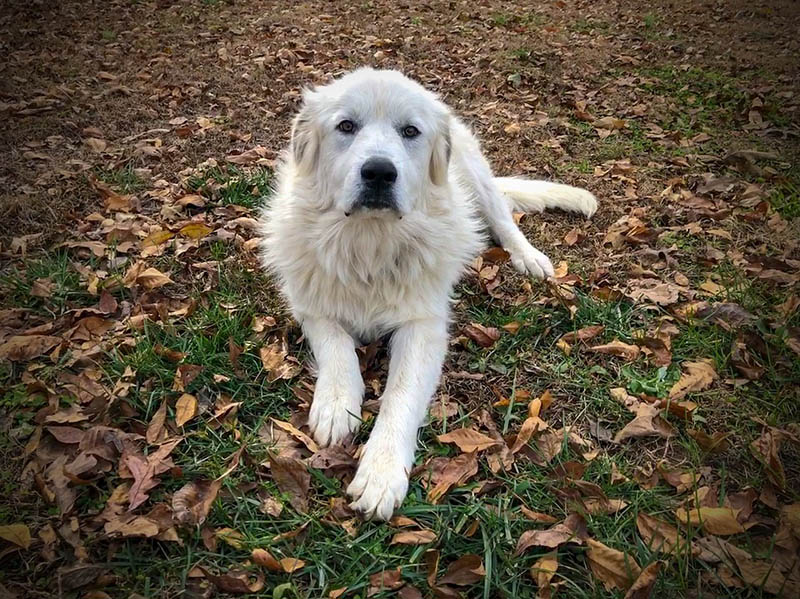
If there’s one thing you can count on with a Great Pyrenees, it’s that you’re likely to have a dog that is very stubborn. This breed is known for often blatantly ignoring commands, as they were bred to be independent thinkers. Sometimes, your dog might not even look at you when you’re trying to give a command. Other times, they will perform the command, but only once they’ve decided they’re ready.
One of the biggest issues with not following commands is that the Great Pyrenees often don’t come when called, which can be a safety hazard. This is another reason why it’s a great idea to keep this breed in a securely fenced area, as well as to start training while your dog is young, using positive reinforcement to instill more predictable behavior.
3. Barking
When it comes to most breeds that were developed for some form of protection, you can expect a dog that barks. Barking is often used as a warning system to deter predators and threats while also letting livestock and handlers know that there’s a risk present. If you have a Great Pyrenees that is guarding livestock or is intended for the protection of your property, then barking might be a benefit.
However, if you have a Great Pyrenees living in your house in the suburbs, then excessive barking at everything that your dog perceives to be a threat can be a nuisance. This can also be an issue that is difficult to train out of a dog, so you may need to get the help of a professional dog trainer to reduce the excessive barking.
4. Nocturnal Activity
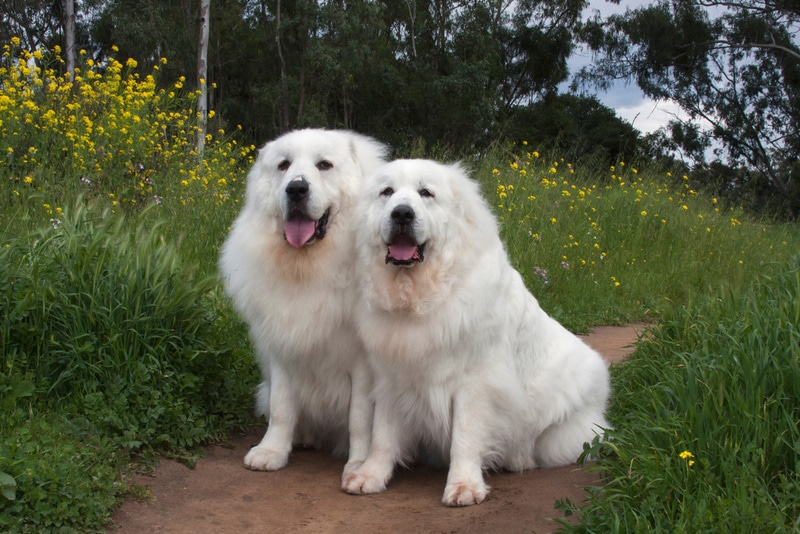
Many of the threats to livestock come out at night, including coyotes and bobcats, so it’s no surprise that the Great Pyrenees will naturally lean toward a more nocturnal sleep/wake cycle. While your Great Pyrenees will keep an eye out during the day for any threats, you can also expect your dog to continue their work overnight.
While this is great for protecting livestock, it can be a major nuisance to have a 100-pound dog wandering around the house or barking in the backyard all night. You can try to keep your Great Pyrenees awake during the day and help burn most of their energy. This will help to get them used to your schedule.
5. Possessiveness and Guarding Behaviors
You can expect a Great Pyrenees to guard livestock against any threat, no matter how big. When you’re dealing with a dog that doesn’t have livestock to guard, though, this behavior can translate to possessiveness and resource guarding. Teaching your dog from a young age that this type of behavior isn’t acceptable, as well as helping them understand that you aren’t going to take important things from them without providing a better reward, is necessary to prevent major issues.
Resource guarding can translate to just about anything, from food to garbage, and it can result in tension and stress in your home, not to mention the risk of aggression from such a big breed. Sometimes, a veterinary behaviorist or professional dog trainer who is experienced in resource guarding is needed to help with this undesirable and sometimes dangerous behavior.
6. Destructiveness or Excessive Chewing
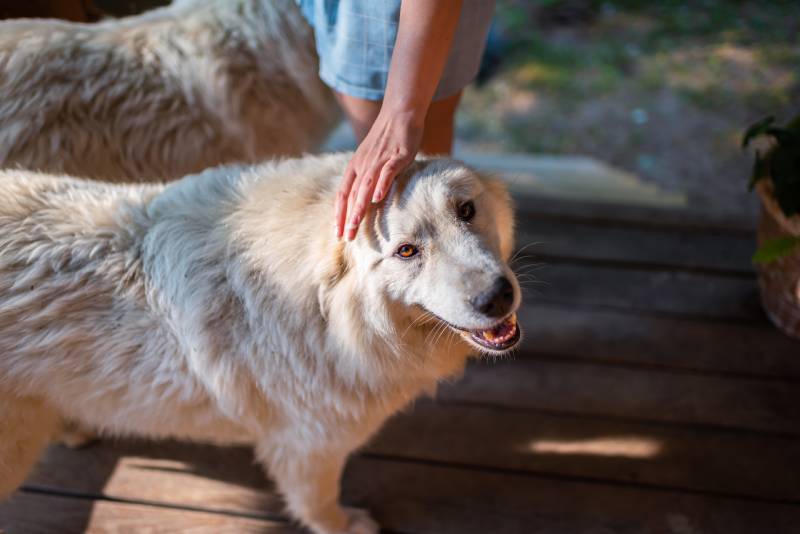
Purpose-bred dogs need physical and mental exercise to develop their full potential. If your Great Pyrenees is not adequately stimulated, they will find their own way to keep them busy, such as chewing on furniture and shredding bedding. When it comes to excessive chewing, there is also a risk of intestinal obstruction if your dog consumes inedible items. Chewing on items like rocks and hard bones can damage your dog’s teeth as well.
Providing your dog with safe chewing options, like dental chews and silicone toys stuffed with treats, will help keep them safe while also protecting your furniture and belongings. If you have an excessive chewer, then you will likely need to keep your dog confined to a kennel or pen when alone to keep them safe.
7. Fearfulness
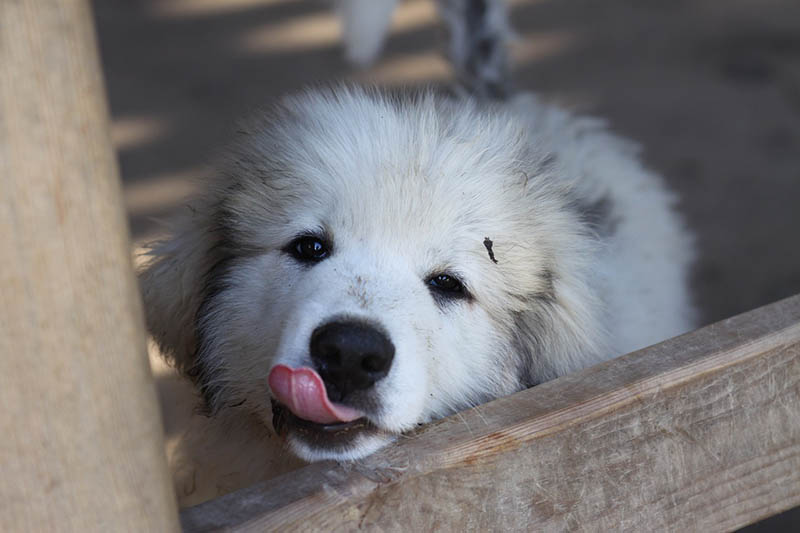
Early socialization is essential for any dog, including the Great Pyrenees. Without proper socialization, it’s not uncommon for dogs to become fearful, aloof, standoffish, and even nervous around strangers and in new situations. Having an unsocialized dog is hard enough, but having an unsocialized dog that is the size of an adult human is a liability in some cases.
If you bring home an adult dog that requires socialization, it’s important to take things slowly with them and be accepting of the fact that this will likely never be a dog to sit on a patio at a restaurant or visit the park with you. The sooner you acknowledge the problem, the sooner you’ll start to look for help for them to learn safe social skills.

Conclusion
The Great Pyrenees is a wonderful dog that is perfect for guarding livestock and homes alike. There are some behavioral issues that may show up in this breed if the needs for which they were bred are not met.
If you bring home a puppy, you have the advantage of starting training and socializing at a young age. If you are bringing home an adult dog that already has known behavioral issues, a trainer or behaviorist will be of incalculable help to achieve a harmonious coexistence and a life full of enjoyment for your dog and your family.
Sources
Featured Image Credit: everydoghasastory, Shutterstock
Get Hepper In Your Inbox


Pet care tips from our vets and experts, straight to your inbox.
You may opt-out at any time. View our Privacy Policy for more information.
After nine years as a veterinary assistant, Brooke Billingsley transitioned to a career as a nurse in 2013. She lives in Arkansas with her boyfriend, sharing their home with three dogs, two cats, five fish, and two snails. A dedicated animal lover, Brooke has a special place in her heart for special needs pets, including a three-legged senior dog and a famous cat with acromegaly and cerebellar hypoplasia. Fish keeping is one of her hobbies, and she is constantly improving her knowledge to care for her aquarium pets. Brooke is an active yoga enthusiast, having obtained her 200-hour yoga teacher certification in 2020. She believes in the importance of continuous learning and dedicates time each day to developing new skills and expanding her knowledge.
Join the conversation
Ask a question, share your story, or send private feedback.