Hepper is reader-supported. When you buy via links on our site, we may earn an affiliate commission at no cost to you. Learn more.
6 Great Pyrenees Health Problems to Watch For (Vet Answer)
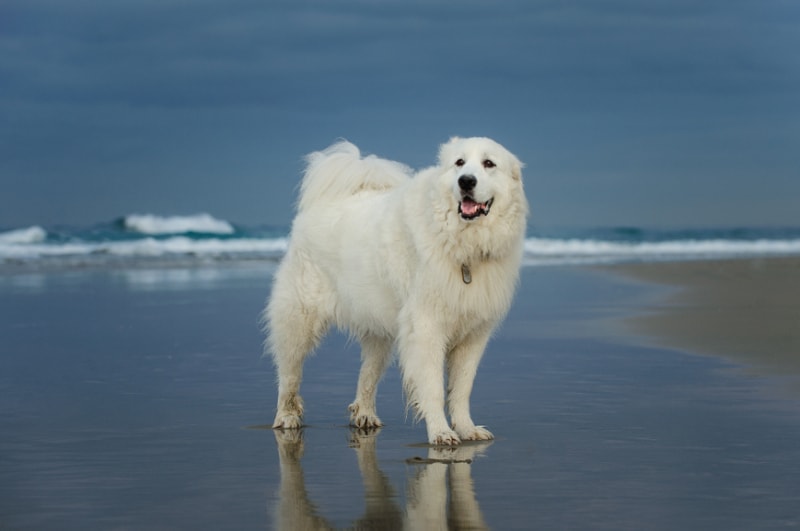
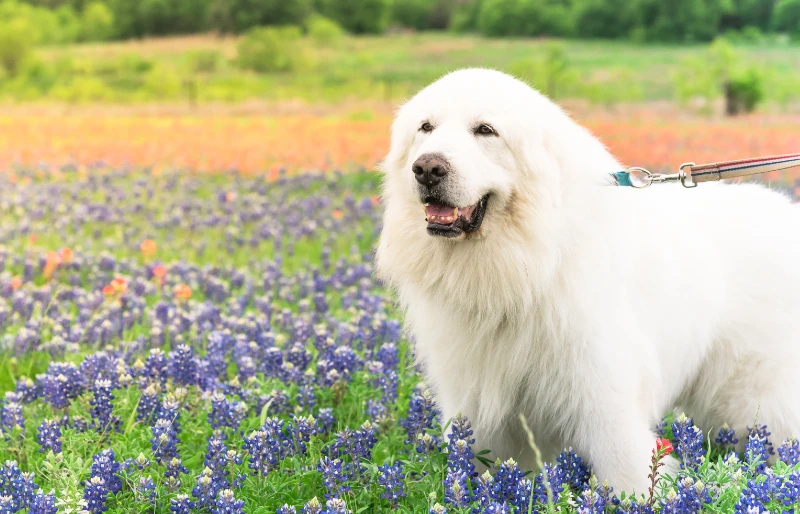
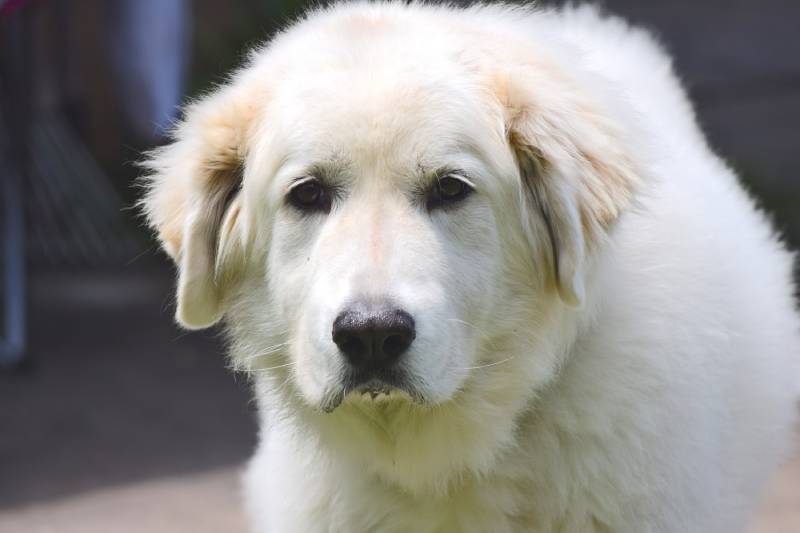
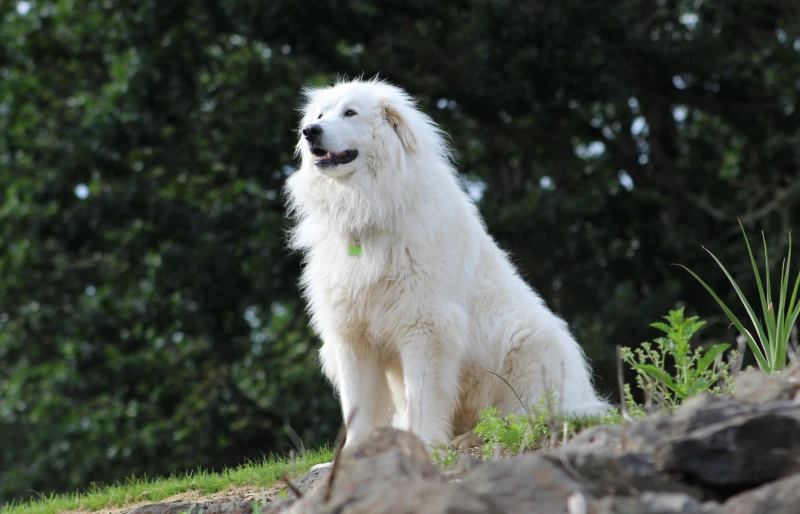
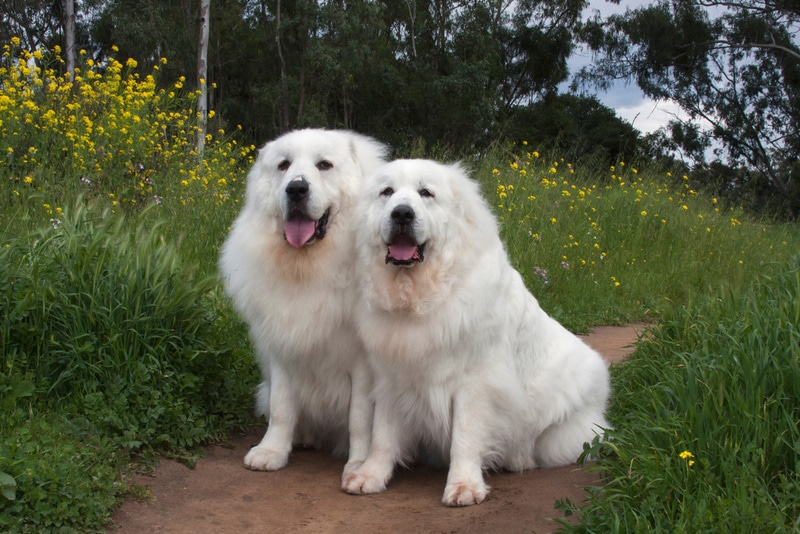
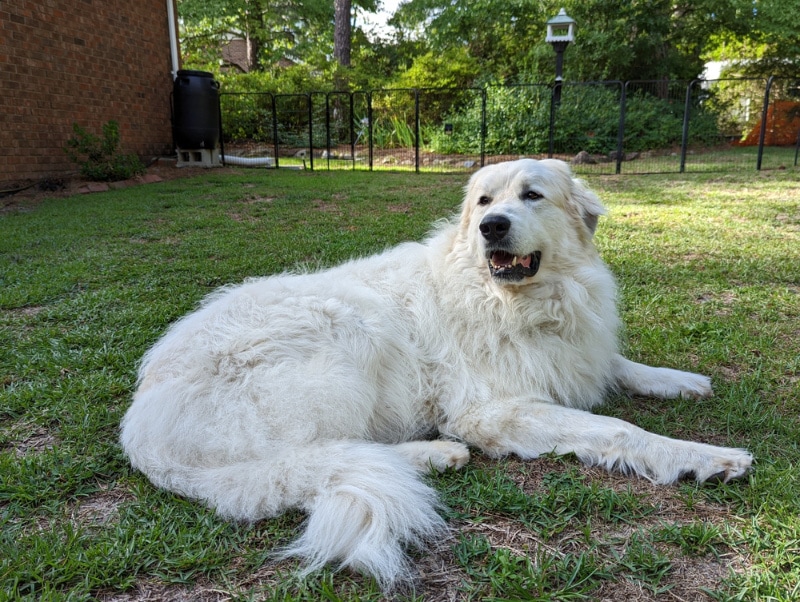
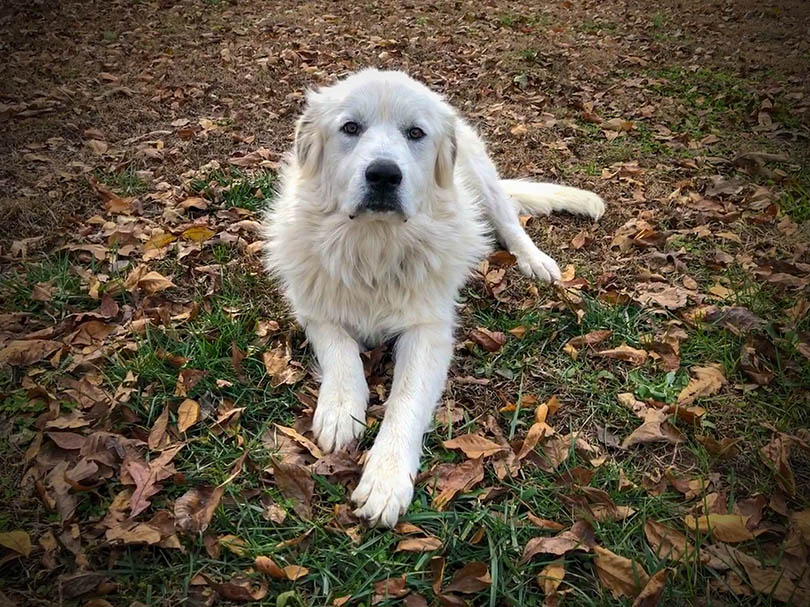
The giant, double-dewed Great Pyrenees is a beautiful breed, originally bred as livestock guardian dogs The Great Pyrenees have made their way from pastures into the family home, as they make excellent family companions. If you share your home or are considering sharing your home with one of these gentle giants, consider reading below to learn more about health concerns that can develop when owning one of these pups.

The 6 Great Pyrenees Health Problems
1. Elbow and Hip Dysplasia
A condition commonly found in large-breed dogs is dysplasia of the elbow and/or hip. Joint dysplasia is a condition in which the bones making up a joint do not form correctly, leading to a joint abnormality. When this occurs, the animal experiences joint instability, which can lead to arthritis, discomfort, and mobility impairment. In some dogs, this condition can be noted in puppyhood due to lameness, whereas other dogs may not be diagnosed or show signs of discomfort until later in life.
Hip and elbow dysplasia are diagnosed through the collection of the pet’s history, physical examination, and radiographs. Some dogs with elbow or hip dysplasia will be candidates for surgical correction, whereas others may benefit from supportive care. Supportive care can include weight control, regular exercise, joint supplements, and pain medication.
2. Addison’s Disease (Hypoadrenocorticism)
Addison’s disease (hypoadrenocorticism) is a condition in which the adrenal glands do not provide the body with appropriate levels of steroids and/or mineralocorticoids. Dogs with Addison’s disease are at risk of going into shock and may experience diarrhea and weakness.
Addison’s disease can be difficult to diagnose, as the clinical signs can vary greatly. Fortunately, this condition can be diagnosed with blood work and treatment is possible. Dogs that present in a crisis will need hospitalization and fluid therapy. Long-term management often entails steroid and mineralocorticoid supplementation.
3. Gastric Dilatation and Volvulus (Bloat)
Large, deep-chested dogs are most likely to experience gastric dilatation and volvulus. This life-threatening condition is when the stomach becomes filled with gas, food, or water and becomes distended. Sometimes, the distended stomach will flip or turn on itself, in a condition referred to as volvulus.
When GDV occurs, the blood supply to gastrointestinal organs is impaired, leading to incredible pain and damaged tissue. This is a medical emergency that requires surgical intervention. Preventative measures are possible, including gastropexy, a surgical procedure in which the stomach adheres to the abdominal wall, which helps prevent the stomach from flipping on itself.
4. Eye Conditions
The inversion of the upper and/or lower eyelids of dogs is referred to as entropion. This condition can be seen in dogs with excessive loose skin and has been appreciated in the Great Pyrenees. Entropion can cause chronic corneal irritation as the result of ongoing contact of the eyelashes with the eye itself in addition to other conditions, like conjunctivitis. Fortunately, surgical correction can be achieved and eye lubrication may bring relief.
Canine multifocal retinopathy occurs in Great Pyrenees dogs, a condition in which the retina develops lesions that fill with fluid. Often, this is an incidental finding, as affected dogs typically do not lose their vision. Great Pyrenees breeders can have a genetic screening test done to see if their dogs are carriers for this disease.
5. Neuronal Degeneration
Dogs affected with neuronal degeneration experience weakness and incoordination at a young age, typically before their first birthday. The hind limbs are most often affected, and neurologic abnormalities have been identified throughout the neurologic system.
Unfortunately, this condition is progressive and can result in a complete inability to walk. Although the disease process itself is non-painful, poor mobility can lead to secondary injuries. Genetic testing is available to identify dogs who possess the mutation responsible for this condition.
6. Chondrodysplasia
Chondrodysplasia is a condition commonly referred to as dwarfism, which results in shorter than normal limbs, trunk, and snout. Dogs impacted may be more likely to have dental disease and hearing loss. At birth, puppies appear like litter mates, but within a few weeks, an obvious size difference is noted. Dogs intended for breeding should be screened for this genetic disorder.
Conclusion
The Great Pyrenees are a beautiful breed, and these dogs can make excellent companions. It is important to note that not all individuals within the breed will develop the health conditions discussed in this article and that no breed is immune to health concerns. Knowing what ailments your pup may face in their lifetime may help to aid in the recognition of concerns and allow for earlier intervention.
See Also:
Carnauzer (Cairn Terrier Schnauzer Mix): Pictures, Care Guide, Temperament & Traits
Male vs. Female Irish Setter: The Key Differences (With Pictures)
Sources
Featured Image Credit: everydoghasastory, Shutterstock
Get Hepper In Your Inbox


Pet care tips from our vets and experts, straight to your inbox.
You may opt-out at any time. View our Privacy Policy for more information.
Meet Dr. Marti Dudley, a dedicated small animal veterinarian who possesses a strong passion for preventive medicine and client education. She takes pride in serving as a valuable resource for pet owners, firmly believing that a collaborative approach results in the optimal care for our beloved animal companions. In addition to her clinical work, Dr. Dudley has a fondness for writing, using this skill as an innovative means to educate pet owners beyond the confines of the traditional veterinary office setting.
Meet Dr. Marti Dudley, a dedicated small animal veterinarian who possesses a strong passion for preventive medicine and client education. She takes pride in serving as a valuable resource for pet owners, firmly believing that a collaborative approach results in the optimal care for our beloved animal companions. In addition to her clinical work, Dr. Dudley has a fondness for writing, using this skill as an innovative means to educate pet owners beyond the confines of the traditional veterinary office setting.
Professional Background:
Dr. Dudley has been actively practicing veterinary medicine since 2014, accumulating a wealth of experience. Her special interest lies in preventive care, and she places significant emphasis on the importance of educating clients about the well-being of their pets. Dr. Dudley's professional journey in veterinary medicine has been diverse, having worked as a general practitioner, affording her the opportunity to encounter and address a wide array of medical conditions in animals.
Educational Achievements:
Dr. Dudley's academic background includes a bachelor's degree in biology earned from Longwood University in Virginia. She further pursued her passion by obtaining a Doctor of Veterinary Medicine (DVM) degree from Ross University.
Join the conversation
Ask a question, share your story, or send private feedback.