Hepper is reader-supported. When you buy via links on our site, we may earn an affiliate commission at no cost to you. Learn more.
Great Wolfhound (Great Pyrenees & Irish Wolfhound Mix): Info, Pictures, Characteristics & Facts
In this article
Breed Overview
Height:
Weight:
Lifespan:
Colors:
Suitable for:
Temperament:
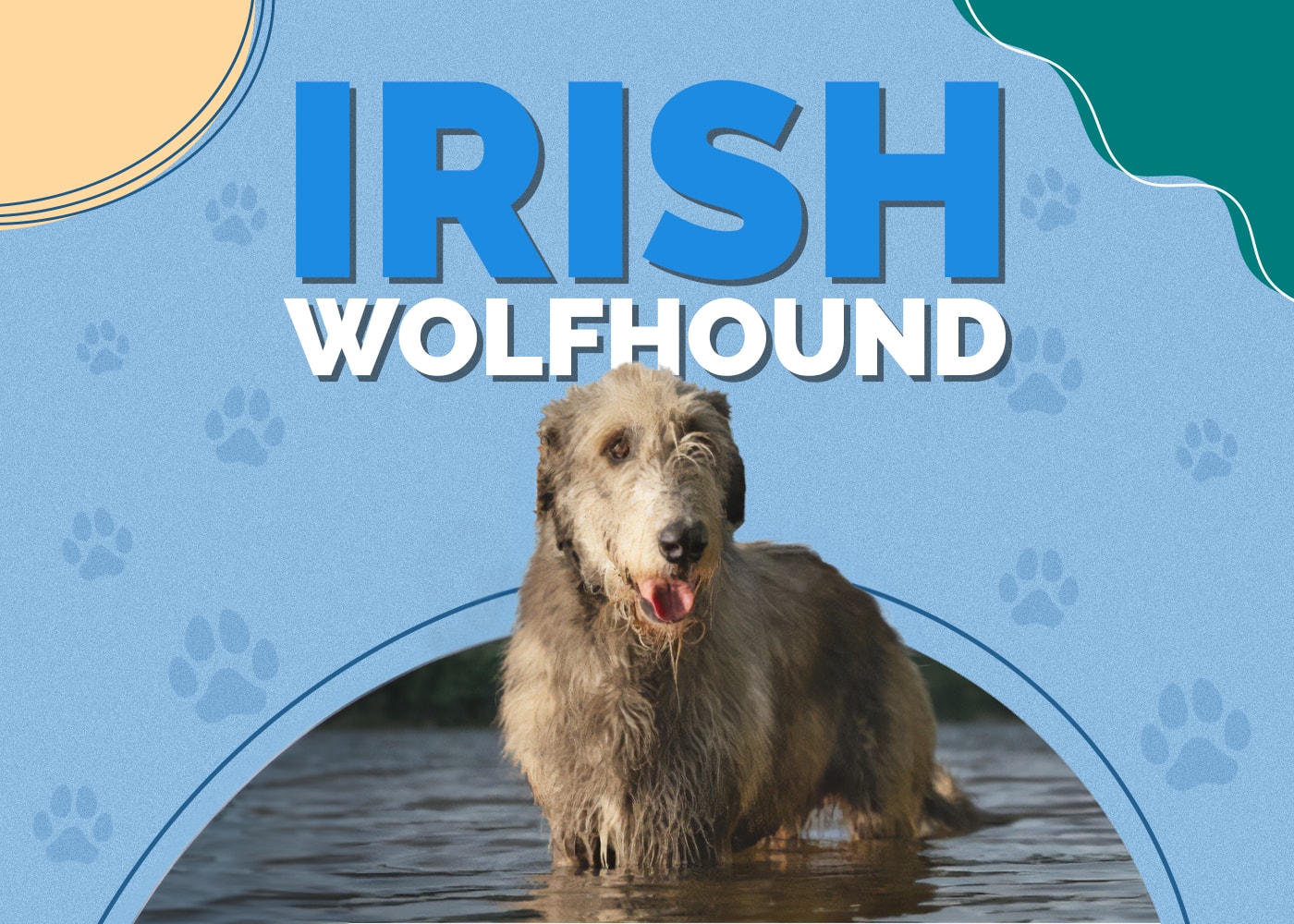
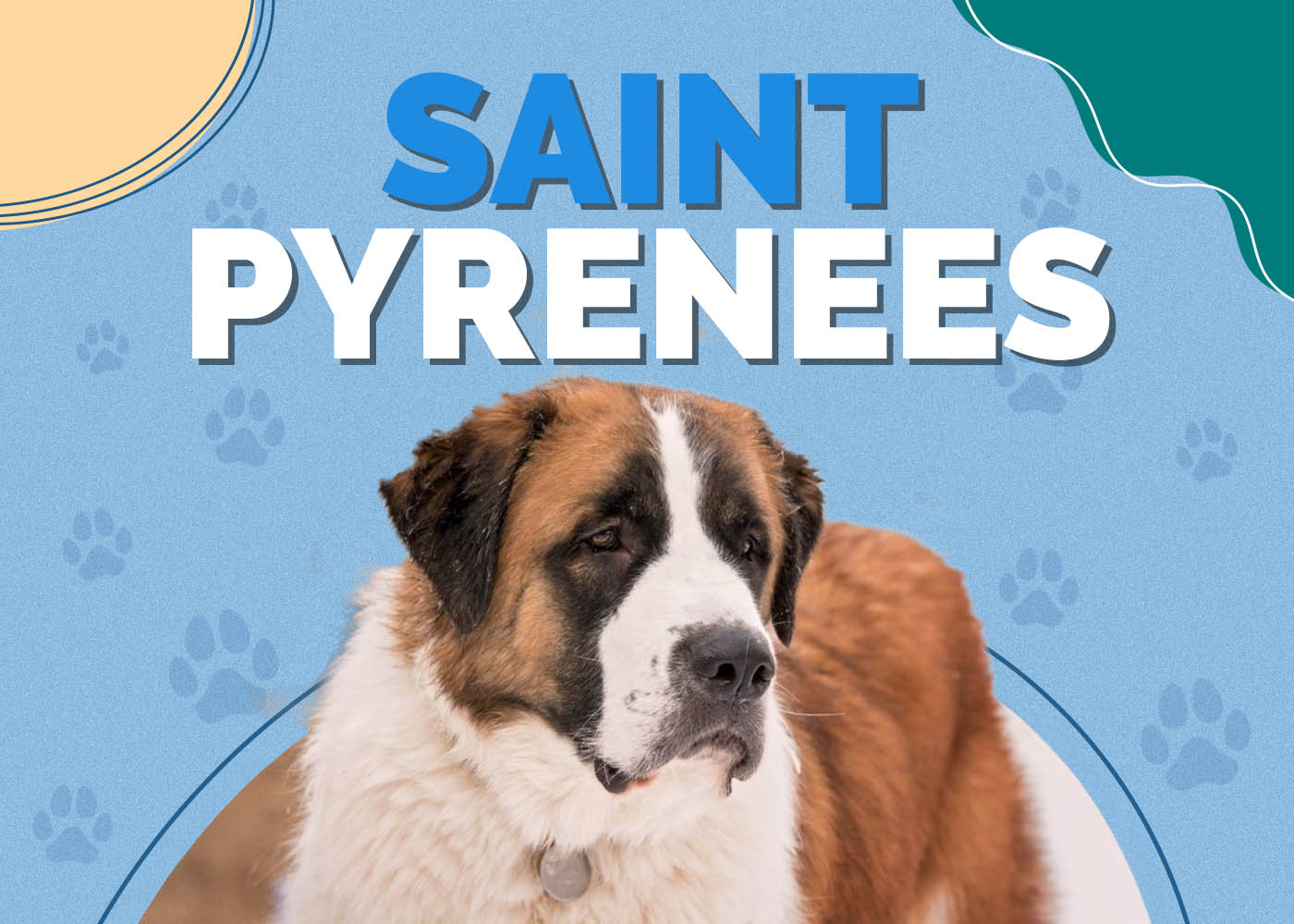
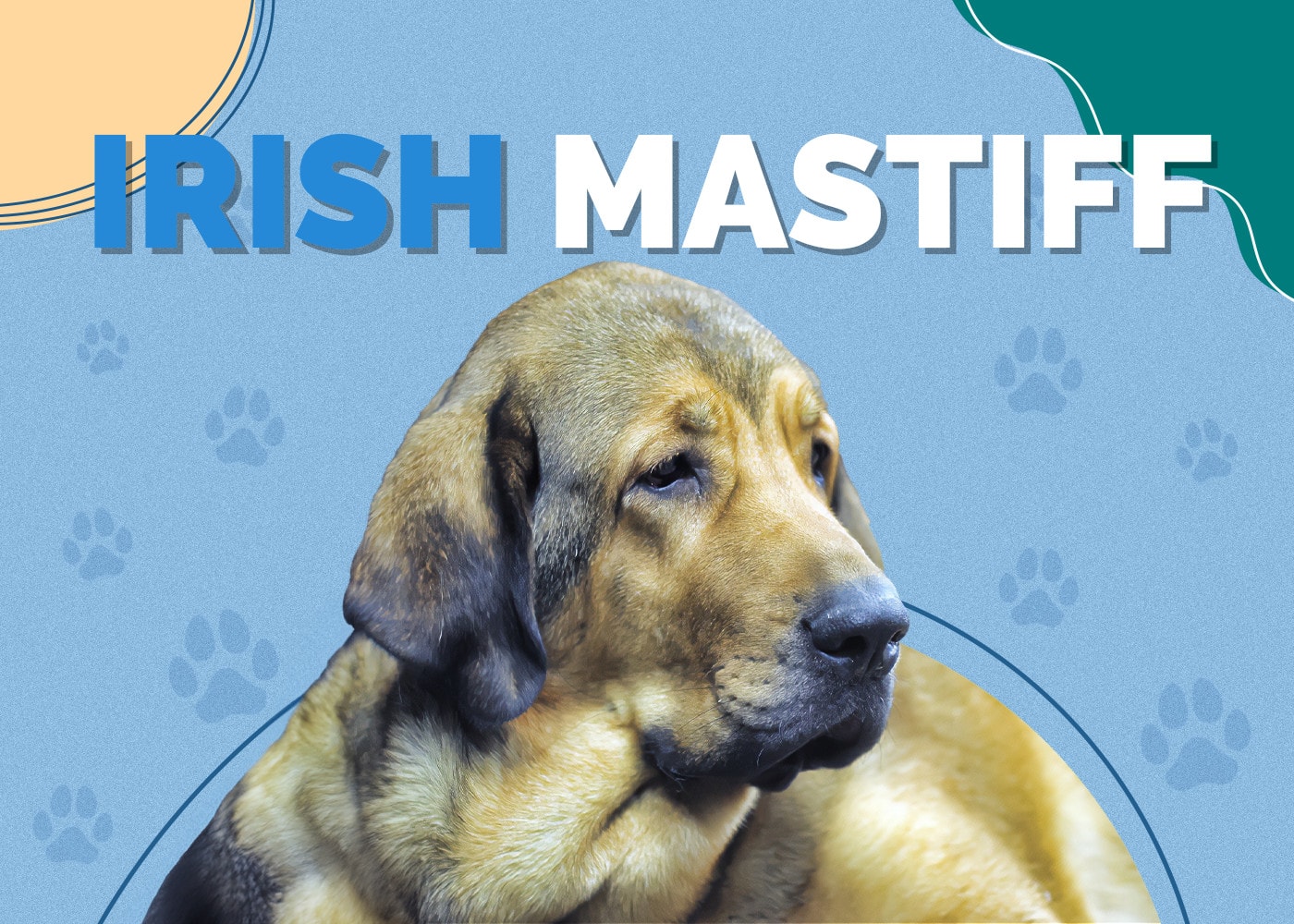
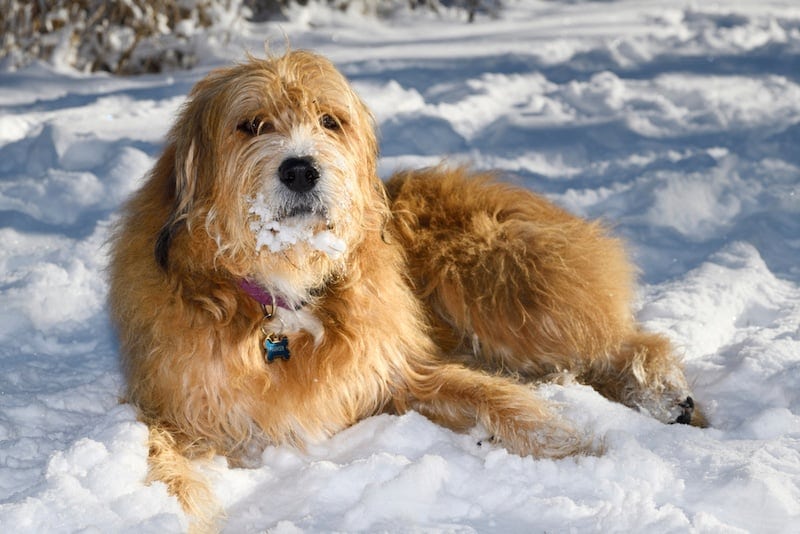
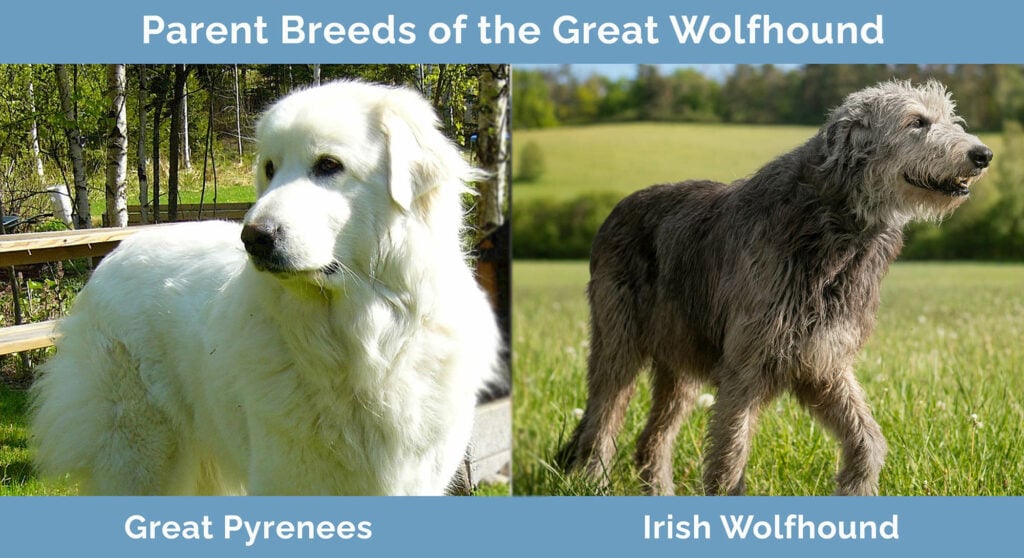
This large hybrid is the result of breeding the Great Pyrenees and the Irish Wolfhound together. Great Wolfhounds can weigh up to a whopping 150 pounds, so they need a great deal of room to live and play. They can live in apartment environments if they can get outside for exercise every day, but they do best in households with large, fenced backyards where they can freely run and play throughout the day.
The Great Wolfhound is extremely loyal to their family members and will protect them at all costs if a threat is perceived. These dogs make great watchdogs if they are trained properly to do so. They love children, but their sheer size can become a hazard to young kids if they’re unsupervised. They may get along with other dogs, especially those that they live with.
But strange dogs can present as a threat to this breed unless they are thoroughly socialized from a young age. These dogs can be stubborn, so a firm but loving hand should take over the major handling tasks. Patience during training time is necessary, and persistence is the key to a well-behaved, loving Great Wolfhound pet. Keep reading to learn more about this huge yet lovable mixed breed that may be the perfect fit for your family home.

Great Wolfhound Puppies
Great Wolfhound Characteristics
Great Wolfhounds are massive mixed-breed dogs that are highly sought-after for their watchdog capabilities and their tendency to be good family dogs. For this reason, you can expect to pay a lot for one of these pups! While the price tag might seem high, families should consider the working and protection services that they can enjoy when a Great Wolfhound dog is a part of their family pack.
This mixed breed dog isn’t quite common, so the chance of finding one at a Humane Society or other rescue center is slim. Still, if you’re into helping dogs, it is worth the time to investigate such facilities before talking to breeders. Finding a Great Wolfhound at a shelter can significantly lower the cost of adopting one.
3 Little-Known Facts About the Great Wolfhound
1. They aren’t an old breed.
This mixed breed isn’t incredibly old, so there isn’t much known about their history. This isn’t to say that their parent breeds aren’t well-known, so learning about the parents can provide great insight into how the Great Wolfhounds thinks and acts.
2. They’re gentle giants.
The Great Wolfhound is an extremely large dog that can be quite intimidating to strangers. But the truth is that this hybrid breed is gentle and loving in most situations. They might accidentally knock a drink over with their tails, but they will never intentionally hurt a person who doesn’t present an obvious danger.
3. They love children.
Due to their size and excitement, many people think that Great Wolfhounds won’t do well with children, especially young ones. While these dogs should be supervised around kids until they are well trained and have passed their puppy stage, they seem to be conscious of their actions and attempt to interact with kids without harming them.

Temperament & Intelligence of the Great Wolfhound 🧠
The Great Wolfhound is curious, loving, and playful. They also love to jump, which is cute when they are puppies but can be dangerous when they grow older. Therefore, these dogs need to undergo obedience training as young puppies, so they know how to safely interact with other people and dogs when they become big adults.
These dogs are loving and will snuggle up on the couch while you watch a movie if you let them. They’re more energetic when they are puppies. But as they get bigger and older, they tend to chill out and appreciate their downtime more often.
Because of their Irish Wolfhound ancestry, the Great Wolfhound can develop separation anxiety when their human family members are away from home often. This can be combated with the help of puzzle toys and plenty of exercise while family members are home.
Are These Dogs Good for Families? 🏡
Great Wolfhounds make for extremely good family pets. Not only are they affectionate, attentive, and loyal, but they are also always eager to please their family, so even kids can learn to train them. They do need supervision and training while getting to know the younger members of the household, but you should find that your pup is able to become a cohesive member of the household within just a couple of months after basic training starts.
Does This Breed Get Along With Other Pets? 🐶 😽
The Great Wolfhound can get along well with other dogs and cats within their family unit. But they should be introduced to their pet siblings right away and be taught how to interact with them, which can take time. But don’t expect your Great Wolfhound to accept other animals outside of the pack unless they’re trained to do so.
You should socialize your puppy immediately by introducing them to different people and dogs on a regular basis. Always supervise your puppy’s actions and make sure that they know what you expect of them behavior-wise. They might never get along with small animals that they didn’t learn to grow up with, even if they’re well socialized and trained. They are hunting dogs, after all.
Things to Know When Owning a Great Wolfhound
There is much more to learn about owning a Great Wolfhound as a family pet. Here are specifics about food and diet requirements, exercise, training, and grooming to consider as a potential owner.
Food & Diet Requirements
Due to the high activity level of the Great Wolfhound, you can expect your pooch to eat an impressive 4 cups of dog food every day once they reach adulthood. They may even eat more while they’re growing puppies and when they have especially active days. If they end up adopting a more relaxing life while seniors, they might eat a little less.
If you don’t have the time to create homemade meals for your dog, there are many different food options available on the market that can meet your dog’s needs. Your veterinarian can help you decide which high-quality options to consider for your dog based on their health, age, weight, and general food instincts.
It’s a good idea to stay away from foods that feature meat meal; instead, go for foods that feature real meat, like chicken and fish, which are easy for dogs to digest. Once you choose a food to feed your dog, you should stick with it unless you see signs of gastrointestinal disorders.
Exercise 🐕
Great Wolfhounds are actually low energy once they reach adulthood. They can use about 30 minutes of exercise each day to maintain a happy and healthy life. However, when they are puppies, they may need twice as much exercise as they explore their world. You should be prepared to walk your Great Wolfhound every day, even if just around the block.
These dogs need activities to engage in while hanging out indoors too. Play hide and seek, introduce new puzzle toys, and practice training techniques when you have a little free time. Hard-to-destruct toys like Kongs will help keep your pooch busy when you aren’t around or able to do so yourself.
Training 🦮
Training is a must for Great Wolfhounds. These dogs can start obedience training as soon as they get home, which will help them learn how to get along well in their family environment. These are big dogs and they’re a bit stubborn. So, it’s a good idea to hire a professional dog trainer to work with until you’re comfortable maintaining a firm yet affectionate hand with your pooch on your own.
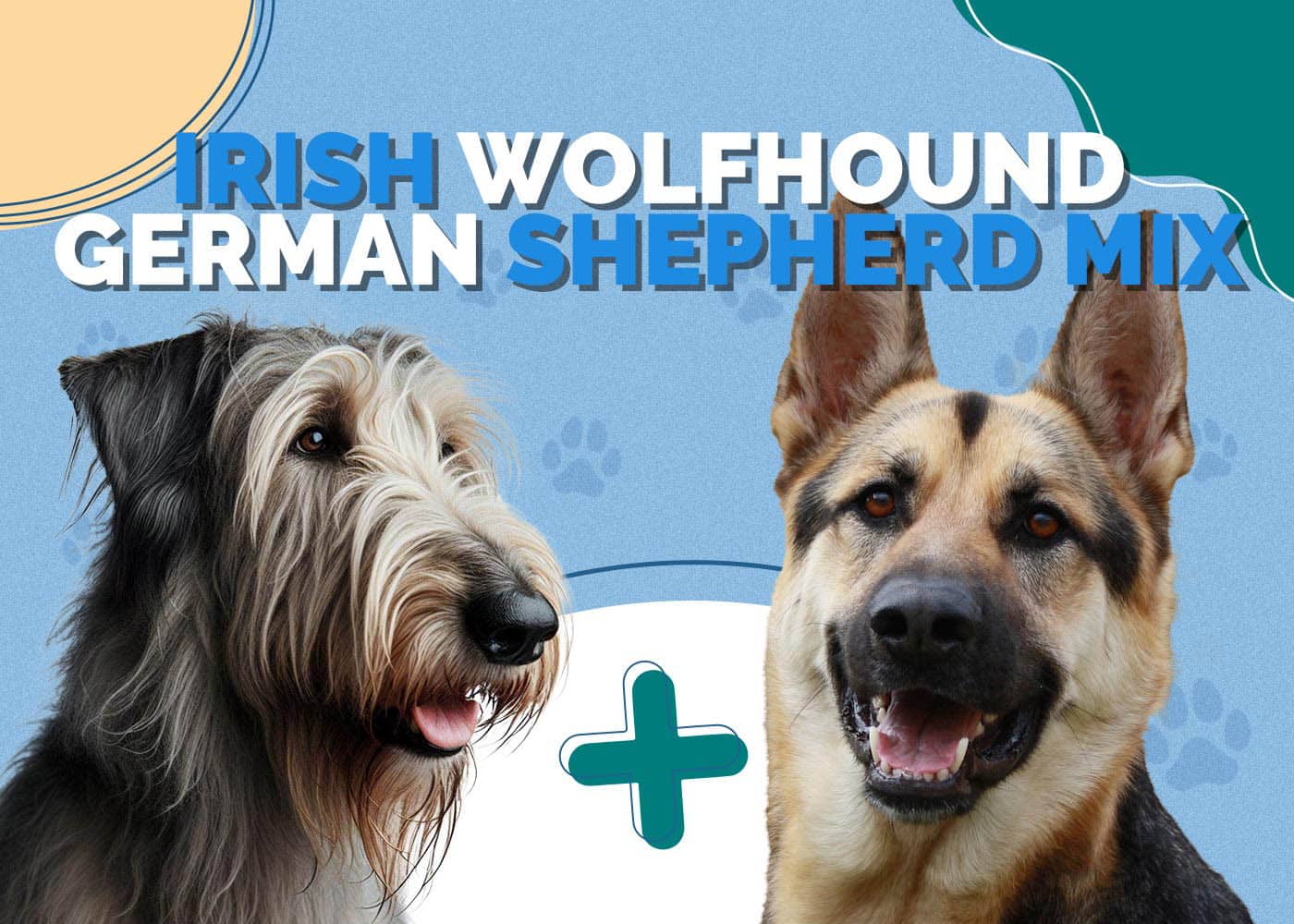
Thanks to their Irish Wolfhound parent, these dogs tend to be highly agile, so agility training should be considered as an energy output, a social exercise, and a sporting hobby — all of which your Great Wolfhound pooch is sure to appreciate.
Due to the attentive and protective nature of the Great Wolfhound, these dogs can be trained as guard dogs to help protect your home and family over time. Even without training, these dogs will alert owners of the possibility of danger when strangers get too close to your property and home.
Grooming ✂️
The Great Wolfhound typically has a thick coat that likes to shed, so you should prepare to brush your puppy every day through the rest of their life. Some of these dogs develop a long coat that is easiest to maintain when kept trimmed. Occasional bathing may be necessary due to the inquisitive and adventurous nature of this mixed breed.
You may have to brush your dog’s teeth or provide them with a dental bone once a week or so to minimize the risk of dental problems. You should also gently clean their ears once a week to ward off the onset of infections. But all the exercise that your dog gets should keep their nails naturally trimmed.
Health and Conditions ❤️
There are several health conditions that owners of this mixed breed should be aware of before deciding whether to adopt one. Knowing about these health conditions will help you determine if you’re willing to deal with such conditions if they do occur and enable you to catch them early so they can be effectively managed.
Male vs. Female
Almost all dog breed owners can identify what they feel are differences between males and females. For example, some owners think that males are almost impossible to potty train unless or until they are neutered. Some owners think that females are much more independent than males. But the truth of the matter is that both male and female Great Wolfhounds are affectionate, loyal, trainable, and interactive.
Final Thoughts
These are big dogs, so they aren’t good pets for everyone. Although they’re big, they don’t need tons of exercise, and they do love spending affectionate time with their family members. So, even households that aren’t particularly active can enjoy the Great Wolfhound as a family pet. Training, attention, and everyday activity are all important aspects of the Great Wolfhound’s life.
We think that anyone looking for a fun-loving, intelligent, happy dog that can also serve as an efficient guard dog should consider adopting a Great Wolfhound. What do you think of this spectacular breed? Let us know by leaving a comment below!
See Also:
Border Collie Bull Staffy: Info, Pictures, Characteristics & Facts
Akita Chow (Akita & Chow Chow Mix): Info, Pictures, Characteristics & Facts
Featured Image Credit: Reimar, Shutterstock
Get Hepper In Your Inbox


Pet care tips from our vets and experts, straight to your inbox.
You may opt-out at any time. View our Privacy Policy for more information.

Nicole is a lover of animals of all sizes but is especially fascinated with the feline variety. She’s the proud mom of Baby, a Burmese, and works every day so he can relax in the sunshine or by the fire. She’s always had a cat in her home and has spent countless days with others, observing behaviors and softening up even the grouchiest of the lot. Nicole wants to share her kitty expertise with you so you and your cat can live happy, healthy, and care-free.
Join the conversation
Ask a question, share your story, or send private feedback.